




How to Choose the Right Aviation Safety Equipment
Key Takeaways
- FAA regulations mandate specific safety equipment for civil aircraft – including emergency locator transmitters (ELTs), appropriately rated fire extinguishers, and life vests for overwater operations – with requirements varying by operation type (Part 91, 121, or 135).
- Beyond regulatory minimums, operators should consider fire containment bags for lithium-ion battery fires, life rafts for extended overwater operations, and passenger guidance systems for organized, safe ground movement – particularly for Part 135 and commercial operations.
- Clean agent fire extinguishers – using Halon 1211, Halotron 1, Halotron BrX, or Novec 1230 – are the standard for aviation applications because they suppress fires without leaving residue or damaging sensitive avionics and electronics.
- When selecting safety equipment, key factors include FAA/TSO compliance, compatibility with your specific aircraft type, environmental and operational conditions, ease of deployment in an emergency, weight and storage constraints, and defined maintenance and replacement intervals.
- PJi stocks a comprehensive range of aviation safety equipment from trusted manufacturers – including HOT-STOP, H3R Aviation, Switlik, Safe Solutions Global, and Kannad – backed by expert guidance to help operators select the right gear for their fleet and operational environment.
When it comes to aircraft safety, there’s no room for compromise. Whether you're operating a small private aircraft or managing a commercial fleet, having the right aviation safety equipment in place can make the difference between a safe outcome and a disaster. From onboard fire containment systems to emergency flotation devices and locator transmitters, aircraft safety gear plays a vital role in ensuring compliance, protecting lives, and minimizing damage.
In this article, we’ll explore the types of aviation safety equipment required under FAA regulations, additional gear recommended for enhanced safety, and key factors to consider when selecting safety equipment for your aircraft or airport operations.
What Safety Equipment Is Mandatory for Aircraft Under FAA Regulations?

The Federal Aviation Administration (FAA) outlines strict safety requirements that all aircraft operators must follow. These regulations vary depending on the type of operation (Part 91, 121, or 135), but some equipment is universally required to ensure safe and compliant flight operations.
Emergency Locator Transmitters (ELTs)
Most civil aircraft registered in the U.S. are required to carry an emergency locator transmitter (ELT). This device automatically transmits a distress signal when activated by crash forces, helping search and rescue teams quickly locate the aircraft.
Designed for fixed-wing aircraft, the Kannad 406 AF is a compact, lightweight ELT that provides global coverage via the COSPAS-SARSAT satellite system. It offers flexible programming options, including tail number, serial number, or operator designator, facilitating seamless integration into various aircraft configurations.
Aircraft Fire Extinguishers
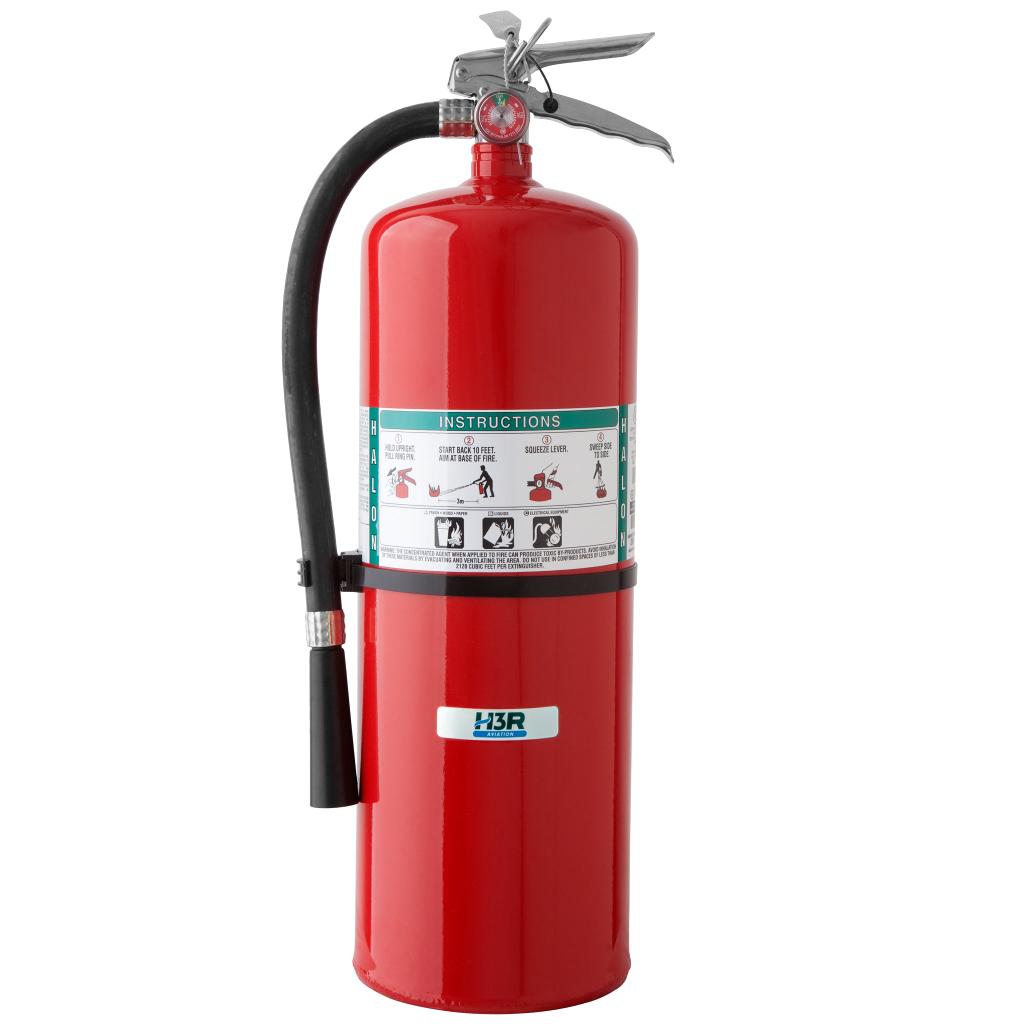
Fire extinguishers are a critical component of onboard aviation safety, designed to swiftly suppress fires that may arise from various sources. The FAA mandates that aircraft carry fire extinguishers appropriate for the types of fires they might encounter, including Class A (combustible materials), Class B (flammable liquids), and Class C (electrical equipment) fires. These extinguishers must be readily accessible and regularly inspected to ensure they remain functional.
Using clean-agent fire extinguishers is essential in aviation, as they effectively suppress fires without leaving residue or damaging sensitive aircraft components. H3R Aviation offers a range of FAA-approved aircraft fire extinguishers using clean agents such as Halon 1211, Halotron 1, Halotron BrX, and Novec 1230. Halon 1211 has long been favored for its effectiveness and residue-free discharge. Halotron 1 and Halotron BrX serve as environmentally friendlier alternatives, offering similar performance with reduced ozone depletion potential. Novec 1230 provides a non-conductive, fast-evaporating solution suitable for protecting sensitive avionics and electronics. These fire extinguishers are available in various sizes to accommodate different aircraft types and are designed for quick deployment in emergency situations.
Aircraft Life Vests
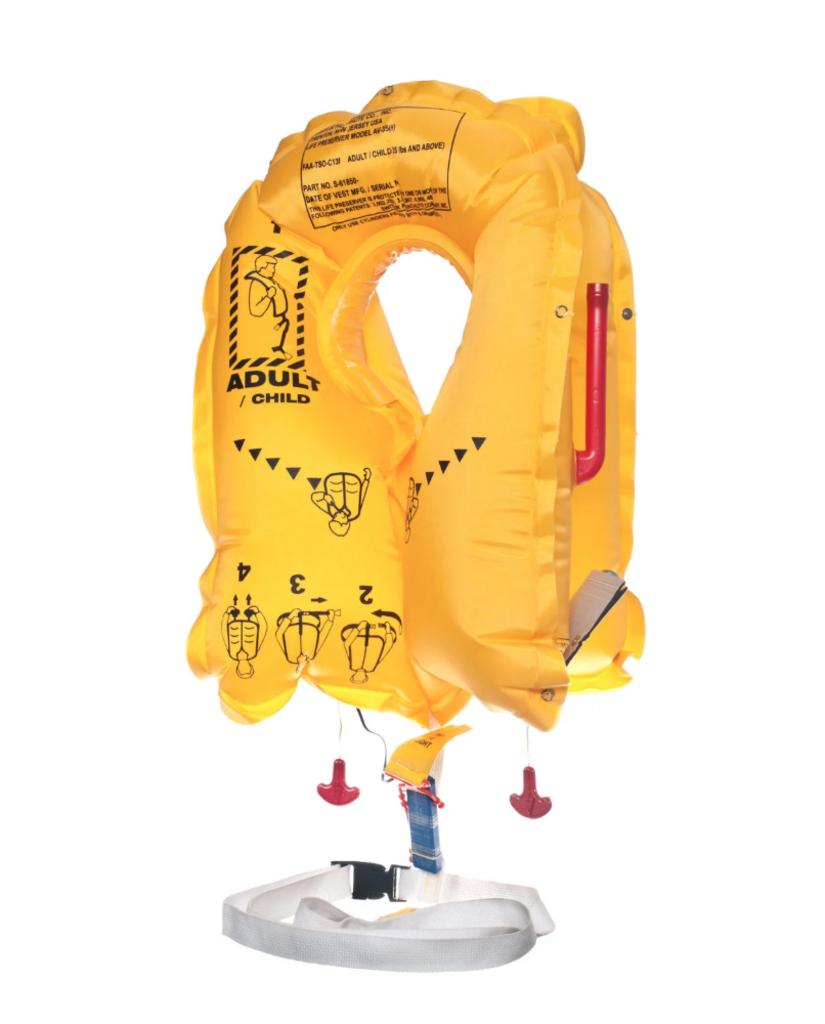
The FAA mandates that life vests or flotation devices be available for each occupant on overwater flights. These must be readily accessible and appropriately sized. Life vests are designed to keep occupants afloat in the event of a water landing, providing buoyancy and increasing the chances of survival until rescue.
Switlik offers a comprehensive range of FAA-approved aviation life vests tailored to various needs. Its passenger life vests, such as the AV-35 series, are designed for commercial and general aviation use and feature dual-chamber inflation for redundancy and high buoyancy for increased safety. For pilots and crew members, Switlik’s constant-wear vests, like the X-Back series, provide comfort and mobility for long-duration flights over water.
Additionally, Switlik’s ILV-20 infant life vest is designed for passengers weighing less than 35 lbs (16 kg) and features an underarm configuration for a secure fit. These specialized life vests ensure that all occupants, regardless of age or role, have access to reliable flotation devices during overwater flights.
What Aviation Safety Equipment Is Recommended for Use in and Around Aircraft?
Beyond what’s required by law, there are several safety products that can significantly improve the overall safety of your flight operations. These items may not be mandatory in all scenarios, but they’re highly recommended by aviation safety professionals and operators.
Fire Containment Bags

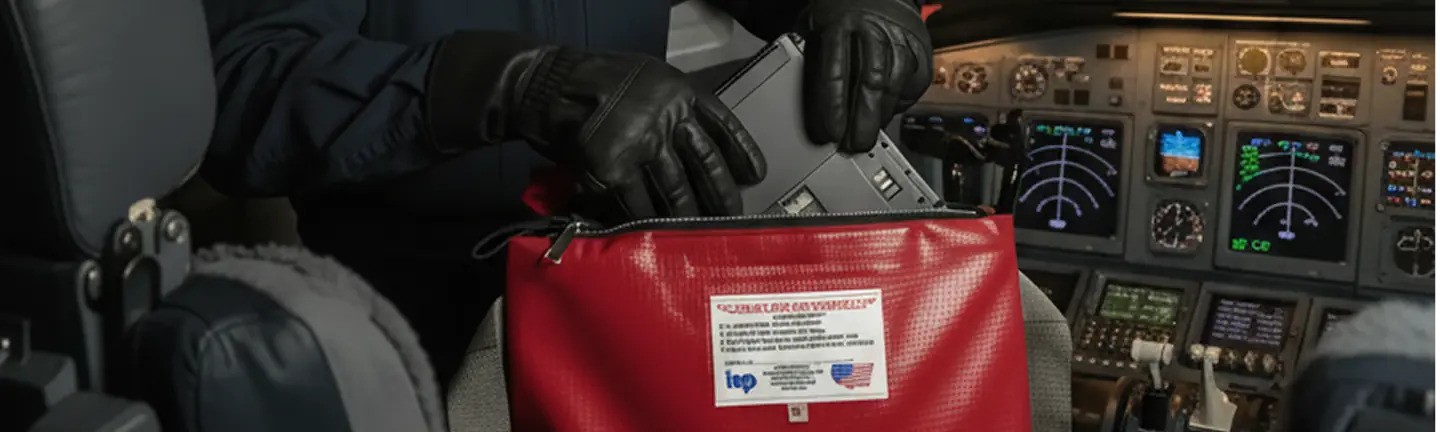
Lithium-ion battery fires, often resulting from thermal runaway in personal electronic devices, pose significant risks in aviation due to their high temperatures, toxic smoke, and potential for explosions. Fire containment bags are essential safety tools designed to swiftly isolate and suppress these fires, preventing them from spreading within the confined spaces of an aircraft cabin.
HOT-STOP® 'L' fire containment bags are specifically engineered for aviation applications, offering a reliable solution for managing lithium-ion battery fires. Constructed with multiple layers of fire-resistant materials, including a felt inner core with a melting point of 3,200°F (1,760°C), these bags can withstand extreme temperatures and prevent the escape of smoke and flames. They are available in various sizes to accommodate different devices, such as smartphones, tablets, laptops, and portable ELTs.
Aircraft Life Rafts
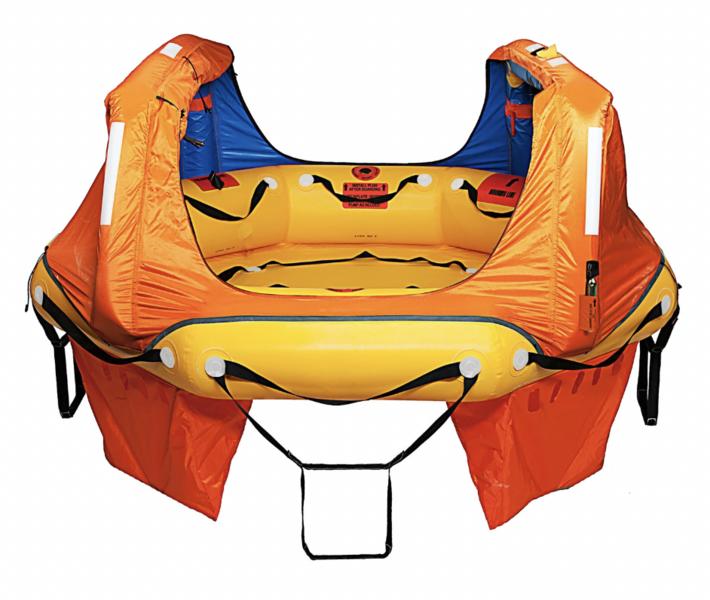
In addition to life vests, life rafts are strongly recommended for flights that traverse large bodies of water, especially those operating under Part 135 or in remote regions. In the event of a water landing, life rafts provide a safe, stable platform for passengers and crew, protecting them from hypothermia, exposure, and drowning during extended overwater operations when immediate rescue may not be possible.
Switlik offers a comprehensive range of FAA-approved aviation life rafts tailored to various needs. Its Offshore Passage Rafts (OPR) are designed for long-range overwater flights and are TSO-C70a Type II certified. These rafts feature a convertible canopy system that provides protection from the elements and a Toroidal Stability Device (TSD) for enhanced stability in rough seas.
For shorter coastal flights, Switlik’s Coastal Passage Rafts (CPRs) offer a lightweight, compact solution without compromising safety. Both raft types feature air-charged inflation with a visible pressure gauge, multiple boarding ladders, and heat-sealed construction for durability. Their design ensures rapid deployment and reliable performance in emergency situations, making them a trusted choice for aviation professionals.
Passenger Guidance Systems

Passenger guidance systems ensure the safe and orderly movement of travelers during boarding, disembarking, and emergency situations. By establishing clear visual boundaries and designated pathways, these systems help prevent confusion, reduce the risk of accidents on the tarmac, and enhance the overall passenger experience. Effective guidance systems are particularly crucial in managing high passenger volumes and maintaining efficient ground operations.
Safe Solutions Global offers innovative passenger guidance systems designed to meet the demanding needs of modern airports. Its SafePass system features a dual-rope design that creates clear passageways, minimizing passenger confusion and enhancing safety. The unique reel mechanism allows for easy deployment and retraction by a single operator, facilitating quick adjustments as needed. Additionally, the high-visibility ropes are embedded wth reflective strands to ensure visibility in various lighting conditions.
What Are the Key Factors to Consider When Selecting Aviation Safety Equipment?
Choosing the right aviation safety equipment goes beyond checking off a list of required gear. The right decision should take into account your operational environment, aircraft type, and specific use cases.
1. Compliance with FAA Regulations
First and foremost, ensure all equipment is FAA-approved or meets relevant TSO (Technical Standard Order) standards. Compliance not only avoids regulatory penalties but also guarantees that the equipment has passed rigorous testing.
2. Aircraft Compatibility
Not all safety equipment fits every aircraft. Choose gear designed specifically for your aircraft’s layout and operational requirements – whether you're flying a jet, turboprop, or rotorcraft.
3. Environmental Considerations
If your operations involve extreme climates, overwater routes, or remote locations, you’ll need gear designed to withstand those conditions. For example, marine environments require corrosion-resistant materials and watertight storage.
4. Ease of Access and Use
In an emergency, seconds count. Select safety gear that is intuitive to deploy, properly labeled, and within easy reach of both crew and passengers.
5. Maintenance and Replacement Cycles
Safety equipment must be regularly inspected and maintained. Choose products with clear service intervals and accessible replacement parts to reduce downtime and ensure continued compliance.
6. Storage and Weight
Especially in smaller aircraft, space and weight are premium considerations. Opt for compact, lightweight designs that meet safety standards without impeding cabin space or aircraft performance.
7. Vendor Reliability and Support
Always buy from trusted suppliers that understand aviation regulations and can provide ongoing support. At Pilot John International® (PJi®), our aviation specialists can help you match the right safety solutions to your specific operational needs.
Where Can I Find High-Quality Aviation Safety Equipment?

When it comes to sourcing aviation safety equipment, trust matters. PJi is your go-to resource for premium-quality gear from the industry's most respected names. We carry FAA-compliant safety equipment from top manufacturers, including HOT-STOP® 'L' fire containment bags, H3R Aviation fire extinguishers, Switlik life vests and life rafts, Safe Solutions Global's passenger guidance systems, and Kannad portable ELTs.
Whether you're looking for gear for a single aircraft or an entire fleet, our team is ready to help you select the best equipment for your operations. We provide fast access to essential safety solutions, along with expert guidance and responsive customer service.
The Bottom Line
Selecting the right aviation safety equipment is more than a regulatory requirement – it’s a proactive measure to safeguard lives, enhance operational efficiency, and mitigate potential risks. Each component, from fire containment bags to emergency locator transmitters, plays a pivotal role in ensuring that both routine flights and unforeseen emergencies are managed with the highest safety standards.
At PJi, we are committed to providing top-tier aviation safety solutions tailored to your specific needs. Our team of experienced aviation specialists is ready to assist you in choosing the right equipment for your operations. Contact us today by phone, email, or live chat to explore our comprehensive range of aircraft safety products and receive expert guidance to keep your aircraft and passengers secure.