
Turbine Oil Neurotoxicity and Its Impacts on Aircraft Maintenance Personnel
Key Takeaways
- Turbine engine oils contain chemical additives – most notably PAN and TCP – that provide critical performance benefits including anti-wear protection and oxidation resistance, but can pose serious health risks if maintenance personnel are exposed without proper precautions.
PAN (N-Phenyl-1-naphthylamine) is linked to skin irritation, respiratory sensitization, and – with chronic exposure – neurological symptoms and organ damage. - TCP (tricresyl phosphate) is the more acutely dangerous of the two additives, with extensive exposure directly associated with neurotoxic effects that can cause lasting damage to the nervous system, including links to Parkinson's disease.
- Symptoms of turbine oil neurotoxicity range from headaches, dizziness, and nausea to severe neurological disorders and can meaningfully impair a technician's ability to perform their duties safely.
- Effective risk mitigation requires a multi-layered approach: consistent use of PPE (butyl gloves, respiratory protection, safety goggles), adequate facility ventilation, comprehensive training, regular air quality monitoring, and full compliance with OSHA, EPA, and aviation authority standards.
Turbine oils are specially formulated to withstand the high temperatures and pressures inside aircraft engines, providing superior lubrication, heat dissipation, corrosion protection, oxidation resistance, and enhanced overall performance.
However, many turbine engine oils contain chemical additives that, if not handled properly, can pose significant health risks. Some of these additives – including PAN and TCP – have been linked to neurological and respiratory issues, as well as other long-term health problems.
In this article, we'll explore turbine oil neurotoxicity, its potential impact on the health of aircraft maintenance personnel, and measures to mitigate risks and support a safe working environment.
What Is Turbine Oil Neurotoxicity?
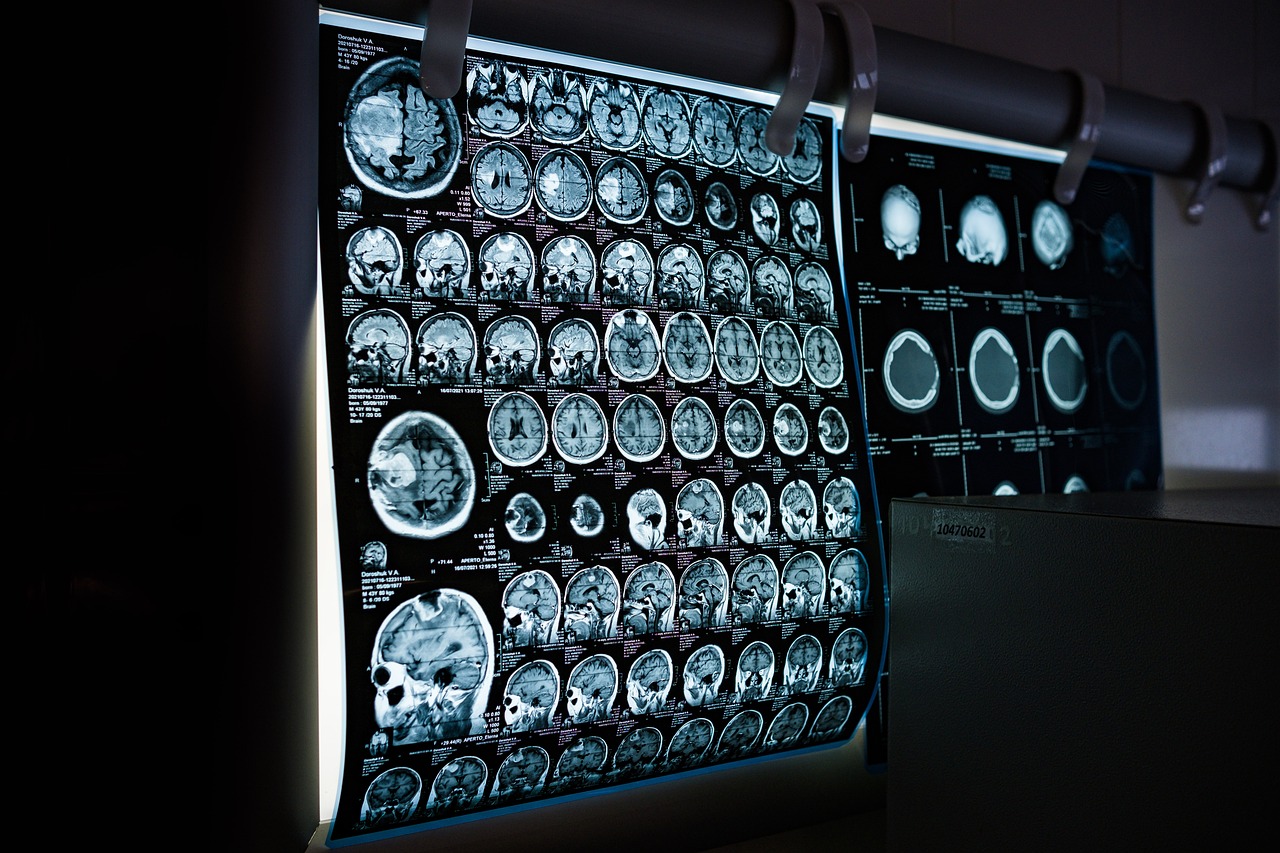
Neurotoxicity refers to the ability of a substance to damage or disrupt the functions of the nervous system, particularly the brain and nerves. In the case of turbine engine oils, neurotoxicity can result from exposure to certain additives used for their anti-wear and anti-corrosion properties.
When aircraft maintenance personnel come into contact with turbine oils – through skin exposure, inhalation of fumes, or accidental ingestion – these neurotoxic substances can enter the body and affect the nervous system. Symptoms range from mild cognitive impairments to severe neurological disorders, depending on the extent and duration of exposure.
What Is PAN?
N-Phenyl-1-naphthylamine (PAN) is a chemical compound widely used as an additive in turbine engine oils. As an antioxidant, it prevents oxidative degradation that can compromise oil quality and promote corrosion of engine components, extending the service life of turbine oils and maintaining consistent engine performance. As an anti-wear additive, PAN forms a protective film on metal surfaces, reducing friction between bearings, gears, and pistons and improving engine efficiency and reliability under high-temperature, high-pressure operating conditions.
Despite these functional benefits, PAN poses real health risks. Direct contact can cause skin irritation, including redness, itching, and dermatitis, and inhalation of PAN fumes or dust may irritate the respiratory tract and trigger sensitization in some individuals. Chronic exposure to elevated concentrations of PAN has been associated with respiratory disturbances, neurological symptoms, and organ damage.

What Is TCP?
Tricresyl phosphate (TCP) is an organophosphate compound added to turbine engine oils as an anti-wear agent, functioning similarly to PAN in reducing friction and wear between engine components. Its flame-retardant properties make it particularly well-suited for aviation applications, and it also inhibits rust and corrosion in components operating in harsh environments.
TCP poses significant health and environmental concerns, however. Direct skin contact or inhalation of TCP vapor can cause irritation of the skin, eyes, and respiratory tract, and improper disposal or leakage of TCP-containing oils can contaminate soil and water. Most critically, TCP has been directly associated with neurotoxic effects – extensive exposure can harm the nervous system in ways that may have lasting consequences for affected individuals.
The Impacts of Turbine Oil Neurotoxicity
Prolonged or repeated exposure to neurotoxic turbine oil additives can produce symptoms including headaches, dizziness, nausea, respiratory issues, and neurological disorders. These symptoms can significantly affect aviation maintenance technicians' ability to perform their duties safely and effectively.
Long-term consequences are also a serious concern. Chronic exposure has been linked to more severe neurological conditions, including Parkinson's disease – underscoring the importance of rigorous safety protocols and preventative measures in every aircraft maintenance environment.
Ensuring the Safety of Aircraft Maintenance Personnel
The following safety measures and best practices help protect aircraft maintenance personnel from the risks of turbine oil neurotoxicity:
- Personal Protective Equipment (PPE) – Ensure maintenance technicians consistently wear appropriate PPE – including butyl gloves, respiratory masks, safety goggles, and protective clothing – to minimize direct contact with turbine engine oils and their additives.
- Ventilation Systems – Maintain well-functioning ventilation in hangars and maintenance facilities to reduce airborne concentrations of turbine oil fumes and vapors, lowering the risk of inhalation exposure.
- Training and Education – Provide comprehensive training that covers safe handling procedures, emergency response protocols, and the specific health hazards associated with neurotoxic turbine oil additives.
- Monitoring and Testing – Conduct regular air quality monitoring, inspect for potential leaks or spills, and schedule periodic medical examinations to detect early signs of neurotoxicity – enabling timely intervention before conditions progress.
- Regulatory Compliance – Adhere to all applicable standards and guidelines, including those established by OSHA, the EPA, and international aviation authorities, as the foundational framework for managing turbine oil neurotoxicity risks.

The Bottom Line
Preserving the safety of aircraft and the people who maintain them is a foundational priority in the aviation industry. Turbine oil neurotoxicity is a genuine and serious concern – one that demands proactive attention at every maintenance facility.
By understanding the neurotoxic risks associated with turbine engine oils, implementing robust safety protocols, providing adequate training, conducting regular monitoring, and maintaining regulatory compliance, aircraft maintenance organizations can create meaningfully safer working environments and protect the long-term health and well-being of their personnel.