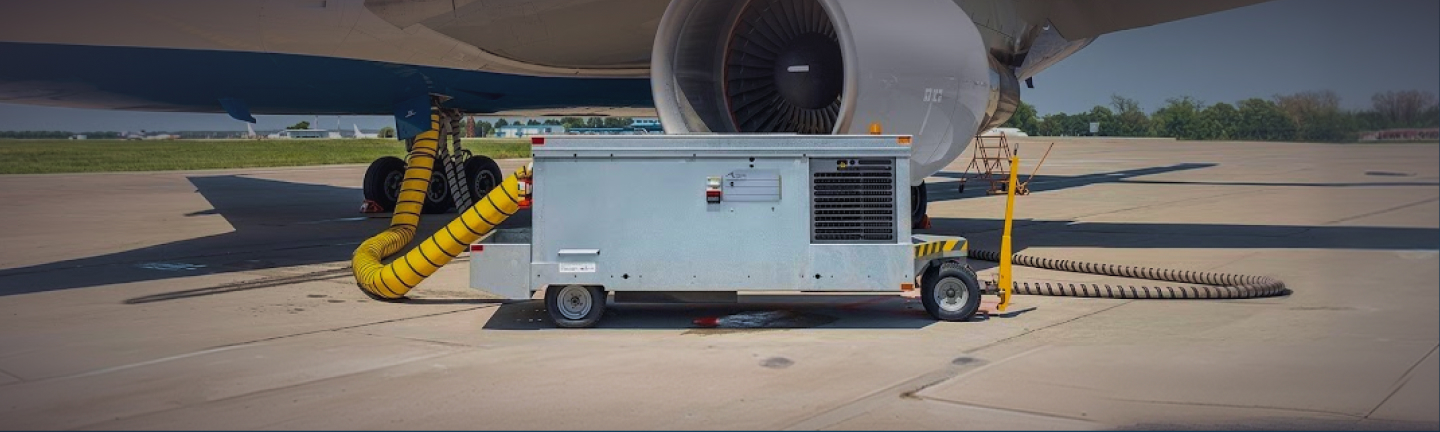





What Is the Smart Ass Fuel Mule?
Key Takeaways
- The Smart Ass Fuel Mule is a motorized, 50-gallon portable fuel caddy powered by a 750W brushless IP65 drive motor and a 15 GPM electric pump – designed for one-person operation without manual pumping or heavy lifting.
- The Aviation Edition is compatible with Jet-A, 100LL avgas, gasoline, diesel (and biodiesel up to B20), and kerosene – making it suitable for a wide range of general aviation, private hangar, and maintenance facility refueling applications.
- Four 10" wheels, a 1" live axle, hydraulic disc brakes with a parking brake, and DOT approval give the Fuel Mule all-terrain capability on pavement, gravel, grass, and up to a 22° ramp – even with a full load.
- At a 15 GPM flow rate, a typical small general aviation aircraft can be refueled in under 15 minutes – significantly faster than hand-pumped or gravity-fed caddies, with an emergency stop switch on the steering arm that immediately cuts power to the drivetrain and fuel pump.
- A fully loaded Fuel Mule carrying Jet-A (approximately 6.7 lbs/gallon) weighs roughly 335 lbs in fuel alone; with avgas (approximately 6 lbs/gallon), approximately 300 lbs – making the motorized drivetrain essential for safe transport across airfields and ramps.
When it comes to refueling small aircraft, there’s a clear need for equipment that’s efficient, user-friendly, and rugged enough to handle real-world conditions. The Smart Ass Fuel Mule is precisely that – a motorized, portable gas caddy with pump that simplifies mobile refueling operations for general aviation aircraft. Developed by Smart Ass Products, this electric gas caddy takes the hassle out of transporting and dispensing fuel in remote or off-grid environments.
Mobile fueling plays a vital role in aviation maintenance, especially at airstrips and airparks where traditional refuelers or an airplane fuel truck may not be practical. Whether you're topping off your aircraft at a fly-in community or transporting avgas to a private hangar, having a reliable and mobile fuel caddy can make all the difference. The Smart Ass Fuel Mule transforms aircraft refueling from a strenuous chore into a quick and manageable task.
Built with aviation-grade components and powered by an onboard electric drivetrain, the Smart Ass Fuel Mule gives aircraft operators, maintenance crews, and private pilots a smarter, safer, and more efficient way to refuel. With its versatile design and robust capabilities, this aviation refueler is changing how fuel is transported on and off the ramp.

What Fuels Can Be Transported Using the Smart Ass Fuel Mule?
The Smart Ass Fuel Mule is compatible with a wide range of fuel types, making it a versatile asset for many refueling needs. It’s engineered to safely transport and dispense jet fuel, avgas (aviation gasoline), gasoline, diesel, biodiesel (up to B20), and kerosene. That makes it suitable for fueling everything from general aviation aircraft to race cars, boats, and generators.
The Fuel Mule Aviation Edition is especially valuable because it accommodates both Jet A and 100LL avgas – two of the most commonly used aircraft fuels. The ability to refuel multiple aircraft types using a single fuel caddy reduces downtime and eliminates the need for multiple containers or tools, enhancing operational flexibility across general aviation, private hangars, and maintenance facilities.
How Much Fuel Does the Fuel Mule Carry?
The Smart Ass Fuel Mule has a 50-gallon capacity, striking an ideal balance between mobility and utility. This generous fuel volume makes it perfect for flight lines, airparks, and rural airstrips where mobile refueling is essential. The tank’s size reduces the number of trips needed to refuel multiple aircraft, saving valuable time and labor.
The original Fuel Mule was designed with versatility in mind – often used for marine applications or fueling racing vehicles – but the Aviation Edition takes it further by incorporating features optimized for aircraft. This includes aviation-safe fittings, a high-flow electric pump, and rugged, off-road-ready construction for navigating airfields and hangars.
What Sets the Fuel Mule Apart from Other Gas Caddies?

Unlike many traditional gas caddies that rely on manual pumps or gravity-fed systems, the Smart Ass Fuel Mule is electric-powered, featuring a 750W brushless IP65 drive motor and a 15 GPM electric pump. This means users can refuel without breaking a sweat – no more hand-cranking or wrestling bulky tanks up ramps. With just a thumb throttle and intuitive controls, you can easily move and operate this portable fuel caddy.
Another standout feature is its off-road capability. Four 10" wheels, a 1" live axle, and disc brakes with a parking brake make it easy to maneuver even when fully loaded – whether you're on pavement, gravel, grass, or up a 22° ramp. The Fuel Mule is DOT-approved, compact, and designed for one-person operation, making it perfect for pilots, aircraft mechanics, and maintenance techs in remote or non-commercial environments.
Its aviation-grade fittings and robust aluminum tank also set it apart from the competition. You can securely lock the fill cap, recharge the onboard batteries after multiple uses, and rely on the durable design to withstand years of refueling work.
Is the Smart Ass Fuel Mule Easy to Operate?
Absolutely! From the start, Smart Ass Products designed the Fuel Mule with ease of use in mind. Whether you're a seasoned aviation maintenance technician or a weekend pilot, this fuel caddy with pump is engineered to make the process simple and stress-free. The thumb throttle controls the motor, while the hand-operated hydraulic disc brakes offer precise stopping power, even on ramps or rough terrain.

Switching between transport and refueling modes is effortless thanks to the built-in two-way fill cap, auto-stop fuel nozzle, and smart power controls. Even when carrying a full 50-gallon load, the Fuel Mule handles like a dream, gliding over uneven surfaces with minimal effort from the user. An emergency stop switch is mounted on the steering arm for immediate access, cutting all power to the system – including the drivetrain and fuel pump – in the event of a hazardous situation. The Fuel Mule was purpose-built for safety and control in real-world environments, including hangars, airstrips, and dockside locations.
How Long Does It Take to Fuel a Plane?
The time required to refuel an aircraft varies widely depending on aircraft type, fuel quantity, and equipment used. Small general aviation aircraft, such as the Cessna 172, typically require 30 to 50 gallons and can be refueled in less than 15 minutes. Larger aircraft or regional jets may take significantly longer, especially if using slower systems or manual tools.
With its 15 GPM flow rate, the Smart Ass Fuel Mule enables rapid fuel delivery, minimizing turnaround time. Compared to traditional hand-pumped or gravity-fed caddies, this unit offers faster, more consistent fueling, making it perfect for tight schedules or quick turnarounds at fly-ins, maintenance stops, and small airports.
How Much Does a Gallon of Jet Fuel Weigh?
A gallon of Jet-A or Jet-A1 jet fuel weighs approximately 6.7 lbs (3.04 kg) at a standard temperature of 60°F (15.6°C). However, this weight can fluctuate slightly based on temperature and altitude, as fuel expands when warm and contracts when cold.

For aircraft operators and refuelers, knowing the exact fuel weight is critical when calculating weight and balance. A full 50-gallon tank of jet fuel in the Smart Ass Fuel Mule would weigh approximately 335 lbs (152 kg), excluding the tank itself, so proper handling and maneuverability features are essential for safety and efficiency.
How Much Does Avgas Weigh?
Avgas typically weighs about 6 lbs (2.72 kg) per gallon at 59°F (15°C), though it can vary slightly by fuel grade and temperature. The most common type, 100LL, is lighter than Jet-A and is used in piston-engine aircraft.
Understanding what avgas is and how it differs from jet fuel can help operators choose the correct fuel for their aircraft. A fully loaded Fuel Mule carrying avgas would weigh approximately 300 lbs (136 kg) in fuel alone, making the unit's motorized design a critical feature for safe transport and refueling.
See the Smart Ass Fuel Mule in Action
Watch how the Smart Ass Fuel Mule simplifies aircraft refueling with its motorized design, 50-gallon fuel capacity, and all-terrain mobility in this quick demo.
The Bottom Line
The Smart Ass Fuel Mule is a game-changer in the world of portable gas caddies and aircraft fuel caddies. Whether you're refueling at a private strip, transporting fuel across a rugged airfield, or supporting weekend maintenance tasks, this electric-powered, off-road-capable 50-gallon gas caddy with pump gets the job done efficiently, safely, and with virtually no manual effort. It's the smarter, stronger, and safer way to refuel your aircraft without relying on full-scale airplane fuel trucks or manual labor.
At Pilot John International® (PJi®), we’re proud to offer the Smart Ass Fuel Mule and the Smart Ass Fuel Mule Aviation Edition, helping pilots, flight schools, and FBOs tackle their aircraft refueling needs with confidence. If you have questions or need help choosing the right unit for your operations, our aviation specialists are ready to assist you. Contact us by phone, email, or chat today to get started with the most advanced fuel caddy with pump on the market.