Aircraft Cabin Pressurization Test Units: What You Need to Know
Key Takeaways
- Cabin pressurization keeps aircraft interiors at a safe, breathable pressure equivalent to roughly 6,000 to 8,000 feet of altitude – even when cruising at 35,000 feet – protecting passengers and crew from hypoxia and other altitude-related health risks.
- Proper pressurization matters beyond passenger comfort: fuselages, doors, windows, and seals must withstand repeated pressurization cycles, and failures in any of these components can have serious consequences for structural integrity.
- Cabin pressurization testing is a multi-step process – covering altitude and pressure simulation, leak detection, deformation measurement, valve checks, and data logging – that confirms both system performance and regulatory compliance.
- These test units serve the full aviation industry, from manufacturers evaluating new aircraft during development to MROs and airlines performing scheduled maintenance, post-repair inspections, and post-modification checks.
- Tronair produces a trusted, comprehensive line of cabin pressurization test units, and PJi is an authorized source for the full Tronair lineup – along with the expertise to help operators select the right unit for their needs.
Ensuring that an aircraft maintains a safe, stable environment at altitude is one of the most critical aspects of modern aviation. Without effective cabin pressurization, passengers and crew would be exposed to the low-pressure environment at high altitudes, posing serious health and safety risks. That's why pressurization testing is a non-negotiable part of aviation maintenance and regulatory compliance.
Cabin pressurization test units are the specialized ground support equipment (GSE) used to verify that these systems perform as intended. By simulating altitude conditions, detecting leaks, and monitoring structural responses, these units provide essential data that helps operators protect aircraft integrity and passenger safety. Their role spans manufacturers testing new aircraft, MROs performing scheduled checks, and airlines ensuring reliability in daily operations.
In this article, we’ll explore what cabin pressurization is, why it matters, how pressurization testing is performed, and where you can find high-quality test equipment trusted across the aviation industry.
What Is Cabin Pressurization?
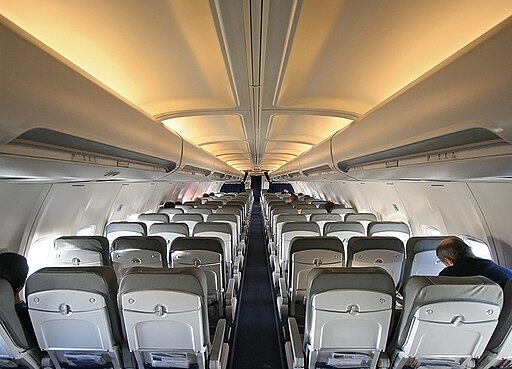
Cabin pressurization is the process of artificially controlling the internal pressure of an aircraft cabin to mimic conditions at a much lower altitude. While an aircraft may be cruising at 35,000 feet, pressurization systems keep the cabin environment closer to what passengers would experience at 6,000 to 8,000 feet. This balance ensures both comfort and safety, preventing harmful physiological effects.
The system works by regulating the flow of compressed air, usually bled from the engines or supplied by a separate source, into the cabin. Outflow valves adjust automatically to maintain the correct differential pressure between the inside and outside of the aircraft. This careful control creates a consistent, breathable atmosphere even as the plane ascends, cruises, and descends.
For passengers and crew, cabin pressurization goes unnoticed most of the time – but behind the scenes, it’s a sophisticated system that requires ongoing monitoring and testing. Cabin pressurization test units ensure that this system remains reliable and compliant with strict aviation standards.
Why Is It Important to Control Aircraft Cabin Pressure?
Maintaining the correct cabin pressure is not just about comfort – it’s a fundamental requirement for safe flight operations. From protecting passengers’ health to preserving the aircraft’s structural integrity, pressurization affects nearly every aspect of the flying experience.
Passenger Safety
When cabin pressure drops too low, oxygen availability decreases, leading to hypoxia or, at higher altitudes, even decompression sickness. Properly functioning pressurization systems prevent these risks by maintaining an environment similar to lower altitudes, ensuring passengers and crew remain safe and alert throughout the flight.
Structural Integrity
Aircraft fuselages, doors, and windows must withstand repeated cycles of pressurization and depressurization. If pressure is not properly controlled, these structures can deform, leading to leaks or, in severe cases, structural failures. Regular pressurization testing confirms that seals, joints, and other components remain resilient under stress.
System Performance
Pressurization systems are complex networks of valves, ducts, and sensors that must work in perfect synchronization. If any element underperforms, airflow can become unbalanced, or safety valves may fail to engage. Testing ensures that these systems respond correctly to simulated flight conditions, reducing the risk of in-flight malfunctions.
How Is Cabin Pressurization Testing Performed?

Testing aircraft cabin pressurization involves replicating flight conditions and carefully monitoring system performance. A cabin pressurization test unit is at the heart of this process.
1. Pressure and Altitude Simulation
The test unit supplies controlled air to the aircraft cabin, simulating the pressure changes of ascent, cruise, and descent. This verifies that the cabin can achieve and maintain the required pressure levels.
2. Leak Detection
Technicians apply soapy water around doors, windows, and seals to identify leaks. Even small air leaks can compromise system efficiency and safety, so early detection is critical.
3. Deformation Measurement
Using advanced tools like photogrammetry, inspectors measure how structures respond to pressurization. This step ensures that components can withstand pressure cycles without warping or failure.
4. Valve and System Checks
Differential pressure valves, safety relief valves, and outflow valves are tested to confirm proper operation. Malfunctioning valves can lead to dangerous overpressurization or underpressurization.
5. Data Logging
Modern test units record airflow, velocity, temperature, and pressure data. These records provide technicians with precise performance insights and help operators document compliance.
6. Performed by Specialists
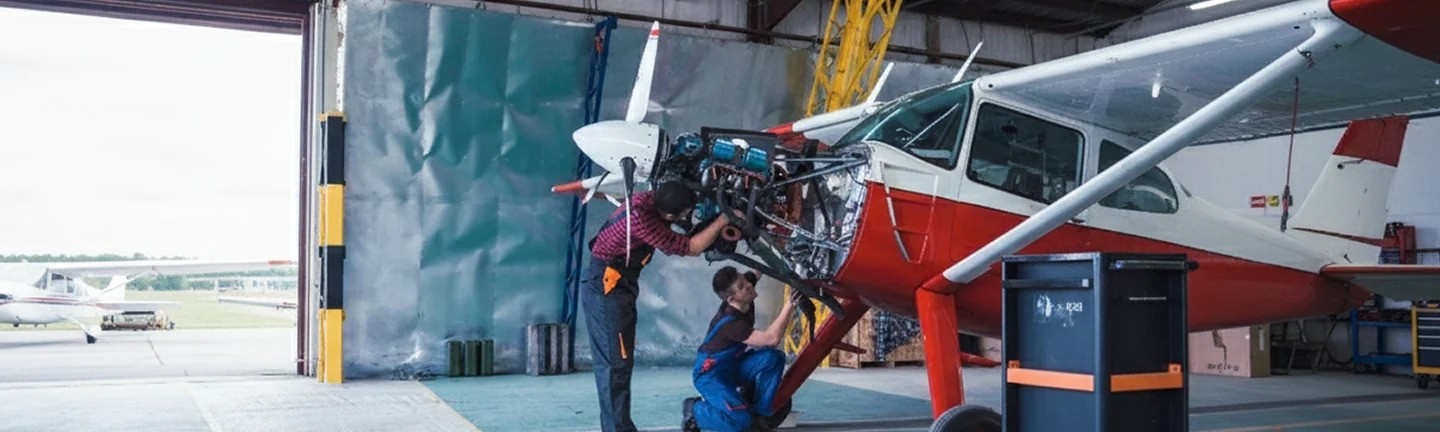
Aircraft manufacturers conduct tests during development, while MROs and airlines perform them for scheduled maintenance, post-repair inspections, or after modifications to pressurization systems.
Where Can I Find High-Quality Cabin Pressurization Test Equipment?
For operators, MROs, and manufacturers, choosing the right cabin pressurization test unit is crucial. Tronair, a global leader in ground support equipment, produces a comprehensive line of cabin pressurization testers designed to meet the diverse needs of aviation professionals. Known for durability, accuracy, and user-friendly design, Tronair’s test units help ensure reliable performance in even the most demanding MRO and flight-line environments.
Pilot John International® (PJi®) is your authorized source for Tronair's complete line of cabin pressurization test units and compatible CPU adapters. With decades of experience supporting aviation operations worldwide, PJi provides not only the equipment but also the expertise to help you select the right unit for your fleet. Whether you operate business jets, commercial airlines, or military aircraft, PJi ensures you have access to test equipment that meets the highest safety and compliance standards.

The Bottom Line
Cabin pressurization is one of the most critical aspects of aviation safety and passenger comfort, and testing systems regularly is essential to maintaining both. By simulating real-world flight conditions and identifying potential weaknesses, cabin pressurization test units provide operators with confidence that their aircraft are ready for safe operation at any altitude.
If you’re ready to enhance your maintenance capabilities with reliable cabin pressurization testing solutions, reach out to PJi’s aviation specialists today by phone, email, or live chat. Our team is here to help you find the right test unit to keep your fleet safe, compliant, and flight-ready.