




Essential Equipment for Aircraft Wheel and Brake Maintenance
Key Takeaways
- Aircraft wheel and brake systems operate under extreme stress during every takeoff, landing, and taxi cycle – making regular inspection and preventative maintenance essential for safe braking performance and long component service life.
- As a general guideline, aircraft wheels and brakes should be inspected every 100 flight hours or once per month – with more frequent checks required for aircraft operating in demanding environments such as short-runway airports or extreme weather conditions.
- Key warning signs that brakes need attention include reduced stopping performance, abnormal squealing or grinding noises, visible scoring or cracks on brake discs, and hydraulic fluid leaks or contamination.
- Wheel and brake dollies, tire bead breakers, inflation cages, anti-skid test units, brake service units, and strut servicing tools each address specific tasks in the wheel and brake maintenance workflow – and using purpose-built tools for each job reduces the risk of component damage and technician injury.
- Tire inflation cages are a critical safety device often overlooked – aircraft tires are inflated to extremely high pressures, and an inflation cage contains the assembly in the event of a blowout during servicing, protecting technicians from serious injury.
- Pilot John International carries a comprehensive selection of wheel and brake shop equipment from Tronair, KUNZ, Alberth Aviation, Malabar, and Bogert, as well as aircraft tires, wheels, brakes, and landing gear components from Goodyear, Michelin, Beringer Aero, Meggitt, and Marsh Brothers Aviation.
Maintaining aircraft wheel and brake systems is crucial to ensuring the aircraft's overall safety and efficiency. Proper maintenance not only ensures reliable performance but also helps minimize the risk of in-flight issues, especially during key phases such as takeoff, landing, and taxiing.
From daily operational checks to more in-depth overhauls, the right tools and equipment are vital for keeping these systems functioning at their best. In this article, we’ll explore the key tools and equipment needed for aircraft wheel and brake maintenance, why regular maintenance is essential, and how investing in the right equipment from Pilot John International® (PJi®) can improve the overall effectiveness of your maintenance operations.
Why Is Regular Wheel and Brake Maintenance Essential for Aircraft?
Regular wheel and brake maintenance ensures these critical systems are operating efficiently and safely. Aircraft brakes are under constant stress and extreme conditions during flight, especially during takeoff and landing. If left unchecked, brake pads, rotors, and other key components can wear down over time, leading to reduced braking performance. Proper maintenance ensures these components operate at peak performance, helping prevent potential brake failures that could jeopardize aircraft safety.
Routine wheel and brake maintenance also enhances the lifespan of aircraft tires and braking components. By regularly inspecting and servicing the aircraft’s wheel and brake systems, technicians can identify potential issues before they escalate into costly or dangerous failures. Additionally, preventative maintenance helps ensure that the aircraft meets regulatory safety standards and operational guidelines, reducing the risk of downtime and costly repairs.

How Often Should Aircraft Wheels and Brakes Be Inspected?
The frequency of wheel and brake inspections depends on several factors, including the aircraft type, usage, and operational environment. As a general guideline, aircraft wheels and brakes should be inspected every 100 hours of flight time or once every month, whichever comes first. However, aircraft operating in more demanding environments, such as airports with short runways or those exposed to extreme weather conditions, may require more frequent inspections.
Aside from scheduled inspections, it’s important to perform visual checks before and after each flight. These pre-flight and post-flight checks are essential for spotting visible wear and tear on tires, brake pads, and other components. More thorough inspections should be carried out during routine maintenance cycles, when components are disassembled, cleaned, and tested for wear.
What Are Common Signs That Aircraft Brakes Need Maintenance?
Several signs indicate that aircraft brakes may require maintenance or servicing. One of the most common indicators is reduced braking performance, in which the aircraft takes longer to stop or exhibits uneven braking. This could be due to worn-out brake pads, fluid leaks, or air in the brake lines. Another sign to look out for is abnormal noises, such as squealing or grinding, which could indicate excessive wear on the brake pads or rotors.
Visible damage, such as cracks or scoring on the brake discs, is another key sign that the brakes need attention. Leaking or contaminated hydraulic fluid is also a concern, as it can compromise the brake system's efficiency. If any of these issues arise, it's essential to have the braking system inspected and repaired promptly to maintain safe operational conditions. Using high-quality replacement parts from a reputable manufacturer like Meggitt ensures your aircraft braking system is restored to peak performance, reliability, and safety.
What Tools Are Needed for Aircraft Wheel and Brake Maintenance?
Proper wheel and brake maintenance requires a range of specialized tools and equipment to ensure the job is done efficiently and safely. Below are some of the essential tools needed for aircraft wheel and brake maintenance:
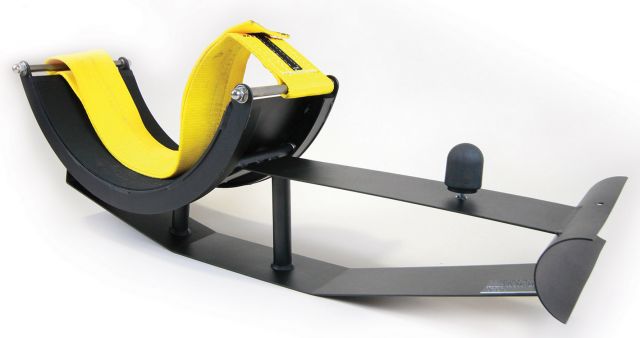
Wheel and Brake Dollies
Wheel and brake dollies are used to transport heavy wheel and brake assemblies in a safe, controlled manner. They allow easy movement of components within a hangar or maintenance facility, reducing the risk of injury and minimizing component damage. PJi offers a variety of wheel and brake dollies, including popular models from trusted manufacturers like Alberth Aviation, Malabar, and Tronair.
Anti-Skid Test Units
Anti-skid test units are designed to test the anti-skid systems of an aircraft’s brake system. These tools help ensure that the brakes are functioning correctly, particularly during emergency or high-stress situations when skidding may occur. Using an anti-skid test unit allows technicians to verify the system’s performance and make any necessary adjustments to maintain optimal braking efficiency.
Wheel and Brake Assembly & Disassembly Tools
Properly assembling and disassembling aircraft wheels and brakes requires specialized tools to ensure safe handling and accurate alignment. PJi offers a wide selection of tools specifically designed for this purpose, including the latest innovations in wheel and brake assembly technology from KUNZ. These tools are vital for preventing damage during the removal or installation of brake components.
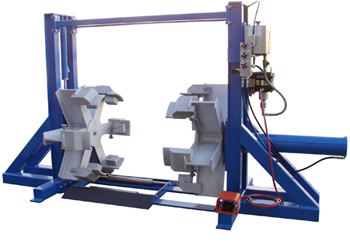
Tire Bead Breakers and Adapter Rings
Tire bead breakers are essential equipment for separating the tire from the wheel rim during tire changes. These tools apply controlled pressure to break the tire’s bead, allowing for safe removal and replacement.
Tire bead breaker adapter rings ensure a secure fit between the tool and the tire, facilitating easier, more efficient bead breaking. These tools are indispensable for maintaining tires and ensuring they are properly fitted to the wheel.
Brake Service Units
Brake service units service the aircraft’s brake system by applying the necessary hydraulic pressure. They are essential for tasks such as brake pressure testing, system flushing, and hydraulic fluid changes. PJi provides a range of brake service units capable of handling the various demands of aircraft brake systems, ensuring precise fluid delivery and pressure regulation during maintenance.
Strut Servicing Tools
Strut servicing tools are used to maintain the aircraft’s shock absorbers, or struts, which are integral to the braking system. These tools allow technicians to replace fluid, check for leaks, and adjust strut pressure, ensuring the aircraft’s suspension and braking systems operate efficiently. Strut servicing tools are a key component in routine landing gear maintenance.
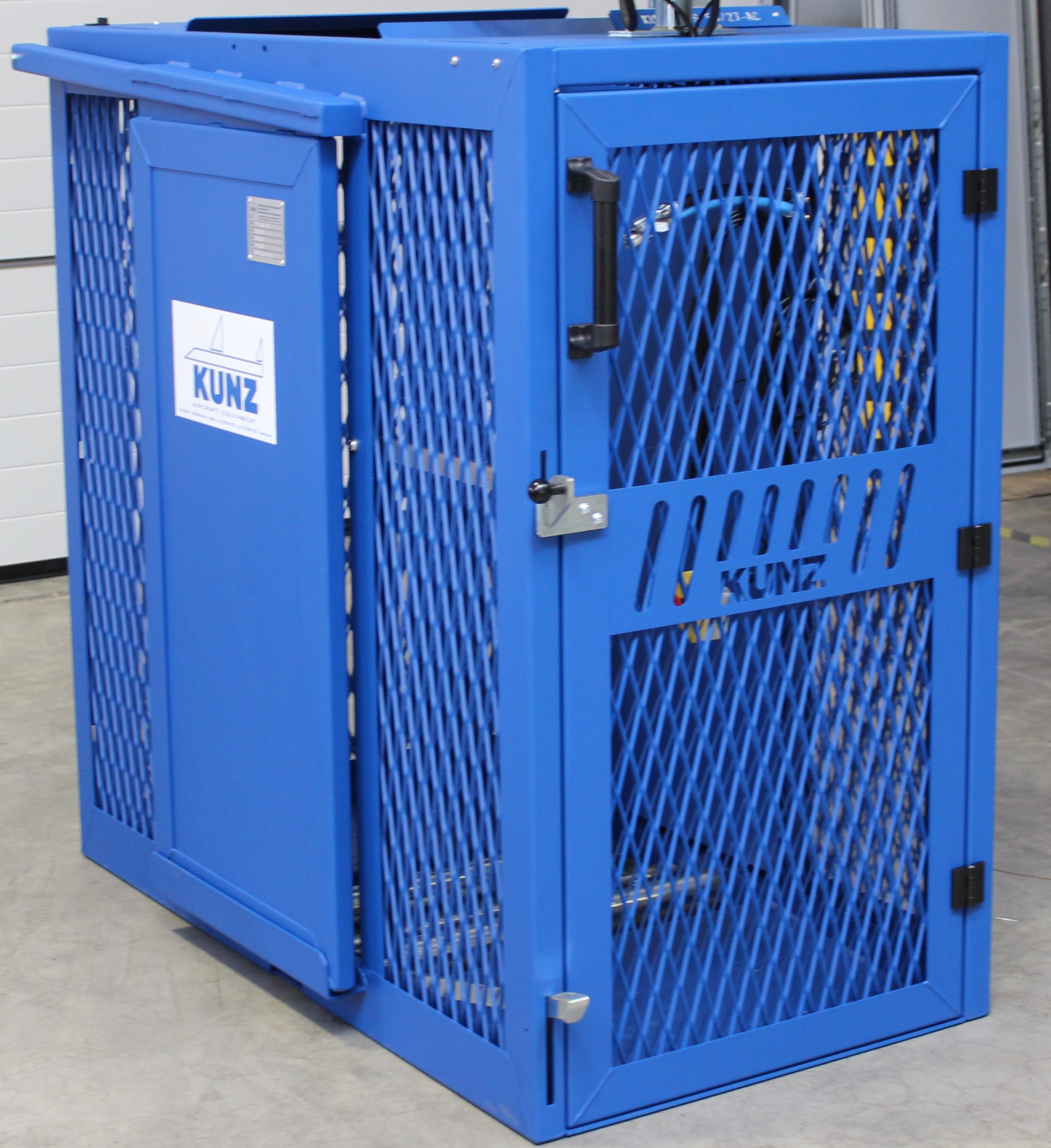
Tire Inflation Cages
Tire inflation cages are safety devices used to safely inflate aircraft tires, which are often subjected to extremely high pressures. These cages are designed to contain the tire in the event of an explosion during inflation, preventing injury or damage. PJi offers high-quality tire inflation cages from KUNZ and Alberth Aviation that comply with safety standards and are essential for safely servicing tires during maintenance.
Why Is It Important to Invest in High-Quality Aircraft Wheel and Brake Maintenance Equipment?
Investing in high-quality aircraft wheel and brake maintenance equipment is essential for maintaining optimal performance, reducing downtime, and ensuring the longevity of ground support operations. High-quality equipment minimizes the risk of accidents or equipment failures that can occur with subpar tools. It also guarantees that maintenance procedures are performed correctly, preventing unnecessary wear and tear on the aircraft and its components.
Additionally, investing in premium equipment extends the service life of the aircraft’s wheels and brakes. By using reliable tools that are engineered to withstand the demands of aviation maintenance, technicians can perform tasks more efficiently, minimizing operational delays and increasing aircraft availability. Reliable equipment helps maintain compliance with regulatory safety standards, ensuring that the aircraft meets the necessary requirements for safe operation.

The Bottom Line
Regular maintenance of aircraft wheels and brakes is crucial for ensuring aircraft safety, efficiency, and performance. Investing in the right tools and equipment is essential for performing top-notch maintenance that meets industry standards.
PJi offers an extensive selection of premium ground support equipment (GSE), including high-quality wheel and brake shop equipment from leading manufacturers such as Tronair, KUNZ, Alberth Aviation, Columbus Jack, Malabar, and Bogert.
We also offer a comprehensive selection of airplane tires from Goodyear and Michelin, as well as aircraft wheels, brakes, and landing gear components from top brands such as Beringer Aero, Meggitt, and Marsh Brothers Aviation.
Contact our aviation specialists by phone, email, or chat today for expert guidance in selecting the right wheel and brake shop equipment for your aircraft maintenance operations.