




Frequently Asked Questions About Hydraulic Power Units
Key Takeaways
- A hydraulic power unit (HPU) – also called a hydraulic mule – generates and supplies pressurized hydraulic fluid to aircraft systems, enabling technicians to operate landing gear, flight controls, brakes, and thrust reversers during ground maintenance without the aircraft being airborne.
- HPUs convert mechanical energy (from an electric motor or internal combustion engine) into hydraulic pressure, routing fluid through control valves to actuators and cylinders, then returning it to the reservoir to be filtered and cooled for reuse.
- Beyond testing aircraft hydraulic systems, HPUs are widely used to power ground support equipment – including aircraft jacks, lifts, tow tractors, and cargo handling equipment – when the aircraft's own hydraulic systems are inactive.
- Key selection factors include pressure and flow requirements, power supply compatibility, portability, reservoir capacity, fluid compatibility (e.g., MIL-PRF-5606 or MIL-PRF-83282), built-in safety features, and compliance with FAA and applicable industry standards.
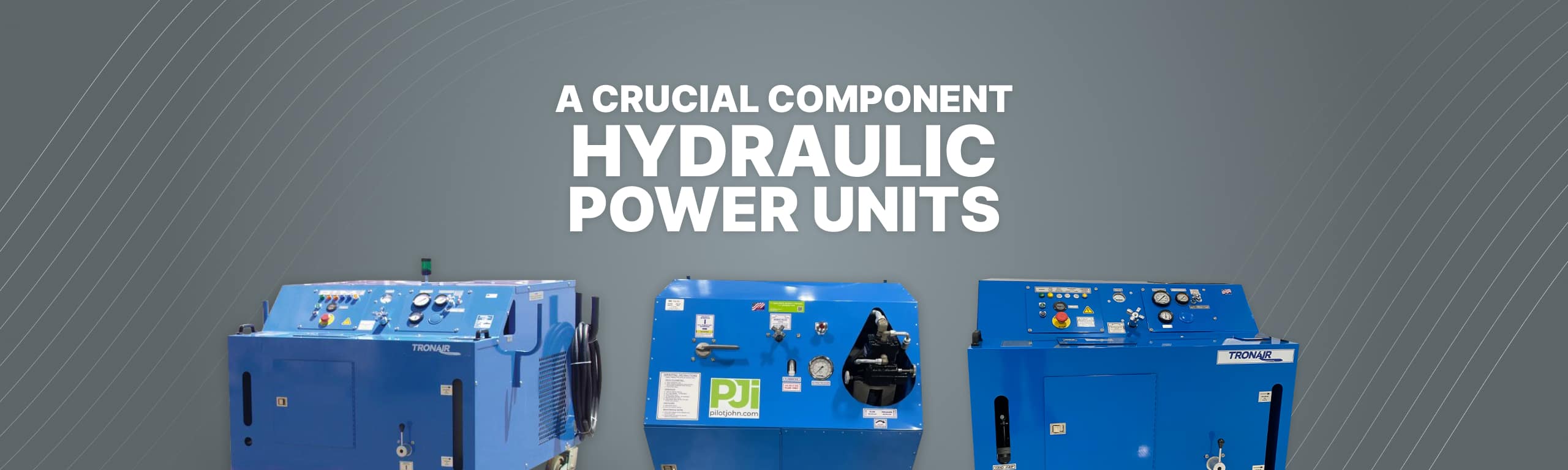
- PJi offers a wide selection of hydraulic power units from trusted manufacturers like Tronair, with aviation specialists available to help match the right unit to your maintenance operation.
Hydraulic power units (HPUs) are vital in aircraft maintenance, providing the necessary power to operate critical hydraulic systems. Understanding HPUs ensures efficient, safe operations during aircraft servicing.
In this article, we’ll address some of the most frequently asked questions about hydraulic power units, from how they work to selecting the right one for your aircraft maintenance needs. Whether you're an experienced technician or new to the field, this guide will help clarify the key aspects of HPUs and their role in powering aircraft systems.
What Is a Hydraulic Power Unit?
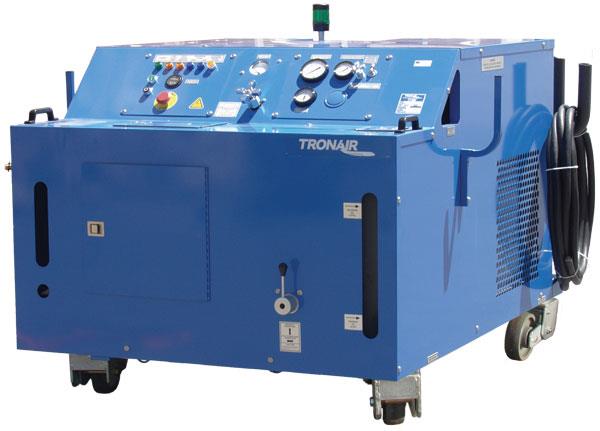
A hydraulic power unit, also called a hydraulic mule, is a system that generates and supplies hydraulic power to various aircraft components. It consists of a hydraulic pump powered by an electric motor or internal combustion engine, a reservoir to store hydraulic fluid, control valves to manage pressure and flow, and filters and coolers to maintain optimal operation.
HPUs operate by pressurizing hydraulic fluid and routing it through the aircraft’s hydraulic system to perform mechanical tasks. These tasks may include extending or retracting landing gear, activating braking systems, and adjusting flight control surfaces.
Why Are Hydraulic Power Units Important in Aircraft Maintenance?
Hydraulic power units are indispensable in aircraft maintenance because they enable technicians to simulate and test hydraulic systems while the aircraft remains on the ground. Systems like landing gear, brakes, flight controls, and thrust reversers rely on precise hydraulic pressure for proper operation, and HPUs enable accurate diagnostics and troubleshooting of these components without requiring the aircraft to be airborne.
The use of HPUs during maintenance ensures that hydraulic systems function correctly, preventing malfunctions that could lead to costly repairs or safety issues. Regular inspection and maintenance of HPUs are crucial to maintaining stable hydraulic pressure and ensuring systems operate efficiently, thereby preventing costly breakdowns and safeguarding the aircraft's safety and integrity.
How Do Hydraulic Power Units Work?
Hydraulic power units convert mechanical energy into hydraulic energy, which is then used to power various aircraft systems. They use an electric motor or internal combustion engine to drive a hydraulic pump, which pressurizes hydraulic fluid (usually oil) drawn from a reservoir. The pump, often a gear or piston type, generates high-pressure fluid tailored to the system's requirements, with operating pressures ranging from a few hundred to several thousand psi (pounds per square inch).
The pressurized fluid is routed through a series of control valves that direct it to specific components, such as landing gear, flight controls, or braking systems. Hydraulic cylinders or actuators then transform this hydraulic energy into mechanical motion, enabling tasks such as extending landing gear or deploying wing flaps. Once its work is done, the fluid returns to the reservoir, where it is filtered and cooled for reuse. Maintaining fluid cleanliness and temperature is essential for the HPU’s safe and efficient operation.
Can Hydraulic Power Units Be Used to Power Ground Support Equipment During Aircraft Maintenance?
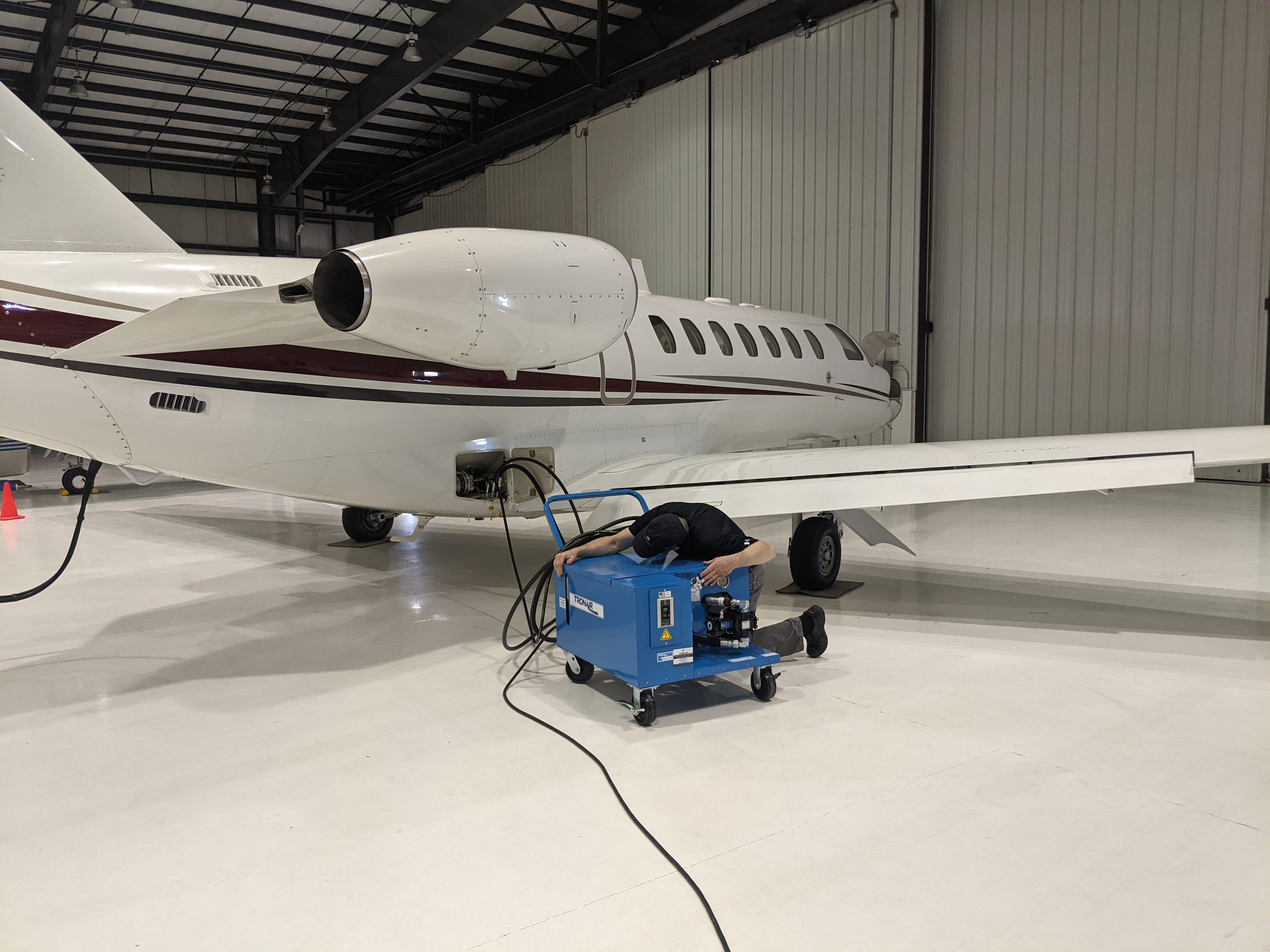
Yes! Hydraulic power units are widely used to power ground support equipment (GSE) during aircraft maintenance. HPUs are commonly employed in this role because they provide the necessary hydraulic power for various types of GSE, which are essential for servicing and maintaining aircraft. These units ensure that the equipment operates efficiently, especially when an aircraft's own hydraulic systems are deactivated for maintenance or when external power is required for testing or servicing.
Some examples of ground support equipment that HPUs can power include:
- Aircraft Lifts – Hydraulic-powered lifts or platforms used to raise aircraft for maintenance, inspection, or repair.
- Cargo and Passenger Handling Equipment – Hydraulic systems are used in loaders and conveyors to load and unload cargo or passengers, especially for large aircraft.
- Aircraft Tow Tractors – Some tow tractors use hydraulics to assist in moving aircraft on the ground.
- Aircraft Jacks – Hydraulic jacks are used to lift aircraft for tire changes, structural inspections, and other maintenance tasks.
- Pressure Test Equipment – HPUs can simulate the pressure and flow conditions of an aircraft's hydraulic system, enabling the testing and troubleshooting of various hydraulic components on the ground.
By using an HPU, ground support personnel can ensure that these systems function correctly and efficiently during aircraft maintenance, independent of the aircraft's own hydraulic power.
What Factors Should Be Considered When Selecting a Hydraulic Power Unit for Your Aircraft Maintenance Needs?
Selecting an HPU for aircraft maintenance requires careful consideration of several key factors to ensure efficiency, safety, and compatibility with maintenance operations. These include:
Pressure and Flow Requirements
Ensure the HPU provides the appropriate pressure and flow rate needed for the specific aircraft systems being serviced. This is critical for performing tasks such as actuating landing gear or powering flight control systems.
Power Supply Type
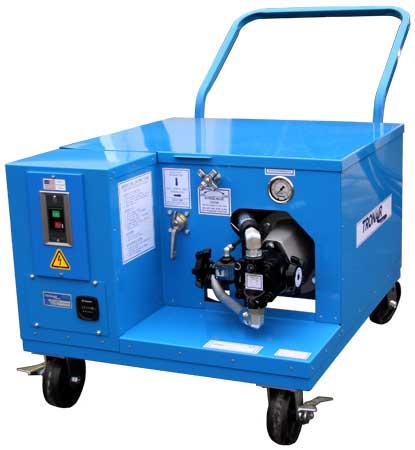
The HPU should be compatible with the available power sources at the maintenance facility, such as electrical, diesel, or pneumatic power. This affects the overall efficiency and operational convenience.
Portability
Depending on the HPU's size and weight, it may need to be portable for use in different locations or for field maintenance. Portability features like wheels or handles can be important.
Reservoir Capacity
The hydraulic fluid reservoir should be sized appropriately for the amount of hydraulic fluid needed to perform the required tasks without frequent refilling.
Fluid Compatibility
Ensure the HPU is designed to operate with the hydraulic fluids specified by the aircraft manufacturer (e.g., MIL-PRF-5606, MIL-PRF-83282). Fluid compatibility is necessary for optimal performance and to avoid contamination.
System Pressure and Safety Features
The HPU should include built-in safety features such as pressure relief valves, filters, and automatic shutdown in the event of malfunctions, ensuring the safety of personnel and equipment.
Operating Environment
The HPU should be able to function effectively in the specific environmental conditions it will be used in, such as temperature extremes, humidity, and altitude.
Noise and Vibration Levels
Depending on the operational setting, low noise and vibration levels may be required to ensure a comfortable, safe working environment for maintenance personnel.
Size and Footprint
The available space in the maintenance facility or on-site for the HPU should be considered. A compact design may be preferable for tight spaces.
Maintenance and Serviceability
Choose an HPU that is easy to maintain, with accessible components for routine servicing and repair. Reliability and ease of serviceability are crucial to minimize downtime.
Compliance with Standards and Regulations
Ensure the HPU complies with industry standards and regulatory requirements set by aviation authorities, such as the FAA, and meets relevant safety certifications.
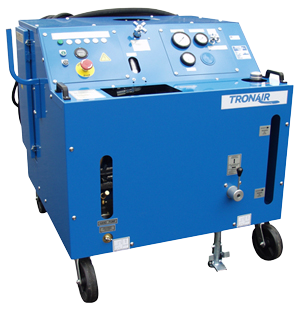
By evaluating these factors, you can ensure the HPU you choose meets the specific requirements for your aircraft maintenance operations.
The Bottom Line
Hydraulic power units are critical in aircraft maintenance, powering essential systems to keep aircraft running smoothly and safely. By understanding the key factors involved in selecting the right HPU, you can make informed decisions that support your maintenance operations.
Pilot John International® (PJi®) is your go-to source for a wide selection of premium hydraulic power units from trusted manufacturers like Tronair. Discover how we can help meet your aircraft maintenance needs with high-quality ground support equipment. Contact our team of aviation specialists via phone, email, or chat today!