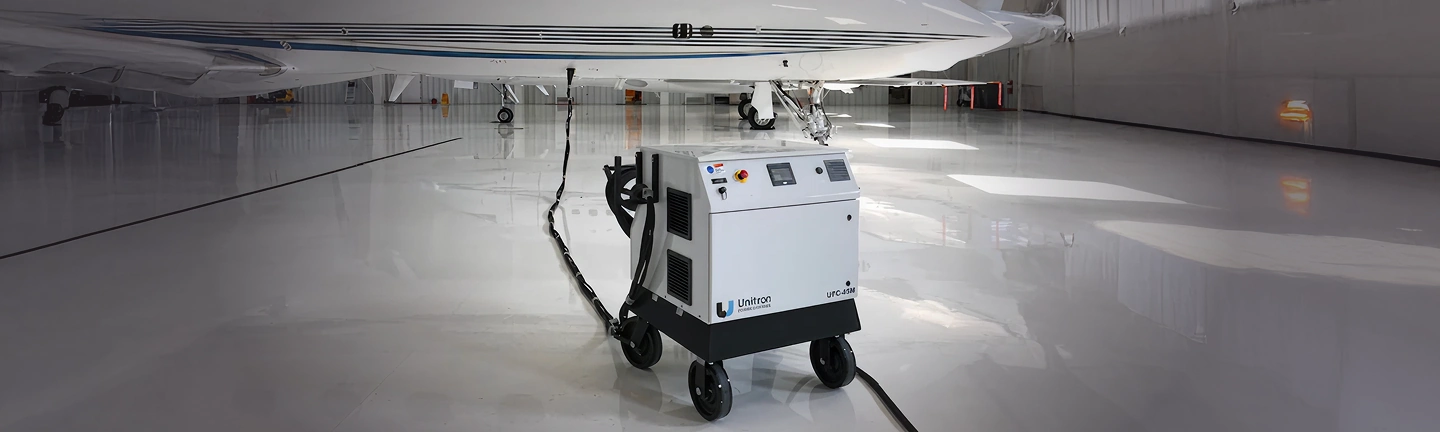





How Do Ground Power Units Work?
Key Takeaways
- Ground power units supply electrical power to aircraft systems – avionics, lighting, air conditioning, and more – while the aircraft is on the ground, eliminating the need to run engines or the APU and reducing fuel consumption, engine wear, and emissions.
- GPUs are categorized by power source (hangar-powered, diesel/gas, or battery), mobility (portable or stationary), and electrical output (28V DC, 400 Hz AC, or dual AC/DC) – with the right configuration depending on the aircraft type, location, and operational environment.
- Core GPU components include the power source, a voltage regulation system to prevent harmful fluctuations, a heavy-duty output cable and connector interface, and digital monitoring displays for real-time performance tracking.
- Built-in safety features – including overcurrent protection, voltage regulation, and thermal protection – safeguard both the aircraft's electrical systems and ground personnel during operation.
- Key selection factors include power output compatibility with the aircraft's electrical specifications, portability vs. permanent installation, operating environment, and ease of maintenance. Mismatching GPU output to aircraft requirements risks damaging sensitive avionics and systems.
- PJi offers a wide selection of GPUs from Tronair, Unitron, FoxCart, and Start Pac, along with GPU replacement parts and expert guidance to help match the right unit to your operation.
Aircraft ground power units (GPUs) are essential for efficient and safe ground operations. They provide the electrical power required to support systems such as avionics, lighting, and air conditioning when the aircraft is on the ground. By supplying power from a separate source, GPUs eliminate the need for the aircraft’s engines or auxiliary power units (APUs) to be running during ground operations. This not only conserves fuel but also reduces engine wear and tear while minimizing environmental impact.
In this article, we will examine the vital role GPUs play in aircraft maintenance, how they operate, the different types available, and key factors to consider when selecting a GPU for your needs.
What Is an Aircraft Ground Power Unit?

A ground power unit is a mobile or stationary piece of ground support equipment (GSE) designed to supply electrical power to an aircraft while it is grounded. During routine maintenance, pre-flight checks, or when the aircraft is idle at the gate, the GPU connects to the aircraft to power systems that typically rely on the engine or APU. This enables the operation of critical functions such as avionics, lighting, air conditioning, and other electrical systems without running the aircraft’s engines or APU. Using a GPU helps preserve fuel, minimize engine wear, and reduce the overall carbon footprint while maintaining the efficiency and safety of ground operations.
Why Are Ground Power Units Essential for Aircraft Maintenance?
Ground power units are crucial for several reasons, but one of the most important is their ability to provide electrical power to an aircraft without relying on its own systems. During routine maintenance, maintenance crews need access to reliable power to perform diagnostics, repairs, and system tests, especially when an aircraft is out of service. A GPU eliminates the need to start the engine or use the APU, ensuring maintenance can proceed without interruption. Moreover, a GPU minimizes downtime, reduces fuel consumption, and helps reduce the aircraft's environmental impact while on the ground. Ultimately, GPUs improve both operational efficiency and sustainability in aviation.
What Are the Different Types of Ground Power Units?

Ground power units come in various types, each tailored to meet the varying needs of different aircraft and ground operations. They are typically categorized by mobility, power output, and power source.
Portable GPUs are smaller, mobile units that can be easily moved around aircraft or between planes on the ramp, making them ideal for smaller airports or situations where flexibility is required. These units offer the convenience of portability, allowing them to be used wherever they're needed on the airfield. In contrast, stationary GPUs are larger, fixed systems often found at airport terminals or maintenance facilities. These units provide robust power output and can service multiple aircraft simultaneously.
GPUs are also classified by power output, with common options including 28V DC, 400 Hz AC, and dual AC/DC models. These variations are designed to meet the specific electrical needs of different aircraft systems, ensuring compatibility and efficiency during ground operations.
However, the most common way GPUs are categorized is by their power source. The primary types of GPUs are hangar-powered, diesel- or gasoline-powered, and battery-powered, each suited to different operational environments and requirements.
Hangar-Powered GPUs

Hangar-powered GPUs are fixed units that are integrated into the hangar or terminal's electrical infrastructure. These stationary units are high-capacity systems capable of powering multiple aircraft simultaneously, making them a highly efficient and cost-effective solution for maintenance and operational tasks. Their high power output makes them essential for handling complex tasks in hangar settings, where they support simultaneous operations across different aircraft.
Diesel or Gas-Powered GPUs
Diesel- or gasoline-powered GPUs are mobile, self-contained units that provide the flexibility to relocate across the airfield or airport. Powered by internal combustion engines, these units offer a balance of portability and power, making them ideal for use throughout the airport. While they do require fuel and produce exhaust emissions, modern diesel-powered GPUs are equipped with low-emission engines that comply with environmental regulations, making them a sustainable choice for ground operations.
Battery-Powered GPUs
Battery-powered GPUs are portable units ideal for powering smaller aircraft or tasks that require minimal energy. Their compact size and mobility allow them to be moved easily, even directly onto the aircraft if necessary. However, their limited battery capacity can limit extended use, making them unsuitable for more power-demanding applications. These GPUs are particularly useful for situations where convenience and maneuverability are prioritized.
What Are the Key Components of a Ground Power Unit?
A typical ground power unit consists of several key components that contribute to the efficient delivery of electrical power to the aircraft. These components work together to provide stable and reliable power while ensuring compatibility with the aircraft’s electrical systems.
Power Source
The power source of a GPU is either a combustion engine (diesel or gasoline) or an electric motor. Combustion engines drive a generator that produces the necessary electrical output, while electric motors use grid power to drive the generator. Both systems are designed to efficiently produce the correct power for the aircraft's systems.
Voltage Regulation System

This component ensures that the power supplied to the aircraft is consistent and within the acceptable voltage range, preventing fluctuations that could damage sensitive avionics or electrical equipment. The voltage regulation system acts as a safeguard to maintain consistent power delivery throughout the operation.
Output Cable and Connector Interface
The output cable – typically a heavy-duty, flexible power cord – connects the GPU to the aircraft. It is designed to handle the high currents required to power aircraft systems while withstanding environmental factors. The connector interface ensures compatibility between the GPU and the aircraft's power input. Different aircraft models require specific connector types to ensure safe, reliable connections.
Monitoring and Display Systems
Many GPUs come equipped with digital displays that show key performance indicators, such as voltage, current levels, and output capacity. These systems help operators monitor the GPU’s performance in real time and detect potential issues, such as overvoltage or undervoltage, that could negatively impact the aircraft’s systems.
Are Ground Power Units Compatible with All Aircraft Types?

Ground power units are generally compatible with most aircraft types, but their compatibility depends on each aircraft's specific electrical needs. Smaller aircraft, like general aviation planes, often require less power and can typically operate with a lower-powered GPU. These units are usually equipped with lower-voltage, lower-current outputs, which are sufficient to support fewer onboard systems. However, larger commercial aircraft, such as regional jets and wide-body airliners, demand significantly higher-capacity GPUs. These larger units provide higher voltage and current to meet the power needs of complex avionics, lighting, air conditioning, and other essential systems onboard.
Modern GPUs offer enhanced versatility, with many featuring adjustable outputs to ensure compatibility across various aircraft types. These adaptable units can provide the correct power for both small private aircraft and large commercial jets, ensuring seamless operation during ground handling. Regardless of the aircraft's size, it’s critical to verify that the GPU’s voltage and current outputs align with the aircraft’s electrical specifications. By doing so, you can ensure safe and efficient operation while minimizing potential damage to the aircraft’s systems and reducing downtime. By properly matching GPU specifications to aircraft requirements, aviation professionals can enhance reliability and performance during ground operations.
How Do Ground Power Units Work?
Ground power units convert mechanical energy from a combustion engine or electric motor into electrical power, which is then supplied to the aircraft. This power enables the aircraft to operate essential systems such as avionics, lighting, and environmental control without starting the engine or using the APU. The GPU is designed to provide the correct voltage and current required by the aircraft’s systems, ensuring a reliable and stable power supply during ground operations such as pre-flight checks, maintenance, or boarding.
The GPU is connected to the aircraft via a power cable with a compatible connector, typically located near the aircraft's power inlet, which is on the fuselage or under the wing. Ground crews must ensure the cable is securely attached and properly coiled to avoid damage or obstruction during aircraft movements. The connector interface plays a vital role in maintaining system integrity, ensuring that the GPU’s power output matches the aircraft's specific requirements, and enabling the smooth and efficient operation of the electrical systems.
What Safety Features Are Built Into GPUs to Protect Aircraft and Personnel?
Ground power units are designed with multiple built-in safety features to protect both aircraft and ground personnel. One key feature is overcurrent protection, which automatically shuts off the GPU if excessive current is detected. This helps prevent damage to both the GPU itself and the aircraft’s electrical systems. Voltage regulation is another crucial safety measure, ensuring that the electrical power supplied to the aircraft remains stable. This prevents harmful voltage spikes or drops, which could otherwise cause malfunctions or damage to sensitive avionics and systems.
In addition, GPUs are equipped with thermal protection to prevent overheating during extended use or heavy loads. By monitoring and controlling temperature, the thermal protection feature ensures the GPU operates safely and efficiently. This is particularly important in preventing fires or other hazards that could arise from excess heat. Together, these safety features help maintain a safe working environment and ensure the reliability of the power supplied to the aircraft during ground operations.
What Factors Should You Consider When Choosing a Ground Power Unit?
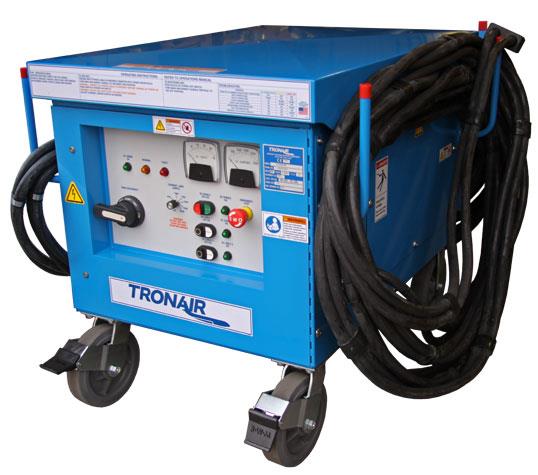
When selecting a ground power unit, the first priority is ensuring compatibility with the aircraft's electrical system. This involves understanding the aircraft's voltage and current requirements, as different aircraft types require different power outputs. GPUs typically come in various power capacities, ranging from smaller, lower-output models suited for general aviation aircraft to high-output units for larger commercial aircraft. Ensuring that the GPU meets these requirements helps maintain the integrity of the aircraft’s systems and avoids overloading or underpowering critical equipment.
Another important factor to consider is whether the GPU is portable or stationary. Portable units offer flexibility, allowing for easy movement between aircraft or locations, making them ideal for smaller airports or areas with limited space. Stationary GPUs, on the other hand, are typically installed at fixed locations such as hangars or terminals and provide more robust, continuous power to multiple aircraft. Beyond power and mobility, it’s essential to evaluate the operating environment. Some GPUs are designed to withstand harsh outdoor conditions, while others are optimized for use in controlled indoor settings. Additionally, ease of use, maintenance requirements, and the manufacturer's reputation play significant roles in the decision-making process, helping ensure that the GPU remains reliable and efficient throughout its lifespan.
The Bottom Line
Ground power units (GPUs) are essential tools in aircraft maintenance, providing reliable electrical power to aircraft while reducing the need for engines and auxiliary power units during ground operations. These units play a key role in enhancing operational efficiency and minimizing fuel consumption.
At Pilot John International® (PJi®), we offer a wide selection of premium-quality aircraft GPUs from trusted brands, such as Tronair, Unitron, FoxCart, and Start Pac, as well as GPU replacement parts. Our knowledgeable aviation specialists are dedicated to helping you choose the perfect GPU for your aircraft maintenance needs, ensuring safety, reliability, and peak performance. Contact us by phone, email, or chat today to explore how our ground support equipment can improve your operations.