




How Do Ground Power Units Work?
Key Takeaways
- Ground power units supply electrical power to aircraft systems – avionics, lighting, air conditioning, and more – while the aircraft is on the ground, eliminating the need to run the engine or APU and reducing fuel consumption, engine wear, and emissions.
- GPUs are categorized by power source (hangar-powered, diesel/gas, or battery), mobility (portable or stationary), and electrical output (28V DC, 400 Hz AC, or dual AC/DC) – the right configuration depends on aircraft type, location, and operating environment.
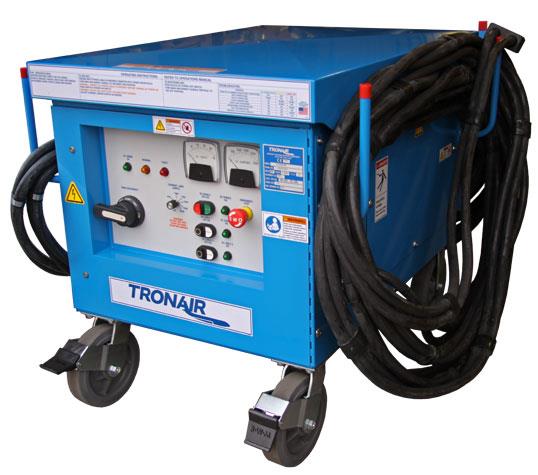
- Core GPU components include the power source, voltage regulation system, heavy-duty output cable and connector interface, and digital monitoring displays for real-time performance tracking.
- Built-in safety features – overcurrent protection, voltage regulation, and thermal protection – safeguard the aircraft's electrical systems and ground personnel during operation.
- Key selection factors include power output compatibility with aircraft specifications, portability vs. permanent installation, and operating environment – mismatching GPU output to aircraft requirements risks damage to sensitive avionics and systems.
- PJi carries GPUs from Tronair, Unitron, FoxCart, Red Box, StartStick, and Start Pac, along with replacement parts from ITW GSE/Hobart, MCM Engineering, and others – with specialists available to match the right unit to your operation.
Every aircraft on the ground needs power – for avionics checks, cabin systems, lighting, and maintenance procedures – and running the engine or APU to supply it comes at a real cost in fuel, wear, and emissions. Aircraft ground power units (GPUs) solve that problem by supplying external electrical power to the aircraft while it's parked, making ground operations cleaner, safer, and more efficient across every phase of maintenance and turnaround.
In this article, we'll cover what GPUs are and how they work, the different types and configurations available, the components that make them function, and what to consider when selecting the right unit for your aircraft and operation.

The Aircraft Ground Power Unit: Its Purpose and Role
A ground power unit is a mobile or stationary piece of ground support equipment (GSE) that supplies electrical power to an aircraft while it is on the ground. During pre-flight checks, gate holds, or maintenance operations, the GPU connects to the aircraft and powers systems that would otherwise require the engine or APU to be running – avionics, lighting, air conditioning, and other critical electronics. This reduces fuel consumption, minimizes engine wear, and lowers emissions during periods when engine operation would otherwise be unnecessary.
For maintenance teams, GPUs are particularly valuable because they allow technicians to run diagnostics, perform system tests, and execute repairs without starting the aircraft. A reliable external power source keeps operations moving without interruption, reduces downtime between service intervals, and gives maintenance crews the stable, consistent power they need to work safely and efficiently. Whether in a busy commercial terminal or a quiet general aviation hangar, GPUs are a foundational part of effective ground operations.

Types of Aircraft Ground Power Units
Ground power units come in several configurations, each suited to different aircraft types, operating environments, and power requirements. They are typically distinguished by their power source, mobility, and electrical output.
GPUs are available in portable and stationary formats. Portable units can be moved around the ramp or between aircraft, making them well-suited for smaller airports or flexible maintenance workflows. Stationary GPUs are larger, fixed systems – often integrated into hangar or terminal infrastructure – that provide high-capacity, continuous power and can service multiple aircraft simultaneously. In terms of electrical output, GPUs may produce 28V DC, 400 Hz AC, or both in a dual AC/DC configuration, depending on the aircraft's power requirements. The most common way to categorize GPUs, however, is by power source.

Hangar-Powered GPUs
Hangar-powered GPUs draw from the facility's electrical grid rather than an onboard fuel supply. These fixed, high-capacity units can power multiple aircraft simultaneously, making them highly efficient for maintenance hangars and terminal gate operations. Because they operate from grid power, they produce no direct emissions during use and carry lower operating costs than combustion-based alternatives.
Diesel or Gas-Powered GPUs
Diesel- and gasoline-powered GPUs are self-contained, mobile units that can be repositioned across the airfield as needed. Their internal combustion engines provide a good balance of portability and output power, making them practical for ramp operations, remote stands, and locations without fixed power infrastructure. Modern diesel GPUs are built with low-emission engines that comply with current environmental regulations, making them a more sustainable option than earlier generation units.
Battery-Powered GPUs
Battery-powered GPUs are compact, portable units that provide electrical power without fuel or grid access. Their smaller footprint and ease of transport make them ideal for general aviation aircraft, light maintenance tasks, and remote or space-constrained environments. Battery capacity does limit their suitability for high-demand applications, but for situations where convenience and mobility are the priority, battery units offer a practical and emission-free solution.
Key Components of a Ground Power Unit
A ground power unit brings together several integrated systems that work in concert to deliver stable, aircraft-appropriate electrical power. Understanding these components helps maintenance teams troubleshoot performance issues and evaluate new equipment.
Power Source
The GPU's power source is either a combustion engine (diesel or gasoline) or an electric motor drawing from the grid or an onboard battery. Combustion engines drive a generator that produces the required electrical output; electric motors convert grid power directly. Both are engineered to deliver the correct voltage and current for the target aircraft's systems.
Voltage Regulation System
The voltage regulation system ensures that power delivered to the aircraft remains consistent and within the aircraft's acceptable operating range. Without precise regulation, voltage fluctuations can damage sensitive avionics or electrical equipment. The regulation system acts as a constant safeguard throughout the connection, maintaining stable output regardless of load changes.

Output Cable and Connector Interface
The output cable is a heavy-duty, flexible power cord designed to handle the high currents required by aircraft systems while withstanding harsh ramp conditions. The connector interface ensures that the GPU's output physically matches the aircraft's power inlet – different aircraft types and models may require specific connector types, and proper interface compatibility is essential for safe, reliable operation.
Monitoring and Display Systems
Most modern GPUs include digital displays showing real-time performance data – voltage, current levels, output capacity, and fault indicators. These monitoring systems allow operators to detect potential issues such as overvoltage or undervoltage before they affect the aircraft, and they help maintenance teams verify that the GPU is performing within specification throughout the service connection.

GPU Compatibility and How Ground Power Units Work
Ground power units are compatible with a wide range of aircraft, but proper compatibility depends on matching the GPU's output to the specific aircraft's electrical specifications. Smaller general aviation aircraft typically require lower-capacity units with lower voltage and current outputs sufficient to support a modest number of onboard systems. Larger commercial aircraft – regional jets and wide-body airliners – demand significantly higher-capacity GPUs capable of powering complex avionics, full cabin lighting, air conditioning, and other high-draw systems simultaneously. Many modern GPUs feature adjustable outputs that make them compatible with multiple aircraft types, though verifying compatibility against the aircraft manufacturer's specifications is always the right first step.
At the operating level, a GPU converts mechanical energy from a combustion engine or electric motor into electrical power, which is then delivered to the aircraft via a compatible connector typically located on the fuselage or under the wing. The GPU supplies the voltage and current required by the aircraft's systems – enabling avionics, environmental controls, and other electronics to operate normally without engine or APU support. Ground crews connect the power cable, confirm secure attachment, and verify that the connector interface provides a clean, stable power path before any ground operations begin.
Safety Features of Ground Power Units
Ground power units are built with integrated safety systems designed to protect both the aircraft and the personnel working around it. Overcurrent protection automatically shuts the GPU down if current exceeds safe operating limits, guarding against damage to both the GPU and the aircraft's electrical systems. Voltage regulation prevents harmful spikes or drops from reaching the aircraft, ensuring that sensitive avionics and control systems receive consistent, clean power throughout the connection.
Thermal protection is also standard on quality units, monitoring internal temperature and shutting down the GPU if overheating is detected during extended use or high-load conditions. Together, these features establish a reliable safety envelope for ground power operations, reducing the risk of electrical damage, equipment failure, and fire – and ensuring that GPU use supports, rather than compromises, the safety of every ground operation.
Selecting the Right Ground Power Unit
Choosing the right GPU starts with matching the unit's output to the aircraft's electrical specifications. Voltage and current requirements vary significantly across aircraft categories, and a GPU that underdelivers or overloads an aircraft's systems creates real risk of damage to avionics and critical equipment. GPUs are available in a range of output capacities, from compact units suited for general aviation to high-output models built for wide-body commercial aircraft, so aligning output to the aircraft is the primary filter.
Beyond power compatibility, the decision comes down to mobility and environment. Portable GPUs offer flexibility for operations spread across a ramp or airfield; stationary units provide more robust, continuous power for terminal gates and maintenance hangars. It's also worth evaluating the operating environment – units designed for outdoor use in variable weather differ from those optimized for controlled hangar conditions. Ease of maintenance and the manufacturer's service and parts support round out the evaluation, helping ensure the GPU remains reliable throughout its service life.
The Bottom Line
Ground power units are foundational to safe, efficient aircraft ground operations – providing the external electrical power that keeps maintenance teams working, reduces unnecessary engine and APU use, and supports the full range of pre-flight, turnaround, and diagnostic tasks that keep aircraft airworthy.
Pilot John International® (PJi®) carries a comprehensive selection of aircraft ground power units from Tronair, Unitron, FoxCart, Red Box, StartStick, and Start Pac – covering everything from portable battery units and diesel-powered ramp GPUs to high-capacity stationary systems. We also offer a full range of GPU replacement parts from ITW GSE/Hobart, Unitron/FoxCart, MCM Engineering, Tronair, and more to help keep existing equipment running at full performance.
Our aviation specialists are ready to help you identify the right GPU for your aircraft, operation, and environment. Call, email, or chat with us today to get started.
Frequently Asked Questions
What sets Tronair ground power units apart from other GPU manufacturers?
Tronair is one of the most recognized names in aviation ground support equipment, and its GPU lineup reflects the same engineering standards applied across its full GSE catalog – designed to OEM specifications and built for demanding ramp and hangar environments. Tronair offers a range of DC and AC ground power options, including hangar-powered units and portable models, engineered for durability and consistent output across years of continuous use. Tronair GPUs are a common choice for MROs, FBOs, and airline ground operations, where equipment reliability directly affects aircraft availability.
What makes Unitron electric GPUs a good choice for sustainable ground operations?
Unitron specializes in ground power units with a strong focus on environmental performance, offering both diesel-powered and electric GPU options designed to minimize fuel consumption and reduce direct emissions during ground operations. Its electric units draw from available grid power and produce zero direct emissions at the point of use, making them an appealing option for operators working toward greener ramp operations or operating in emissions-sensitive environments. Unitron's GPUs are engineered for stable, consistent output and are well-suited for high-tempo commercial and charter ground operations.
What is FoxCart known for in the ground power unit space?
FoxCart manufactures a range of aircraft ground power equipment with a focus on compact design, portability, and versatility across multiple aircraft types. Its GPU lineup includes 28V DC and 400 Hz AC units in configurations suited for both general aviation and commercial aircraft applications. FoxCart units are recognized for their straightforward operation and serviceability, and PJi carries both FoxCart GPUs and compatible replacement parts to support operators maintaining FoxCart equipment in the field.
What is the Red Box GPU lineup designed for?
Red Box designs its GPU lineup for portability, reliability, and broad aircraft compatibility – making its units particularly well-suited for operators who need flexible, ramp-ready power across a variety of aircraft types without a fixed power infrastructure. Red Box GPUs are used across general aviation, business aviation, and light commercial applications, and are known for their straightforward operation and compact form factor.
How do the StartStick and Start Pac compare as portable battery GPU options?
Both StartStick and Start Pac manufacture lithium-ion portable ground power units designed for ramp use without requiring a ground cart, external power source, or combustion engine – making them ideal for remote locations, quick turnarounds, and operations where a full-size GPU isn't practical. Start Pac offers a range of portable GPU models covering various aircraft power requirements, with a long track record of field-proven reliability in both civil and military applications. The StartStick is a compact, lightweight lithium-ion unit available in multiple capacity configurations (10Ah, 15Ah, and 20Ah), well-suited for general aviation and light turbine aircraft in weight-sensitive or space-constrained environments.
What does a dual-output AC/DC ground power unit offer over a single-output unit?
A dual AC/DC GPU provides both 400 Hz AC and 28V DC output from a single unit, allowing it to service aircraft that require either or both power types during the same ground operation. This versatility reduces the need for separate AC and DC units on the ramp, simplifying equipment inventory and improving operational flexibility for MROs and FBOs that service mixed fleets with different power requirements. For operations handling both turbine aircraft (which commonly use 400 Hz AC) and piston or smaller turbine aircraft (which often use 28V DC), a dual-output unit can significantly improve efficiency.
When should I consider replacing GPU components rather than replacing the entire unit?
GPU replacement parts – including connectors, output cables, voltage regulators, and control boards – can significantly extend the service life of an existing unit when the core power-generation system (engine or motor) remains in good condition. Replacing a worn connector interface or a degraded voltage regulation module is typically far more cost-effective than procuring a new unit, particularly for high-quality GPUs from established manufacturers. PJi carries replacement parts from ITW GSE/Hobart, Unitron, FoxCart, MCM Engineering, Tronair, and others, and our specialists can help identify the correct components for your existing equipment.