How High-Visibility Safety Apparel Supports Aviation Operations
Key Takeaways
- Aviation ground environments – ramps, taxiways, and hangars – are among the highest-risk workplaces in any industry. High-visibility safety apparel (HVSA) ensures ground crew members are immediately identifiable to pilots, vehicle operators, and fellow workers, reducing the risk of collisions and accidents.
- ANSI/ISEA 107 governs HVSA design and performance, classifying garments from Class 1 (lowest risk) through Class 3 (highest risk). Most aviation ramp and airside roles require Class 2 or Class 3 garments. FAA Advisory Circulars and OSHA guidelines further support or mandate the use of hi-vis apparel for workers near active aircraft and heavy equipment.
- Lime green is the most common color for aviation HVSA due to its strong contrast against tarmac, concrete, and asphalt in both daylight and artificial lighting. Retroreflective striping adds nighttime and low-visibility protection by bouncing light from aircraft landing lights, vehicle headlights, and overhead lamps back toward the source.
- Hi-vis apparel also supports operational efficiency – in high-noise environments where verbal communication is difficult, color-coded garments help crews identify roles at a glance, streamlining marshaling, refueling, emergency response, and other coordinated ground activities.
- PJi supplies a full range of Kishigo HVSA – including mesh vests, Cool Touch polo shirts, insulated bomber jackets, and waterproof rainwear – engineered for ANSI compliance, durability, and comfort across all aviation ground support roles.
High-traffic, high-risk aviation environments such as ramps, taxiways, and maintenance hangars demand continuous visibility of personnel at all times. In these dynamic zones, crew members are surrounded by moving aircraft, support vehicles, and ground equipment, making it critical to quickly and clearly identify human presence. Add in low-light conditions, inclement weather, and round-the-clock operations, and it becomes obvious why high-visibility safety apparel (HVSA) is a non-negotiable part of aviation safety protocols.
Hi-vis safety gear isn’t just about being seen – it’s about protecting lives, ensuring workflow efficiency, and complying with safety standards set by regulatory authorities. Garments such as reflective vests, safety jackets, and high-visibility polos are engineered to enhance visibility from all angles and at all distances. In this article, we’ll explore how high-visibility safety apparel supports aviation operations, improves safety outcomes, and helps maintain compliance across airside workspaces.
Why Is High-Visibility Safety Apparel Essential in Aviation?
Aviation ground operations are among the most complex and high-risk workplace environments. From baggage handlers and marshaling agents to fueling crews and maintenance personnel, every individual working near aircraft needs to be seen clearly to avoid collisions, miscommunication, or delays. Hi-vis apparel acts as a visual safeguard, ensuring that crew members are unmistakably visible to pilots, drivers, and fellow workers.
Beyond visibility, high-visibility clothing plays a key role in complying with OSHA guidelines and FAA advisory circulars that mandate specific safety measures for ground crew operations. A quality safety vest or jacket with retroreflective striping helps workers meet ANSI/ISEA 107 requirements for workplace safety. This ensures that personnel remain visible under a wide range of environmental and lighting conditions, significantly reducing the risk of injury.
What Types of Hi-Vis Apparel Are Used in Airport and Hangar Settings?
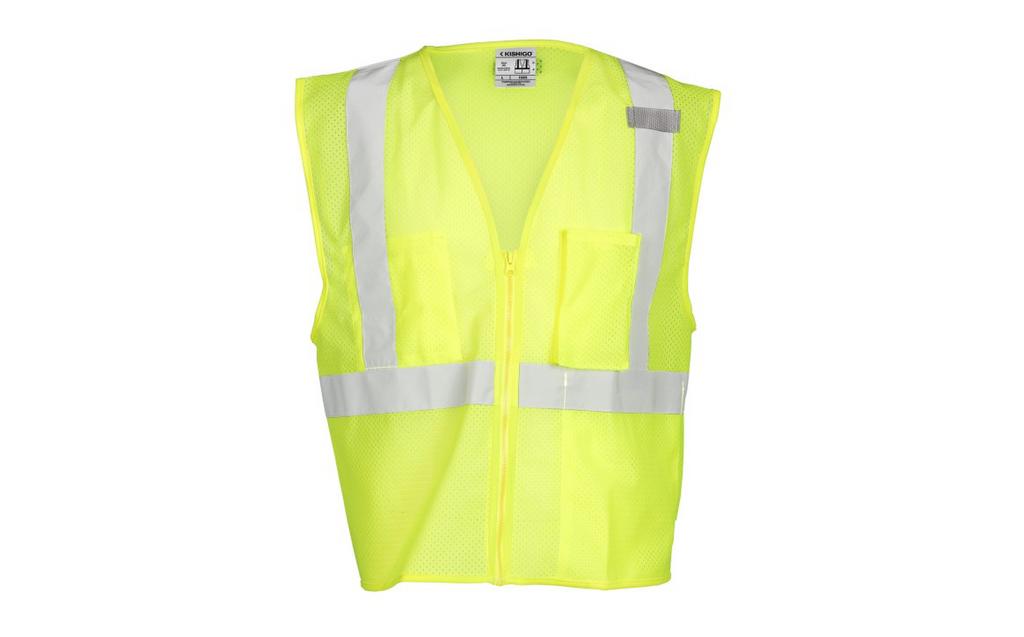
The aviation industry relies on a variety of high-visibility garments tailored to specific roles and environments. Commonly used hi-vis apparel includes mesh safety vests, waterproof safety jackets, lightweight polo shirts, and durable rainwear sets. For example, ramp agents often wear a Class 2 or Class 3 reflective vest for mobility and visibility, while technicians in hangars may prefer a high-visibility polo for comfort and identification.
Kishigo’s product lineup precisely reflects these needs. From its Cool Touch safety polo shirts to its waterproof bomber jackets and lime green mesh safety vests, Kishigo offers solutions engineered for both safety and performance. ANSI/ISEA Class 2 garments are typically required for moderate-risk work zones with vehicle speeds under 50 mph, while Class 3 is reserved for high-risk environments with fast-moving vehicles and reduced visibility. Each classification ensures the right balance of reflective striping and garment coverage for the task at hand.
How Do Color and Reflectivity Impact Worker Visibility?
The bright fluorescent colors used in HVSA – particularly lime green, orange, and red – are scientifically selected for their ability to stand out against most backgrounds. Among these, lime green has become the most common color for airport safety vests and jackets because of its excellent visibility in both daylight and artificial light. This color is especially effective when viewed against concrete, asphalt, or tarmac.
Retroreflective tape adds another layer of visibility by reflecting light from sources such as aircraft landing lights, vehicle headlights, and overhead hangar lamps. This is crucial for nighttime operations or low-visibility conditions caused by fog or precipitation. Reflective vests and jackets with 360° striping ensure workers are visible from every angle, dramatically reducing the risk of accidents during aircraft taxiing, loading, or servicing.
What Standards Govern the Use of Safety Apparel in Aviation?
Safety apparel worn in aviation settings must meet specific regulatory standards to ensure consistent protection and compliance. ANSI/ISEA 107 is the primary standard governing HVSA design, performance, and use. It categorizes garments by performance class (Class 1, 2, or 3) and type (Type O for off-road, Type R for roadway, and Type P for public safety), based on work environment and required visibility.
In addition to ANSI guidelines, the FAA offers Advisory Circulars recommending hi-vis apparel for all airside workers, particularly those in proximity to active aircraft. OSHA also encourages or mandates the use of high-visibility clothing for roles involving traffic or heavy equipment. Apparel that fails to meet these benchmarks may not only jeopardize worker safety but could also lead to citations or fines during workplace inspections.
How Does High-Visibility Gear Improve Communication and Workflow?
Clear visibility doesn’t just prevent accidents – it also enhances day-to-day operations by improving communication among crew members. In noisy airport environments where verbal cues may be drowned out by jet engines or ground vehicles, visual identification is essential. A reflective vest or safety jacket helps crew members spot each other instantly, streamlining coordination for tasks like aircraft marshaling, refueling, or emergency response.
Hi-vis apparel can also be used for role-based differentiation. For instance, marshaling agents may wear lime-green vests, while supervisors or fire safety personnel might wear orange or red vests. This color coding helps prevent confusion and enables fast, efficient decision-making during both routine and high-stress situations.
What Should Aviation Professionals Consider When Choosing Hi-Vis Safety Apparel?
Choosing the right safety gear starts with understanding the demands of the job and the environmental conditions. Fit and comfort are critical – garments that restrict movement or cause overheating are less likely to be worn consistently. Breathable materials, like Kishigo’s mesh vests and moisture-wicking Cool Touch polos, help workers stay comfortable in hot conditions while maintaining visibility.
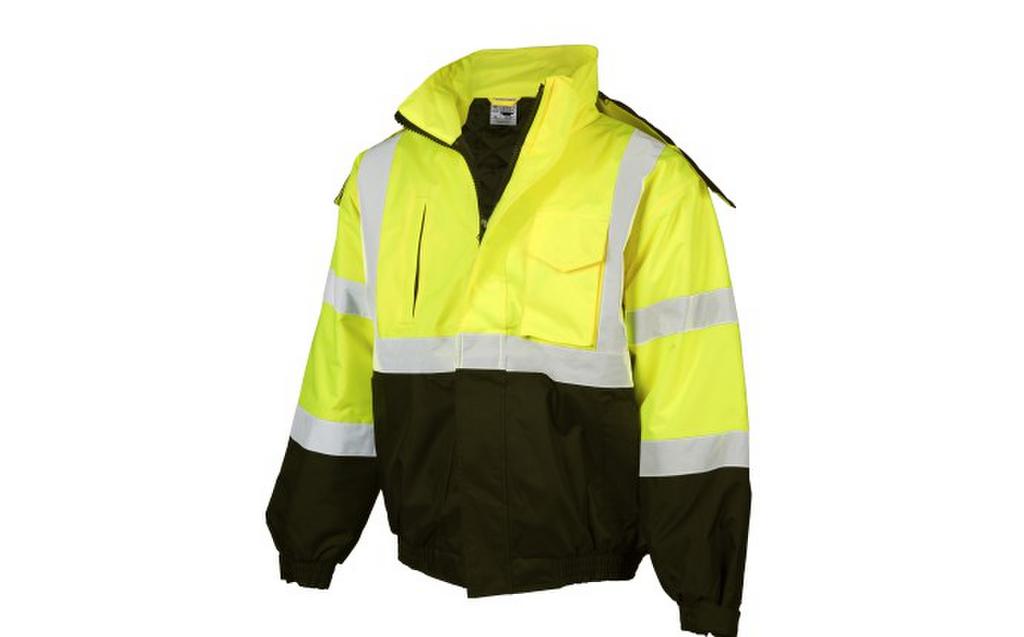
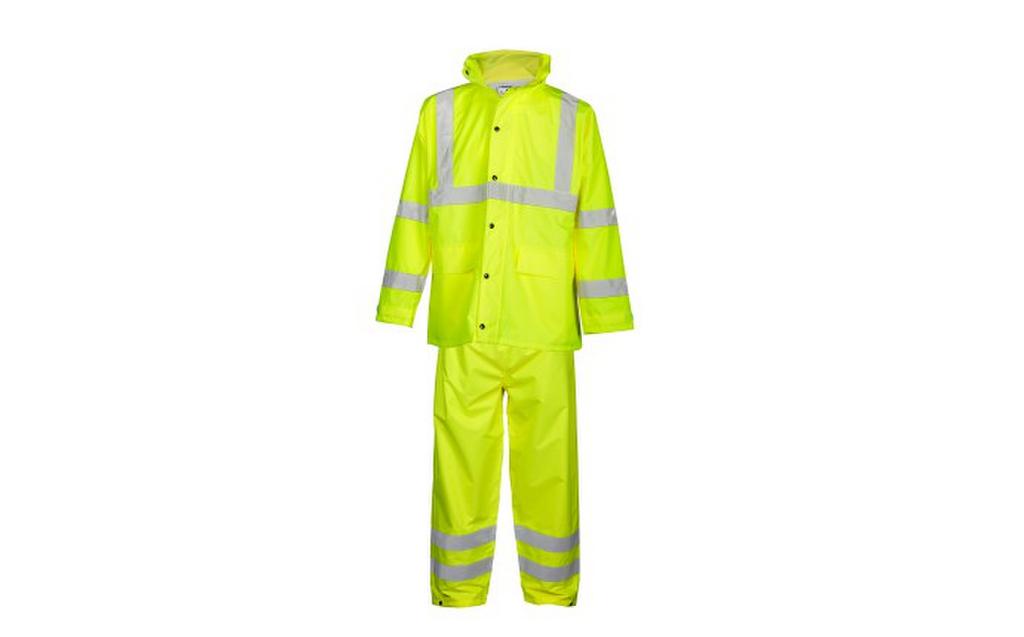
Durability is also key. Kishigo safety vests and jackets feature reinforced stitching, rugged closures, and high-quality reflective tape that withstand repeated wear, washing, and exposure to harsh elements. For colder climates or rainy conditions, Kishigo’s insulated hi-vis bomber jackets and waterproof rainwear sets provide warmth, protection, and ANSI-compliant visibility. With a focus on quality and functionality, Kishigo safety vests offer long-term value and superior protection for aviation professionals.
The Bottom Line
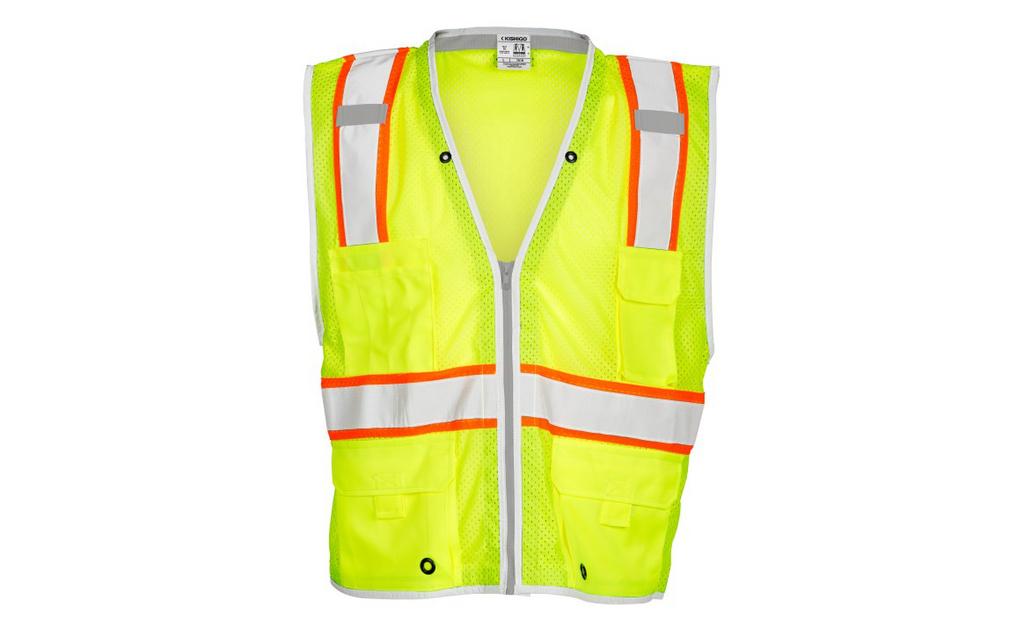
High-visibility safety apparel is more than a compliance checkbox – it’s a frontline defense for aviation safety. Whether it's a reflective vest worn by a ramp worker or an insulated hi-vis jacket used during winter servicing, these garments play a vital role in keeping airside operations safe and efficient. With the right gear, crews stay visible, tasks run smoothly, and risks are minimized across all ground support activities.
Pilot John International® (PJi®) proudly supplies a full range of Kishigo high-visibility safety apparel designed to meet the rigorous demands of aviation environments. From mesh vests and Cool Touch polo shirts to waterproof bomber jackets and rainwear, Kishigo products offer the comfort, performance, and compliance that aviation professionals rely on.
Our aviation specialists are here to help you select the right hi-vis safety gear for your operational needs. Contact us via phone, email, or chat today!