How to Select the Right Aircraft Hydraulic Power Unit
Key Takeaways
- HPUs replace an aircraft's own hydraulic system during ground maintenance, enabling technicians to test and service landing gear, flight controls, and braking systems without the aircraft being operational.
- Power source matters: electric HPUs are quiet and efficient – ideal for hangar use – while gasoline or diesel units offer portability for ramp and remote locations but produce more noise and emissions.
- Hydraulic fluid compatibility is non-negotiable. Using the wrong fluid can degrade seals, hoses, and components, leading to costly repairs. Always match the HPU to the fluid specified for your aircraft.
- Voltage must match your facility's electrical supply. It also affects power output – higher voltage supports larger aircraft with greater hydraulic demands.
- Your aircraft's maintenance manual is the definitive reference for HPU requirements. Consult it before purchasing to ensure the unit you select meets your aircraft manufacturer's specifications.
- PJi stocks Tronair HPUs, offers expert selection guidance, financing, global shipping, and rental options for operators who need a unit in a pinch.
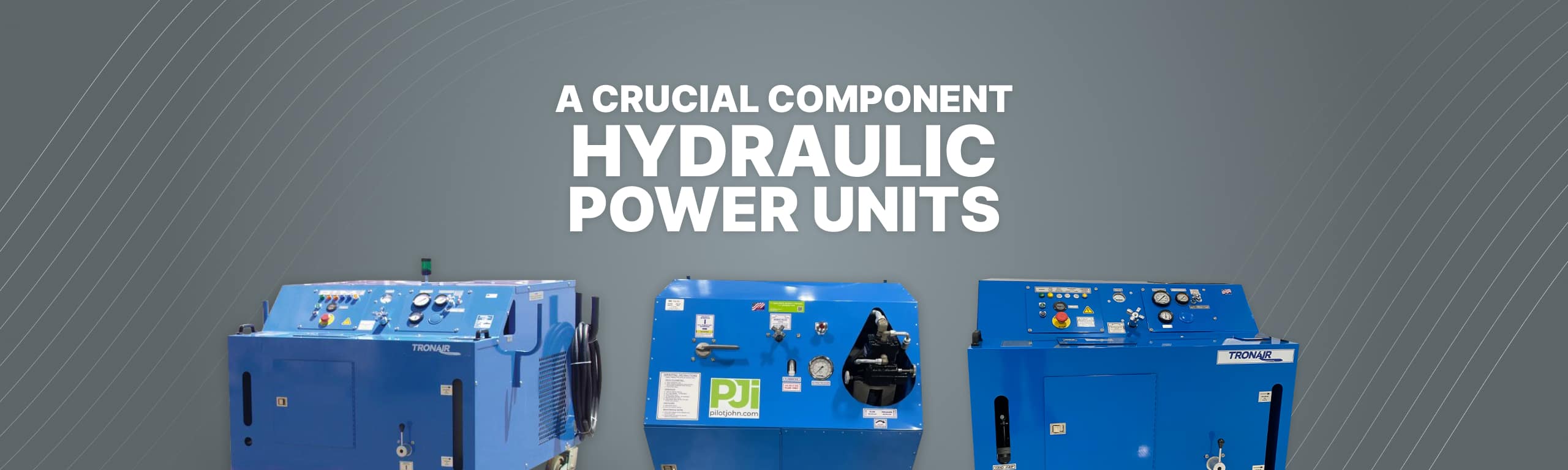
Hydraulic power units (HPUs) play a crucial role in maintaining an aircraft. By providing reliable, precise, and robust actuation, these systems enable the efficient functioning of various components and systems.
Hydraulic systems are especially useful because they provide consistent power and require minimal space. They are also more cost-effective than other aircraft ground power sources.
Why Are Hydraulic Power Units Important?
Aircraft mechanics know that hydraulic power units are an essential piece of ground support equipment for aircraft maintenance.
They provide a reliable and efficient hydraulic power source for various tasks and testing. Aircraft hydraulic mules enable aircraft mechanics to quickly and precisely complete maintenance procedures, ensuring an aircraft is in safe working order for future flights.
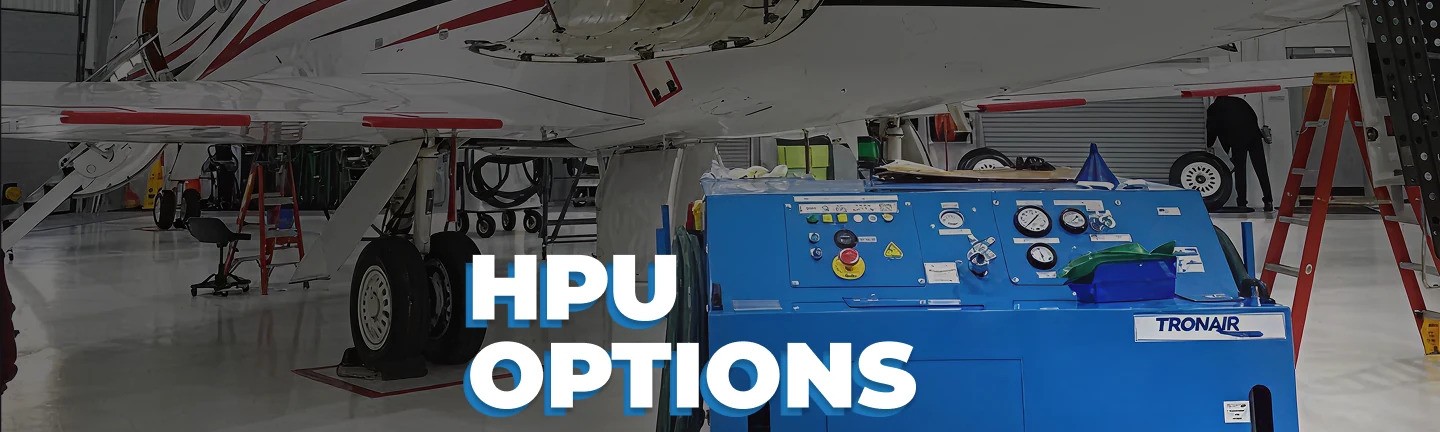
Technicians require hydraulic power units to test the operation of components, including the landing gear, flight control surfaces, and braking systems. A hydraulic mule replaces an aircraft’s own hydraulic system, allowing mechanics to quickly and accurately diagnose and repair any issues.
To select the optimal hydraulic power unit for your aircraft, consider the following key factors.
Size of the Hydraulic Power Unit
A hydraulic unit may be categorized by size, so you might find that a smaller aircraft may need a similarly small hydraulic power unit. The physical size and capacity of a hydraulic mule for aircraft will determine whether it can be used in your hangar and whether it can be utilized as ground support equipment during aircraft testing or maintenance.
Power Sources for the Hydraulic Power Unit
Aircraft maintenance requires hydraulic power units, which can be powered by a range of sources, depending on the aircraft type and the maintenance tasks at hand. These hydraulic power units must match the requirements for safe operation. The power source depends on the availability of an electrical supply, the unit's portability, and the required power output.
1. Electric Motors
Electric motors are commonly used for hydraulic power units in aircraft maintenance. Depending on the desired output and available infrastructure, they can work with either single-phase or three-phase electrical systems.
This is a key detail to note when purchasing a hydraulic power unit. Electric HPUs are typically quiet, efficient, and easy to control, making them well-suited for use in hangars and maintenance facilities.
Hydraulic power units provide a reliable and cost-effective solution for hangars and maintenance facilities. They are incredibly quiet and efficient, allowing easy control over their operations. These hydraulic power units can provide an optimal work environment with minimal noise and vibration.
2. Gasoline or Diesel Engines
Gasoline- or diesel-powered hydraulic power units can be reliable when electricity access or portability is not required or available. They provide a versatile and dependable power source, allowing the hydraulic power unit to be used in many remote locations and on the tarmac.
The engine's self-contained design enables greater mobility, more efficient maintenance, and improved safety in hazardous environments. Because gasoline and diesel motors tend to produce more noise and emissions than electric HPUs, they are generally better suited for outdoor use than for use in the hangar.
Type of Hydraulic Fluid Used
Using the incorrect hydraulic fluids can cause seals, hoses, and other components to degrade or fail, resulting in costly repairs and downtime. Therefore, it is crucial to ensure that you select a hydraulic system compatible with the hydraulic fluid used in your aircraft.
The right fluid has a specific chemical composition that ensures your hydraulic system works properly. The viscosity of hydraulic fluid affects the flow rate and pressure. In turn, the suitable fluid viscosity would help components move smoothly and operate efficiently.
Hydraulic fluids exhibit different behavior at varying temperatures. Selecting the correct fluid is crucial for achieving optimal performance of the aircraft's hydraulic system within its specified temperature range. This avoids issues such as fluid thickening or thinning.
Adequate safety measures must be taken when dealing with hydraulic fluids, as some are highly flammable or toxic. You should identify the type of hydraulic fluid to ensure all maintenance procedures are conducted safely.
Voltage
Ensuring the voltage of an HPU matches the electrical supply at your hangar is critical. An incompatible voltage could cause improper operation or even damage the electrical system. You must select an HPU compatible with the country's voltage standard where you're based.
The hydraulic power unit's power output is determined by the voltage level. A higher voltage usually produces a greater output, making it ideal for aircraft that require more power. Conversely, low-voltage requirements are more suitable for smaller aircraft.
Hydraulic power units are designed to achieve maximum efficiency for a specific voltage level. This way, you can have the necessary hydraulic power without wasting any energy. Selecting the correct voltage level for minimal energy waste is essential for optimal efficiency and performance. This ensures that all systems remain efficient and cost-effective.
Key Features and System Requirements
Every aircraft model has specific requirements for the ideal hydraulic power unit. You should be able to find more details about this in your aircraft’s maintenance manual. This will ensure that the distributor you choose can find the best recommendations that fit your exact needs based on your aircraft manufacturer.
Why Choose PJi for Your Hydraulic Power Units?
The process to get the hydraulic power pack you need shouldn’t be confusing. As a stocking distributor of Tronair, you know we’re giving you the best in the industry.
Our aviation specialists are here to make the process easier for you. All we need are a few details about your needs, such as the type of hangar, hydraulic fluid, and any special requirements, and we can help you make the right choice from our extensive range of hydraulic mules and power systems.
We also offer financing options and global shipping, so we can accommodate any budget and deliver to you wherever you are. At Pilot John, we are committed to solving problems. If you need a hydraulic power unit in a pinch and we have it in stock, we can offer rentals. We work with you to find solutions.