Navigating CE Compliance for Aviation and Ground Support Equipment
Key Takeaways
- CE marking – short for Conformité Européenne – is a manufacturer's declaration that a product meets all applicable EU safety, health, and environmental requirements, and is mandatory for products sold within the European Economic Area.
- Aviation GSE subject to CE marking includes hydraulic power units, oxygen and nitrogen servicing carts, jacks, towbars, and ground power units – with additional equipment potentially falling under CE directives depending on its nature.
- CE compliance matters for three reasons: it confirms safety standards are met, it unlocks market access across the EEA, and non-compliance can result in penalties, product recalls, and legal liability.
- Achieving CE compliance involves five steps: identifying applicable directives, conducting a conformity assessment, compiling technical documentation, issuing a Declaration of Conformity, and affixing the CE mark to the product.
- Maintaining compliance requires staying current on EU directive updates, conducting regular audits, investing in team training, and adopting a continuous improvement approach to design and manufacturing processes.
The aviation industry operates under some of the most stringent safety and performance standards in the world, and ground support equipment (GSE) is no exception. One key regulatory framework governing these standards within Europe is CE marking – a declaration that a product meets the safety, health, and environmental protection requirements set by the European Union.
For manufacturers and operators of aviation GSE, understanding CE compliance isn't optional. In this article, we'll break down what CE marking requires, why it matters for aviation equipment, and how to achieve and maintain compliance.
What Is CE Marking?
CE marking – short for Conformité Européenne, French for "European conformity" – is a manufacturer's declaration that a product has been assessed and confirmed to meet all applicable EU directives and regulations. It is required for products sold or used within the European Economic Area (EEA).
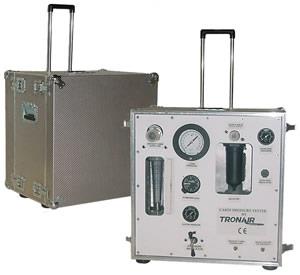
The CE mark is mandatory for products falling under any of 24 directives outlined by the European Commission. For aviation, this includes a range of ground support equipment: hydraulic power units, oxygen and nitrogen servicing carts, jacks, towbars, and ground power units. Depending on the nature of the equipment, additional aviation-related gear may also require CE marking before it can be legally marketed in European countries.
Why Does CE Compliance Matter in Aviation?
Safety
Ground support equipment handles critical airport and airline tasks – from towing aircraft and managing fuel systems to passenger boarding and deicing. CE compliance ensures this equipment meets rigorous safety standards, reducing the risk of accidents, malfunctions, and harm to personnel and passengers.
Market Access
CE marking is the gateway to the EEA market. Products bearing the mark are recognized as safe, reliable, and compliant – giving manufacturers a competitive advantage in Europe and building credibility in international markets more broadly.
Legal Obligation
For products sold within the EEA, CE compliance is not discretionary. Non-compliance can result in financial penalties, product recalls, market bans, and reputational damage. For aviation equipment manufacturers, CE certification is a prerequisite for legal market entry.
How Is CE Compliance Achieved?
The process involves five core steps:
1. Identify Applicable Directives and Standards
Determine which EU directives apply to the specific equipment. Common directives for aviation GSE include the Machinery Directive, the Electromagnetic Compatibility (EMC) Directive, and the Low Voltage Directive, among others.
2. Conduct a Conformity Assessment
Evaluate whether the equipment meets the essential requirements of the applicable directives through testing, inspections, and quality control. Depending on the product category, this may involve internal assessment or engagement with an external notified body.
3. Compile Technical Documentation
Maintain comprehensive documentation as evidence of compliance – including product specifications, design and manufacturing processes, risk assessments, test reports, and conformity assessments.

4. Issue a Declaration of Conformity
The manufacturer must prepare a Declaration of Conformity (DoC) stating that the product complies with all relevant EU directives. This is a legally binding document that holds the manufacturer accountable for the product's compliance.
5. Affix the CE Mark
Once the conformity assessment is complete and documentation is in order, the CE mark is affixed to the product. It must be visible, legible, and indelible – accompanied by the notified body's identification number where applicable.
How Is CE Compliance Maintained?
Achieving compliance is only the beginning. Maintaining it requires a proactive approach:
Staying up to date with updates to EU directives ensures ongoing compliance as regulatory requirements evolve. Regular audits and inspections confirm that equipment and documentation remain in order. Investing in team training ensures personnel understand the requirements and procedures involved. And a culture of continuous improvement – using audit findings and operational experience to refine design and manufacturing processes – keeps compliance embedded in how the business operates.

The Bottom Line
CE compliance is a fundamental requirement for any manufacturer or operator bringing aviation GSE to the European market. It's also a meaningful commitment to safety, quality, and accountability.
By following a structured compliance process and staying informed about regulatory changes, manufacturers can protect their market access, minimize legal risk, and deliver equipment that meets the highest standards.
If you have questions about CE compliance and how it affects your operations or equipment sourcing, our aviation specialists are happy to help. Contact us by phone, email, or live chat today!