Optimizing Aircraft Towing: Best Practices for Safe Operations
Key Takeaways
- Aircraft towing conserves fuel, reduces engine wear, and enables precise movement in congested ramp environments – supporting pushback operations, hangar repositioning, maintenance access, and deicing procedures.
- Ground crews, supervised by a designated team leader, are primarily responsible for towing operations. Pilots may share responsibility depending on the situation, particularly during gate pushbacks.
- Safe towing requires a properly matched tug and towbar – with the towbar head selected for the specific aircraft's nose gear configuration. Equipment must be inspected before every tow.
- The 10-step towing procedure covers equipment preparation, secure attachment, brake release, clearance verification, controlled movement, crew communication, and post-tow inspection and documentation. Skipping any step increases the risk of aircraft damage or injury.
- Environmental factors – wind, precipitation, ice, poor visibility, and ramp congestion – all affect towing safety and may require adjusted procedures, reduced speeds, or operational holds.
- Towing procedures are governed by FAA guidelines in the U.S. and ICAO standards globally. Different aircraft types – from light singles to wide-body jets and helicopters – require different equipment and procedures based on size, weight, and landing gear configuration.
Aircraft towing is an essential part of ground operations, ensuring that aircraft can be safely moved on the tarmac, in hangars, or between terminals. Proper towing is critical for maintaining aircraft safety, preventing damage, and ensuring smooth operations, whether moving an aircraft for maintenance, repositioning it for takeoff, or relocating it to storage.
In this article, we’ll break down everything you need to know about aircraft towing procedures, including who is responsible for towing, what equipment is required, and the best practices for safe towing.
Why Do Aircraft Need to Be Towed?
Towing aircraft is necessary for several operational reasons. It enables efficient ground movement without using engine power, conserving fuel and reducing wear on aircraft systems. Towing is common in congested airport environments where space is limited and precise movements are required.
Aircraft are towed during pushback operations from gates, repositioning on the ramp, and when moving between hangars or terminals, especially in large airports or during adverse weather conditions when engine power may not be desired or sufficient.
Additionally, towing is vital for aircraft undergoing maintenance or inspections, enabling them to be moved safely to designated service areas. This includes repositioning for storage or during deicing operations.
Who Is Responsible for Towing Aircraft During Ground Operations?
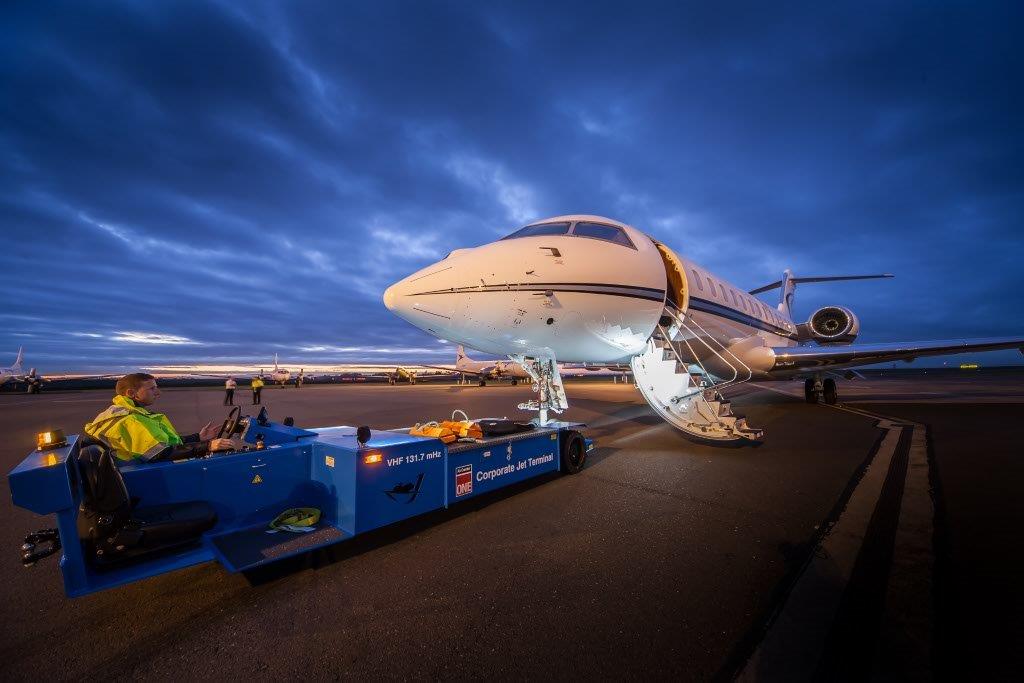
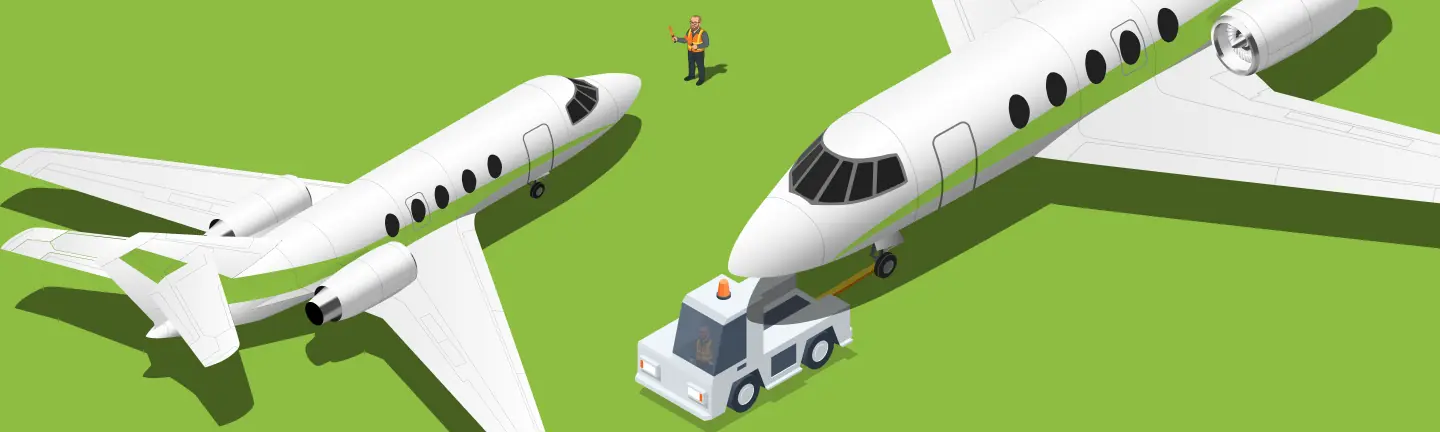
In most aviation operations, the ground crew – including ramp agents, ground support personnel, and maintenance technicians – is responsible for towing aircraft. These individuals are trained to handle aircraft safely while on the ground.
The towing process is typically overseen by a designated ground handling supervisor or team leader who ensures that all safety protocols and procedures are followed. Depending on the operation, responsibility may also be shared with pilots, especially during pushback from gates or when specific equipment is required for towing.
What Type of Equipment Is Used to Tow Aircraft?
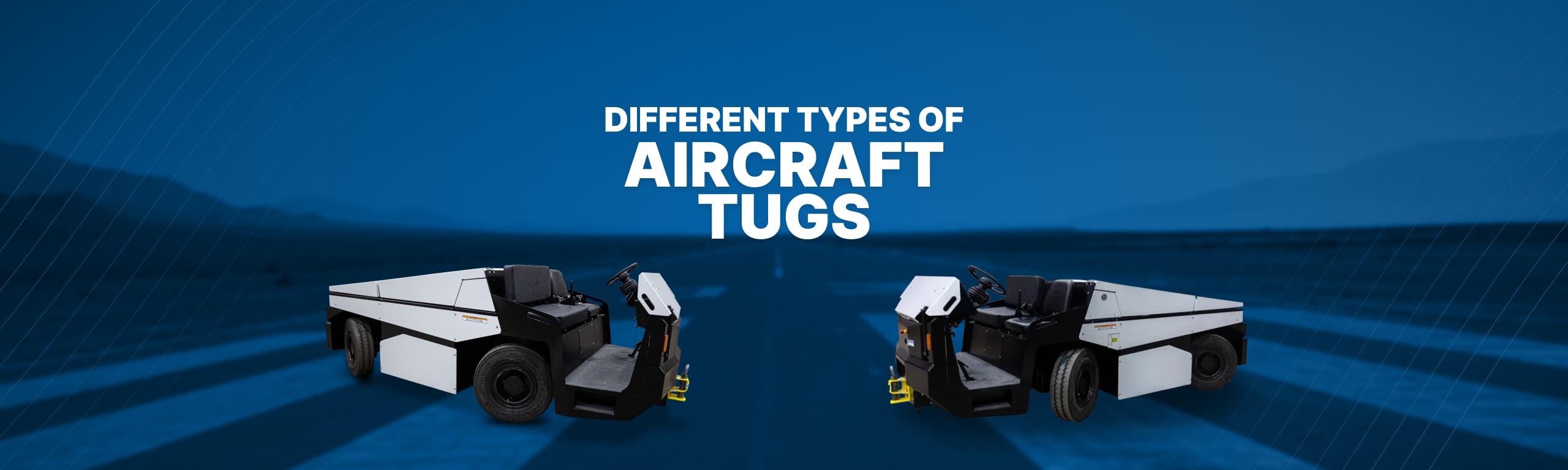
Aircraft towing requires specialized equipment designed to handle the weight and maneuverability of aircraft. The primary piece of equipment used is an aircraft pushback tug, also known as a tow tractor, which can be powered by either diesel or electric. These tugs come in various sizes and capacities, depending on the aircraft being moved.
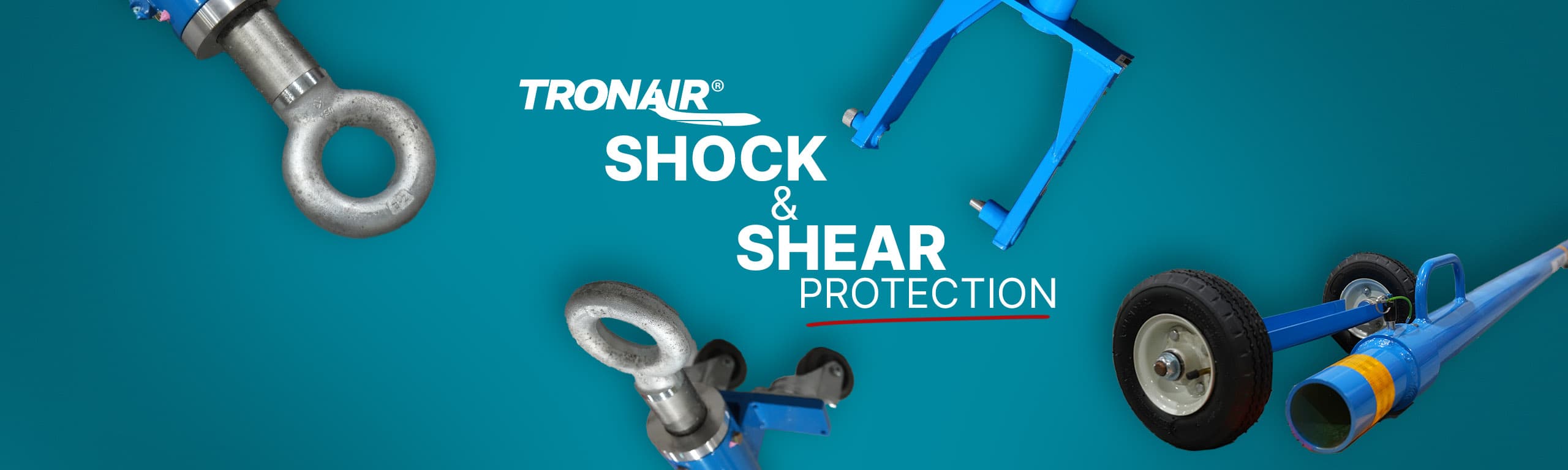
Additionally, towbars are essential tools that connect the tug to the aircraft, facilitating the movement. The towbar heads, which attach to specific aircraft models, ensure a secure connection and are available in various configurations for commercial, general aviation, and helicopter models.
What Are the Proper Procedures for Aircraft Towing?
Proper aircraft towing is vital to safe and efficient ground operations. It ensures aircraft are moved without causing damage to the plane or posing a risk to the ground crew. Following well-defined procedures is critical to maintaining safety and preventing accidents. Below is a step-by-step process for towing an aircraft, outlining key procedures and best practices.
1. Prepare the Equipment
Before towing begins, ensure all necessary equipment is on hand and in proper working condition. This includes the aircraft pushback tug, towbar, and any other tools required for the operation. Verify that the tug is properly fueled or charged (depending on whether it's diesel or electric), and inspect the towbar for any signs of damage or wear.
2. Attach the Towbar to the Aircraft
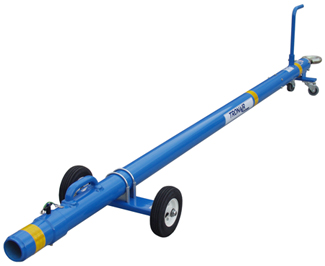
Next, carefully attach the aircraft towbar to the nose gear or the tailwheel, depending on the aircraft type and towing configuration. Ensure the towbar is securely connected and locked in place, with no slack or play that could cause accidental detachment during towing.
3. Connect the Towbar to the Tug
Once the towbar is securely attached to the aircraft, connect the other end to the tug. Ensure the connection is tight and secure using the appropriate coupling mechanisms. Double-check that everything is aligned correctly to avoid issues during towing.
4. Release the Aircraft Brakes
Before starting the tow, fully release the aircraft's parking brakes to ensure smooth movement. Disengage all brakes, as well as the steering lock if equipped, to allow for proper towing.
5. Verify Aircraft Position and Clearance
Ensure that the aircraft is clear of any obstacles and that the area around the plane is safe for movement. This includes ensuring no other vehicles, equipment, or personnel are in the way. It’s also important to check that the aircraft is correctly aligned and positioned in the correct direction for towing.
6. Start the Tow Slowly
Begin towing the aircraft slowly, using minimal throttle on the tug. Gradually increase speed as needed. Maintaining a steady, controlled pace helps reduce the risk of aircraft damage and provides greater control over the operation.
7. Communicate with Ground Crew
Constant communication between the tug operator and ground crew is essential throughout the towing process. The ground crew should monitor the aircraft’s movement from multiple angles, ensuring it follows the correct path. Report any issues or obstacles immediately and make the necessary adjustments.
8. Avoid Sharp Turns and Sudden Stops
During towing, it’s essential to avoid sharp turns or sudden stops, as these can cause undue stress on both the aircraft and the tug. Turn slowly and carefully to ensure smooth transitions. Reduce the towing speed if turns are required to maintain control and avoid damage.
9. Complete the Tow and Secure the Aircraft
Once the aircraft has been successfully towed to its destination, carefully stop the tug and ensure it is appropriately positioned. Before detaching the towbar, double-check that the plane is stationary and the parking brakes are engaged. Then, disconnect the towbar from both the aircraft and the tug.
10. Final Inspection and Documentation
After the tow is complete, conduct a final inspection of the aircraft, tug, and any related equipment to ensure there is no damage. Document the completion of the towing procedure, including any issues encountered during the operation. Keeping records helps with maintenance tracking and ensures safety protocols are followed for future operations.
What Training Is Required for Personnel to Operate Aircraft Towing Equipment?

Personnel responsible for operating aircraft towing equipment must undergo specialized training to ensure they have the knowledge and skills necessary for safe operation. Training typically covers the proper use of towing equipment, the operation of tugs, the secure attachment and detachment of towbars, and understanding the aircraft’s specific towing needs.
Additionally, ground crew training often includes safety protocols such as communication signals, emergency procedures, and the importance of working with other team members. Many aviation organizations also require certification for personnel operating tugs or working in ramp operations, ensuring they are familiar with all safety standards and operational procedures.
What Environmental Factors Impact Aircraft Towing Safety?
Several environmental factors can impact the safety of aircraft towing operations. Weather conditions, such as high winds, rain, snow, or icy conditions, can make towing more difficult and dangerous, particularly when controlling the tug or ensuring the aircraft's safe movement. Additionally, extreme temperatures can affect the performance of towing equipment, such as the tug’s hydraulic systems or the aircraft’s tires.
Another key factor is the visibility of the towing path. Poor lighting or low visibility can increase the risk of accidents, especially at night or in fog. Towing in busy or congested ramp areas can also introduce additional risks, requiring heightened attention and coordination.
What Regulations or Standards Govern Aircraft Towing Procedures Globally?
Aircraft towing procedures are governed by various regulations and standards set by aviation authorities worldwide. These standards ensure that towing operations are conducted safely and effectively, reducing the risk of accidents or damage.
In the United States, the Federal Aviation Administration (FAA) provides guidelines on the safe movement of aircraft on the ground, including towbar use, tug specifications, and towing protocols.
Similarly, the International Civil Aviation Organization (ICAO) sets global standards for ground handling procedures, including aircraft towing. Airlines and ground handling companies must comply with these regulations to maintain safety and avoid regulatory penalties.
How Do Different Types of Aircraft Require Unique Towing Procedures?
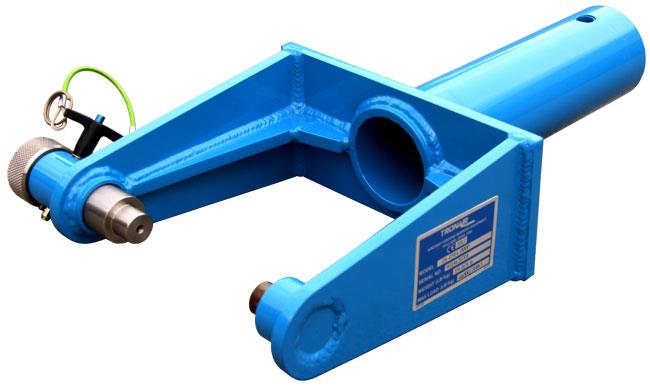
Different aircraft types require unique towing procedures due to variations in size, weight, and design. Single-engine planes and other smaller aircraft typically require less powerful towing equipment, such as universal general aviation towbars.
Larger commercial jets or cargo aircraft demand more robust towing units, such as specialized narrow and wide-body towbars. The design of the aircraft’s nose gear, for example, may require different towbar heads or attachment points. Additionally, aircraft with retractable landing gear may need additional care when towed to avoid potential damage. Helicopters and rotary-wing aircraft also require specific considerations for towing, as they often have different weight distributions and landing gear configurations.
The Bottom Line
Proper aircraft towing procedures are crucial for the safety and efficiency of ground operations. Aircraft operators can ensure smooth, damage-free movements on the tarmac and in hangars by using the right equipment, adhering to established procedures, and adequately training personnel. Adopting industry-standard practices and using the correct towing equipment also significantly reduces downtime and avoids costly repairs.
Pilot John International® (PJi®) is your go-to source for high-quality aircraft towing equipment – including tugs and tow tractors, towbars, and towbar heads – from trusted brands like Bogert Aviation, Brackett Aircraft Company (BAC), Clyde Machines, Eagle Tugs, Innoquest Inc., and Tronair.
Our knowledgeable aviation specialists are ready to assist you in selecting the right tools and equipment for your aircraft towing operations. Contact us today via phone, email, or chat, and let us provide the durable, high-performance equipment you need to optimize your ground handling processes.