




Safety By Design: The Science Behind High-Visibility Clothing
Key Takeaways
- Aviation ramps combine vehicle traffic, aircraft movement, high noise levels, limited sight lines, and changing lighting – making high-visibility clothing a frontline safety requirement, not just a compliance checkbox.
- In the U.S., ANSI/ISEA 107 governs hi-vis apparel by defining compliant colors, minimum material coverage, retroreflective strip requirements, and performance classes (1, 2, and 3). Higher classes provide more coverage and are better suited to active aviation ramp environments, especially at night.
- Fluorescent fabric enhances daytime and low-light visibility by converting UV energy into visible light, making wearers appear brighter than ambient light levels would otherwise allow – particularly effective at dawn, dusk, and in overcast conditions.
- Retroreflective striping solves the nighttime visibility problem by returning light directly toward its source. When vehicle lights hit retroreflective tape, the worker appears dramatically brighter than the surrounding environment – the material may look dull in daylight but "lights up" under artificial illumination.
- Lime green is the preferred hi-vis color for aviation because it provides strong contrast against the most common airport surfaces – dark tarmac, gray concrete, hangar interiors, and white or silver aircraft – making workers easier to spot at a glance across a wide range of conditions.
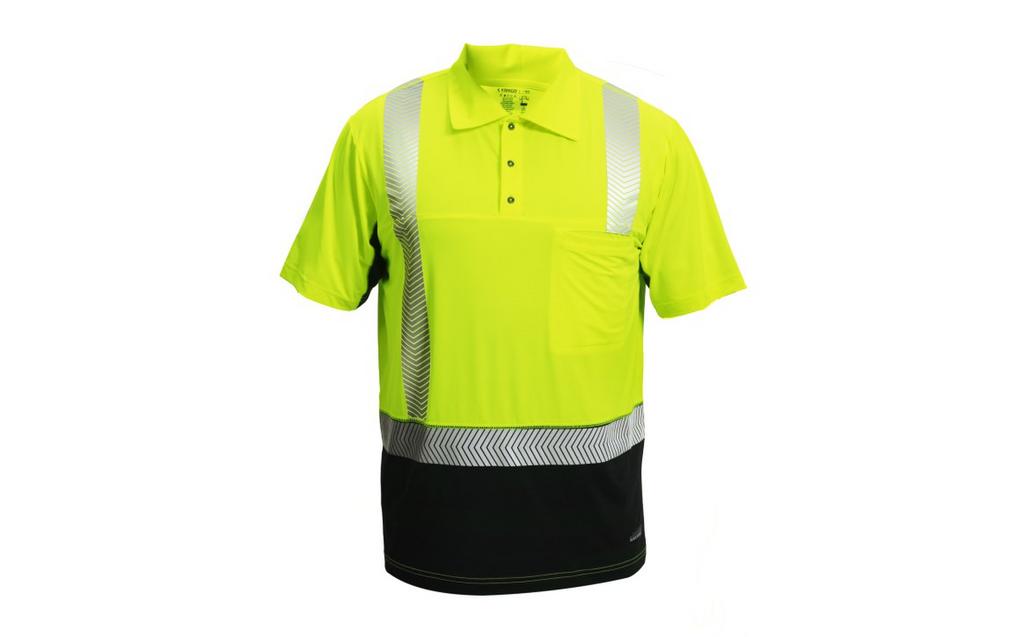
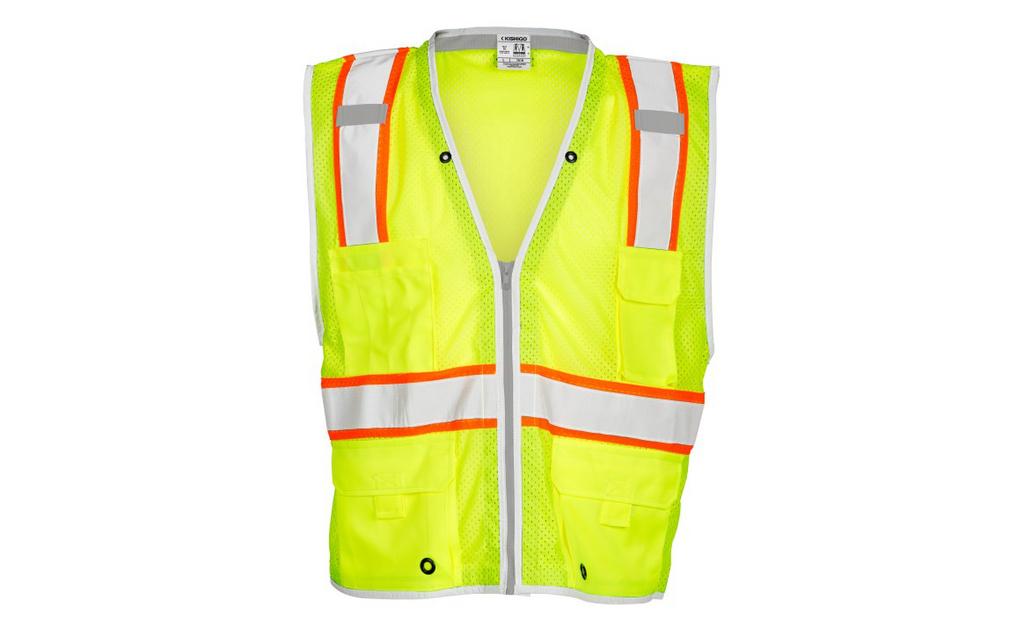
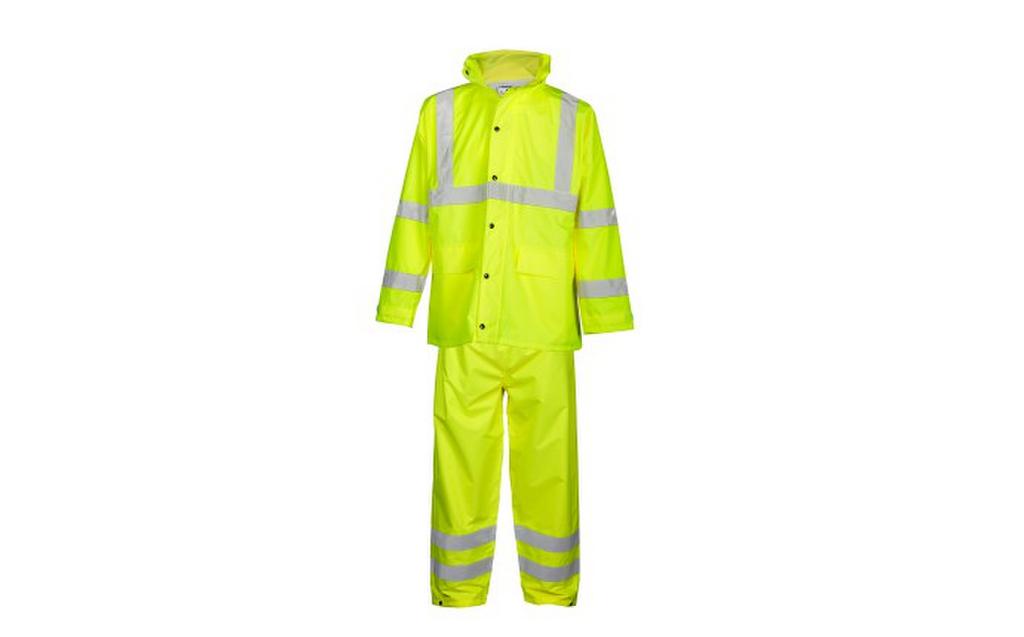
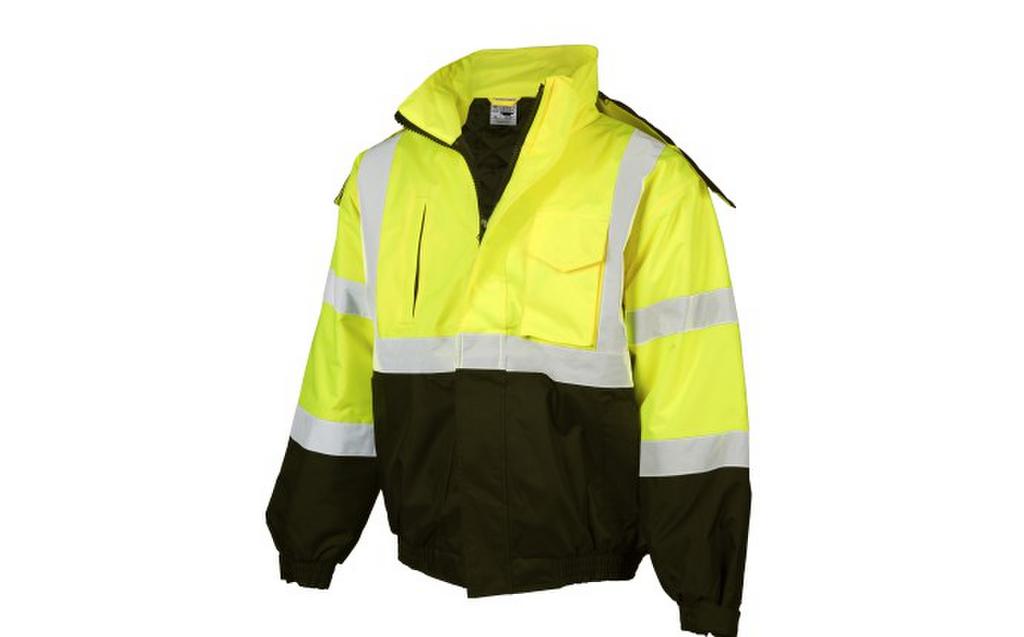
- Hi-vis garments degrade over time through UV exposure, washing, and abrasion. Faded fluorescence, cracked or peeling reflective tape, and heavy staining are all signs that the garment is no longer performing as designed and should be replaced. PJi carries Kishigo hi-vis apparel built for aviation environments, including vests, bomber jackets, polo shirts, and rainwear.
High-visibility clothing is one of the simplest safety upgrades an aviation operation can make – and one of the most misunderstood. To the casual observer, a hi-vis vest or jacket just looks “bright.” But in reality, the way high-visibility apparel performs is the result of deliberate design choices rooted in physics, human perception, and strict performance standards.
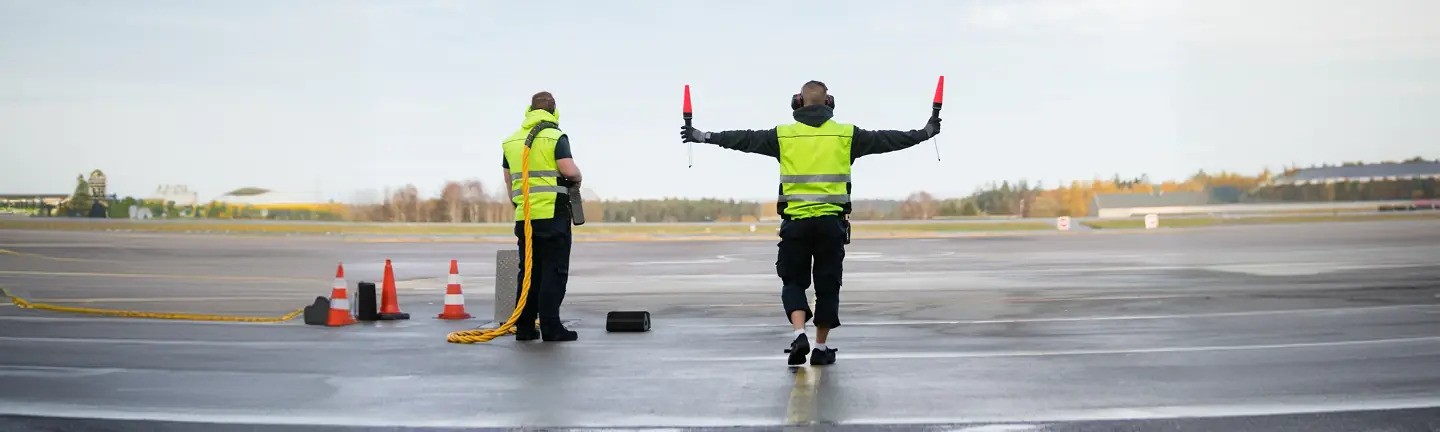
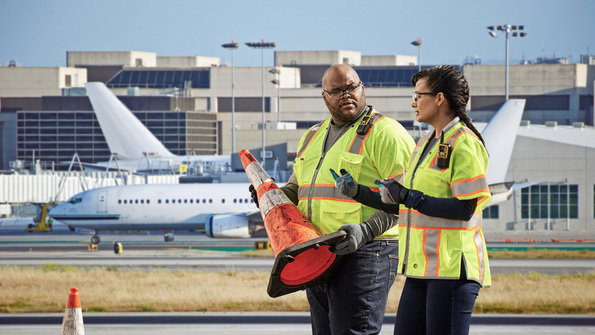
In aviation environments like ramps, hangars, and flight lines, visibility isn’t a nice-to-have – it’s a frontline safety requirement. Aircraft, tugs, fuel trucks, belt loaders, and service vehicles move through the same spaces where people are walking, working, signaling, and servicing equipment. Noise levels are high, sight lines can be limited, and distractions are constant. High-visibility clothing helps reduce risk by making ground personnel easier to detect quickly, even in busy, low-contrast, or low-light conditions.
In this article, we’ll break down how high-visibility clothing works, the key standards it must meet, and how to choose the right hi-vis gear for aviation operations.
What Safety Standards Govern High-Visibility Apparel?
High-visibility apparel is regulated because “looking bright” is not the same as being objectively visible in real working conditions. Standards exist to define what counts as compliant high-visibility clothing, how it must be constructed, and how it must perform after exposure to use, sunlight, and washing.
In the United States, the most widely referenced standard is ANSI/ISEA 107, which establishes requirements for approved fluorescent colors, minimum areas of visible material, retroreflective strip coverage, and garment design rules intended to improve worker detection. In Europe and other global markets, EN ISO 20471 serves a similar purpose, defining minimum performance criteria for high-visibility workwear and outlining how garments are classified and tested.
While OSHA does not “certify” individual garments, it plays a vital role by requiring employers to provide appropriate personal protective equipment (PPE) when hazards are present. In practice, ANSI/ISEA 107 and similar standards help employers and safety managers select high-visibility clothing that meets recognized safety expectations for work zones where vehicles and equipment are operating.
What Are the Performance Classes of Hi-Vis Apparel, and How Do They Apply to Aviation?
High-visibility clothing isn’t one-size-fits-all. Under ANSI/ISEA 107, garments are categorized into performance classes based on the amount of visible material they provide and the type of environment for which they’re designed.
In general terms:
- Class 1 garments provide the lowest level of coverage and are intended for lower-risk work zones with minimal traffic and greater separation from moving vehicles.
- Class 2 garments offer increased visibility through greater fluorescent coverage and more retroreflective striping, often used in environments with moderate traffic or more complex work conditions.
- Class 3 garments provide the highest visibility, with maximum coverage designed for high-speed traffic areas, low-light work, or operations where workers need to be recognized from farther away.
Aviation operations often demand more visibility than many people expect. Even though airport vehicles don’t move at highway speeds, the ramp is a high-activity environment with frequent vehicle movement, blind spots around equipment, and constant operational noise. That combination often makes higher-coverage garments (Class 2 or Class 3) more appropriate for line service, ground handling, and maintenance crews – especially for night operations, winter weather, or congested ramps.
Construction and roadwork classifications are helpful reference points, but aviation adds its own hazards: large moving aircraft, rotating beacons, limited depth perception at night, and complex traffic patterns around gates and hangars.
What Are the Different Type Designations for High-Visibility Clothing?
In addition to performance class, ANSI/ISEA 107 also includes type designations that help identify the kind of work environment the garment is intended to support.
Common types include:
- Type O (Off-Road) – intended for areas where workers are not exposed to roadway traffic, such as warehouses, parking lots, or controlled industrial sites.
- Type R (Roadway) – designed for workers exposed to vehicle traffic, such as road crews, utility workers, and others operating near moving vehicles.
- Type P (Public Safety) – intended for emergency responders and personnel who may work in unpredictable, high-risk environments with mixed hazards.
Aviation doesn’t fit neatly into a single category because airports combine industrial work zones, moving vehicles, and time-critical operations. However, ramp and airside environments often align more closely with Type R or Type P-style visibility needs, since ground crews routinely work near moving equipment and need to be identifiable quickly from multiple angles.
The takeaway is simple: when vehicles and equipment are moving near people, visibility requirements go up – and the garment type matters.
What Is the Science Behind High-Visibility Clothing?
High-visibility clothing works because it targets how people detect objects in the real world. Visibility isn’t only about brightness – it’s about contrast, recognition, and how quickly the brain can identify a person in motion. Modern hi-vis apparel relies on three core performance concepts: fluorescence, retroreflection, and combined-performance design.
How Fluorescence Works (Daytime and Low Light)
Fluorescent fabric is designed to appear brighter than normal “bright colors” because it doesn’t just reflect light – it transforms it.
Fluorescent dyes absorb invisible ultraviolet (UV) energy from sunlight (even in cloudy conditions) and re-emit it as visible light at longer wavelengths. This process increases the garment's perceived brightness and helps it stand out against common backgrounds such as asphalt, concrete, hangar floors, and aircraft surfaces.
Fluorescence is especially useful during dawn, dusk, overcast weather, and low-contrast daylight conditions, when visibility can drop even though it isn’t “dark” yet. In these moments, fluorescent hi-vis clothing can appear to almost “glow,” helping workers remain visible when ambient light is inconsistent.
How Retroreflection Works (Night and Artificial Light)
Retroreflective material solves a different problem: being seen when light levels are low and visibility depends on artificial light sources, such as vehicle headlights or ramp lighting.
Unlike standard reflective surfaces that scatter light in many directions, retroreflective strips are engineered to return light back toward its source. That means when a vehicle’s lights hit retroreflective tape, a significant portion of the light is directed back toward the driver’s eyes, making the worker appear much brighter than the surrounding environment.
Two common retroreflective technologies are:
- Glass bead reflective material, which uses tiny spherical beads that refract and return light
- Microprismatic reflective material, which uses geometric prism structures to direct light back more efficiently across a wider range of angles
This is why hi-vis tape can look relatively dull in daylight but becomes extremely bright when illuminated at night.
Combined Performance for 24/7 Visibility
The best high-visibility apparel doesn’t rely on a single method. It uses fluorescent fabric for daytime visibility and retroreflective striping for nighttime recognition, creating coverage that supports visibility across changing conditions.
For aviation teams working early mornings, late nights, or variable weather, this combined approach matters. A garment that performs well at noon may not perform the same way under ramp lights at 5 a.m. Hi-vis apparel is designed to maintain conspicuity across that full range of conditions.
What Fabric Performance Factors Should Hi-Vis Clothing Possess?
Aviation environments are hard on gear. Hi-vis clothing isn’t just about being seen – it also has to survive daily wear while continuing to meet performance expectations.
Key fabric performance factors include:
- Durability against abrasion and tearing, especially around equipment edges, cargo areas, and hangar work zones
- Breathability and comfort, since heat buildup can become a safety issue during long shifts
- Resistance to fading, because fluorescent color performance degrades over time with UV exposure
- Wash and wear retention, since reflective materials can lose effectiveness if damaged or degraded
- Weather adaptability, including options for rainwear, insulated layers, and lightweight garments for hot climates
Polyester and polyester blends are commonly used because they hold fluorescent dye well, resist wear, and perform reliably in demanding work environments. In the real world, fabric quality is directly tied to safety because worn-out gear can quietly lose its visibility advantage long before it looks unusable.
How Do You Select Appropriate High-Visibility Apparel for Aviation Operations?
Choosing high-visibility apparel for aviation isn’t just a matter of picking a bright vest. The right selection depends on your environment, your tasks, and how your team works on the ramp or in the hangar. Start with a few key questions:
What Level of Coverage Is Required?
Higher-coverage garments improve detection and recognition, especially in active work zones or during night operations. More visible surface area also helps your presence stand out against busy ramp backgrounds and moving equipment.
Will Work Be Performed in Low Light or Darkness?
If so, retroreflective coverage becomes a priority, and higher-performance garments are often the better choice. This is especially important when visibility depends on ramp lighting, vehicle headlights, or other artificial light sources.
Does the Garment Fit Correctly Over Your Workwear?
Hi-vis gear must be worn properly to work properly. A poor fit can reduce mobility, create snag hazards, or cause reflective striping to sit incorrectly. The right fit also helps ensure the garment stays in place during repeated movement and task changes.
How Demanding Is the Work Environment?
If gear is exposed to fuel, grime, repeated washing, and abrasion, durability and long-term performance matter as much as initial brightness. Choosing work-ready construction helps maintain consistent visibility throughout the garment’s service life.
Does the Design Support Visibility from All Angles?
Aviation work is rarely “front-facing.” Garments need to remain effective whether someone is walking, bending, signaling, or working beside equipment. Look for designs that keep visibility consistent during motion, not just when standing still.
The best hi-vis selection is the one that supports safety without getting in the way of the job.
How Often Should High-Visibility Clothing Be Maintained or Replaced?
High-visibility clothing is not a buy-it-once item. Over time, the materials that make it effective can degrade – and that degradation may not be evident until visibility is compromised.
Common signs it’s time to maintain or replace a garment include:
- Faded or dulled fluorescent fabric, especially after heavy sun exposure
- Cracked, peeling, or damaged reflective striping, which can reduce nighttime visibility
- Heavy staining or embedded dirt, which can diminish contrast and brightness
- Rips, tears, or structural damage that affects fit or coverage
- General aging and wear, especially for garments used daily
Maintenance also matters. Proper washing and storage help preserve visibility performance, while harsh conditions and poor handling can shorten garment life. If a garment no longer looks bright in daylight or no longer “pops” under headlights, it’s not doing its job.
Which Hi-Vis Colors Are Right for Aviation Ground Personnel?
The most common compliant hi-vis colors include yellow-green (often called lime green), orange-red, and red. Each can be effective depending on the environment, lighting conditions, and the surrounding colors on the job site.
In aviation settings, however, lime green is often preferred because it provides strong contrast against many typical airport surfaces, including:
- Dark asphalt and tarmac
- Gray concrete ramps
- Hangar interiors with mixed lighting
- White, silver, and gray aircraft paint schemes
In busy ramp environments, visibility can also be reduced by background clutter like equipment, cones, markings, and lighting reflections. Choosing a color that stands out clearly against those common surroundings helps ground personnel remain easier to spot at a glance. When visibility is the goal, contrast is the advantage – and lime green consistently performs well across a wide range of aviation conditions.
Why Does Visibility Matter in Aviation Environments?
Aviation ramps are dynamic work zones where people and equipment constantly share space. Unlike many workplaces, the hazards aren’t limited to one direction or one type of movement.
Visibility matters because aviation environments include:
- Vehicle traffic from tugs, fuel trucks, and service carts
- Aircraft movement during taxi, pushback, and repositioning
- High noise levels that limit verbal warnings
- Blind spots created by equipment and aircraft geometry
- Changing lighting conditions, including glare, shadows, and nighttime operations
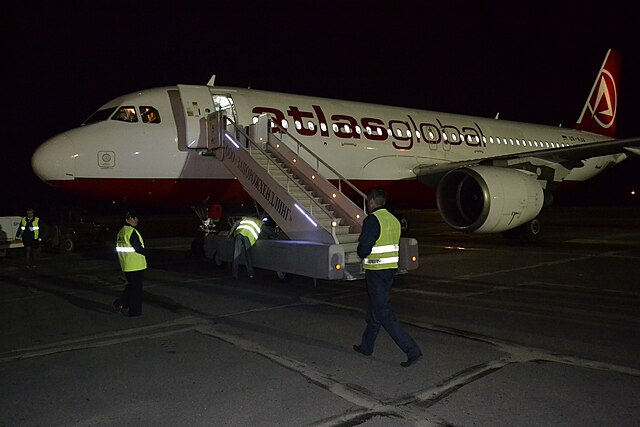
High-visibility clothing helps reduce the chance of a person blending into the background when attention is divided. It supports faster detection, quicker recognition, and safer decision-making for both vehicle operators and personnel on foot. In environments where seconds matter, being seen early is one of the most practical ways to prevent incidents.
What Is High-Visibility Clothing Made From?
High-visibility clothing is engineered as a system, not just a fabric choice. The base garment and reflective components work together to create all-condition visibility.
What Types of Fabric Are Used in Hi-Vis Garments?
Hi-vis garments are typically made from durable synthetic materials such as polyester or polyester blends. These fabrics are chosen because they accept fluorescent dyes well, hold color better than many alternatives, and stand up to repeated use and laundering.
In aviation environments, the fabric must also remain comfortable across long shifts. Breathable construction and lightweight options help reduce heat stress, while heavier outerwear and rainwear enhance visibility during cold or wet-weather operations.
What Materials Are the Reflective Strips Made Of?
Reflective strips are typically made from retroreflective tape that returns light back toward its source. Two common designs include:
- Glass bead reflective tape, which uses microscopic beads to redirect light back toward the observer
- Microprismatic reflective tape, which uses tiny prism-like structures for a brighter return across wider angles
The goal is the same: improve nighttime and low-light visibility when artificial lighting is the primary source of illumination. In real-world ramp conditions, this reflective performance can be the difference between being noticed instantly and being missed entirely.
What Are the Design Requirements for High-Visibility Safety Apparel?
High-visibility standards don’t just specify materials – they also define how garments must be designed to support recognition and visibility from multiple viewpoints. Key design requirements include:
360° Visibility
Hi-vis apparel must be visible from all sides, not just the front. This is essential for aviation, where workers may be moving in any direction relative to vehicles and aircraft.
Minimum Required Areas of Fluorescent and Reflective Materials
Standards define the minimum amount of background fluorescent material and retroreflective striping required to meet a performance class. This helps ensure garments stand out at a distance and remain noticeable in busy work zones.
Reflective Band Placement
Reflective striping isn’t random. Its placement helps create a recognizable human form, improving how quickly someone is identified as a person rather than an object.
Recognition Under Real Viewing Conditions
Visibility depends on contrast, lighting, and viewing angles. Standards account for this by requiring testing and performance thresholds that go beyond subjective appearance.
When design requirements are followed correctly, hi-vis apparel doesn’t just stand out – it communicates “human presence” clearly, which improves safety in busy operational spaces.
What Makes Kishigo High-Visibility Safety Apparel a Smart Choice?
Kishigo high-visibility safety apparel is designed with performance and compliance in mind, making it a strong fit for aviation work environments where durability and visibility are non-negotiable. Kishigo focuses on ANSI/ISEA-aligned construction, high-quality materials, and garment designs that provide all-around visibility in demanding conditions.
For aviation ground personnel, comfort also matters. Breathable fabrics, durable stitching, and practical garment features help crews stay protected and mobile without sacrificing visibility. With a range of high-visibility apparel options available, teams can choose the right gear for their job demands, seasonal conditions, and operating environment.
When high-visibility clothing is treated as safety equipment, Kishigo delivers a balance of compliance, performance, and long-term wearability.
The Bottom Line
High-visibility clothing plays a critical role in aviation safety because it’s engineered to help people be seen in environments where vehicles, aircraft, and personnel operate side-by-side. From fluorescent materials that enhance daytime brightness to retroreflective striping that returns light at night, hi-vis apparel is built on proven science and regulated standards – not just bold color.
Pilot John International® (PJi®) is your trusted source for premium aviation safety equipment, including Kishigo high-visibility safety vests, bomber jackets, polo shirts, and rainwear built for real-world ramp and hangar operations.
If you need help selecting the right high-visibility clothing for your team, contact PJi’s aviation specialists by phone, email, or live chat for expert guidance and dependable support.