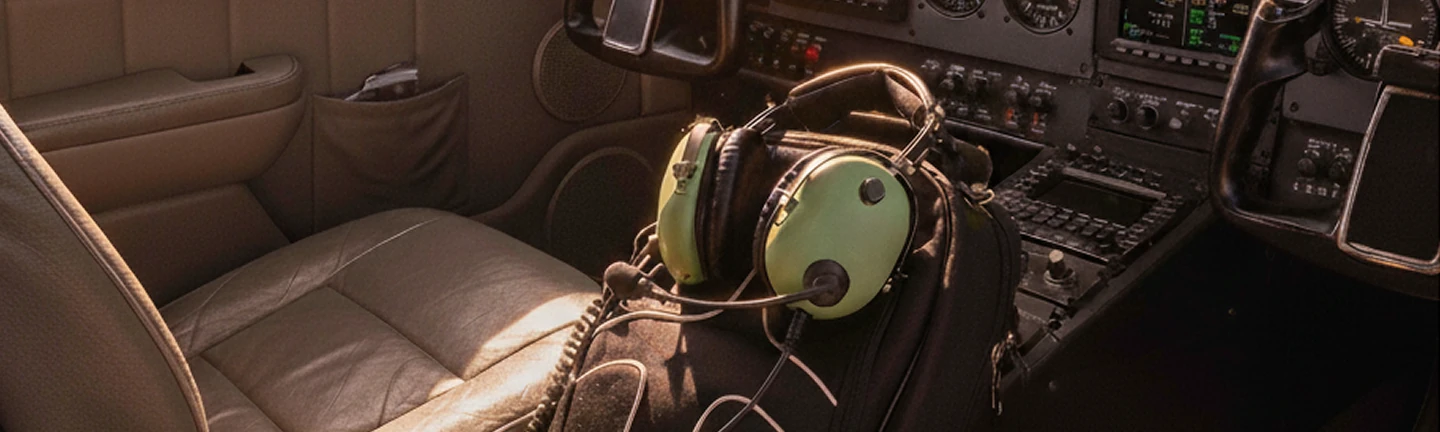





Top Flight Training Gear Every Student Pilot Needs
Key Takeaways
- A quality aviation headset is the first essential purchase for student pilots – prioritize comfort, noise reduction (PNR or ANR), and microphone clarity. Budget-friendly options like Kore Aviation's KA-1 and P1 are popular starting points, while David Clark's H10-13.4 offers proven durability.
- Non-polarized sunglasses are the correct choice for pilots – polarized lenses interfere with LCD avionics displays and can reduce the reflections used to spot traffic. Flying Eyes pilot sunglasses feature thin temples for comfortable headset compatibility.
- Core organizational gear – a kneeboard or clipboard, a quality flight bag, and a tablet with an EFB app like ForeFlight – keeps charts, checklists, and navigation tools accessible and reduces cockpit workload throughout training.
- Regulatory and navigation essentials include a current FAR/AIM, sectional and terminal area charts (check expiration dates), an E6B flight computer, and a plotter – foundational tools for developing accurate flight-planning habits before the checkride.
- Safety-focused basics include a fuel tester for preflight contamination checks, a flashlight for low-light inspections, and a handheld transceiver as a backup in case of cockpit radio failure – small investments with significant safety returns.
- IFR training hoods or foggles are FAA-required for the three hours of simulated instrument time needed for the private pilot checkride, and checkride/oral exam guides help student pilots prepare for both the written and practical portions of certification.
Becoming a pilot is more than just learning to fly – it’s about building confidence, mastering procedures, and staying prepared from day one of flight school. Whether you're just starting ground school or already logging hours in the cockpit, having the right gear can make your flight training smoother, safer, and far more efficient. From dependable headsets to kneeboards, flight bags, and essential cockpit tools, the gear you choose plays a critical role in your success as a student pilot.
In this article, we break down the top flight training gear every student pilot needs, offering a practical checklist of essentials that help you stay organized, improve situational awareness, and build good habits early in your training journey.
What Are the Essential Pilot Supplies for Student Flight Training?
Before you ever step into the cockpit, having the right flight training supplies can make all the difference. From improving safety and efficiency to supporting your learning and legal requirements, these essential pilot tools are the foundation of successful student flight training. Let’s take a closer look at some key items every new pilot should carry, from headsets and logbooks to navigation tools and safety equipment.
Aviation Headset
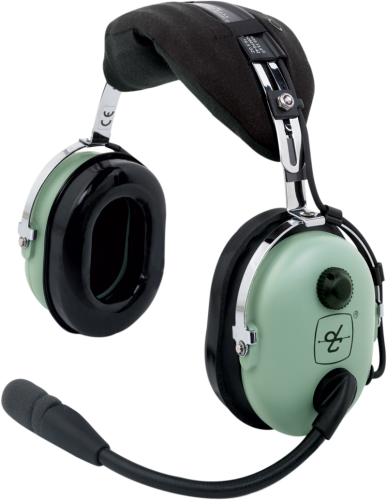
Clear communication and hearing protection are non-negotiable in the cockpit, making a dependable aviation headset one of the first must-haves for student pilots. When choosing a headset, new flyers should consider comfort, weight, and adjustability to ensure long-lasting wear during extended lessons. It's also important to look for features like passive noise reduction (PNR) or active noise reduction (ANR), a high-quality microphone, and clear audio output for effective communication in flight.
Over-ear designs like the David Clark H10-13.4 headset, a top pick among new pilots, offer adjustable boom mic placement and proven durability, while budget-friendly options like the Kore Aviation KA-1 and Kore P1 pilot headsets provide impressive comfort, reliable performance, and cost-saving value. Always carry spare batteries if your headset requires power, and choose a model that keeps you alert, connected, and flight-ready from day one.
Non-Polarized Sunglasses
Non-polarized sunglasses are an important part of any student pilot’s flight bag, offering glare reduction while preserving the visibility of instrument panels and digital displays. Unlike polarized lenses, non-polarized options let you read avionics screens and charting apps clearly without distortion, which is critical for maintaining situational awareness in bright conditions. They also help reduce eye strain and fatigue during long daytime flights.
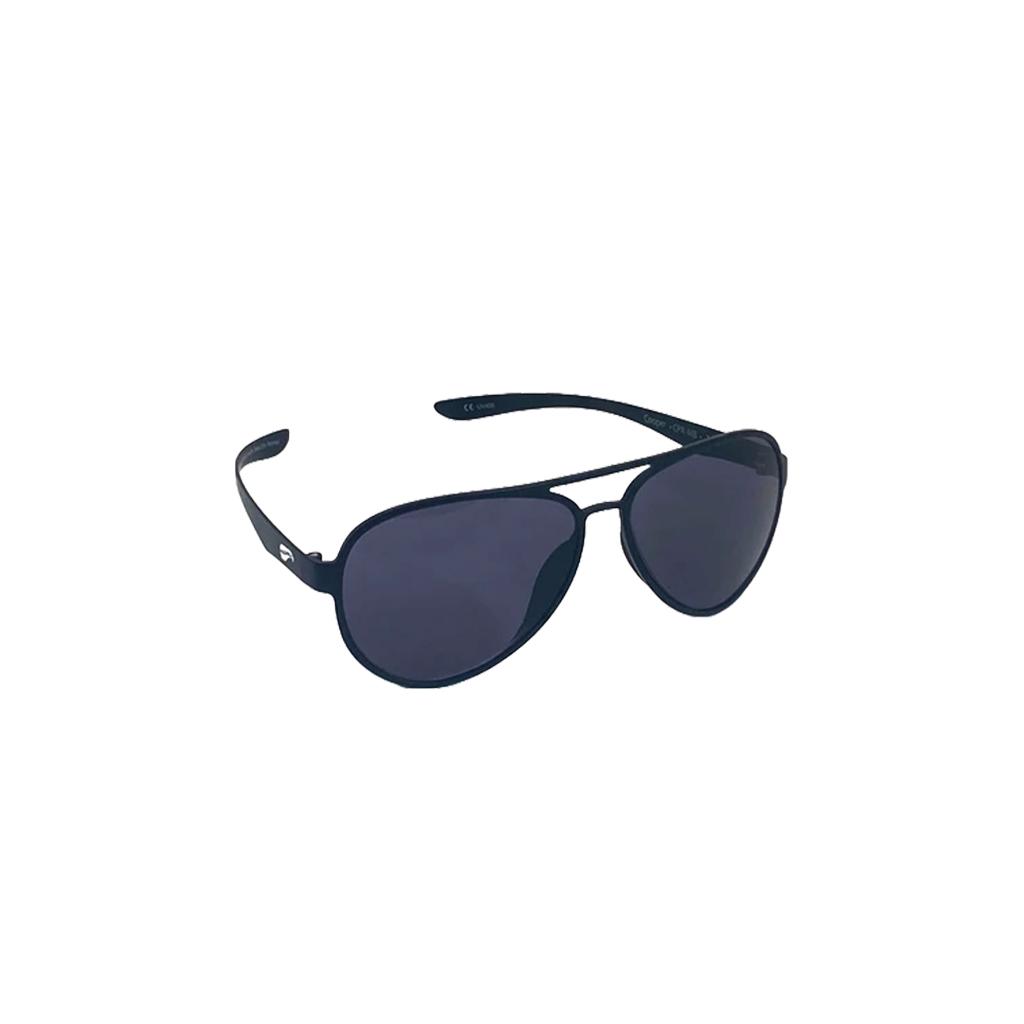
For the best combination of clarity, comfort, and headset compatibility, we recommend Flying Eyes pilot sunglasses, which feature ultra-thin temples designed to sit comfortably beneath your headset without compromising noise isolation. Whether you're training under sunny skies or preparing for cross-country flights, a reliable pair of flight-friendly sunglasses helps keep your focus sharp and your vision clear.
Pilot Logbook
A pilot logbook isn’t just a simple record of hours flown – it’s an official, FAA-recognized document that tracks your training progress, instructor endorsements, and ground school sessions. Student pilots rely on their logbook to document every flight and lesson, including what was practiced in the air and what was covered in the classroom, making it essential for meeting legal requirements and preparing for the checkride.
While digital logbooks are gaining popularity, they must be approved by your instructor for use during training; otherwise, a traditional paper logbook remains a trusted and reliable choice. Whether you log your time electronically or by hand, keeping detailed, accurate records is a habit that will serve you well throughout your flying career.
Kneeboard
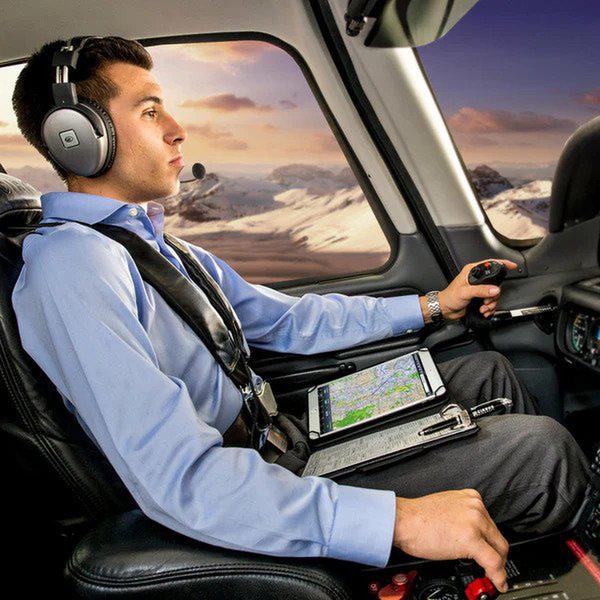
A kneeboard is an essential tool for organizing, securing, and easily accessing your in-flight materials. It straps comfortably to your thigh with Velcro and provides a hands-free surface to hold charts, checklists, flight planning notes, or even an iPad – making it a favorite among student pilots for staying focused and prepared in the cockpit.
Many kneeboards include built-in clips or pockets to store pens, calculators, and reference materials, helping you maintain quick access to everything you need during flight. Whether you're jotting down ATC instructions or following your navigation app, a reliable kneeboard keeps your cockpit workflow streamlined and stress-free.
iPad or Digital Tablet
An iPad or digital tablet equipped with aviation apps like ForeFlight or SkyDemon has become an indispensable tool for modern flight training. These devices allow student pilots to access digital charts, electronic flight bag (EFB) apps, logbooks, and supplemental documents all in one place, streamlining cockpit operations.
With real-time GPS positioning and intuitive map overlays, these apps enhance situational awareness by helping you visualize your position relative to airspace, terrain, and navigation waypoints. Whether you're planning a cross-country flight or checking NOTAMs on the go, a tablet keeps your flight data organized, up to date, and always within reach.
Flight Bag

No student pilot’s gear setup is complete without a dependable flight bag to keep essential equipment organized, protected, and ready to go. A well-designed flight bag stores everything from your aviation headset and logbook to tablets, charts, and checklists, helping you stay efficient both on the ramp and in the air.
For those who prefer simplicity without sacrificing functionality, the MyGoFlight PLC Lite Flight Bag is a top recommendation. It offers streamlined storage, dedicated compartments, and lightweight durability, making it ideal for flight training. Whether you’re heading to your first lesson or preparing for a solo cross-country flight, a quality flight bag ensures your pilot supplies are secure and always within reach.
Checklist
A reliable pilot checklist is essential for ensuring a systematic, step-by-step approach to every phase of flight – from preflight inspection and engine start to landing and shutdown. For student pilots, checklists serve as both a safety net and a learning tool, reinforcing procedures and reducing the risk of missing critical steps during training.
Many flight schools provide aircraft-specific checklists, but having your own laminated or bound copy ensures consistency and readiness. Whether digital or paper, using a comprehensive checklist builds discipline, enhances situational awareness, and promotes safe, confident decision-making in the cockpit.
Portable Chargers
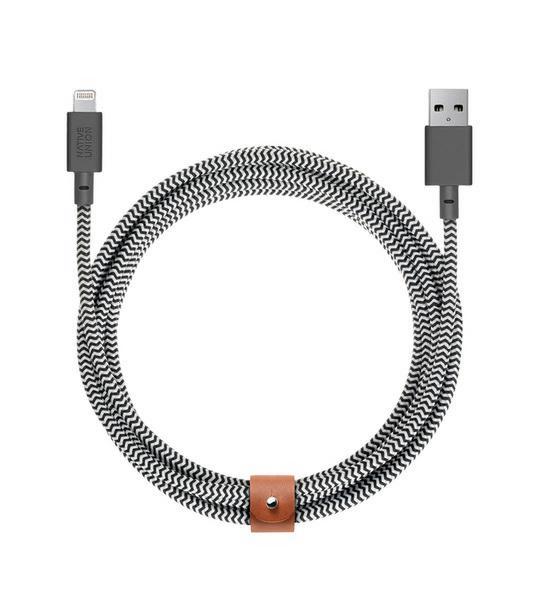
Keeping your electronics powered throughout every flight is critical, especially when relying on devices like iPads, phones, and digital logbooks. Portable chargers, battery packs, and aircraft-compatible charging cables ensure your essential flight apps, GPS navigation, and digital checklists stay running when you need them most.
Student pilots should always carry backup power sources and extra charging cords, making sure they're compatible with the aircraft’s available power outlets. A dead battery mid-flight isn’t just inconvenient – it can disrupt your entire cockpit workflow. Reliable portable power keeps you focused, connected, and prepared from takeoff to landing.
FAR/AIM
The FAR/AIM – short for Federal Aviation Regulations and Aeronautical Information Manual – is a vital regulatory reference that every student pilot should keep close throughout training. It contains the rules, procedures, and safety standards that govern U.S. airspace, making it essential for understanding both legal requirements and best practices. A new edition is released annually, so make sure you're using the most current version.
While the FAA offers a free digital download, many students and instructors still prefer the convenience of a printed copy for quick access during lessons and study sessions. Whether digital or physical, having the FAR/AIM on hand supports better decision-making and helps you prepare for written exams and checkrides with confidence.
Sectional and Terminal Charts
Sectional and terminal area charts are fundamental navigation tools that every student pilot should carry when learning to fly. These aeronautical charts provide detailed information about airspace structure, landmarks, navigation aids, and airport data specific to your training region.
Unlike permanent resources, they have expiration dates – typically every 56 to 180 days – so it’s essential to check for chart currency before each flight. Staying current not only keeps you compliant but also ensures you're using the most accurate, up-to-date navigation information. Whether you're planning a local practice flight or your first cross-country, reliable charts help build situational awareness and reinforce core flight planning skills.
E6B Flight Computer
An E6B flight computer is a must-have tool for student pilots learning how to perform flight planning and in-flight calculations with accuracy and confidence. Available in both mechanical and app-based digital versions, the E6B is uniquely designed to solve aviation-specific problems such as time, speed, and distance; fuel burn; true airspeed; crosswind components; and pressure or density altitude.
The traditional mechanical version functions as a circular slide rule on one side and a wind correction calculator on the other – perfect for practicing navigation fundamentals during cross-country training. Digital E6Bs offer the same functionality with added convenience, especially when integrated with your tablet or phone. Whichever format you choose, the E6B is a versatile and reliable flight planning companion every pilot-in-training should master.
Plotter
A plotter is an essential flight planning tool that helps student pilots measure distances and determine true course on sectional, terminal, and World Aeronautical Charts (WACs). Though it resembles a simple plastic ruler, a pilot plotter is specifically designed for aeronautical charts, combining distance measurement with angle calculation to support accurate VFR navigation.
There are two main types of plotters – fixed and rotating – with the latter featuring a built-in circular compass rose that allows you to easily align and measure directional headings. Used alongside a sectional chart, the plotter plays a key role in cross-country planning and helps reinforce foundational navigation skills. Whether you're planning short local hops or longer training flights, having a plotter in your flight bag ensures precision from the ground up.
Handbooks and Training Manuals
In addition to the FAR/AIM, student pilots should keep a set of key training manuals on hand – either in print or digital format – to support their learning and exam prep. The Pilot’s Handbook of Aeronautical Knowledge, the Airplane Flying Handbook, and Aviation Weather are all available for free download from the FAA and provide foundational knowledge in aerodynamics, flight procedures, and meteorology.
Just as essential is the Pilot’s Operating Handbook (POH) for the specific aircraft you'll be training in, which outlines system details, performance data, and operating limitations. Together, these resources form the educational backbone of flight training, helping student pilots understand not just how to fly but why things work the way they do. Keeping these references accessible – on your iPad or in your flight bag – sets you up for long-term success in both written exams and real-world flying.
Fuel Tester Kit and Flashlight

Preflight inspections are a critical part of safe flying, and two must-have tools for student pilots are a fuel tester kit and a flashlight. A fuel tester allows you to check for water or solid contaminants in your fuel before takeoff – an FAA-required task for every pilot. Many test kits come with added features like reversible screwdrivers, making them even more practical for quick inspections on the ramp.
Just as important, a compact, high-intensity flashlight helps you spot issues in low-light conditions and is especially useful during early morning or evening preflights. These affordable, compact tools offer peace of mind and help ensure your aircraft is truly flight-ready before every lesson.
What Additional Gear Is Recommended for Student Pilots?
While not always required, there’s a range of recommended pilot gear that can make flight training more comfortable, efficient, and effective. These helpful extras support everything from in-flight organization to test prep and situational awareness, giving student pilots a clear edge during training. Whether you're looking to streamline your cockpit setup, stay on top of checkride prep, or simply enhance your overall flying experience, the following accessories are worth considering.
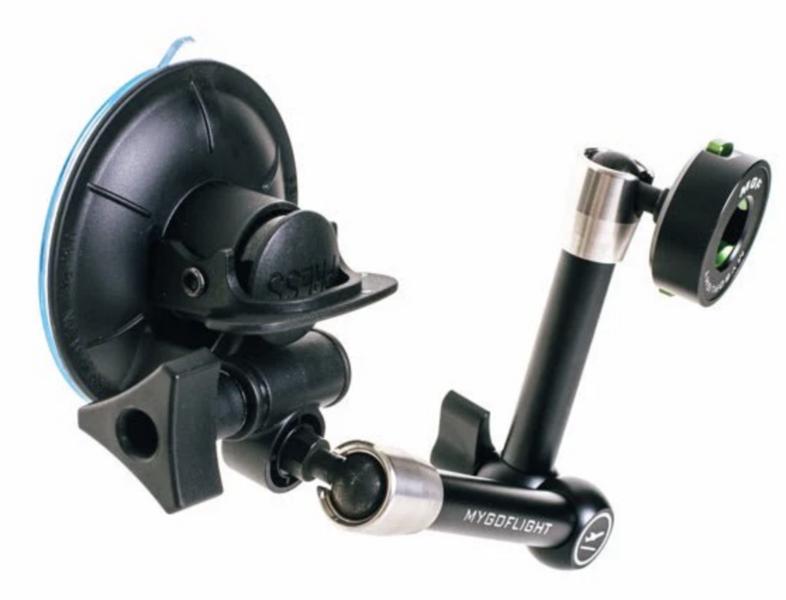
Tablet Mount or Yoke Mount
A tablet or yoke mount is a great alternative to a traditional kneeboard, allowing student pilots to securely hold an iPad or smartphone in place during flight. These mounts keep your device stable and within easy view, making it simple to reference navigation apps, charts, checklists, or weather updates without fumbling mid-flight.
Whether you prefer a suction mount for the windshield or a yoke mount attached directly to the control column, having a dedicated spot for your EFB enhances organization and reduces cockpit clutter. With so many flight apps now essential to modern training, investing in a reliable mount helps streamline your setup and improve situational awareness from takeoff to touchdown.
Pilot Clipboard
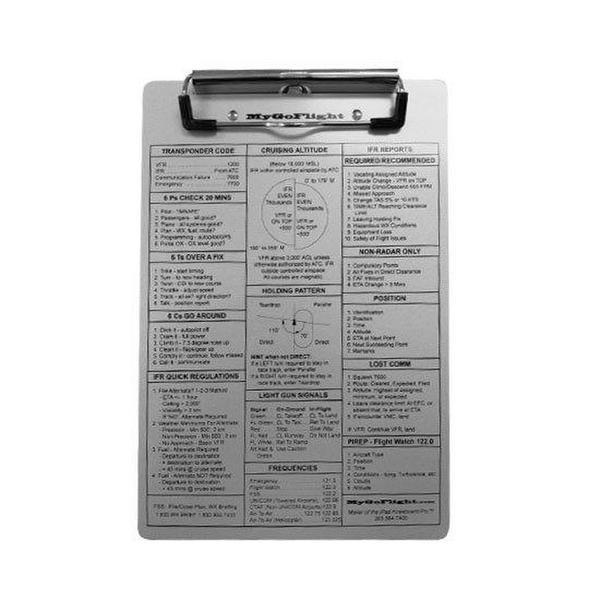
A pilot clipboard is another simple yet effective alternative to a kneeboard, providing a secure, organized surface for your iPad, paper checklists, navigational charts, and flight planning notes. Designed specifically for cockpit use, pilot clipboards often feature anti-slip surfaces, elastic straps, or integrated storage to keep your gear in place during flight.
Whether you’re jotting down frequencies or following a flight plan, a sturdy pilot clipboard helps keep everything at your fingertips without adding bulk. It’s a versatile accessory that student pilots can use both on the ground and in the air to stay focused, prepared, and organized throughout each phase of training.
Handheld Two-Way Radio

A handheld two-way radio is an important backup communication tool that no student pilot should overlook. While every training aircraft is equipped with an onboard radio, having your own transceiver adds an extra layer of safety in case your headset fails or cockpit communication is interrupted. This is especially critical when flying in controlled or IFR conditions, where losing the ability to communicate can lead to serious safety risks.
Most flight bags have a dedicated compartment for this purpose, making it easy to carry a handheld radio along with its charging cradle and cables. For reliability and clear transmission, ICOM handheld transceivers are a trusted choice among student and professional pilots alike.
Pilot Watch or Timer
A pilot watch or dedicated flight timer is a valuable tool for tracking flight legs, holding patterns, and maneuver durations with precision. While many apps offer digital timing features, having a wristwatch with built-in chronograph or countdown functions ensures you can stay on schedule even if your tablet or phone fails.
For student pilots learning time-based navigation techniques, quickly referencing elapsed time can be critical during training flights and cross-country planning. A quality pilot watch also reinforces time management habits and provides added confidence in the cockpit. Whether you prefer analog simplicity or digital functionality, a reliable timepiece helps keep your flight plan on track.
Checkride/Oral Exam Guides
Checkride and oral exam guides are invaluable study tools that help student pilots prepare for both the ground and practical portions of their FAA certification. Resources like the Private Pilot Oral Exam Guide walk you through commonly asked questions, topics, and real-world scenarios you'll encounter during your checkride.
These guides break down complex material into manageable sections, making them ideal for review sessions or last-minute prep. Whether you're aiming to boost your confidence or strengthen your knowledge base, having a trusted exam guide in your flight bag ensures you're ready to answer clearly and fly confidently on test day.
Smartphone
A smartphone is more than just a personal device – it’s a powerful flight training tool and a practical backup in the cockpit. Student pilots can use smartphones to access navigation apps, review digital charts, check real-time weather updates, and even communicate in emergencies when other systems fail.
While tablets are often the primary tool for EFBs, smartphones provide a reliable secondary platform for key aviation apps. Having one fully charged and ready to go adds flexibility and redundancy to your cockpit workflow, especially on solo flights or cross-country training missions. It’s a simple yet essential device that helps keep you connected and situationally aware in the air.
Snacks & Water
Packing snacks and water is a simple but essential habit for student pilots, especially during long training flights, unexpected delays, or extended layovers. Staying hydrated and fueled helps maintain focus, energy, and mental clarity – critical for making sound decisions in the air.
Choose lightweight, non-perishable snacks and a spill-proof water bottle that fits easily into your flight bag. While not high-tech gear, these basic essentials support peak performance and comfort throughout your flight training. A well-stocked bag means you're prepared for whatever the day – or the weather – throws your way.
IFR Training Hood or Foggles
An IFR training hood or foggles – also known as view-limiting devices – are essential for meeting the FAA’s requirement of at least three hours of instrument training for the private pilot checkride. These tools simulate low-visibility conditions by restricting your field of view to the instrument panel, helping you develop the basic skills needed to safely recover from an inadvertent entry into instrument meteorological conditions (IMC).
While a training hood fits over your head to block outside references, foggles are specialized glasses that serve the same purpose in a more compact form. Your instructor will guide you through the scenarios, but these devices help you learn to trust your instruments rather than rely on external visual cues. Whether you opt for a hood or foggles, practicing with a view-limiting device is a crucial part of becoming a confident and competent pilot.
Where Can I Find High-Quality Pilot Supplies for Student Pilots?
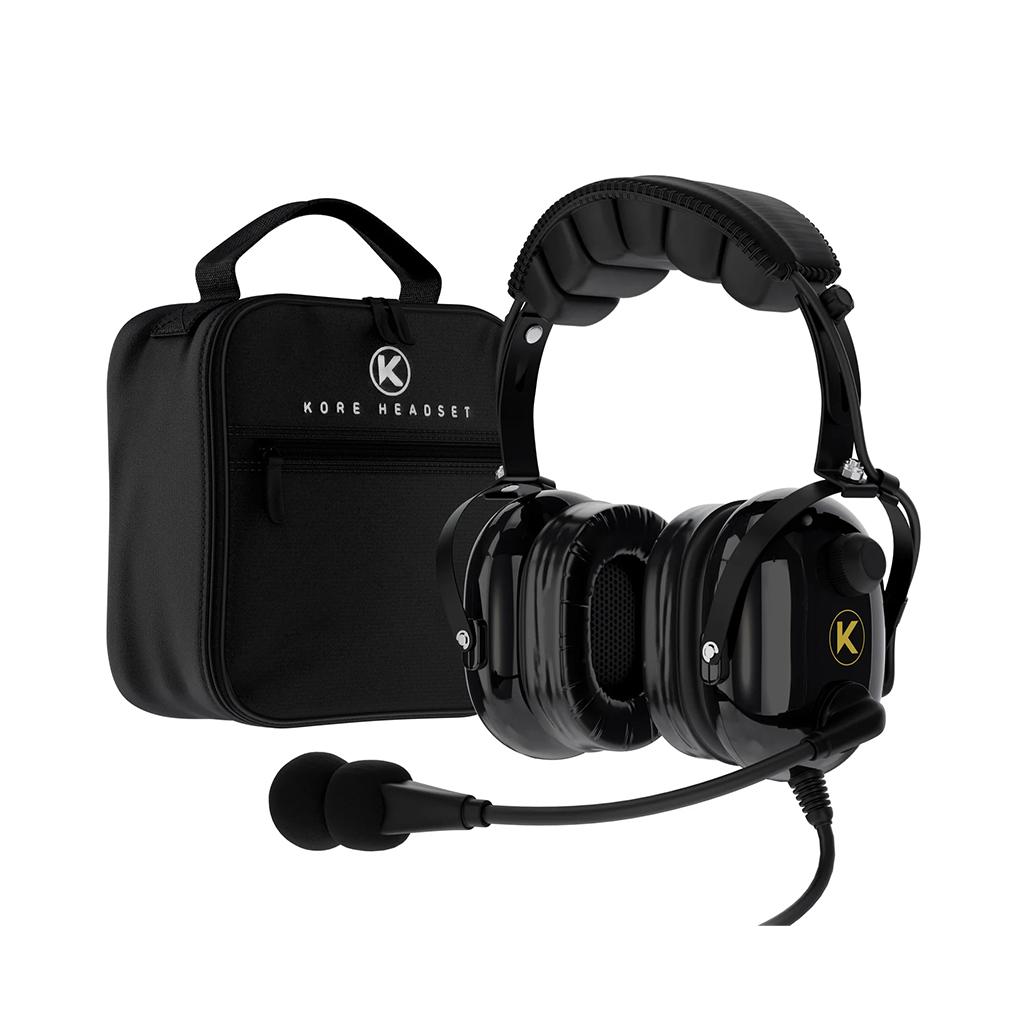
When it comes to building your flight bag, Pilot John International® (PJi®) is your trusted source for high-quality pilot supplies from industry-leading manufacturers. We offer a wide selection of gear designed specifically for student pilots, including aviation headsets from David Clark and Kore Aviation, plus handheld transceivers from ICOM to ensure backup communication is always within reach. Our lineup of flight bags, pilot clipboards, USB power cables, and iPad mounting systems from MyGoFlight gives student pilots the flexibility and organization needed for both short hops and long training flights. And when it’s time to prep your aircraft, you can rely on fuel tester kits from Tronair and Innoquest, Inc. to support safe and compliant preflight inspections.
You’ll also find cockpit-ready accessories, such as iPad mounts, kneeboards, and charging cables, tailored to today’s digital training environment – all designed to integrate seamlessly with your EFB setup. For added comfort and performance, shop pilot sunglasses from Flying Eyes, which are engineered for headset compatibility and visual clarity in flight. At PJi, we make it easy to gear up with dependable, pilot-preferred brands to keep you flight-ready from your first lesson to your final checkride.
The Bottom Line
Success in flight training doesn’t just come from practice – it also depends on having the right gear that supports confidence, safety, and performance in the cockpit. Investing in premium-quality pilot supplies ensures that student pilots are equipped to handle everything from cross-country navigation to emergency preparedness with ease and efficiency.
If you’re not sure where to begin, the knowledgeable aviation specialists at PJi are here to help. Contact us by phone, email, or live chat today for expert guidance in choosing the pilot gear and accessories that best fit your training needs.