What Makes the Best Aviation Handheld Radio?
Key Takeaways
- Handheld aviation transceivers operate over VHF airband frequencies (118.000 to 136.975 MHz) and serve as portable backup communication tools for cockpit emergencies, ground operations, and flight training – especially valuable when panel-mount avionics are inoperable or unavailable.
- Most handheld transceivers output 5 to 6 watts, providing a line-of-sight range of roughly 10 to 20 nautical miles – adequate for ATC, UNICOM, and pattern communications, though terrain, altitude, and cockpit obstructions all affect real-world performance.
- Key features to evaluate include 8.33/25 kHz channel spacing for international use, battery life, dual-watch capability, Bluetooth for wireless headset pairing, emergency channel access, and – for navigation-capable models – integrated GPS and VOR functionality.
- Battery life varies by model: the Icom IC-A16 and IC-A16B offer up to 17 hours with the BP-280 pack, while the feature-richer IC-A25C and IC-A25N deliver approximately 10.5 hours – all models support AA battery backup packs and optional rapid-charge desktop cradles.
- PJi carries the full Icom handheld lineup – IC-A16 (basic, long battery), IC-A16B (adds Bluetooth), IC-A25C (larger display, advanced navigation), and IC-A25N (GPS, VOR, Bluetooth, NAV/COM) – along with the BC-214 six-port multi-charger for fleet readiness.
Few tools are more essential to a pilot’s toolkit than a reliable handheld transceiver. Whether used as a primary means of communication on the ground or a backup in the cockpit, these versatile devices play a critical role in ensuring safe, clear, and continuous communication. From student pilots to seasoned professionals, choosing the right handheld transceiver requires careful evaluation of several key factors.
In this article, we’ll explain what a handheld transceiver is used for in aviation, how it differs from panel-mount radios, and what features, battery options, and certifications matter most – plus how to choose the best model for your specific flying needs.
What Is a Handheld Transceiver Used for in Aviation?
A handheld transceiver is a portable radio device that allows pilots and ground crews to transmit and receive voice communications over VHF aviation frequencies. These radios are often used as a secondary or backup communication tool when panel-mount avionics are inoperable, during engine-off ground operations, or for training.
In aviation, handheld radios provide a reliable line of communication with air traffic control (ATC), other aircraft, and airport personnel. They are especially valuable for student pilots, glider operations, and general aviation pilots operating from smaller airfields. For those who prioritize safety and preparedness, a handheld transceiver serves as a critical backup for onboard communications.
How Do Handheld Radios Compare to Panel-Mount Transceivers?

The most significant difference between a handheld transceiver and a panel-mount radio lies in its portability and power. Panel-mount radios are fixed in the cockpit and integrated into the aircraft’s electrical system, offering greater output power, range, and advanced navigation integration. They are typically more expensive and often require FAA certification and installation by an avionics technician.
By contrast, handheld radios are lightweight, battery-powered, and easy to carry, making them ideal for ramp operations, emergency use, and communication during flight training. In emergency scenarios, they can serve as a primary communication tool if a panel-mount transceiver fails mid-flight or even after an unexpected landing in a remote area where other communication options are unavailable. While they may not have the transmission range of panel-mount units, today’s handheld aviation transceivers – like the Icom IC-A16 or IC-A25 series – deliver outstanding performance in compact form factors. They’re often the first radio a new pilot owns and a staple backup for seasoned aviators.
What Range and Power Output Should You Expect from a Handheld Radio?
Most aviation handheld transceivers operate in the 5- to 6-watt range, offering enough power for clear line-of-sight communication up to 10 to 20 nautical miles, depending on terrain, altitude, and antenna positioning. This is typically sufficient for local communication with ATC or UNICOM while taxiing, flying within airport traffic patterns, or navigating in VFR conditions.
It's important to note that the range varies in real-world scenarios. Interference from cockpit structures, terrain obstructions, and weather can impact signal clarity. Some handheld radios, such as the Icom IC-A25 series, include options to connect to external antennas, extending range and reception clarity – an especially valuable feature in metal aircraft or enclosed cabins.
Which Features Matter Most in a Handheld Aviation Transceiver?
Modern handheld aviation transceivers come with a wide range of features. For instance, the Icom IC-A25N offers integrated GPS and VOR navigation functionality, making it more than just a COM radio – it becomes a versatile NAV/COM solution. Features such as Bluetooth (available on the IC-A16B and IC-A25N) allow pilots to pair headsets wirelessly, enhancing comfort and minimizing cord clutter.
Other critical features to look for include 8.33 kHz/25 kHz channel spacing for international compatibility, memory channel storage, dual-watch capability, and one-touch emergency channels. A high-output audio system (like the 1500 mW audio on all Icom models listed) ensures messages come through clearly even in noisy environments.
How Important is Battery Life in a Handheld Transceiver?
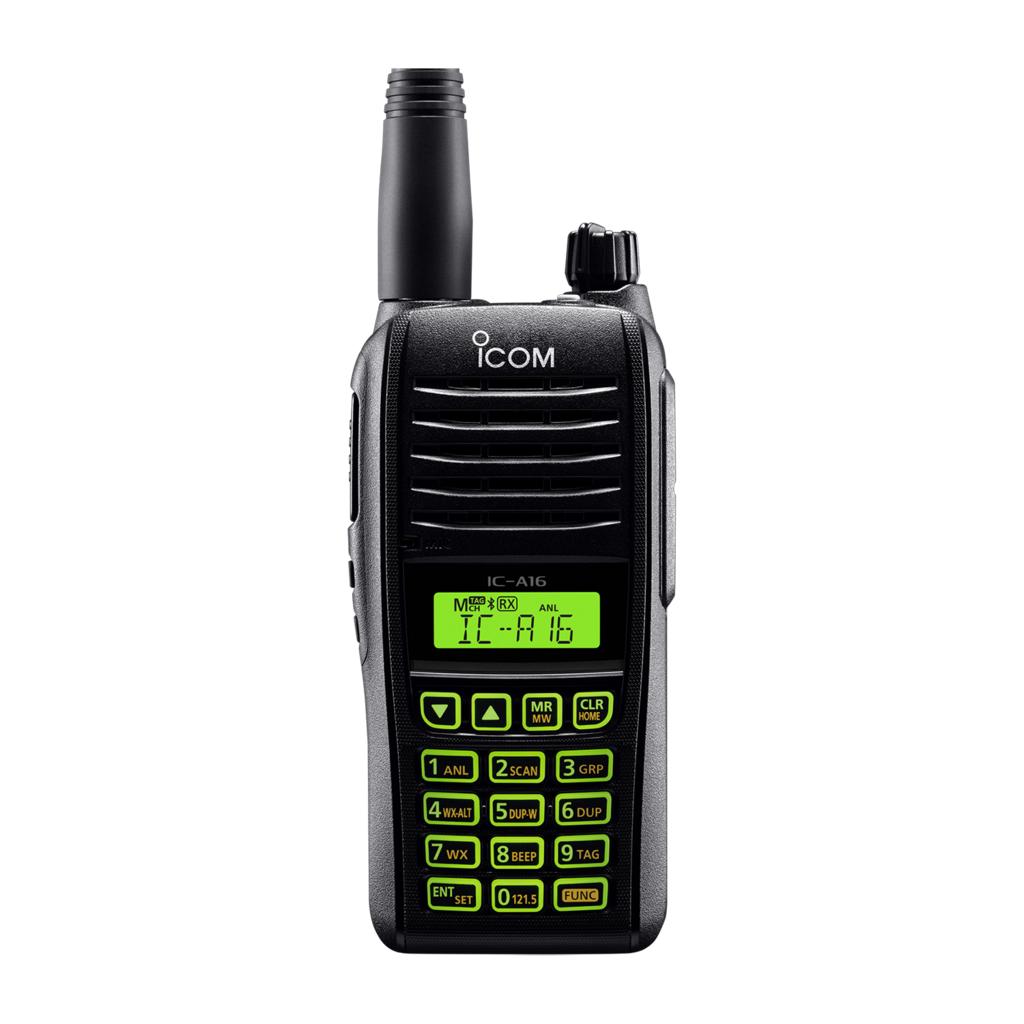
Battery life is a key factor, especially for those using their handheld transceiver during long ground operations or as a backup in cross-country flights. The Icom IC-A16 and IC-A16B offer up to 17 hours of battery life with their standard BP-280 lithium-ion packs, making them ideal for extended use without frequent recharging.
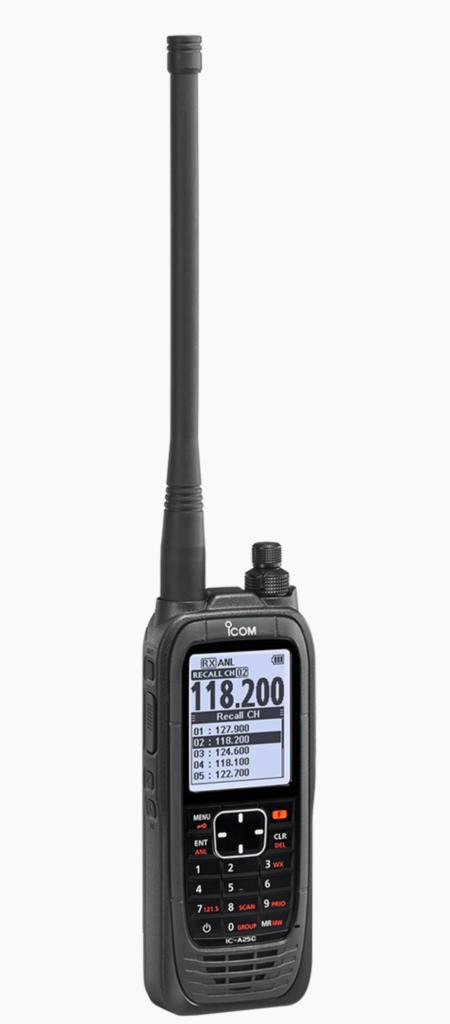
On the other hand, the IC-A25C and IC-A25N, with larger displays and more features, offer around 10.5 hours of battery life with the BP-288 battery. All Icom radios include options for rapid charging via desktop cradles and support backup AA battery packs or optional accessories for extended flexibility. When evaluating handheld radios, prioritize those that align with your expected use cycle and offer convenient charging or swappable power options.
What Makes a Radio Transceiver Easy to Use in Flight?
Flight environments demand quick, intuitive operation. Transceivers like the Icom IC-A25 series feature large, backlit LCD screens and simplified menu navigation, making it easy to select frequencies or switch modes with minimal distraction. Button spacing, tactile feedback, and logical layouts contribute to safer, more efficient use in the cockpit.
Ease of use also extends to accessibility of key functions, such as instant access to emergency frequencies, scan modes, and dual-watch operation. Channel labels and programmable memory help organize frequently used frequencies for fast access. All of these features are critical in high-stress or low-light scenarios where quick response times matter.
Are There Different Frequency Options in Handheld Radios?
Most handheld aviation radios, including all current Icom models, operate in the VHF airband spectrum – typically 118.000 to 136.975 MHz. These radios support both 8.33 kHz and 25 kHz channel spacing, which is crucial for use in regions like Europe where narrowband spacing is mandated.
While dual-band (VHF/UHF) or scanner radios exist in other industries, aviation handheld transceivers are purpose-built for the VHF airband to ensure reliability, compliance, and clear communication. The IC-A25N and similar radios go a step further by adding VOR NAV and GPS functionality, expanding the use of handheld transceivers from pure communication to integrated navigation tools.
What Certifications or Standards Should a Transceiver Meet?
When selecting a handheld transceiver for aviation, ensure it is FCC-certified and FAA-compliant for aircraft use. While most handhelds are not TSO-certified like panel-mount avionics, they must still meet industry safety and performance standards.
Icom radios, such as the IC-A16 and IC-A25 lines, are widely accepted for general aviation use in the U.S. and abroad. Always verify frequency compatibility and approval for your region, particularly if you plan to operate internationally. Trusting well-established brands like Icom ensures your aviation transceiver meets the demands of the cockpit and regulatory bodies alike.
How Do You Choose the Right Handheld Transceiver for Your Needs?
The right radio depends on your experience level, usage scenarios, and feature requirements. For student pilots or those in need of a basic backup, the Icom IC-A16 offers straightforward operation, exceptional battery life, and IP67 waterproofing, making it both affordable and durable.
Need Bluetooth for wireless headset pairing? The IC-A16B adds that convenience while maintaining the same rugged build and audio clarity. If you're looking for larger screens, enhanced menu navigation, or more memory channels, the IC-A25C is an excellent choice with advanced usability for more experienced users.
For pilots who require built-in GPS and VOR navigation, the IC-A25N is the most feature-rich handheld radio transceiver in Icom’s lineup. It combines Bluetooth, GPS, NAV/COM functionality, and an intuitive user interface in one highly capable package. Each of these aviation transceivers is tailored to specific use cases, so the key is to match your needs to the right model.
The Bottom Line
Choosing the right handheld transceiver can make all the difference in flight preparedness, communication clarity, and operational efficiency. Whether you need a simple backup radio or an advanced aviation transceiver with GPS and NAV capabilities, understanding what features matter most helps ensure you make a smart investment.
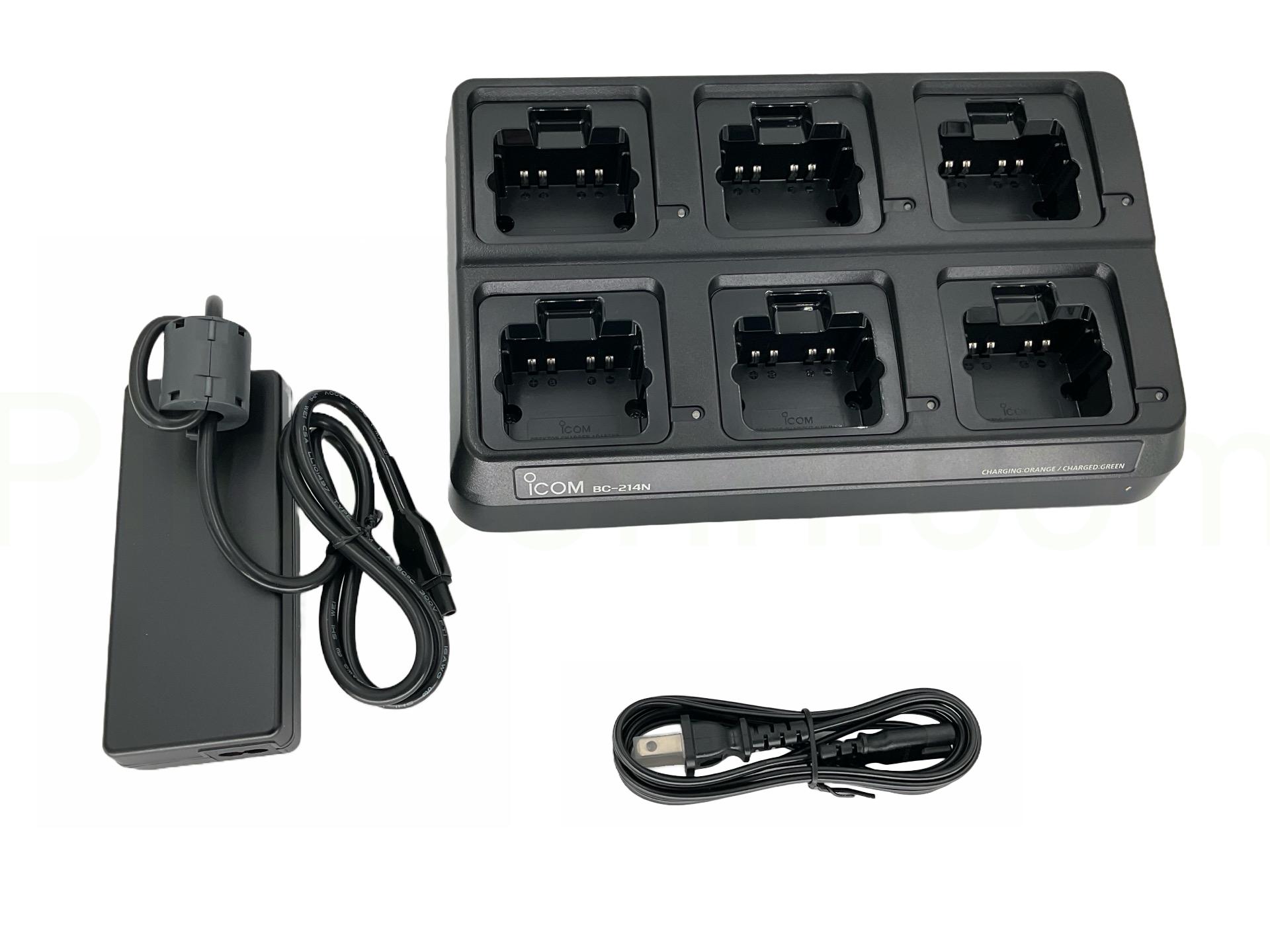
Pilot John International® (PJi®) offers a curated selection of top-tier handheld radios for aviation, including the Icom IC-A16, IC-A16B, IC-A25C, and IC-A25N. We also offer the Icom BC-214, a six-port multi-charger that keeps your fleet of battery packs ready for action. For expert guidance in selecting the best radio transceiver for your needs, contact our aviation specialists by phone, email, or live chat today.