





Why Microstop Countersinks Are Essential in Aviation
Key Takeaways
- A microstop countersink (also called a countersink cage) attaches to a drill and uses an adjustable housing to control countersink depth to increments as fine as 0.001" – ensuring fasteners sit precisely flush with the surface every time.
- Incorrect countersink depth causes two distinct problems: protruding fasteners disrupt airflow and increase drag, while under-countersunk fasteners create stress concentrations that can initiate fatigue cracks in structural components over time.
- Microstop countersinks are especially critical when working with composite materials like carbon fiber reinforced polymers, where imprecise drilling can cause delamination and compromise the material's structural properties – eliminating the weight and strength advantages that made composites desirable in the first place.
- PJi carries microstop countersink cages from Wescon Industries, a precision aviation tooling manufacturer trusted by OEMs and MROs, with aviation specialists available to help select the right cage and compatible countersink drill bits for your specific application.
Precision drilling and riveting are foundational to both aircraft manufacturing and maintenance. Every hole drilled and fastener installed must meet exacting standards to ensure the structural integrity and aerodynamic efficiency of the aircraft. Even minor deviations can lead to significant issues, from increased drag to potential structural failures.
In this context, microstop countersinks emerge as indispensable tools. These specialized devices allow technicians to create precise, consistent countersinks, ensuring that fasteners sit flush with the aircraft's surface. This not only enhances the aircraft's aerodynamic profile but also contributes to its overall structural soundness.
In this article, we will delve into the significance of microstop countersinks in aviation, exploring their functionality, benefits, and the scenarios in which they are most effectively employed.
What Is a Microstop Countersink, and How Does It Work?
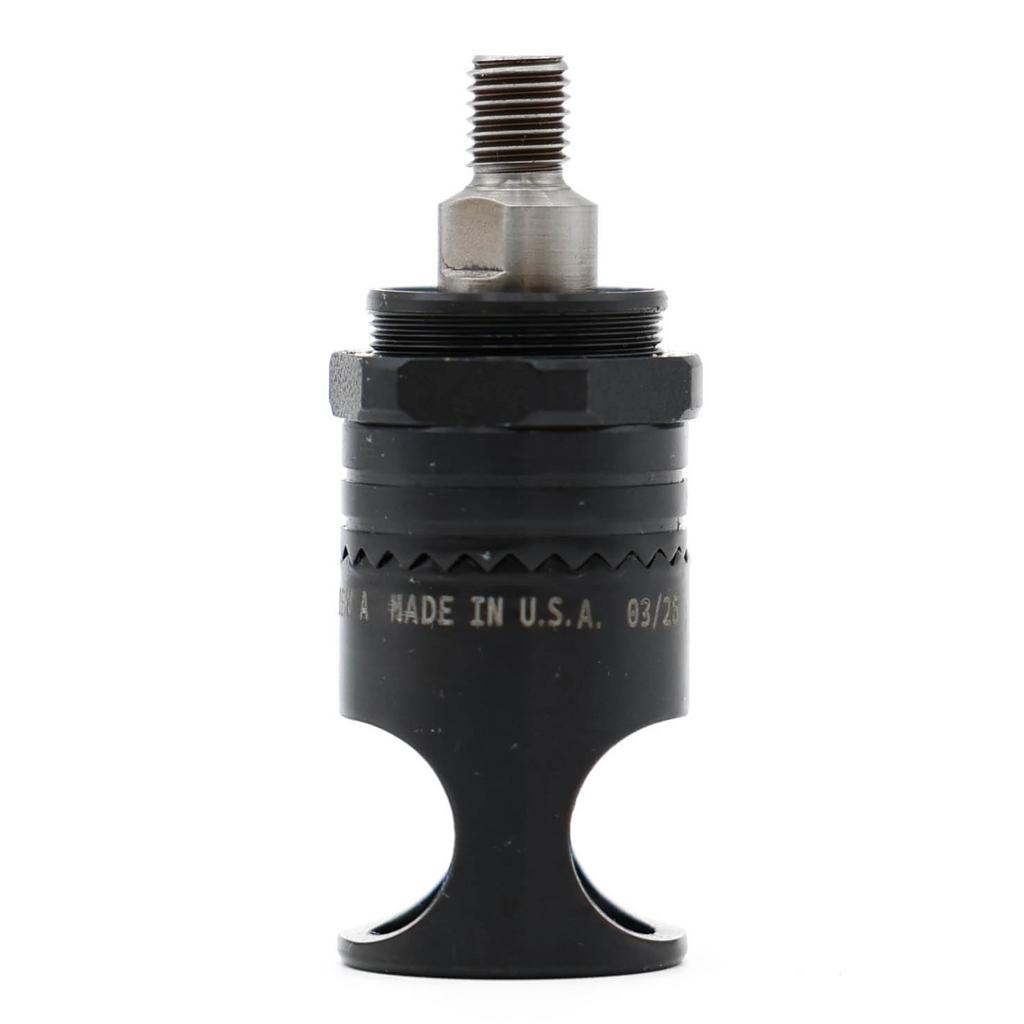
A microstop countersink, also known as a countersink cage, is a precision tool used to control the depth of countersinks during drilling operations. It comprises a housing (or cage) that holds a countersink cutter and an adjustable mechanism that allows for precise depth settings, typically in increments as fine as 0.001”.
The tool operates by attaching to a drill, with the countersink cutter rotating to create a conical recess in the material. The adjustable cage ensures that the cutter penetrates the material to the exact desired depth, preventing over- or under-countersinking. This precision is crucial in aviation applications, where even slight inconsistencies can compromise fastener fit and function.
Why Is Depth Control So Important in Aircraft Manufacturing?
In aircraft manufacturing, ensuring that fasteners sit flush with the surface is vital for both aerodynamic efficiency and structural integrity. Protruding fasteners can disrupt airflow, increasing drag and reducing fuel efficiency. Moreover, improper countersink depths can cause stress concentrations, leading to potential fatigue cracks over time.
Precise depth control ensures each fastener is seated correctly, evenly distributing loads and maintaining the aircraft's smooth, aerodynamic profile. This not only enhances performance but also extends the lifespan of the aircraft components.
How Do Microstop Countersinks Improve Quality and Consistency?

Microstop countersinks play a pivotal role in enhancing the quality and consistency of drilling operations in aviation. By providing precise depth control, they ensure uniform countersinks across multiple holes, which is essential for consistent fastener installation.
This uniformity reduces the likelihood of rework, as each hole meets the exact specifications required. Additionally, the use of microstop countersinks minimizes the risk of damaging the material, especially when working with advanced composites or thin metals commonly used in modern aircraft.
What Makes Microstop Countersinks Ideal for Composite Materials?
Composite materials, such as carbon fiber reinforced polymers, are increasingly used in aircraft due to their high strength-to-weight ratios. However, if not handled correctly during drilling operations, these materials are susceptible to delamination and other forms of damage.
Microstop countersinks are particularly suited for working with composites because they allow for controlled, precise material removal. This precision reduces the risk of damaging the material's structural integrity, ensuring that the benefits of using composites are fully realized in the final aircraft assembly.
When Should Aviation Professionals Use a Microstop vs. Other Countersinking Methods?
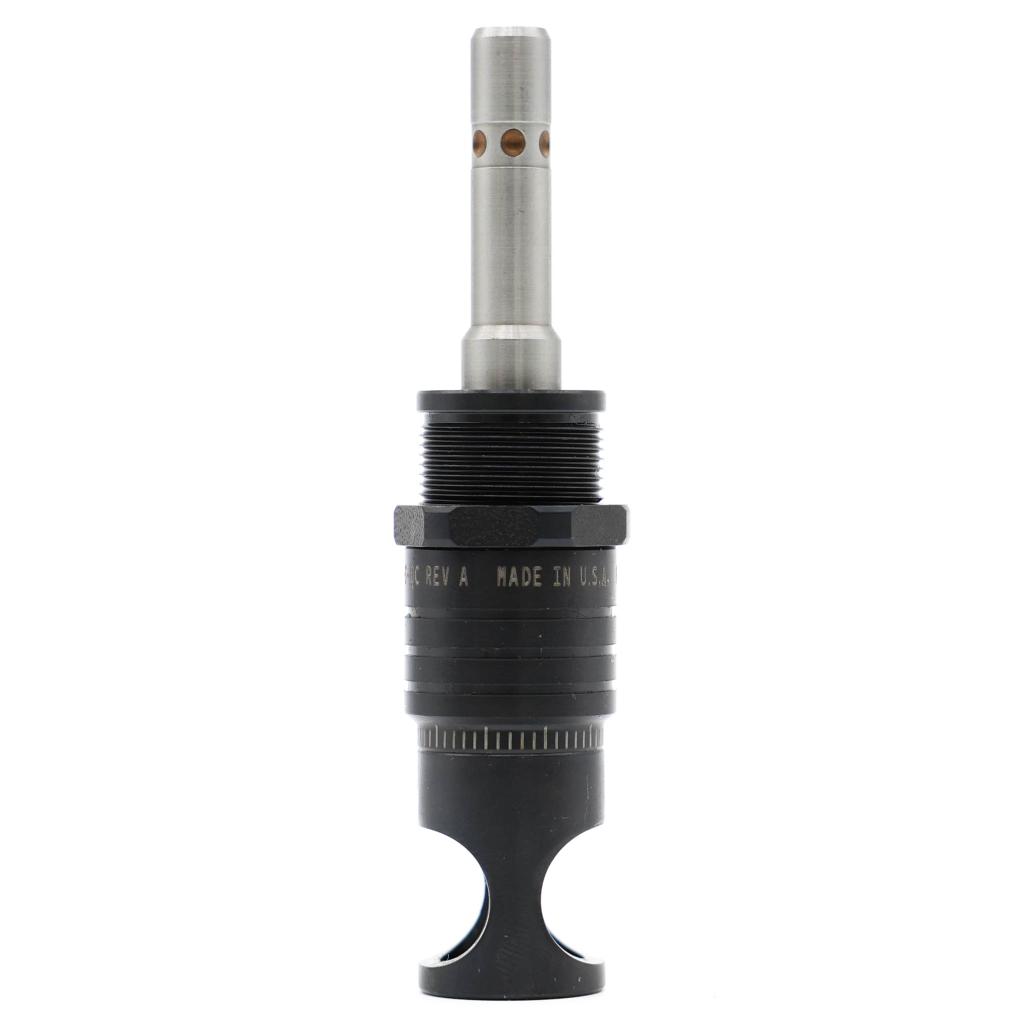
While various countersinking methods exist, microstop countersinks are preferred in scenarios requiring high precision and repeatability. They are especially beneficial in large-scale manufacturing processes where consistency across numerous fastener holes is critical.
In contrast, freehand countersinking might be suitable for less critical applications or for non-structural components. However, for tasks involving structural elements or where aerodynamic considerations are paramount, the precision offered by microstop countersinks is indispensable.
The Bottom Line
Microstop countersinks are essential tools in the aviation industry, providing the precision and consistency required for modern aircraft manufacturing and maintenance. Their ability to produce uniform, accurate countersinks ensures that fasteners are correctly seated, maintaining the structural integrity and aerodynamic efficiency of the aircraft.
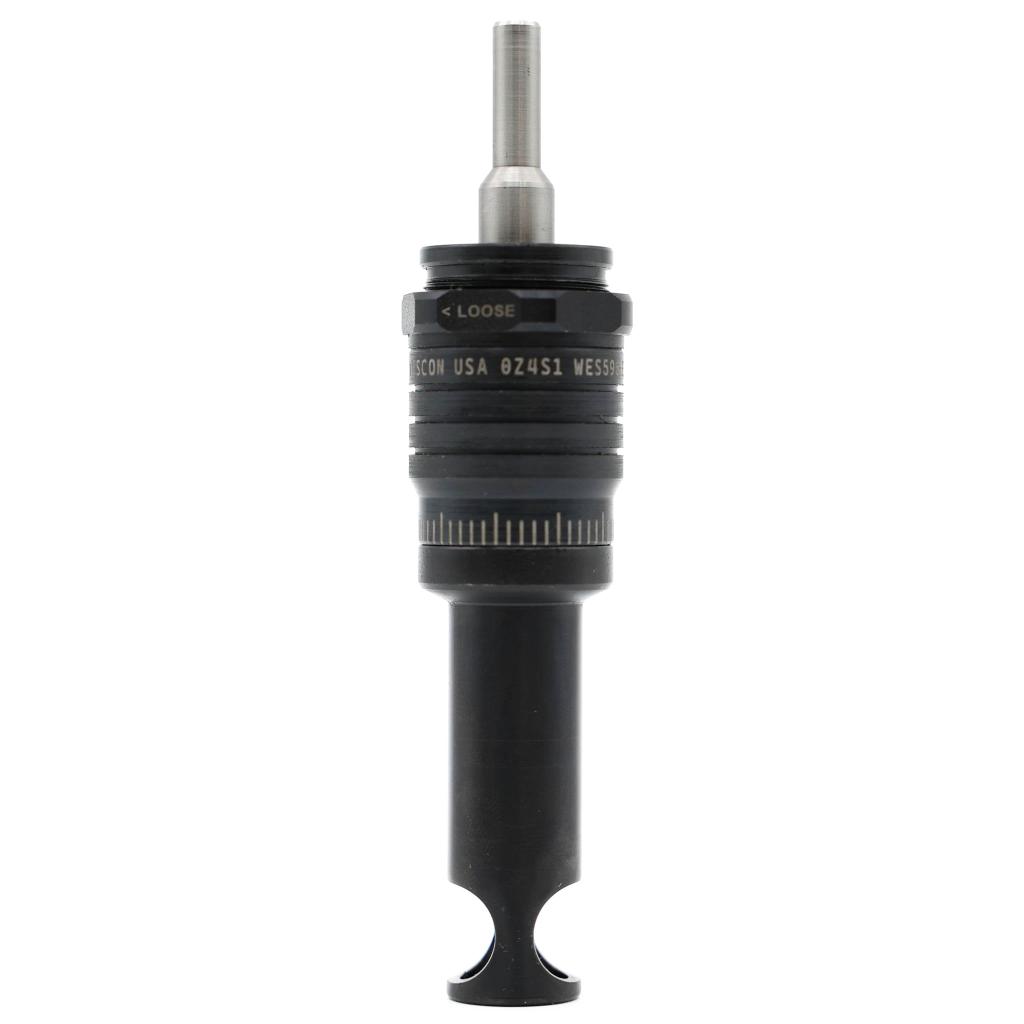
For professionals seeking high-quality microstop countersinks, Pilot John International® (PJi®) offers a comprehensive selection of products from Wescon Industries, a renowned manufacturer of precision aviation tools. Wescon's microstop countersink cages are trusted by OEMs and MROs for their durability and performance in demanding aviation environments.
Each microstop countersink cage is designed for use with a variety of countersink drill bits, making it a must-have for any technician performing structural aircraft work. For expert guidance in selecting the right microstop countersinks, our aviation specialists are ready to assist. Contact us today by phone, email, or live chat!