





Winter Battery Maintenance Tips for Aircraft Tugs
Key Takeaways
- Cold weather reduces battery capacity and efficiency – leading to shorter runtimes and decreased performance in aircraft tugs.
- Lead-acid batteries are vulnerable to sulfation and freezing – making consistent charging and proper storage critical in winter.
- Lithium-ion batteries perform better in cold conditions but require careful temperature control – especially during charging to avoid damage.
- Regular inspection, cleaning, and proper charging practices help maintain battery health – reducing the risk of unexpected failures.
- Storing batteries in temperature-controlled environments and preventing discharge during idle periods improves reliability – especially during extended downtime.
- Proactive winter battery maintenance extends service life and minimizes downtime – ensuring aircraft tugs remain operational in demanding cold-weather conditions.
Cold weather presents unique challenges for ground support equipment, and aircraft tugs are no exception. As temperatures drop, battery performance declines, charging times increase, and the risk of unexpected failures rises.
Because aircraft tugs depend entirely on battery power to move aircraft safely and efficiently, winter-related battery issues can quickly translate into operational delays, increased maintenance costs, and safety concerns on the ramp or in the hangar.
Understanding how cold temperatures affect battery performance – and how to maintain tug batteries in winter conditions properly – is critical for keeping tug fleets reliable, efficient, and ready for daily operations throughout the cold-weather months.
In this article, we’ll break down how winter conditions impact tug batteries, outline best practices for maintaining both lead-acid and lithium-ion systems, and explain how proactive winter battery care can extend service life and reduce downtime.
What Types of Batteries Are Used in Aircraft Tugs?
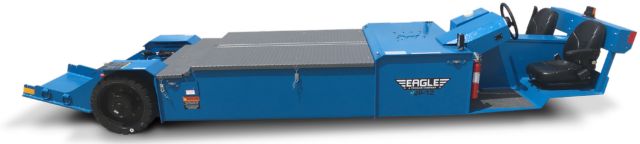
Aircraft tugs are most commonly powered by either lead-acid batteries or lithium-ion batteries, with both options widely used across airport, FBO, and hangar operations. Lead-acid batteries – including flooded, AGM, and gel variants – have long been the standard choice due to their lower upfront cost, proven reliability, and compatibility with existing tug designs. Their substantial weight can also be beneficial, providing added traction when towing aircraft.
Lithium-ion batteries are increasingly being adopted in newer tug models and high-utilization fleets. These batteries offer faster charging, higher energy efficiency, longer usable runtime, and reduced maintenance requirements. While lithium-ion systems typically come with higher initial costs and require dedicated charging infrastructure, their operational advantages make them attractive for busy environments where uptime and quick turnaround matter most. As a result, many tug fleets today operate a mix of battery types, with maintenance strategies tailored to each.
How Does Cold Weather Affect Tug Battery Performance?
Cold temperatures slow the chemical reactions that allow batteries to store and deliver energy. As temperatures drop, available battery capacity decreases, internal resistance increases, and power output is reduced. In practical terms, this means aircraft tugs may experience shorter run times, reduced pulling power, and slower response when operating in winter conditions.
Charging efficiency is also affected by cold weather. Batteries accept charge more slowly at low temperatures, increasing downtime and placing additional strain on charging systems. Repeated operation or charging under unfavorable winter conditions can accelerate battery wear, shorten overall service life, and increase the likelihood of mid-shift failures. Without proper winter maintenance, these effects compound quickly, leading to unreliable tug performance during periods when dependable ground handling is especially critical.
What Winter Challenges Are Unique to Lead-Acid Tug Batteries?
Lead-acid batteries are particularly sensitive to cold weather, especially when they are not maintained at a high state of charge. As temperatures fall, lead-acid batteries lose cranking power and require longer charging cycles to return to full capacity. If a lead-acid battery remains partially discharged for extended periods, sulfation can occur, permanently reducing its ability to hold a charge.
Another significant risk for lead-acid batteries in winter is freezing. A fully charged lead-acid battery has a much lower freezing point than a discharged one. However, when the state of charge drops, the electrolyte becomes more susceptible to freezing, which can crack internal plates, damage the case, and render the battery unusable. These risks make winter charging discipline and storage conditions essential for lead-acid-powered aircraft tugs.
How Should Lead-Acid Tug Batteries Be Maintained in Winter?
Proper winter maintenance for lead-acid tug batteries starts with keeping them fully charged whenever possible. Regular charging helps prevent sulfation and significantly lowers the risk of freezing. Batteries should be load-tested before winter to identify weak units that may fail under cold-weather stress.
Battery terminals should be cleaned and inspected regularly to remove corrosion and ensure solid electrical connections. For flooded lead-acid batteries, electrolyte levels should be checked routinely and topped off with distilled or deionized water after charging, as recommended by the manufacturer.
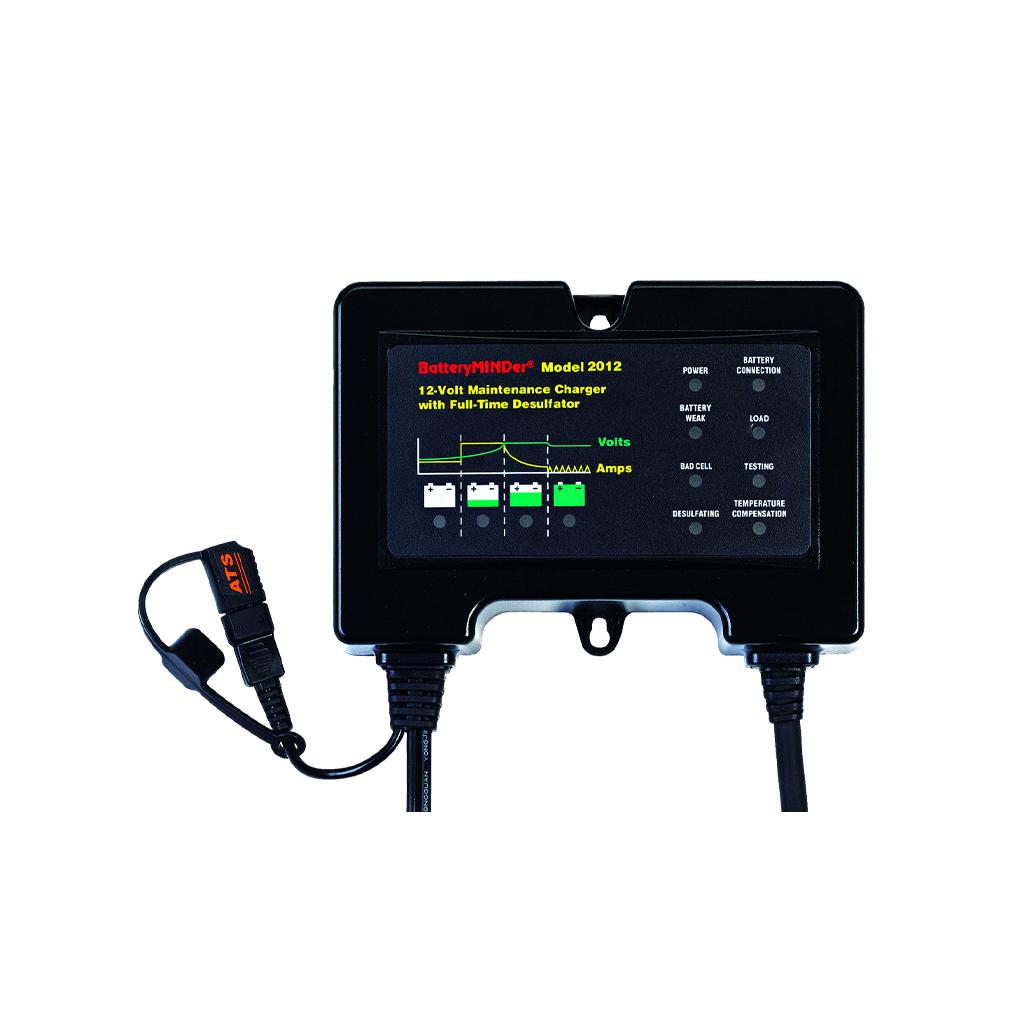
During extended periods of inactivity, disconnecting the batteries or using a smart battery maintainer can prevent slow discharge. Whenever possible, storing aircraft tugs in a dry, sheltered environment above freezing helps preserve battery health and improves winter reliability.
What Winter Challenges Are Unique to Lithium-Ion Tug Batteries?
Lithium-ion batteries behave differently in cold weather than lead-acid systems. While lithium-ion batteries generally retain better usable capacity at low temperatures, they are more sensitive to charging conditions. Charging lithium-ion batteries at temperatures below freezing can cause lithium plating on the internal electrodes, permanently reducing capacity and potentially compromising safety.
Cold temperatures also reduce a lithium-ion battery’s ability to accept high charging currents, meaning fast or opportunity charging may be restricted in winter conditions. Because lithium-ion systems rely heavily on internal battery management systems (BMS), improper winter handling can trigger protective shutdowns, limiting tug availability if batteries are not warmed appropriately before charging or heavy use.
How Should Lithium-Ion Tug Batteries Be Stored and Charged in Cold Weather?
Winter care for lithium-ion tug batteries focuses on temperature management and controlled charging. When tugs are not in use, lithium-ion batteries should be stored indoors in a stable, dry environment, ideally between 50°F and 68°F (10°C to 20°C). For longer-term storage, maintaining a charge level between 50% and 80% helps minimize internal stress and prolong battery life.
Before charging a lithium-ion battery that has been exposed to cold temperatures, it should be allowed to warm above freezing. Charging should be performed at moderate rates rather than high-speed fast charging whenever possible during winter. Regular inspections and periodic charge checks help ensure batteries remain within safe operating parameters throughout extended cold-weather storage or reduced-use periods.
Should Tug Batteries Be Removed or Disconnected for Winter Storage?
Whether to remove or disconnect tug batteries during winter depends on storage duration, facility conditions, and battery type. For short-term inactivity, disconnecting the battery can prevent parasitic drain from onboard electronics. For longer storage periods, especially in unheated environments, removing the battery and storing it in a temperature-controlled location may be the better option.
Lithium-ion batteries are often removed and stored separately to ensure temperature stability, while lead-acid batteries may remain installed if a maintainer is used and the environment stays above freezing. In all cases, preventing unintended discharge during idle periods is critical to preserving battery health and avoiding winter damage.
How Can Proper Winter Battery Maintenance Extend Tug Service Life?
Consistent winter battery maintenance directly translates into longer battery service life and improved tug reliability. Batteries that are kept clean, properly charged, and protected from extreme temperatures experience less internal wear and fewer failure events. This reduces replacement frequency, lowers maintenance costs, and minimizes unexpected downtime during peak winter operations.
Well-maintained batteries also place less strain on chargers, electrical components, and drive systems, contributing to overall tug longevity. By proactively addressing winter battery care, operators can keep fleets operational, reduce service disruptions, and improve safety during cold-weather ground handling.
When Is It Time to Replace or Service Tug Batteries?
Even with proper care, batteries are consumable components that eventually need to be replaced. Warning signs that a tug battery may require service or replacement include noticeably reduced runtime, slow or incomplete charging, excessive heat during charging, visible corrosion, swelling, or inconsistent performance under load.
Winter often exposes marginal batteries that performed adequately in warmer conditions. Addressing these warning signs early – before peak winter demand – helps avoid in-service failures and ensures aircraft tugs remain dependable when conditions are most challenging.

The Bottom Line
Winter conditions place added stress on aircraft tug batteries, but proper maintenance can dramatically reduce downtime and extend battery service life. Proactive winter care also helps maintain consistent tug performance, improves cold-weather reliability, and supports safer aircraft handling throughout the season.
Pilot John International® (PJi®) is your trusted source for a wide range of ground support equipment (GSE), including aircraft tugs, replacement tug batteries, battery chargers, and essential battery servicing equipment to support reliable winter operations.
PJi also offers comprehensive GSE repair, servicing, and overhauls from our state-of-the-art service center, along with nationwide mobile GSE service and support. Contact our aviation specialists by phone, email, or live chat for expert guidance on selecting, maintaining, and supporting the right equipment for your operation.