






Need a Quote?
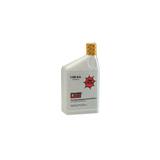
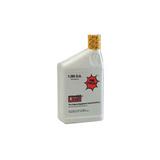
The Teledyne Gill 53055 - 2Qt Acid Single Pack provides high-quality, battery-grade sulfuric acid electrolyte, specifically formulated to meet the needs of your Teledyne Gill aircraft lead-acid battery maintenance. With a precise specific gravity of 1.285, this electrolyte ensures optimal battery performance, enhancing the longevity and reliability of your power source. Packaged conveniently in two 1-quart bottles, the 53055 makes handling and refilling straightforward, allowing you to maintain your aircraft’s batteries with ease and confidence.
Whether you're servicing a single battery or managing an entire fleet, the Teledyne Gill 53055 is your go-to choice for superior electrolyte quality, ensuring your Teledyne Gill batteries perform at their peak every time. Keep your aircraft powered with the trusted performance of Teledyne Gill’s battery-grade sulfuric acid, designed to keep you flying without interruption.
| General Information | |
|---|---|
| Part # | 53055 |
| Manufacturer | Teledyne Gill |
| Shipping Information | |
|---|---|
| Product Weight | 6.5 lbs. |
| Product Dimensions | 5 x 5 x 9.5 in. |
| Schedule B | 2807000000 |
| ECCN | EAR99 |
| Hazmat/Dangerous Goods | Yes |
| Specifications | |
|---|---|
| Application | Activating Gill G-series dry charged lead-acid aircraft batteries |
| Electrolyte Type | Battery-grade sulfuric acid |
| Quantity | Two 1-quart bottles |
| Specific Gravity | 1.285 |
Customers also viewed

Customers who bought this item also purchased
AIRCRAFT COMPATIBILITY
| Compatible Aircraft* |
|---|
PRODUCT REVIEWS
This item does not have any reviews yet.
QUESTIONS & ANSWERS
Battery acid, commonly known as electrolyte, is a solution of sulfuric acid (H₂SO₄) diluted with water. In lead-acid batteries, this mixture facilitates the electrochemical reactions necessary for storing and releasing electrical energy. The concentration of sulfuric acid determines the specific gravity of the electrolyte, which is crucial for the battery's performance.
The specific gravity of battery electrolyte indicates the concentration of sulfuric acid in the solution. It is a key parameter in assessing a battery's state of charge and overall health. For instance, a fully charged lead-acid battery typically has a specific gravity of 1.285, while a lower specific gravity may indicate a discharged or compromised battery.
No, it is not recommended to use automotive battery acid in aircraft batteries. Gill batteries require electrolyte with a specific gravity of 1.285, whereas automotive batteries typically use electrolyte with a specific gravity of 1.260.
Using automotive electrolyte will not allow the aircraft battery to function to its intended capacity because the cell electrolyte balance will not be up to the required levels. In addition, if you use an electrolyte with the incorrect specific gravity in your Gill battery, the warranty will be void.
Battery acid is highly corrosive and requires careful handling. Always wear appropriate personal protective equipment, including gloves and eye protection, when handling electrolyte. Store it in a cool, dry, and well-ventilated area, away from incompatible materials, and ensure containers are properly sealed to prevent leaks.
When filling your aircraft battery with electrolyte, ensure you are in a well-ventilated area and wearing appropriate protective gear. Use dispenser tubes or funnels to control the flow and prevent spills. Fill each battery cell to the recommended level, avoiding overfilling, which can lead to leaks and reduced performance.
No. Gill 53055 battery acid is pre-mixed to a specific gravity of 1.285 and is ready for use without any dilution. Adding water can alter the specific gravity, negatively impacting battery performance. Always use the electrolyte as provided to ensure optimal results.
Regular maintenance is crucial for battery health. It's recommended to check the electrolyte levels every 50 flight hours or at least once a month. Ensure the levels are above the minimum indicator and top up with distilled water if necessary, but avoid overfilling.
In the event of a spill, neutralize the acid immediately with a baking soda (sodium bicarbonate) solution to prevent damage and corrosion. After neutralization, clean the area thoroughly with water and dry it completely. Dispose of any contaminated materials according to local hazardous waste disposal regulations.
Temperature variations can significantly impact electrolyte performance. High temperatures can increase the rate of chemical reactions, potentially leading to overcharging and reduced battery life. Conversely, low temperatures can decrease the battery's capacity and slow down the chemical reactions, affecting performance. Maintaining the battery within the manufacturer's recommended temperature range is essential for optimal operation.
Contaminated electrolyte may appear discolored, cloudy, or contain visible particles. Such contamination can lead to reduced battery efficiency, increased self-discharge, and potential damage to the internal components. If contamination is suspected, it's advisable to replace the electrolyte and inspect the battery for any underlying issues.


