




A Closer Look at Skydrol Hydraulic Hoses
Key Takeaways
- Skydrol hydraulic hoses differ from mineral-based hoses in both appearance (green vs. black) and failure pattern – deteriorating from the inside out, which makes external wear less obvious and regular inspection especially important.
- Key warning signs of Skydrol hose degradation include hydraulic fluid seeping through the outer hose wall and visible swelling, blistering, or bubbles on the surface – both of which point to internal liner damage.
- Skydrol fluid is aggressive toward paint and many common materials, so prompt leak detection, containment, and repair are essential to prevent collateral damage to aircraft, ground support equipment, and hangar surfaces.
- Manufacturers recommend replacing Skydrol hoses on hydraulic power units every two to three years, with frequent HPU operation helping to slow the internal chemistry that drives hose deterioration.
- PJi stocks a comprehensive range of premium-quality Skydrol hydraulic hoses and related components, and our aviation specialists and service technicians can help keep your aircraft and GSE hydraulic systems mission-ready.
Hydraulic systems are critical to aviation, powering everything from landing gear and brakes to flight controls and ground support equipment (GSE). Among the different types of hydraulic fluids in service today, Skydrol – a phosphate ester-based fluid widely used on commercial and transport-category aircraft – stands out for its high fire resistance and equally unique maintenance demands.
Unlike hoses that carry mineral-based hydraulic fluid, Skydrol hoses tend to deteriorate more quickly and along a different failure pattern, so aircraft maintenance technicians need to know exactly what to watch for. In this article, we'll walk through how Skydrol hoses differ from their mineral-based counterparts, the warning signs of wear, the collateral risks of a Skydrol leak, and the maintenance practices that keep hoses in service longer.
How Skydrol Hoses Differ from Mineral-Based Hydraulic Hoses
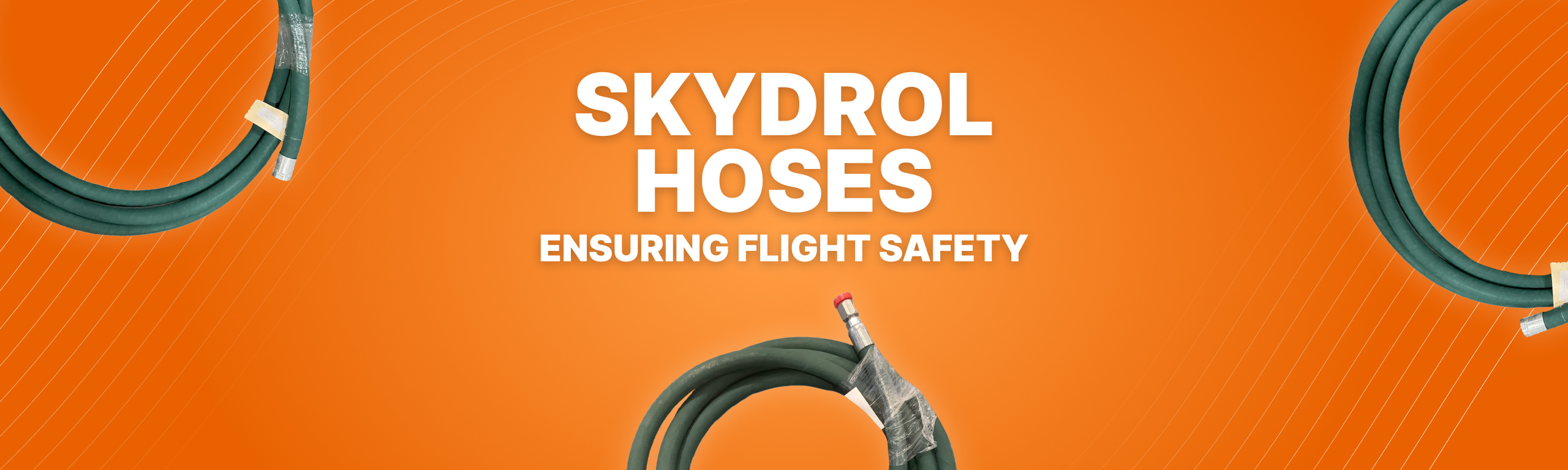
One of the most noticeable differences between Skydrol and mineral-based hoses is their appearance. Skydrol hoses are typically identified by their distinctive green outer color, while mineral-based hoses are usually black. That color coding is more than cosmetic – it helps prevent the cross-contamination that can occur if mineral-based fluid finds its way into a phosphate ester system, or vice versa.
Beneath the surface, the two hose types also age very differently. Mineral-based hoses tend to deteriorate from the outside in, with cracks, dry rot, and abrasion as the most common warning signs. Skydrol hoses, on the other hand, degrade from the inside out, meaning external signs of wear may be subtle – or completely absent – until the hose is already compromised. That's why hands-on inspection and proactive replacement matter more on Skydrol-equipped systems than on traditional ones.

Identifying Wear and Damage in Skydrol Hydraulic Hoses
Regular inspection of hydraulic hoses is critical to maintaining the safety and reliability of the aircraft systems that depend on them. Because Skydrol hoses fail from the inside out, technicians need to look for symptoms that show up on the outer hose wall well before the hose lets go. Two indicators in particular warrant close attention:
Seeping Hydraulic Fluid
Fluid seepage through the outer layer of the hose – not from the fittings or the crimps – is one of the clearest signs that a Skydrol hose is failing from the inside. When fluid migrates through the hose wall, it's a strong indication that the internal liner has degraded and that the hose should be tagged for replacement rather than reinstalled.
Swelling or Bubbles
Swelling, blistering, or visible bubbles along the hose surface are another telltale sign of internal Skydrol hose deterioration. These deformations usually indicate that fluid is seeping between the liner and the outer cover, and they often appear in the days or hours leading up to a full failure. Any hose showing this kind of damage should be removed from service immediately.
The Impact of Skydrol Hydraulic Fluid on Aircraft Surfaces
One of the most critical things to know about Skydrol fluid is how aggressive it is toward certain materials. If a Skydrol hose leaks onto the hangar floor, the hydraulic power unit (HPU), or the aircraft itself, the fluid can quickly soften and lift paint, stain composite surfaces, and damage seals, gaskets, and adjacent components. Phosphate ester chemistry is what gives Skydrol its fire resistance – but it's also what makes any spill a time-sensitive event. Prompt detection, containment, and repair of leaks are essential for operational safety and to prevent costly secondary damage to airframes and GSE.

Maintenance Recommendations for Skydrol Hydraulic Hoses
To prevent premature hose failure and maintain the reliability of an aircraft's hydraulic system, most manufacturers recommend replacing Skydrol hoses on your HPU every two to three years – even when the hose still appears serviceable on the outside. Frequent HPU operation also helps: circulating fluid through the lines regularly and avoiding long periods of standing fluid slows the internal chemistry that drives Skydrol hose deterioration. Pairing scheduled replacement with consistent visual inspections of hoses, fittings, and surrounding surfaces is the most reliable way to catch issues before they become AOG events.
The Bottom Line
At Pilot John International® (PJi), we understand how much depends on a healthy hydraulic system – which is why we've built our team and our catalog to support you from both ends. Our friendly and knowledgeable aviation specialists can help you determine which hydraulic fluids are compatible with your aircraft and ground support equipment (GSE), while our highly qualified service technicians can provide expert guidance on inspecting, repairing, or replacing your hydraulic hoses. We also offer a comprehensive range of premium-quality Skydrol hydraulic hoses and other essential components to keep your hydraulic systems operating smoothly, safely, and efficiently. Call, email, or chat with us today to see how we can help support all your aviation needs.
Frequently Asked Questions
What is the difference between Skydrol and mineral-based hydraulic fluid?
Skydrol is a phosphate ester-based fluid prized for its high fire resistance, while mineral-based hydraulic fluids – such as MIL-PRF-5606 or MIL-PRF-83282 – are petroleum-derived and typically less resistant to ignition. The two fluid types are chemically incompatible and require different hose materials, seals, and handling procedures. Skydrol is used widely on commercial and transport-category aircraft, while mineral-based hydraulic fluid is more common in GSE and many general aviation hydraulic systems.
How can you tell a Skydrol hose from a mineral-based hydraulic hose?
The fastest visual check is color – Skydrol hoses are typically green on the outside, while mineral-based hydraulic hoses are usually black. That color coding helps prevent cross-contamination between systems, since installing the wrong hose can cause rapid chemical attack on the inner liner. If you're ever unsure, verify the part number against the manufacturer's documentation before installing.
How often should Skydrol hoses be replaced on a hydraulic power unit?
Most manufacturers recommend replacing Skydrol hoses on a hydraulic power unit every two to three years, regardless of how the hose appears externally. Because Skydrol degrades hoses from the inside out, a hose can be close to failure with no visible damage on the outer wall. Frequent HPU operation can extend service life by keeping fluid circulating and minimizing standing fluid in the lines.
What does Skydrol fluid do to aircraft paint and other materials?
Skydrol is aggressive toward many common materials, including paint, certain plastics, and elastomers that aren't rated for phosphate ester fluids. Even short exposure can soften or lift paint, while prolonged contact can damage seals, gaskets, and composite surfaces. Spills should be contained and cleaned up immediately, and any contaminated components should be inspected by a qualified service technician.
What are the warning signs of a failing Skydrol hose?
The clearest indicators are hydraulic fluid seeping through the outer hose wall – rather than from the fittings or crimps – and visible swelling, blistering, or bubbles along the hose surface. Both symptoms point to internal liner damage and indicate the hose should be removed from service right away. Catching these signs early can prevent a full hose failure during operation.
Can mineral-based hydraulic fluid be used in a Skydrol system?
No. Skydrol systems and mineral-based hydraulic systems use chemically incompatible fluids, hoses, and seals – mixing them can cause rapid degradation, seal failure, and contamination that's expensive to remediate. Always use the exact fluid type specified by the aircraft or component manufacturer, and consult an aviation specialist if you're unsure of compatibility.
Does PJi stock Skydrol hydraulic hoses and fluid?
Yes! PJi carries a comprehensive range of premium-quality Skydrol hydraulic hoses and Skydrol hydraulic fluid, along with the fittings, filters, and accessories that go with them. Our team can help you specify the right hose and fluid for your aircraft or GSE application, and ensure everything ships ready to install.