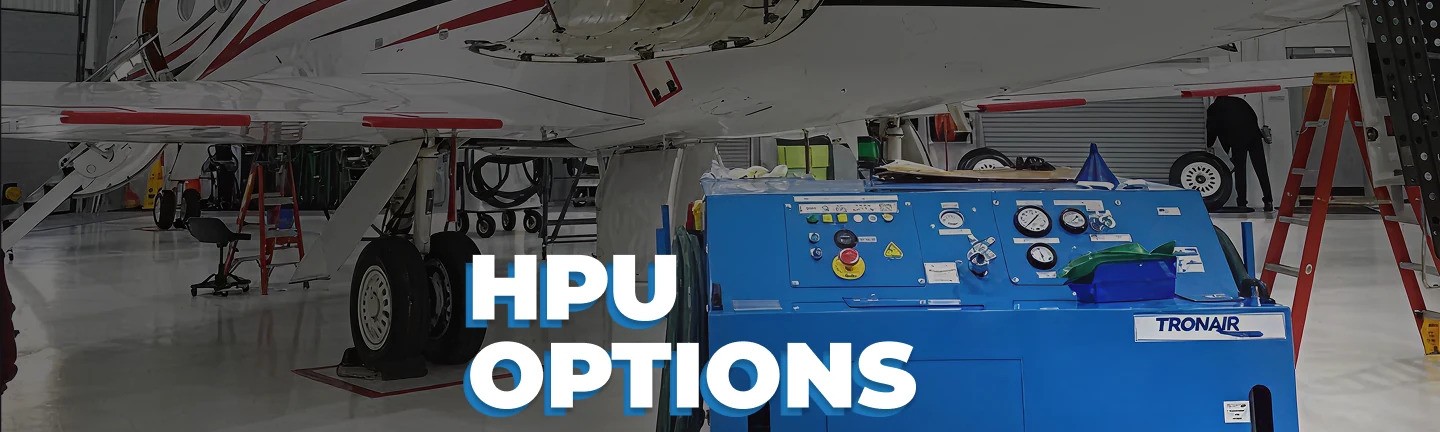





Essential Maintenance Tips for Maximizing HPU Performance
Key Takeaways
- Hydraulic power units are critical to aircraft maintenance operations – powering landing gear, flight control surfaces, and other essential systems – making proactive HPU maintenance a direct contributor to aircraft safety and availability.
- Stocking essential spare parts – including filters, fuses, ball valves, motor starters, transformers, and fluid level sensors – is one of the most effective ways to minimize repair-related downtime when issues arise.
- Core preventative maintenance tasks include inspecting hoses for dry rot and leaks, checking ball valves and quick-disconnect couplers, verifying cooling fan operation, and calibrating pressure gauges annually to ensure accurate system readings.
- When a new or used HPU arrives in the hangar, a series of initial checks – including input voltage verification, pump rotation confirmation, cooling fan direction, and filter installation – should be completed before the unit is put into service.
- Before contacting PJi for HPU troubleshooting support, technicians should have key information ready – including whether the unit is new, whether hangar voltage matches input voltage, and whether the issue is related to flow, pressure, or electrical response – to streamline diagnosis and minimize downtime.
- Pilot John International supports HPU operators with spare parts, authorized service center repairs, mobile GSE service in select areas, and a full selection of new and used HPUs from Tronair – covering everything from routine maintenance to major overhauls.
Hydraulic power units (HPUs) play a vital role in aircraft maintenance and operations. From pressurizing hydraulic systems to ensuring that various flight systems function optimally, HPUs help keep aircraft in top condition.
For aircraft maintenance technicians, properly maintaining these units is essential to ensure reliability and safety. Regular inspections and proactive maintenance can prevent costly breakdowns, minimize downtime, and extend the equipment’s lifespan.
In this article, we’ll answer some common questions about HPUs and provide some essential maintenance tips, from preventative measures to spare parts management, to keep your equipment functioning at peak performance.
Why Is Regular HPU Maintenance Critical?
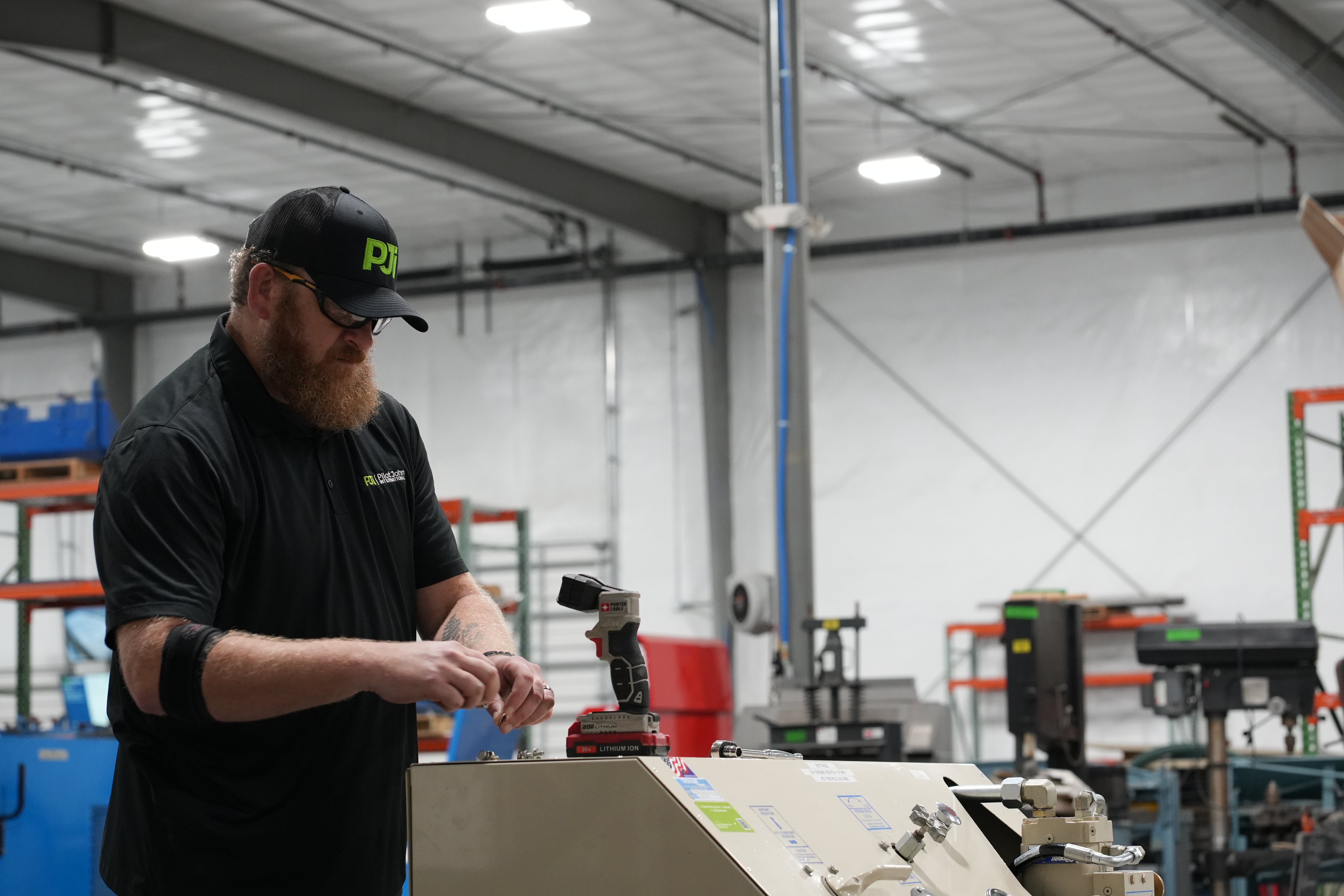
Hydraulic systems power everything from landing gear to flight control surfaces, making HPUs vital in ensuring aircraft systems function as designed. Neglecting the care and maintenance of these systems can lead to unexpected failures, potentially grounding aircraft for extended periods or compromising safety.
By regularly inspecting and maintaining your HPU, you can reduce the risk of failure, avoid expensive repairs, and keep aircraft operations running smoothly. Proper maintenance also extends the lifespan of HPUs, resulting in long-term cost savings and improved operational efficiency.
A well-maintained hydraulic power unit will consistently deliver the necessary pressure and fluid flow to ensure aircraft systems operate as intended. Maintenance technicians must remain vigilant, spotting issues early and performing routine checks to prevent minor problems from escalating into significant ones.
Which HPU Spare Parts Are Important to Have on Hand?
To ensure your HPU remains operational and to minimize downtime when issues arise, it’s critical to have specific spare parts readily available. Stocking up on these components ensures that your team can respond quickly and efficiently when repairs are needed. Here’s a list of essential HPU spare parts that you should always have on hand:
- Filters – Regularly changing filters ensures that contaminants don’t compromise the hydraulic fluid's quality, which could lead to malfunctions or wear and tear on the system.
- Fuses – Keeping spare fuses can prevent unnecessary downtime due to electrical failures.
- Transformer – A malfunctioning transformer can lead to an improper power supply to the unit. Having a spare ensures uninterrupted service.
- Motor Starter/Contactor – This component is essential for getting the motor up and running. If the starter fails, having a replacement on hand minimizes downtime.
- Ball Valves – Faulty ball valves can cause hydraulic leaks, reducing system efficiency. Keep spares to replace these components as needed.
- Fluid Level Sensor – Accurate fluid level monitoring is crucial to proper HPU operation. A faulty sensor can lead to insufficient fluid levels, potentially damaging the system.
Having these parts on hand minimizes repair delays and ensures that your HPU can get back up and running quickly after a minor failure.
What Are Some Key Preventative Maintenance Measures for HPUs?
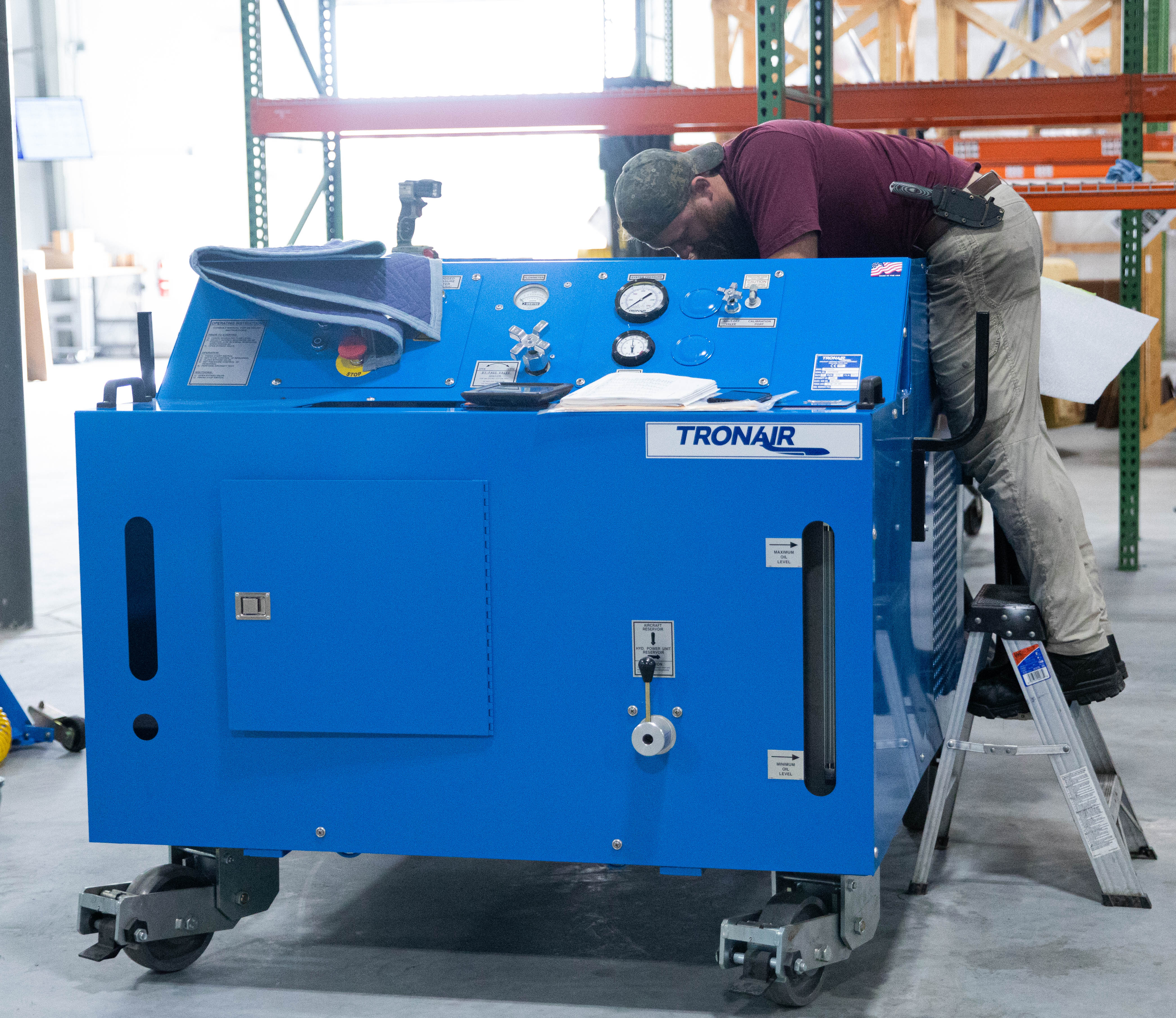
Preventative GSE maintenance is the cornerstone of reliable HPU operation. Conducting regular inspections and staying on top of wear and tear allow you to identify potential problems before they lead to system failures. Here are some critical preventative maintenance tasks every technician should perform:
- Inspect Hoses for Dry Rot or Leaks – Hydraulic hoses can degrade over time, leading to leaks that reduce system pressure and efficiency. Check hoses regularly for signs of wear, dry rot, or leaks, and replace any damaged ones.
- Inspect Gauges for Leaks or Bent Needles – Gauges provide critical information about the system’s pressure and fluid levels. Leaks or bent needles can lead to inaccurate readings, so inspect these components and recalibrate them annually.
- Calibrate Gauges Annually – Regular calibration ensures the gauges provide accurate readings, preventing incorrect adjustments or potential damage to the system.
- Inspect Ball Valves for Leaks – Leaking ball valves can reduce hydraulic system efficiency. Check for leaks and replace faulty valves as needed.
- Change Filters – Regular filter changes help keep hydraulic fluid clean and free from contaminants that can harm the system.
- Inspect Quick-Disconnect Couplers (QDs) for Leaks – Leaking couplers can lead to fluid loss and pressure issues. Make sure QDs are tight and functioning correctly.
- Ensure Cooling Fans Are Working Properly – The cooling system prevents the HPU from overheating, which can damage internal components. Verify that the fans are operational and replace them if necessary.
- Tighten Screws and Fasteners – Over time, vibration can loosen screws and fasteners, especially on the input plug. Regularly inspect and tighten these components to prevent electrical issues.
These preventative maintenance tasks are simple yet effective in prolonging the life of your HPU and ensuring it operates at peak efficiency.
What Initial Checks Should Be Performed on New or Used HPUs in Your Hangar?
When a new or used hydraulic power unit arrives in your hangar, performing a series of checks before putting it into operation is essential. These initial inspections ensure the unit is set up correctly and prevent potential issues from causing damage or delays:
- Check Input Voltage Compatibility – Ensure the HPU’s input voltage matches the hangar's power supply. It's best to have an electrician measure the input power to confirm compatibility.
- Check Pump Rotation – After powering up, verify that the pump is rotating in the correct direction. If not, contact Pilot John International (PJi) for guidance on reversing the rotation.
- Inspect Cooling Fan Operation – The fan should blow air from the inside of the unit to the outside. If air is blowing in the opposite direction, reach out to us for assistance with adjusting the fan phases.
- Inspect Hoses and Cables for Damage – Even new HPUs can sustain damage during shipping. Check all hoses and input cables for signs of wear or damage.
- Check Filter Installation – Ensure that the filters are installed correctly and the housings are tight.
- Ensure Quick Disconnects Are Secure – Confirm that all QDs are tight and properly connected.
These initial inspections will help ensure the HPU operates correctly and safely from the start.
What Information Should You Have Ready Before Contacting PJi for HPU Troubleshooting?
When issues arise with your HPU, troubleshooting with a PJi service technician can quickly get your unit back online. Before contacting support, gather as much information as possible to streamline the process. Common questions a technician will ask include:
Electrical Issues
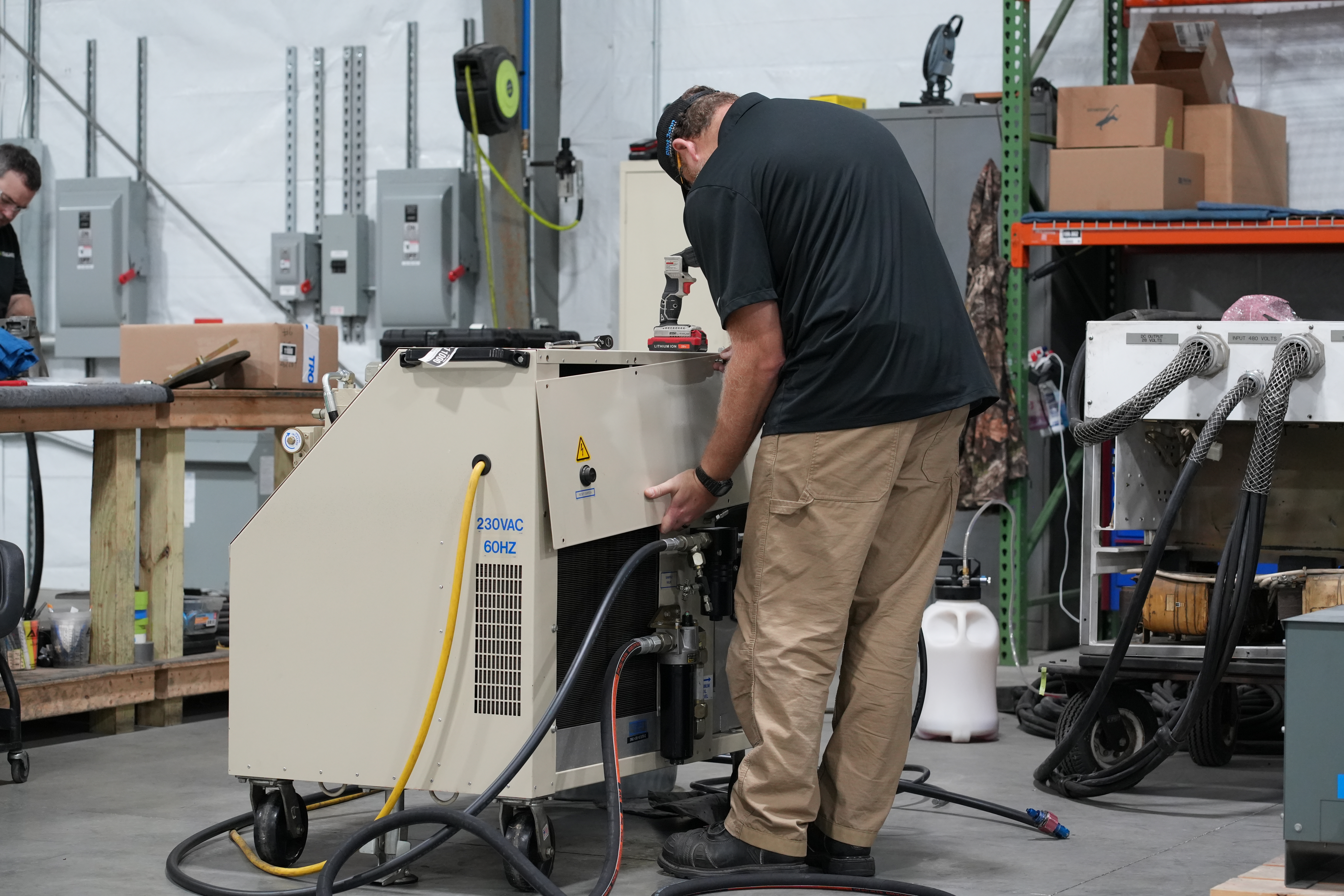
- Is the HPU new or new to the hangar?
- Does the hangar voltage match the HPU’s input voltage?
- When you press the start button, does the unit emit any sound, or does it respond at all?
Flow Issues
- Is the pump rotating in the correct direction?
- Is the selector valve in the proper position?
- Are the issues related to flow, pressure, or both?
Having this information ready can expedite the troubleshooting process and minimize downtime. If our expert technicians can’t resolve the problem remotely, you can ship the unit to our GSE service center for repairs. PJi also offers mobile GSE service and maintenance in select areas.
The Bottom Line
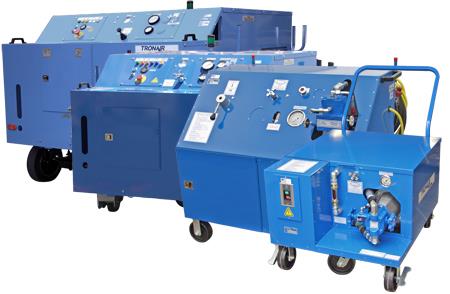
Maintaining your hydraulic power unit ensures your aircraft systems operate efficiently and safely. By performing regular maintenance, keeping essential spare parts on hand, and conducting thorough inspections when a new or used HPU arrives, you can extend your equipment's lifespan and avoid unexpected failures.
Pilot John International® is your one-stop shop for all your aircraft maintenance needs, ensuring that you Stay Flight-Ready® with reliable equipment and expert service. Whether your HPU requires routine servicing, a minor repair, or a major overhaul, our authorized service center is fully equipped to handle it all.
We stock a wide range of replacement filters, fuses, hoses, gauges, and other spare parts to keep your HPU running smoothly. Having these critical components on hand allows for quick repairs, minimizing maintenance-related downtime.
If you’re looking to upgrade or replace your unit, PJi offers a comprehensive selection of new and used HPUs from industry leaders like Tronair. Our friendly and knowledgeable aviation specialists can guide you to the right solutions for your specific operations. Call, email, or chat with us today!