




All Systems Go: A Guide to the Essential Components of an Airplane
Key Takeaways
- Flight is made possible by four fundamental forces – lift, thrust, drag, and gravity – with wing shape and engine propulsion working together to keep an aircraft airborne and moving forward.
- An aircraft's wings include several critical components, such as flaps, ailerons, and spoilers, each serving a distinct role in controlling lift, drag, and the aircraft's attitude in flight.
- The cockpit brings together flight controls, navigation systems, and performance instruments that give pilots the situational awareness and physical control needed to operate the aircraft safely.
- The landing gear, brakes, fuselage, and cabin round out the aircraft's primary structural systems, supporting everything from ground operations to passenger safety and cargo transport.
- Avionics – including communications, navigation, and flight management systems – form the electronic backbone of a modern aircraft, enabling precise routing, real-time communication, and automated flight planning.
Have you ever gazed up at the sky and wondered about the intricate workings of an airplane? The world of aircraft is fascinating, full of complex components and systems that work together to keep passengers secure and comfortable.
Whether you're a seasoned traveler or a curious aviation enthusiast, learning about the different parts of an airplane is fundamental to appreciating the incredible feat of human engineering that is flight. From the wings and engines to the cockpit and cabin, a multitude of aircraft parts work together to ensure a smooth, efficient flight.
In this guide, we'll explore the various aspects of aircraft in detail, unraveling the mysteries of flight and shedding light on the incredible technology that enables air travel. So, fasten your seatbelts and get ready for takeoff!
The Basics of Aircraft Design
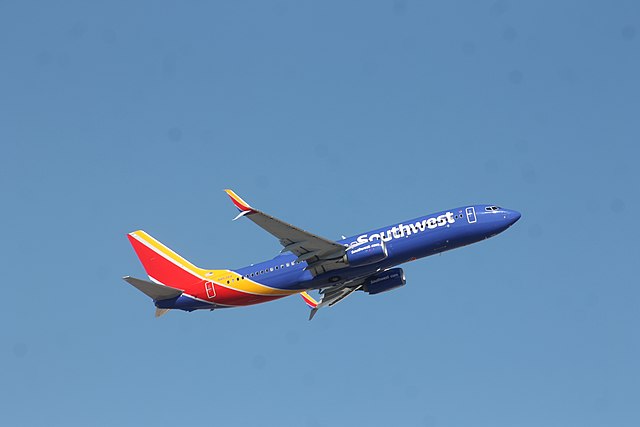
Taking flight hinges on overcoming gravity, a challenge all airplanes are designed to tackle. The key lies in an aerodynamic phenomenon called lift, a force produced by the plane's airfoil-shaped wings. As the aircraft moves forward, air flows over the wings, creating a difference in air pressure that generates lift, keeping the plane airborne.
Another important aspect of aircraft design is propulsion. An airplane's engines provide the forward thrust needed to move through the air. Thrust is achieved by drawing in air and burning fuel to create a high-pressure gas stream, which is expelled from the back of the engine, providing the necessary thrust.
The Anatomy of an Airplane
An airplane comprises many distinctive parts, each crucial to ensuring a safe and successful flight. The main components of an aircraft include the wings, engines, cockpit, fuselage, avionics, landing gear, and brakes.
Wings and Their Components
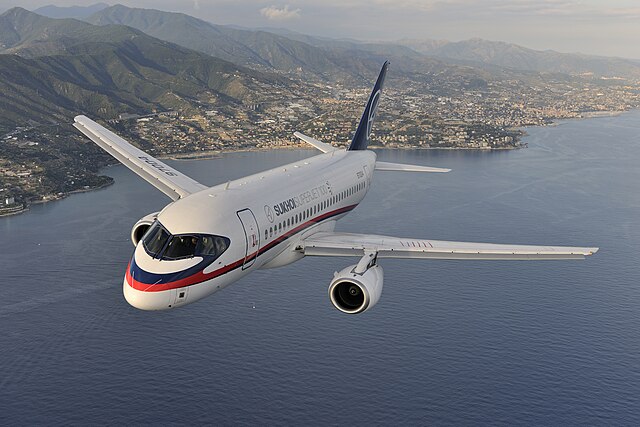
The airplane's wings generate lift, a fundamental element of flight. The shape and size of the wings can vary depending on the type of aircraft, but they all work on the same principle of creating a difference in air pressure. The wings consist of several components, including the wingtips, flaps, ailerons, and spoilers.
The wingtips are the outermost section of an airplane's wings, designed to reduce drag and improve fuel efficiency. Flaps are located on the trailing edge of the wings and can extend to increase the wing's surface area, generating greater lift. Ailerons are located on the trailing edge of the wings and are used to control the aircraft's roll. Spoilers are also located on the wings and are used to reduce lift and increase drag, which is critical during landing and takeoff.
Engines and Propulsion Systems
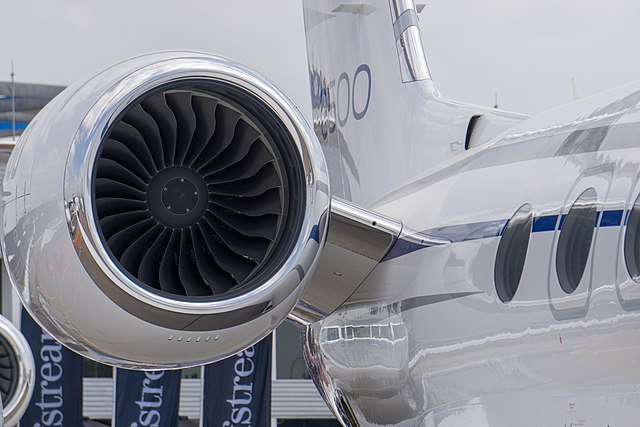
Engines provide the forward thrust needed to move a plane through the air. Aircraft utilize a variety of types of engines, including turbojet, turboprop, and turbofan engines. While each engine type works differently, they all use the same basic principle of taking in air and burning fuel to create thrust.
In addition to the engines, airplanes have several other propulsion systems, including the fuel and hydraulic systems. The fuel system stores and delivers fuel to the engines, while the hydraulic system powers various aircraft parts, such as the landing gear and brakes.
Cockpit and Flight Controls
The cockpit is where the pilots sit and control the airplane. This elaborate network of instruments and controls enables pilots to navigate, communicate, and monitor the aircraft's performance. Also located in the cockpit are the flight controls, which control the airplane’s movements. These controls include the yoke, rudder pedals, and throttle.

The yoke controls the aircraft's roll and pitch, while the rudder pedals control the yaw. The throttle controls the plane's speed and altitude. In addition to these basic controls, the cockpit includes several other instruments and controls, including the altimeter, airspeed indicator, and navigation systems.
Landing Gear and Brakes
The landing gear of an airplane supports the aircraft's weight during takeoff and landing. It's a multifaceted system of struts, wheels, and brakes that allows the plane to take off and land smoothly. The brakes are also an integral part of the landing gear, slowing down the aircraft during landing and taxiing.
Fuselage and Cabin
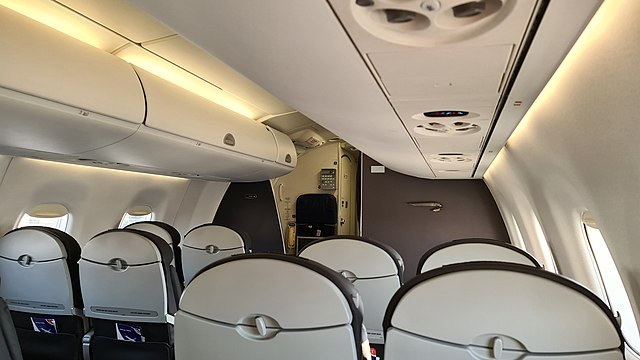
The fuselage is the main body of the airplane. It houses the passengers, cargo, and other key aircraft components. Located inside the fuselage, the cabin is where the passengers sit during flight. The cabin is designed for comfort and safety, featuring oxygen masks, overhead storage compartments, and emergency exits.
Avionics and Navigation Systems
Avionics are the electronic systems used to control and monitor an airplane. These systems include the communications, navigation, and flight management systems.
The communications system transmits information to air traffic control and other aircraft, while the navigation system determines the aircraft's position and route.
The flight management system is a sophisticated computer system that enables pilots to plan and execute flights, factoring in weather conditions, air traffic, and fuel consumption.
The Maintenance and Safety of Aircraft
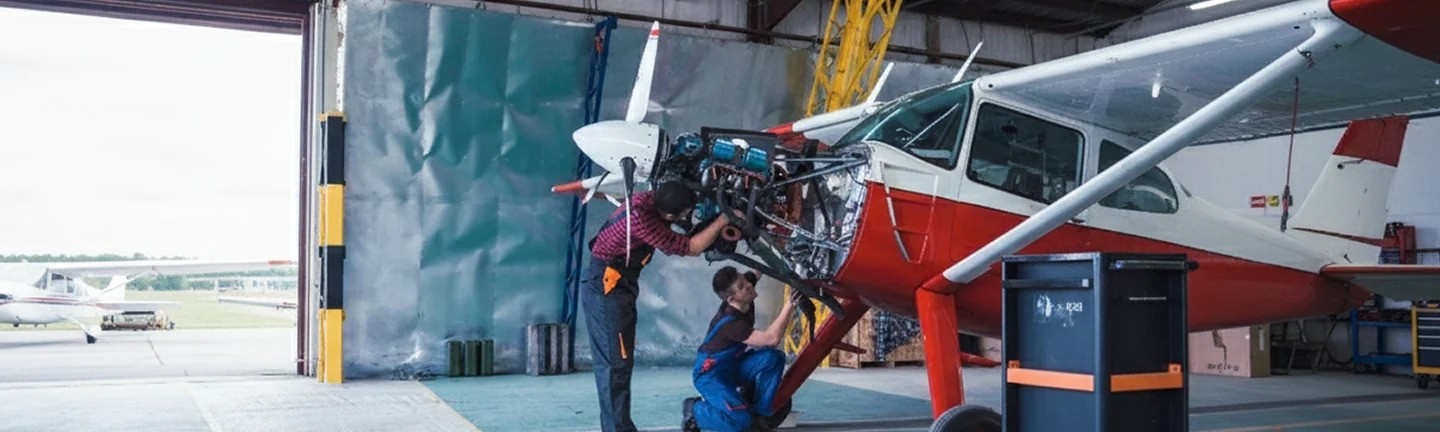
Maintaining and operating an airplane is a painstaking process requiring a skilled professional team. Regular maintenance and inspections are paramount to ensuring the aircraft's safety and reliability. In addition to regular maintenance, planes undergo rigorous safety checks before each flight to ensure that all systems function properly.
The Bottom Line
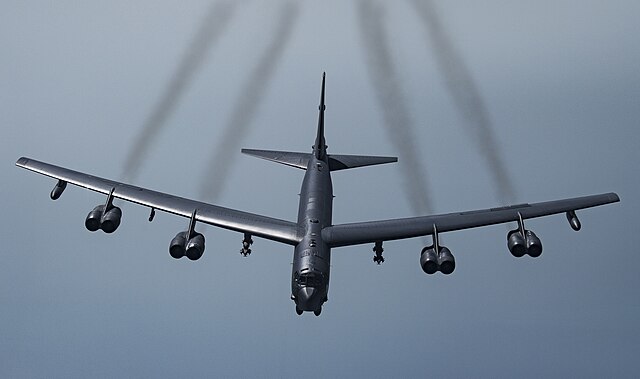
Modern air travel is a testament to human ingenuity. Beneath an airplane's sleek exterior lies a breathtaking network of interconnected systems. Each component, from the aerodynamically designed wings to the state-of-the-art navigation equipment, plays a vital role in the seamless operation of the aircraft. By delving deeper into the workings of these individual parts, we gain a newfound respect for the technical marvel that empowers us to soar through the skies.
Pilot John International (PJi) offers a comprehensive selection of ground support equipment (GSE), consumables, aircraft parts, tooling, avionics test equipment, pilot supplies, and safety equipment to keep you flight-ready!
If you need help finding the right equipment, tooling, and supplies for your operations, our friendly and knowledgeable aviation specialists will be happy to assist you. Call, email, or chat with us today!