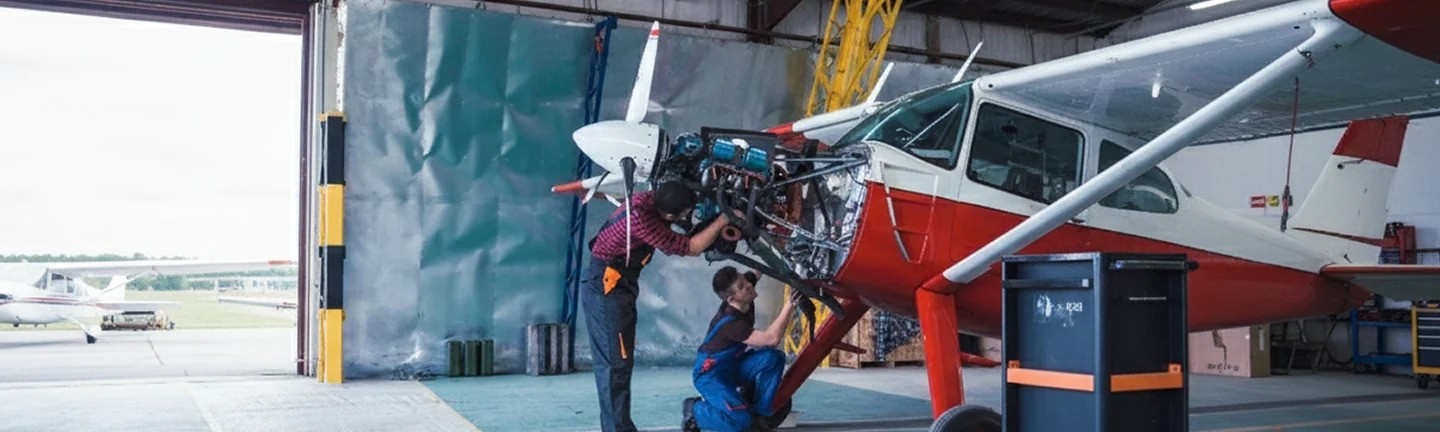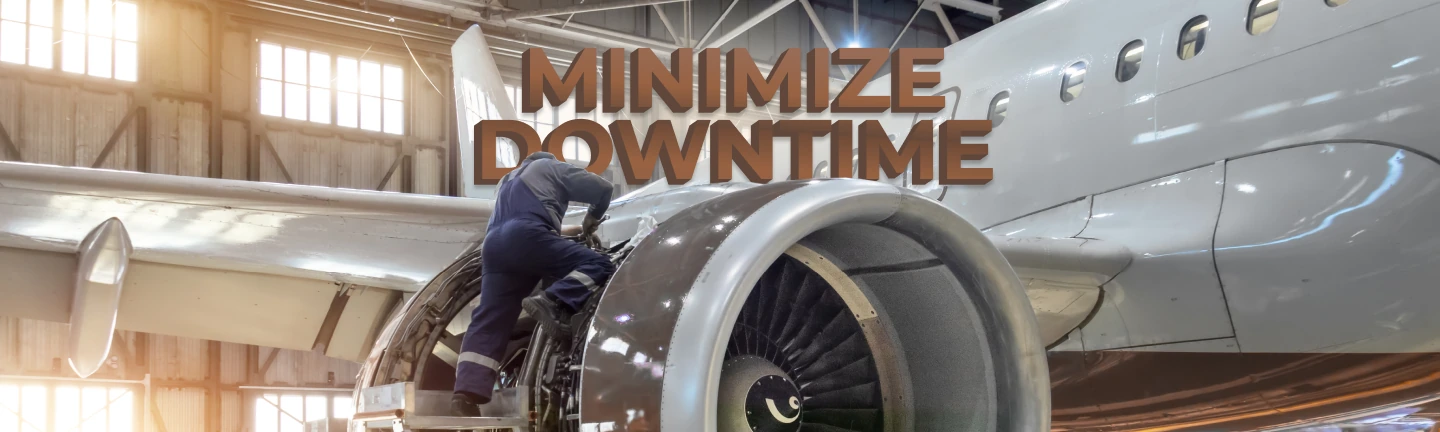
Minimize Downtime with Regular Aircraft Inspections
Key Takeaways
- Regular aircraft inspections are both a legal requirement and a safety cornerstone – enabling technicians to catch component wear, corrosion, and system issues before they become serious hazards or costly failures.
- Four main inspection types address different scenarios: preflight checks before every flight, scheduled inspections at defined intervals, unscheduled inspections following incidents, and specialized checks for engines, avionics, and flight control systems.
- Beyond compliance, regular inspections deliver measurable operational benefits – improved fuel efficiency, reduced unplanned downtime, extended component life, and higher dispatch reliability.
- Non-compliance with FAA or EASA inspection requirements can result in fines, aircraft grounding, and loss of operating licenses. Incomplete maintenance records also reduce aircraft resale value.
- Key inspection tools include pitot-static testers, borescopes, NDT equipment (ultrasonic, magnetic particle, eddy current), avionics test sets, and GPUs – each serving a specific diagnostic role in a thorough maintenance program.
- PJi supplies the GSE, avionics test equipment, and aircraft tooling that maintenance teams rely on to conduct accurate, efficient, and compliant aircraft inspections.
Aircraft inspections are essential to maintaining the safety, reliability, and performance of any aircraft – from private jets and commercial airliners to military platforms. They're a legal requirement, but they're also the foundation of airworthiness and operational efficiency.
Neglecting routine checks leads to unforeseen mechanical failures, higher maintenance costs, and increased risk to passengers and crew. In this article, we'll explore why regular aircraft inspections matter, the different types of inspections, the operational benefits they deliver, and the tools that enable thorough maintenance.
Why Are Regular Aircraft Inspections Important?
Ensuring Safety
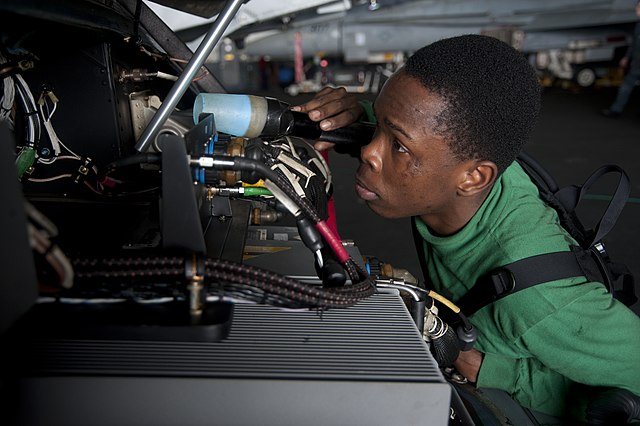
The primary purpose of regular aircraft inspections is to ensure the safety of everyone onboard. Aircraft are complex machines with thousands of components working together, often under extreme conditions. Over time, parts wear out or sustain damage even during routine operations. Inspections allow technicians to identify and address potential issues before they escalate into serious problems.
Maintaining Regulatory Compliance
Regulatory authorities, including the FAA and EASA, mandate regular inspections to maintain an aircraft's Certificate of Airworthiness. Non-compliance can result in fines, aircraft grounding, and loss of operating licenses. Regular checks keep operations aligned with these requirements and protect both certification status and operational continuity.
Preventing Costly Repairs
Catching issues early through regular inspections significantly reduces long-term costs. Addressing minor component wear is far less expensive than dealing with a full system failure. Preventative maintenance also minimizes emergency repairs, which are typically more disruptive and more costly than planned work.
Preserving Aircraft Value
Whether you own a single aircraft or manage a fleet, maintaining asset value matters. Regular inspections and complete maintenance records demonstrate that an aircraft has been well cared for, making it more attractive to buyers or lessees. Aircraft with incomplete maintenance histories consistently see lower resale values and reduced buyer interest.
What Are the Different Types of Aircraft Inspections?
Aircraft inspections can vary depending on the aircraft type, usage, and regulatory requirements. Here are the main categories:
Preflight Inspections
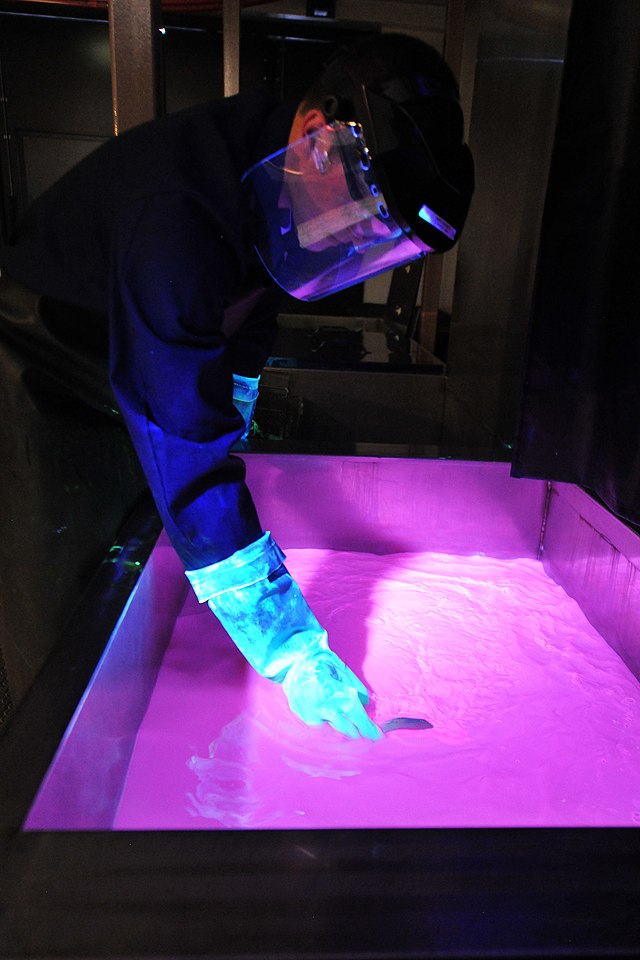
Performed before each flight, preflight inspections involve visual checks of critical areas – landing gear, control surfaces, pitot-static systems – along with fluid level verification and confirmation of cockpit systems. They're designed to catch any immediate issues that could affect flight safety before wheels leave the ground.
Routine Scheduled Inspections
Scheduled inspections are conducted at defined intervals based on flight hours, cycles, or calendar days. They range from A-checks (light maintenance) through C-checks and D-checks, which involve progressively more detailed examination and repair work. These inspections identify wear that preflight checks won't catch.
Unscheduled Inspections
Unscheduled inspections occur in response to unexpected events such as system malfunctions, hard landings, or in-flight incidents. Their purpose is to diagnose the problem and confirm that the aircraft is safe to return to service.
Specialized Inspections
Engines, avionics, and flight control systems often require dedicated inspections using advanced diagnostic tools – including borescopes, non-destructive testing (NDT) equipment, and avionic test sets – to verify that critical systems are functioning within specification.
How Do Regular Inspections Improve Aircraft Performance and Reliability?
Enhanced Performance
Inspections ensure all systems are running at peak efficiency. Well-maintained engines deliver better fuel economy, reducing operating costs and environmental impact. Properly calibrated avionics provide accurate flight data, supporting navigation accuracy and pilot confidence throughout every phase of flight.
Improved Reliability
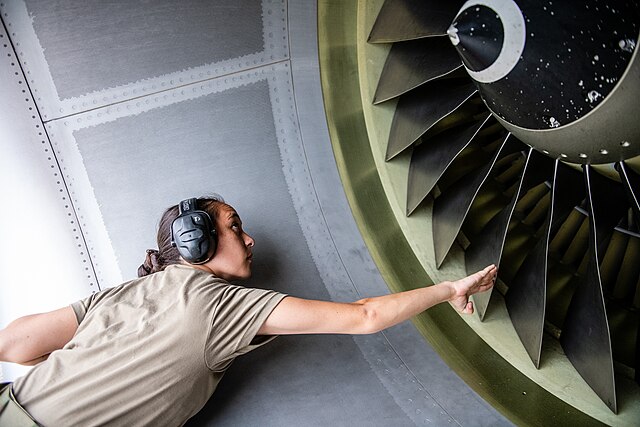
Aircraft that undergo regular inspections are far less likely to experience in-flight issues or maintenance-related delays. Preventative checks catch wear before it causes malfunctions, minimizing unplanned downtime. In commercial operations, this reliability translates directly into improved on-time performance and passenger satisfaction.
Prolonged Service Life
Routine maintenance significantly extends an aircraft's operational lifespan. Addressing minor issues early prevents them from escalating into major problems, helping operators avoid costly overhauls or premature component replacements. Consistent care keeps critical systems in good condition for the long term.
Operational Readiness
For military and business aviation, readiness is non-negotiable. Regular inspections ensure all systems are mission-capable, reducing downtime and supporting reliable scheduling in high-demand, time-sensitive environments.
What Tools and Equipment Are Essential for Aircraft Inspections?
Aircraft inspections require specialized tools and equipment to ensure precision, efficiency, and compliance with safety standards during maintenance. These tools play a vital role in identifying issues, maintaining regulatory compliance, and keeping aircraft operating at peak performance. Key equipment includes:
Pitot-Static Testers

Pitot-static test equipment verifies the accuracy of airspeed, altitude, and vertical speed instruments. These devices simulate air pressure conditions, allowing technicians to calibrate and troubleshoot cockpit instruments without requiring actual flight conditions.
Borescopes
Borescopes enable inspection of internal engine components without full disassembly, saving time and labor. High-resolution cameras and flexible probes enable technicians to detect wear, corrosion, or damage in hard-to-reach areas, keeping engines in optimal condition without unnecessary teardowns.
Non-Destructive Testing Tools
NDT tools – including ultrasonic, magnetic particle, and eddy current testers – detect subsurface defects without damaging aircraft components. They're particularly valuable for identifying structural issues such as cracks and corrosion at an early stage, before they compromise safety.
Avionics Test Equipment
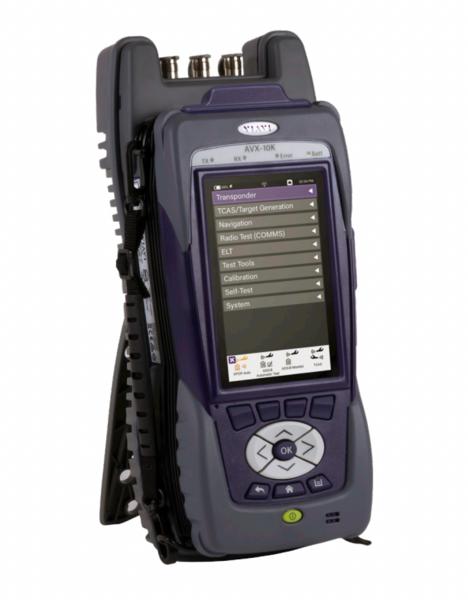
Avionics test equipment calibrates and verifies communication, navigation, and flight control systems against operational standards, ensuring critical electronics perform reliably and reducing the risk of in-flight failures.
Ground Power Units
Ground power units (GPUs) supply stable, clean power to aircraft during maintenance, enabling system testing without running onboard engines. This reduces fuel consumption, minimizes wear on aircraft power systems, and supports efficient, safe maintenance throughout the inspection process.
The Bottom Line
Regular aircraft inspections are the foundation of safe, reliable, and cost-effective aviation operations. They protect airworthiness, extend service life, keep costs in check, and ensure aircraft are ready when they're needed most.
Having the right tools and equipment is equally critical – precision, compliance, and efficiency all depend on it. Pilot John International® (PJi®) is your trusted source for premium ground support equipment (GSE), avionics test equipment, and aircraft tooling to support every aspect of your inspection and maintenance program. Contact our aviation specialists today by phone, email, or live chat to find the right solutions for your operation.