AOG Van Essentials: All the Tools and Equipment You Need
Key Takeaways
- AOG – or "Aircraft on Ground" – is a designation used when an aircraft is unexpectedly grounded and unable to fly, requiring immediate professional attention before it can be cleared for service.
- The financial impact of an AOG event can reach up to $150,000 per hour, making rapid response a top operational priority for airlines, MROs, and flight departments.
- Common causes of AOG conditions include mechanical failures, maintenance delays, supply chain disruptions, regulatory non-compliance, and weather-related damage to aircraft systems.
- AOG vans are specialized mobile maintenance units that allow technicians to bring tools, parts, and diagnostic equipment directly to the grounded aircraft – eliminating the delays associated with waiting for separate deliveries.
- A fully outfitted AOG van should cover a broad range of maintenance needs, including hydraulic and tire servicing, avionics testing, gear swing support, preflight inspections, and specialized field diagnostics.
- PJi provides the GSE, tooling, avionics test equipment, and consumables needed to outfit a capable AOG van – with aviation specialists available to help teams identify exactly what they need.
AOG events pose serious operational and financial challenges for airlines, often leading to costly delays and unplanned downtime. With each passing minute that an aircraft remains grounded, the pressure mounts to restore it to service as quickly and efficiently as possible.
That’s where AOG services – and specifically, AOG vans – make a critical impact. These specialized mobile units are equipped to deliver essential tools, components, and technical support directly to the aircraft. In this article, we’ll explore the true cost of AOG scenarios, what AOG vans are, what equipment they carry, and how they help aviation teams minimize disruptions and get planes back in the air faster.

AOG: What It Means in Aviation
In aviation, AOG stands for “Aircraft on Ground” – a term used when an aircraft is unexpectedly grounded and unable to continue operation. The designation applies when mechanical or operational issues prevent an aircraft from flying, even when it might otherwise be permitted to operate with minor discrepancies under a Minimum Equipment List (MEL). An AOG condition means the aircraft is not airworthy and requires immediate professional attention before it can be cleared for flight.
Because aircraft are vital to maintaining tight schedules and high service standards, AOG events are treated with urgency across the industry. When an aircraft is grounded, flight schedules are disrupted, delays or cancellations cascade through the network, and operational issues compound by the hour. The longer an aircraft remains grounded, the greater the financial and logistical consequences for the airline – which is why resolving AOG situations quickly, often through expedited parts delivery and on-site repair support, is a top priority across aviation.

Common Causes of AOG Events
AOG situations can stem from a wide variety of disruptions – some unexpected, others surfacing during routine procedures. Below are the most common causes that may ground an aircraft and trigger the need for urgent AOG support.
Mechanical Failures
Unexpected mechanical issues are one of the most frequent causes of AOG incidents. These can range from engine malfunctions and landing gear faults to avionics failures or fluid leaks. Even relatively minor problems – such as faulty sensors or lighting systems – can render an aircraft inoperable until they’re repaired. Because flight safety is paramount, aircraft cannot return to service until the affected systems are inspected and approved by certified technicians.
Maintenance Delays
Routine maintenance procedures, such as A-checks and B-checks, are required at specific intervals to keep aircraft airworthy. If these inspections uncover discrepancies – or if scheduled maintenance runs longer than expected – the aircraft may be placed in AOG status. Even small oversights or delays in documentation can extend downtime, which is why airlines coordinate closely with MROs (maintenance, repair, and overhaul providers) to prevent avoidable delays.
Supply Chain Issues
Disruptions in the supply chain – such as delayed shipments, backorders, and customs holdups – can significantly prolong AOG incidents. Even a single unavailable part, especially for older or specialized aircraft, can keep a plane grounded for extended periods. In critical situations, airlines may need to charter or hand-deliver replacement parts to the grounded aircraft, adding urgency and cost to the repair. Long lead times, limited inventory, and outdated stock make proactive planning and strong supplier coordination essential to minimizing AOG-related delays.
Regulatory Compliance
Aircraft are also grounded when they fall out of compliance with aviation regulations or safety directives. This may involve expired certifications, missed airworthiness directives (ADs), or improperly logged maintenance records. Regulatory bodies like the Federal Aviation Administration (FAA) enforce strict standards, and any deviation can result in immediate grounding until corrective actions are taken. Maintaining compliance is critical not only for safety but also to avoid extended operational interruptions.
Weather-Related Issues
Although weather alone doesn’t typically trigger a mechanical AOG classification, extreme conditions can indirectly contribute to grounding an aircraft. Heavy icing may damage exterior sensors or delay required maintenance, while lightning strikes and high winds can affect sensitive avionics or structural components. In some cases, ground crews may be unable to access the aircraft for inspection or repair due to severe weather, further delaying return to service.
The True Cost of an AOG Event
AOG events can be financially devastating for airlines, with costs ranging from tens of thousands to $150,000 per hour depending on the aircraft type, route, and urgency of the repair. These expenses typically include expedited parts delivery, overtime labor for maintenance crews, and logistical support for technical teams dispatched to the grounded aircraft. Airlines also have to contend with missed flight revenue, which compounds quickly when a commercial aircraft is out of service.
Beyond the direct financial losses, AOG situations generate ripple effects that touch passengers, cargo shipments, and brand reputation. Flight cancellations and delays leave travelers dissatisfied, drive up costs for accommodations and rebooking, and can trigger regulatory penalties. For cargo carriers, time-sensitive shipments such as medical supplies or perishable goods can be severely delayed, disrupting entire supply chains. These wide-ranging consequences make minimizing AOG time not just a priority, but a necessity across the aviation industry.
How AOG Services Work
AOG services are specialized aviation support systems designed to resolve Aircraft on Ground scenarios as quickly and efficiently as possible. These services provide rapid-response maintenance and logistics solutions to get grounded aircraft back into operation with minimal delay. When an AOG event occurs, the clock starts immediately – airlines must act fast to avoid cascading disruptions, revenue loss, and dissatisfied passengers. AOG service providers are equipped to respond at a moment’s notice, delivering the personnel, tools, and parts needed to complete urgent repairs on-site.
The AOG service process begins with immediate issue identification, typically reported by the airline’s maintenance control center. From there, service providers assess what repairs are necessary, identify which replacement parts are needed, and determine how to get those parts to the aircraft as fast as possible. Mobile AOG teams are then dispatched – often in specially outfitted vans or service vehicles – with trained technicians who can conduct inspections, repairs, and component replacements directly at the aircraft’s location. The goal is always the same: return the aircraft to service quickly, safely, and in full compliance with FAA regulations.
Because time is of the essence, AOG services rely heavily on streamlined logistics and a strong supplier network. In many cases, providers will hand-carry or charter critical components to the aircraft to avoid shipping delays. These operations may also include customs clearance, damage assessment, emergency equipment repair, and the issuance of the documentation required to certify airworthiness. Whether the aircraft in question is a regional jet, cargo plane, or business aircraft, the AOG service team ensures every technical and regulatory requirement is met to clear the aircraft for flight. These services aren’t just reactive solutions – they’re central to maintaining operational continuity, minimizing revenue loss, and protecting flight safety.
The Role of an AOG Van
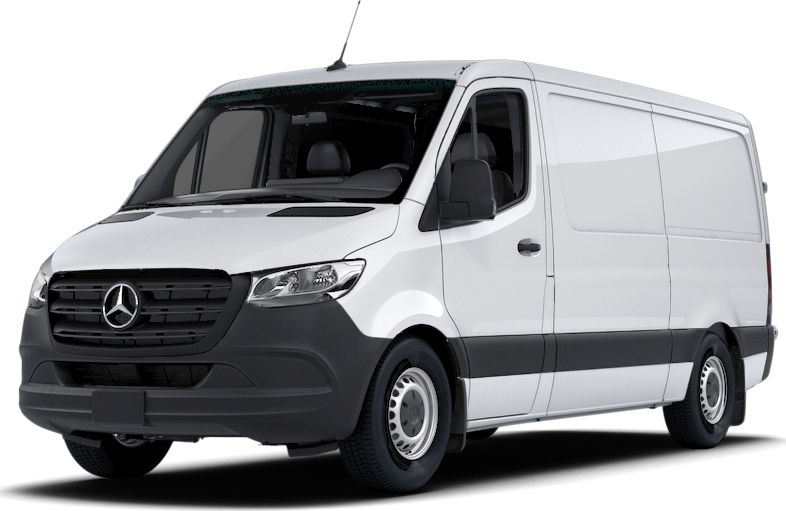
An AOG van is a specialized mobile maintenance unit designed to deliver rapid-response support when an aircraft is unexpectedly grounded. Outfitted to meet aviation-specific needs, these vehicles serve as mobile repair stations capable of reaching aircraft wherever they’re located – whether on the tarmac at a major hub or at a remote regional airfield. When time is critical, AOG vans put technicians on-site with the resources they need to diagnose issues and begin repair work immediately.
Rather than waiting for parts or tools to arrive separately, AOG vans allow maintenance teams to bring everything they need in one trip, significantly reducing the delays that come with a fragmented response. These vehicles are typically customized to store and transport a broad range of service equipment, and they’re staffed by trained personnel ready to perform urgent repairs at any hour. With many AOG service providers offering 24/7 availability, these vans play a vital role in getting aircraft back in the air faster – helping airlines avoid extended downtime and the ripple effects of canceled flights or missed schedules.
Inside a Fully Outfitted AOG Van
Given the wide range of maintenance and repair tasks AOG service technicians have to be prepared to handle, AOG vans need to be outfitted with a broad selection of tools, equipment, and diagnostic gear – everything required to restore an aircraft to airworthy condition on-site.
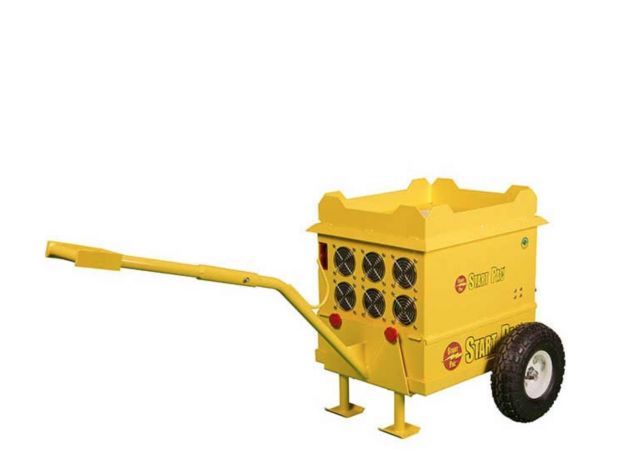
To further extend their capabilities, some AOG van operators attach enclosed trailers with ramp gates, allowing them to transport larger equipment such as aircraft jacks, hydraulic mules, and ground power units (GPUs) that wouldn’t otherwise fit inside the van.
Depending on the anticipated maintenance and repair work, an AOG van may be stocked with specialized tools, support equipment, and service materials. Below are the key categories of equipment that help AOG technicians respond quickly, work efficiently, and return grounded aircraft to service as safely and effectively as possible.
Essential Tools and Hardware for Aircraft Maintenance
To handle a wide range of field repairs, every AOG van should be equipped with a full assortment of hand tools and basic inspection equipment. That includes torque wrenches (1/4", 3/8", and 1/2" sizes), spanner sockets, tire and strut gauges, safety wire, and a complete toolbox stocked with the aviation tools any technician would expect to reach for. Flashlights, ladders, portable lighting, and external monitors are also critical for visibility and reference during inspections or repairs. Stocking aviation-grade lubricants, grease guns, and lube accessory kits lets technicians properly relubricate systems after maintenance tasks are complete. Having these general-use items on board sets a strong foundation for quickly restoring aircraft to service.
Hydraulic, Tire, and Strut Servicing Equipment
Servicing tires, struts, and hydraulic systems is a common AOG task, and having the right equipment on hand is essential. AOG vans should be stocked with axle jacks, including Tronair’s 12-ton and 25-ton models, wheel chocks, tire servicing chucks, brake bleeder kits, and wheel socket kits. For hydraulic maintenance, portable 2-gallon 5606 and Skydrol servicing units, Skydrol LD-4 and 500B-4 fluids, and 782 or 5606 hydraulic fluids are essential. Carrying strut gauges and nitrogen and oxygen bottles with proper regulators, hoses, boosters, and gauges ensures technicians can quickly service landing gear and brake systems without delay.

Avionics Testing and Database Load Equipment
In today’s digital cockpits, avionics troubleshooting and database updates are frequent needs during AOG events. To support that work, vans should carry a rugged laptop or tablet with aviation database management software, USB drives, SD cards, and OEM-specific loaders. Mobile connectivity – via a 5G hotspot or a Starlink terminal – enables last-minute downloads and VPN access for secure updates. For field avionics testing, equipping the van with essential tools such as the T-RX RP+ all-in-one tester from CCX Technologies provides portable, comprehensive diagnostics for radios, transponders, NAV/COM units, and ADS-B systems. Stocking Nav-Aids air data accessories kits ensures safe and accurate pitot-static system testing across a wide range of aircraft types.
Gear Swing Equipment
Gear swings may be required after major landing gear repairs, hydraulic issues, or hard landings – and they have to be done correctly to restore flight status. Outfitting an AOG van for this task means carrying aircraft-specific tripod jacks, axle jacks, jack pads and adapters, a portable GPU, a hydraulic mule, and the appropriate hydraulic fluids. Supporting gear – including digital multimeters, torque wrenches, aviation-grade grease, borescopes or videoscopes, and fall protection equipment – helps technicians safely and thoroughly inspect gear movement and locks during the procedure. Wheel chocks, safety cones, and documentation tools (such as a laptop or tablet loaded with manuals) round out the gear-swing kit, keeping the job moving quickly and in compliance with OEM procedures.
Preflight Inspection (PFI) Tools
Before an aircraft is released after AOG maintenance, a thorough pre-flight inspection is often required. Essential PFI tools include flashlights, inspection mirrors, calibrated tire gauges, fuel samplers, torque wrenches, and multimeters. Portable pitot-static testers, battery analyzers, fuel contamination kits, and aviation-grade lubricants and fluids ensure all systems are checked and topped off as needed. PPE such as gloves, safety glasses, ear protection, spill kits, and a fire extinguisher should always be on board for technician safety. Access to current maintenance manuals via a laptop or tablet, supported by mobile internet, enables inspections to be performed to OEM standards every time.

Specialized Field Diagnostic Equipment
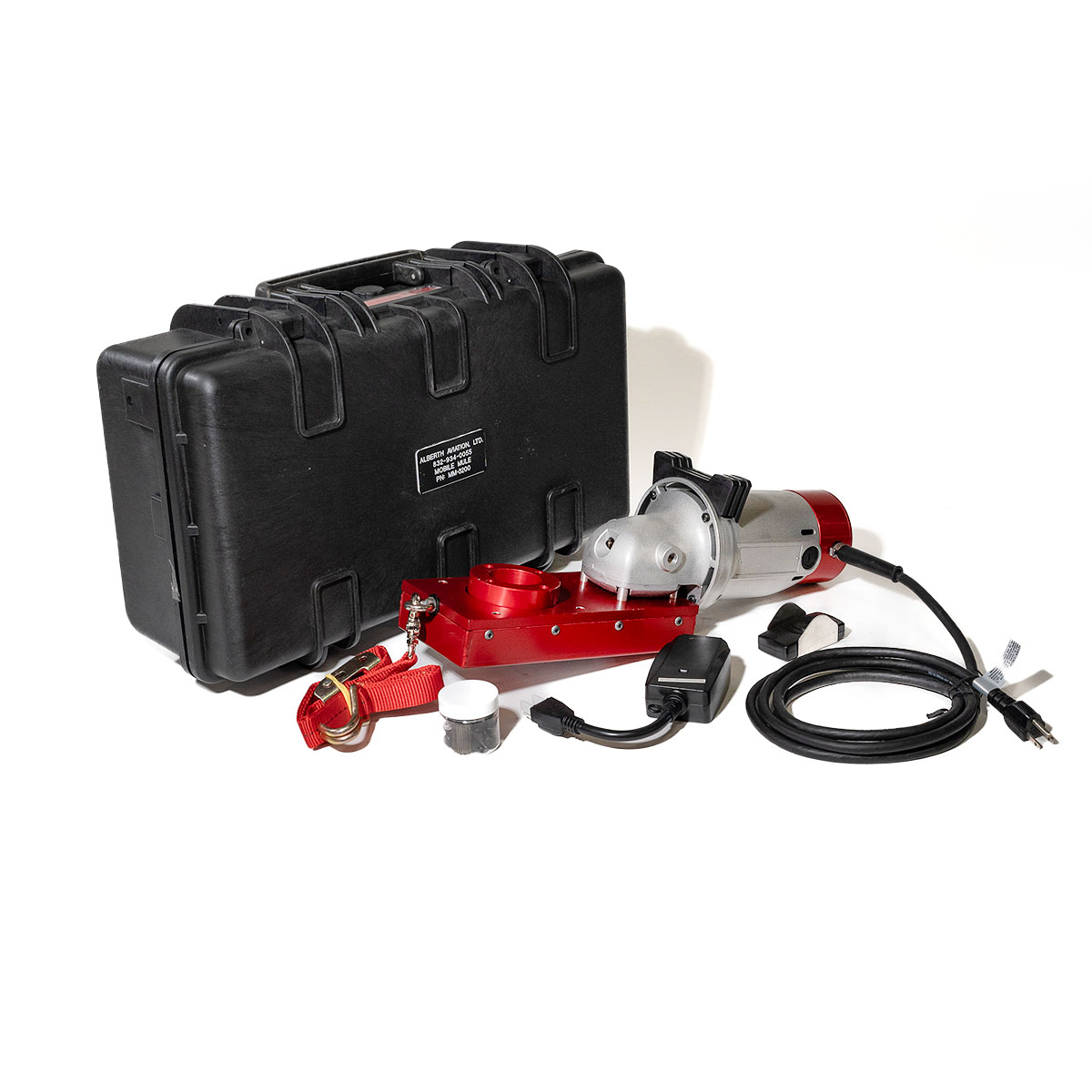
Precision diagnostic work in the field calls for a handful of specialized tools. Dial indicators let technicians verify landing gear alignment, brake or wheel runout, and control surface tolerances, while digital and bubble-style protractors help ensure accurate rigging of flaps, trim tabs, and gear doors. Cable tensiometers – such as the Wireless Gripper from Sprague Instruments – are critical for checking and adjusting control cable tension after repairs or inspections, ensuring control surface safety and compliance. Stocking IDG servicing tools allows quick on-site pressure servicing or topping off of integrated drive generators, restoring vital electrical system performance without the need for removal or aircraft towing.
The Bottom Line
When an aircraft is grounded, every second counts. Responding quickly and effectively to AOG situations is critical for minimizing downtime, maintaining flight schedules, and protecting revenue. Equipping your AOG van with the right combination of tools, equipment, and diagnostic gear ensures your technicians can work efficiently on-site, restoring aircraft to airworthy condition and getting them safely back in the air without unnecessary delays.
At Pilot John International® (PJi®), we’re your trusted one-stop shop for premium-quality ground support equipment (GSE), aircraft parts and tooling, avionics test equipment, consumables, and more – everything you need to outfit a fully capable AOG van. We proudly carry products from top brands in the aviation industry to keep your team ready for anything.
Contact our aviation specialists today by phone, email, or live chat to discuss your specific tooling and equipment needs. We’re here to help you keep your operations running smoothly, efficiently, and ready for the next AOG call.
******
Special thanks to Jeremy Shoemaker of SJ Aviation Consulting, an experienced AOG van operator and service provider based in Florida, for his contributions to this article.
Frequently Asked Questions
What does AOG stand for in aviation?
AOG stands for “Aircraft on Ground” – the designation used when an aircraft is unexpectedly grounded and unable to fly until repairs or compliance issues are resolved. It applies whenever mechanical, operational, or regulatory problems render the aircraft non-airworthy, even when minor discrepancies might otherwise be permitted under a Minimum Equipment List (MEL). AOG status is treated with urgency across the aviation industry because every grounded hour carries real operational and financial weight.
How much can an AOG event cost an airline?
AOG events can cost airlines tens of thousands of dollars per hour, with some scenarios reaching $150,000 per hour, depending on the aircraft type, route, and urgency of the repair. Direct costs include expedited parts delivery, overtime labor, and logistical support, while indirect costs include lost flight revenue, rebooking expenses, and damage to brand reputation. The longer an aircraft remains grounded, the more those costs compound.
Who provides AOG services?
AOG services are typically provided by specialized maintenance, repair, and overhaul (MRO) organizations, OEM service teams, and third-party AOG providers that maintain rapid-response networks. Many airlines also operate in-house AOG response teams, while smaller flight departments rely on contracted partners. The best AOG service providers offer 24/7 availability, broad parts inventory, and the logistics capability to deliver tools, components, and technicians to the aircraft wherever it’s grounded.
What is the difference between an AOG van and a standard maintenance vehicle?
An AOG van is purpose-built to deliver rapid-response aircraft maintenance support in the field, while a standard maintenance vehicle is generally configured for scheduled, in-hangar work. AOG vans carry the specific aviation tools, diagnostic equipment, hydraulic and pneumatic servicing gear, and consumables needed to address unscheduled groundings on-site – everything in one unit, ready to roll. Some operators also pair the van with an enclosed trailer to transport larger GSE that wouldn’t fit inside the cargo area.
Are AOG services available 24/7?
Yes – the most experienced AOG service providers offer 24/7 availability, since aircraft groundings happen at all hours and rarely on a predictable schedule. Round-the-clock dispatch, parts sourcing, and on-site technician response are central to what an AOG service is designed to deliver. When evaluating an AOG service partner, 24/7 coverage and a documented response time are two of the most important capabilities to confirm.
What is the difference between AOG and routine aircraft maintenance?
Routine aircraft maintenance is scheduled, planned work performed at defined intervals (such as A-checks, B-checks, and other inspections) to keep aircraft airworthy and prevent unscheduled groundings. AOG, by contrast, is an unscheduled, urgent event triggered when something unexpectedly prevents an aircraft from flying – often requiring on-the-spot repairs, expedited parts, and rapid technician dispatch. In practice, robust aviation maintenance programs are among the most effective ways to reduce the frequency and severity of AOG events.
How can airlines and flight departments reduce the likelihood of AOG events?
The most effective way to reduce AOG events is a combination of disciplined routine maintenance, proactive parts inventory management, and strong supplier relationships that can deliver critical components fast when something does go wrong. Tracking airworthiness directives, keeping documentation current, and investing in technician training all reduce the regulatory and mechanical issues that lead to groundings. Outfitting an AOG van and partnering with a responsive supplier like PJi can dramatically shorten recovery time when an AOG event does occur.