GSE Rental Checklist for FBOs During Major Events
Key Takeaways
- Major events – Super Bowls, air shows, F1 races, World Cups – can flood nearby FBOs with aircraft types and volumes far outside their normal operating range, making advance GSE rental planning essential to maintaining safe, efficient ramp operations.
- Core GSE rentals to secure first include high-capacity tugs, ground power units (GPUs), lavatory service carts, potable water carts, belt loaders, baggage tractors, and passenger stairs – the equipment that keeps turns moving regardless of aircraft type.
- GPU redundancy is especially critical at events where APU restrictions are in place due to noise limits or carbon-reduction policies, as aircraft may need continuous external power throughout their ground time.
- Safety and aircraft protection gear – wheel chocks, pitot covers, AOA covers, towbars with uncommon nose-gear heads, safety cones, and crowd-control barriers – become more important as ramp density increases and unfamiliar aircraft types arrive.
- Consumables, including blue juice, deodorizer tablets, cabin cleaners, engine oils, hydraulic fluids, and deicing fluid, deplete rapidly during high-cycle event operations and should be stocked in bulk well in advance.
- Different events create different GSE profiles – VIP-heavy events like the Kentucky Derby demand precise repositioning and passenger flow equipment, while cargo-intensive events like F1 races and the Olympics require flatbeds, dollies, and higher-capacity tow tractors. Planning for the event type matters.
- PJi supports FBO event preparation with GSE rentals and purchases, aircraft consumables, parts and tooling, avionics test equipment, and safety gear – with aviation specialists available to help tailor your equipment plan to your ramp and aircraft mix.
Major sporting events, airshows, and global gatherings – such as the Super Bowl, Daytona 500, and FIFA World Cup – bring an enormous influx of business jets, charters, and specialty aircraft into nearby FBOs. While this sudden surge in traffic is great for business, it also creates intense operational pressure.
Ramps become congested, turns happen faster than usual, and aircraft types arrive that many facilities rarely see. Tight maneuvering space, overlapping service needs, and zero tolerance for ground support equipment (GSE) downtime all make preparation essential.
In this article, we’ll outline the essential GSE rental checklist FBOs need to stay efficient, safe, and fully prepared for high-traffic event periods.
What Core GSE Rentals Should Every FBO Secure First?
Some equipment is fundamental to keeping the ramp moving – without it, no amount of staffing or planning can maintain efficiency. During major events, demand spikes for high-capacity tugs, ground power units (GPUs), lavatory service carts, potable water carts, belt loaders, baggage tractors, and passenger stairs. These rentals ensure your FBO can support everything from midsize jets to chartered narrow-body airliners that appear only during special events.

Why Are Extra Tugs and Tow Tractors Essential During Events?
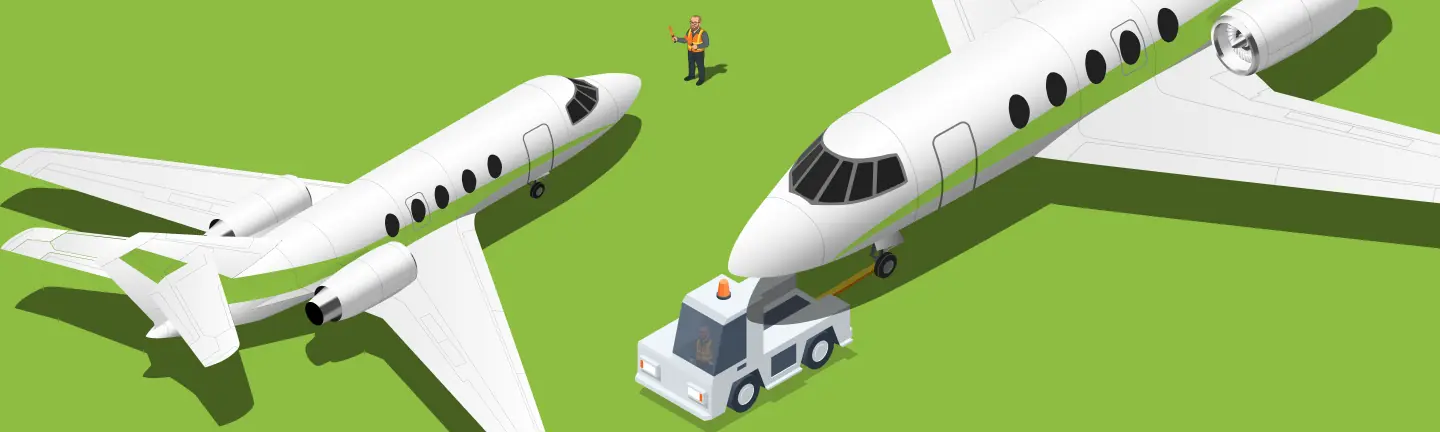
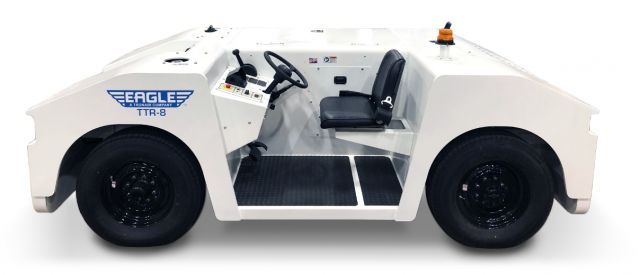
Aircraft parking gets tight during major fly-ins, and high-density ramp loading requires more tug power than usual. FBOs often need additional tow tractors capable of handling heavier business jets, large-cabin VIP aircraft, and one-off chartered airliners. Supplemental tugs also reduce bottlenecks during peak arrival waves, allowing multiple repositioning operations to occur simultaneously. Renting extra units ensures uninterrupted towing even if one tug requires service.
How Many GPUs Should an FBO Plan For?
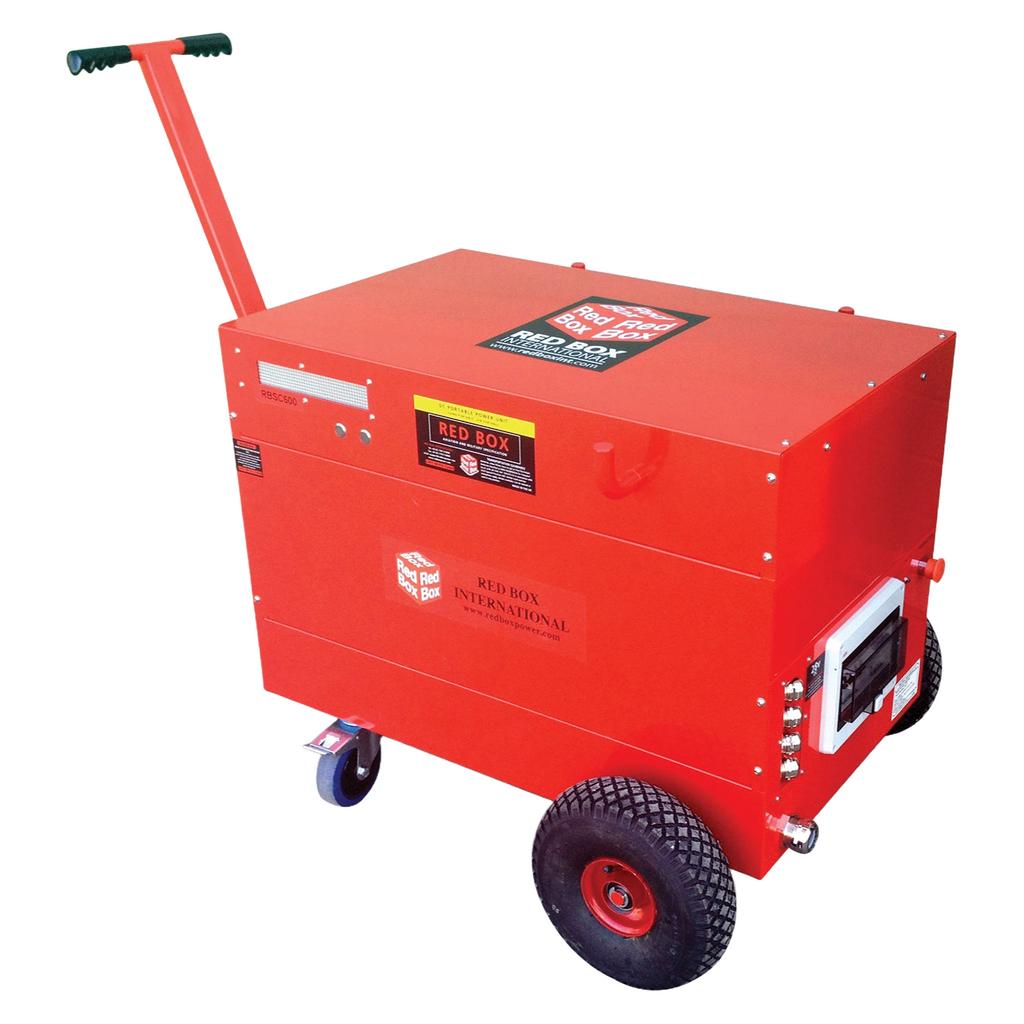
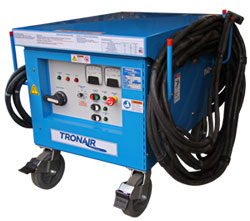
Major events demand simultaneous aircraft turns, which means additional GPU capacity – and built-in redundancy – are essential. Larger charter aircraft and VIP operations often require continuous external power, especially when APU usage is restricted due to noise limits, fuel conservation policies, or carbon-reduction initiatives. By securing additional GPUs in advance, your FBO can keep cabins powered, comfortable, and on schedule despite heavy ramp activity and compressed turnaround windows.
Do We Need Additional Lavatory and Potable Water Carts?
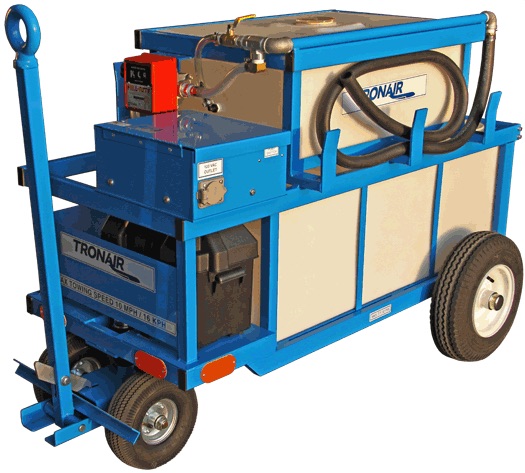
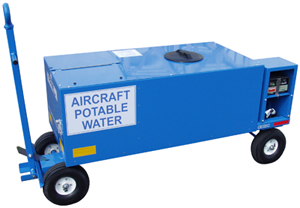
Absolutely! High aircraft volumes result in more lavatory service cycles and increased demand for potable water, particularly with frequent short-haul charters. Extra lav carts and water carts prevent long queues that can delay departures. Renting supplemental units helps your facility maintain fluid turn times and avoid service bottlenecks.
What About Baggage Carts, Belt Loaders, and Passenger Stairs?
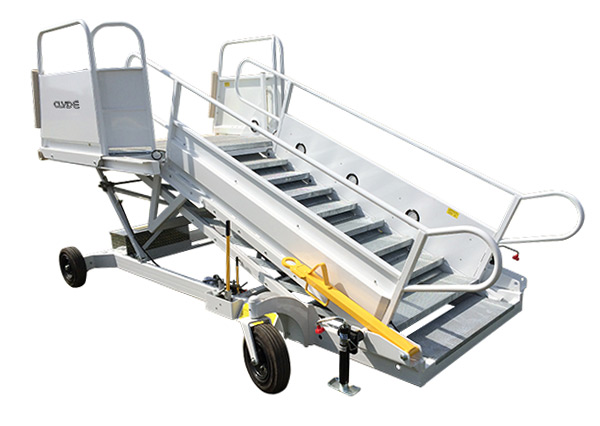
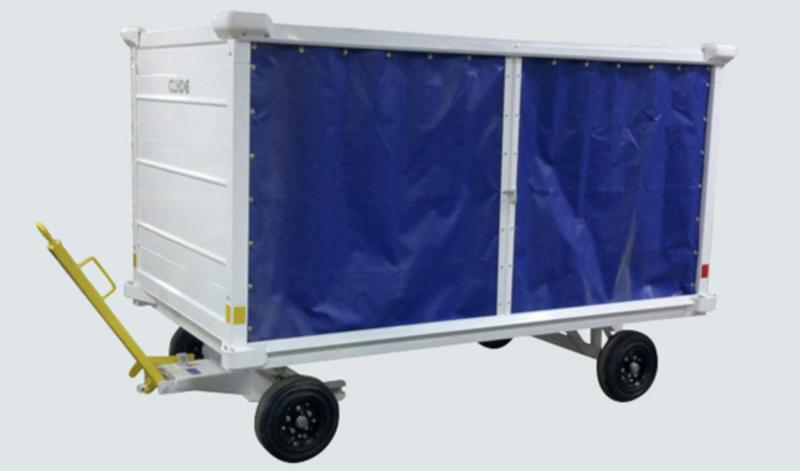
Chartered narrow-body aircraft, sports teams, and high-density shuttle flights often require belt loaders and baggage carts that smaller FBOs typically do not need. Towable or self-propelled passenger stairs are also vital when jet bridges are unavailable or when VIP debarking occurs on remote stands. These units help your team move passenger bags, crew gear, and VIP luggage quickly and safely during peak operations.
What “Comfort & Support” GSE Improves VIP and High-Volume Operations?
Big events don’t just bring more aircraft – they bring more VIP travelers, team personnel, media crews, and charter groups who expect efficient service. Comfort-focused and support-oriented GSE helps FBOs maintain a premium customer experience during intense traffic spikes.

Do We Need Temporary Aircraft Heating and Air Conditioning Units?
APU restrictions, fuel-saving policies, and passenger comfort concerns make event-time climate control especially important. Renting aircraft air conditioning units or heaters ensures cabins stay comfortable during short turns or delayed departures. These units also reduce engine run time and help maintain safety on crowded ramps.

How Can FBOs Improve Ramp Movement and Passenger Flow?
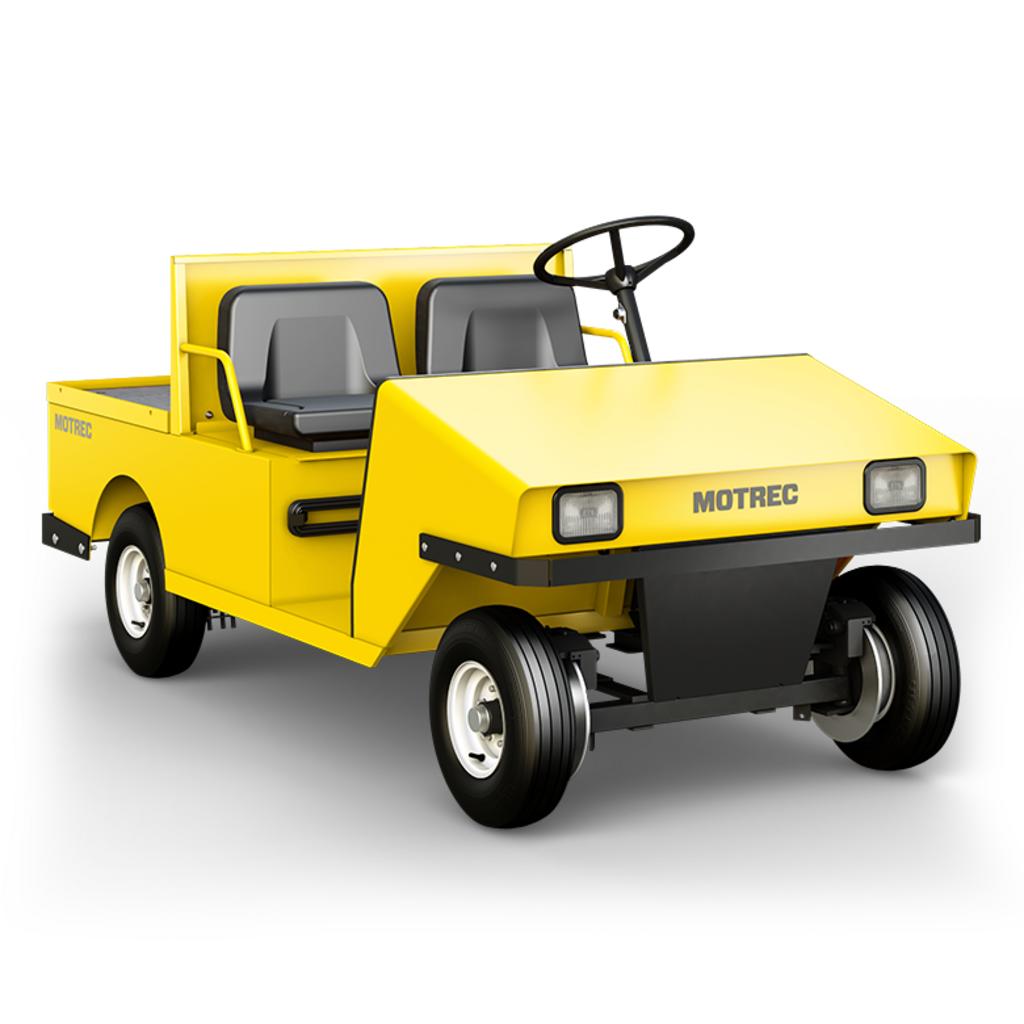
Passenger and crew transport vehicles – such as electric personnel carriers with tram trailers – are invaluable during large events. They streamline movement between FBO lounges, terminals, and remote parking positions. These support vehicles help avoid congestion and ensure VIP guests move quickly and comfortably.
Should We Rent Extra Cargo Dollies or Flatbeds?
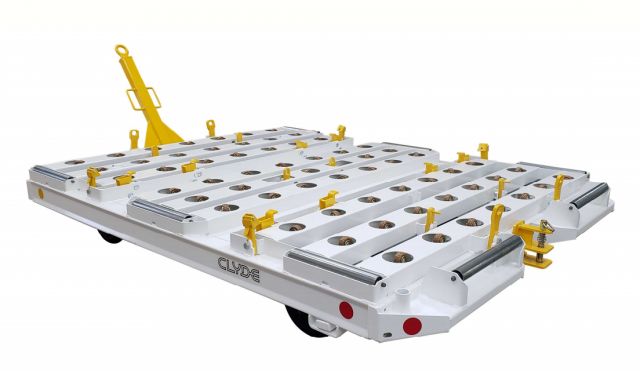
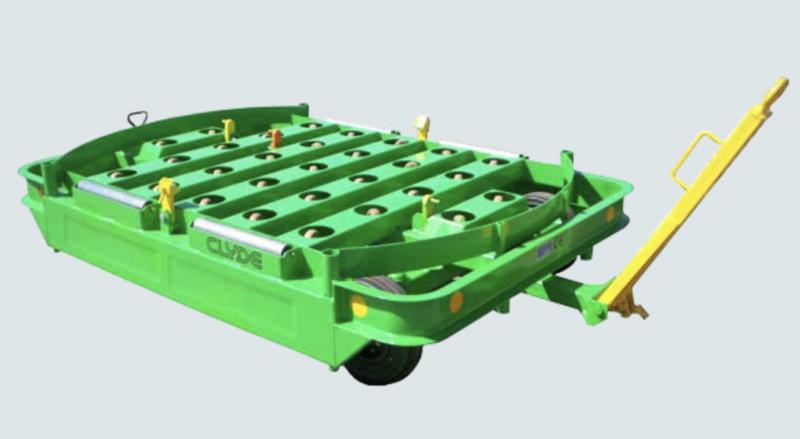
Yes, especially for events involving sports teams, performers, media crews, or hospitality vendors. Cargo dollies and container trailers support bulk luggage, oversized gear, broadcast equipment, and operational materials. Renting extras lets your team handle unexpected cargo loads without delays.
What Safety & Aircraft Protection Equipment Should FBOs Have on Hand?
When your ramp is packed wingtip to wingtip, protecting aircraft becomes even more crucial. Pre-staging additional safety and aircraft protection gear helps mitigate risk and ensures operations run smoothly.
What Protective Gear Helps Safeguard Aircraft on a Packed Ramp?
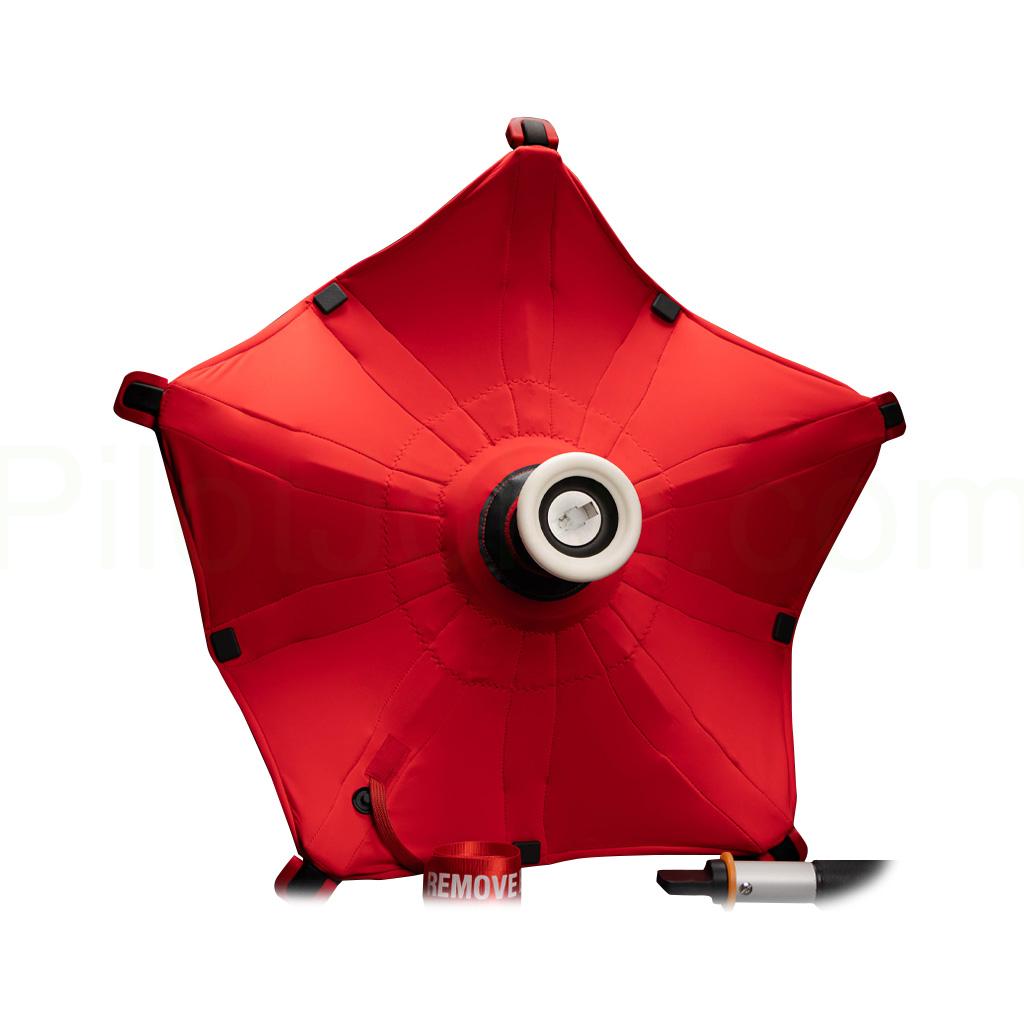
Aircraft protection items, such as pitot covers, engine intake shields, exhaust barriers, static port covers, and angle-of-attack (AOA) covers, help reduce FOD risk and safeguard sensitive aircraft surfaces. Tie-down gear and gust locks are particularly useful when aircraft are staged outdoors for long hours on windy days. Together, these protective measures help minimize the risk of damage on a crowded or weather-exposed ramp.

Do We Need Extra Wheel Chocks, Towbars, and Rare Towbar Heads?
Large events often attract aircraft your FBO doesn’t usually support – everything from rare business jets to chartered regional airliners. Having additional wheel chocks, universal towbars, and uncommon towbar heads ensures you can accommodate unfamiliar nose-gear interfaces. Renting or buying an expanded set prevents downtime and keeps parking operations fluid.

How Can We Improve Ramp Safety and Passenger Flow?
Ramp safety relies on clear visibility and the orderly movement of aircraft and passengers, especially during major events. Safety cones and passenger guidance systems – such as retractable belt barriers, delineator posts, and portable crowd-control stands – help direct foot traffic, protect restricted zones, and keep passengers safely routed around active aircraft areas. These safety tools reduce operational hazards and help maintain an orderly, professional ramp environment.
What Maintenance and AOG Support GSE Should FBOs Prepare For?
With more aircraft operating multiple short cycles, maintenance demands rise dramatically. FBOs located near major events often experience a surge in AOG (Aircraft On Ground) calls, necessitating mobile support and specialized maintenance equipment.
Which Aircraft Jacks, Maintenance Stands, and Tools Are Most Important?
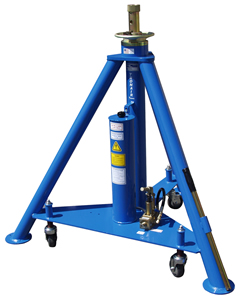
Tripod jacks, axle jacks, and adjustable work stands support quick troubleshooting and light maintenance tasks on the ramp. Portable tool sets and service carts enable technicians to address unexpected discrepancies on-site without needing to return to the hangar. Having these items available keeps aircraft moving and reduces delays.
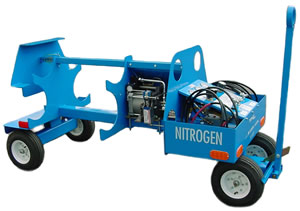
Do We Need Additional Nitrogen, Oxygen, or Hydraulic Service Carts?
Yes – short, hot turns often result in low tire pressures, soft struts, oxygen depletion, and hydraulic issues. Renting nitrogen and oxygen carts, as well as hydraulic fluid servicing equipment, prevents downtime and ensures support for a broader range of aircraft types. These systems help your team react quickly during a congested event window.
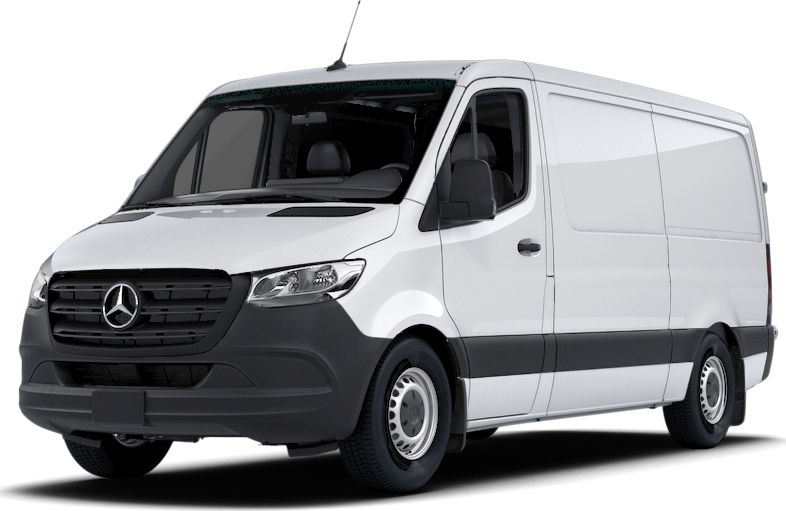
Should FBOs Prepare for On-Ramp AOG Support?
A mobile AOG van or service vehicle equipped with diagnostics tools, hydraulic fluid, and portable test equipment is extremely valuable during major events. It allows your technicians to service aircraft staged far from the main facility. A timely AOG response is essential when departure windows are tight and VIP schedules are unforgiving.
What Consumables and Cabin-Turn Supplies Should FBOs Stock Up On?
Consumables often make the difference between smooth turns and preventable delays. Stocking up ahead of major events ensures you can support rapid cabin resets and high-frequency lavatory cycles.

Which Lavatory and Potable Water Consumables See the Highest Demand?
Blue juice, deodorizer tablets, filters, hoses, and couplings all see increased usage as aircraft turn quickly between flights. Keeping these consumables in bulk ensures uninterrupted service and reduces equipment downtime.
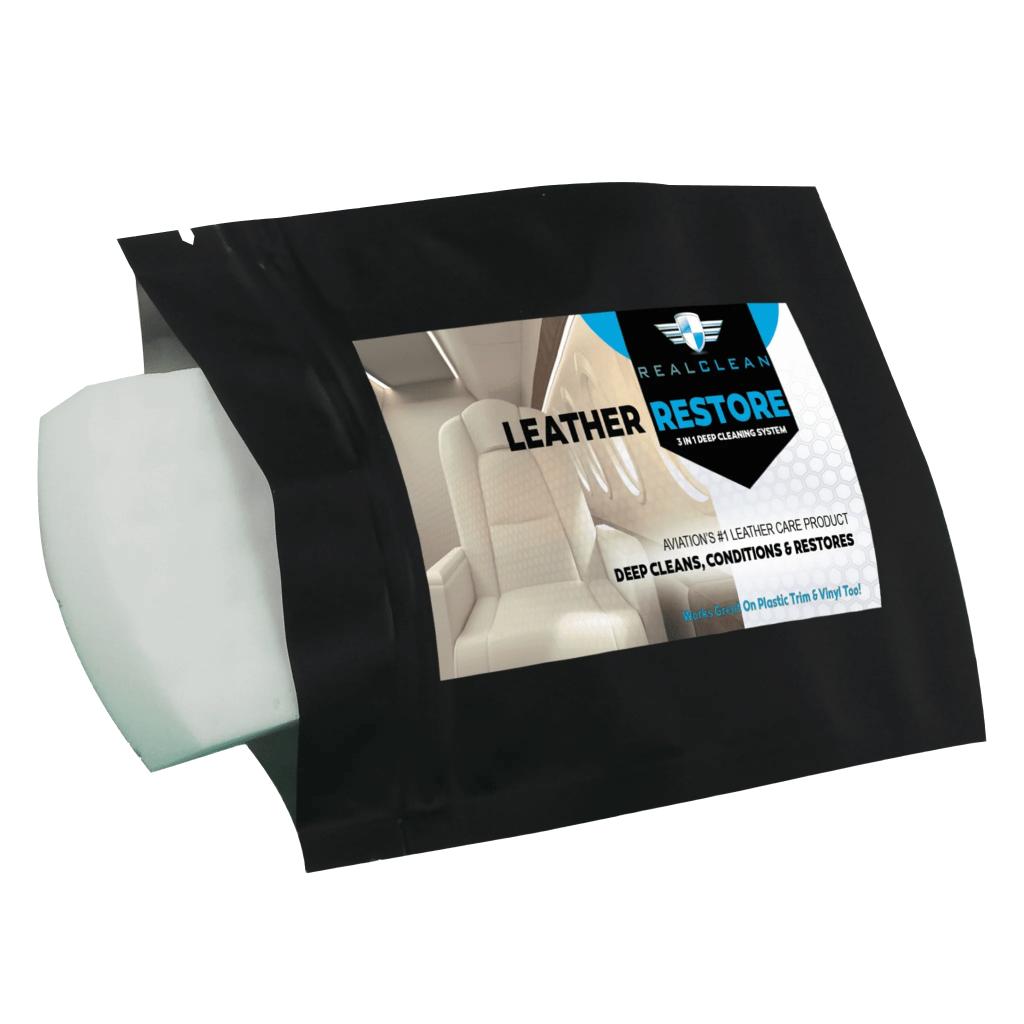
Should We Expect an Increased Need for Cleaning Supplies?
Yes – VIP flights, charter groups, and team travel all create heavy cabin-cleaning demand. Stock extra interior cleaners, glass cleaner, leather sponges, disinfectants, and other approved cabin-cleaning products to support quick resets. These supplies enable fast, efficient cabin turnarounds during periods of heavy traffic.

What Fluids and Chemicals Should FBOs Have Ready?
Engine oils, hydraulic fluids, greases, and TKS fluid are frequently required during repeated short-haul operations. For winter events – especially early Super Bowls in cold cities – deicing and anti-icing fluids become essential. Keeping these supplies on hand reduces the chance of outbound delays.
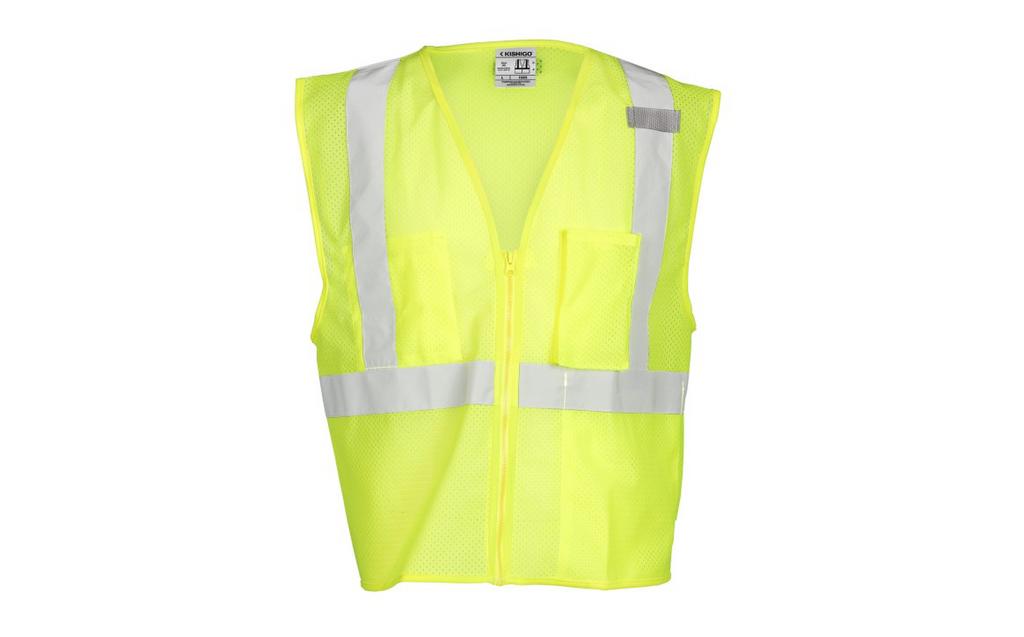
What PPE and Ground Crew Supplies Should Be Stocked?
Hearing protection, high-visibility vests, flight line goggles, safety cones, rain gear, and marshaling wands help ground crews stay safe and visible during busy event operations. These essential items facilitate clear communication, protect personnel in challenging weather conditions, and enhance overall ramp coordination during high-traffic periods.
How Do Specific Events Change GSE Rental Requirements?
Different events attract different aircraft mixes and operational patterns, so planning should reflect the realities of each event type.
What Should FBOs Expect During Super Bowl or Daytona Events?
The Super Bowl and the Daytona 500 typically generate heavy bizjet and VIP traffic, often requiring rapid turns and precise aircraft repositioning. High-capacity tugs, additional GPUs, passenger stairs, and baggage handling equipment become essential. Cabin consumables and cleaning supplies also see significantly higher demand.
What About the FIFA World Cup or International Team Movements?
The FIFA World Cup is a major event that often involves scheduled charters, larger aircraft, and high-volume transportation of crew and equipment. FBOs should expect greater airline-scale GSE needs, including belt loaders, cargo dollies, and additional maintenance support equipment. Multi-city operations create further demand for reliable, standardized GSE fleets.

What GSE Demands Come with Mardi Gras Traffic?
Mardi Gras brings a surge of short-stay charter flights and regional business aircraft, which quickly rotate through the limited ramp space. FBOs should plan for additional tugs optimized for tight maneuvering, supplemental GPUs for back-to-back arrivals, and extra cabin refresh supplies for rapid turnarounds. Passenger movement gear, including crew transport vehicles, helps manage peak-hour congestion.
How Do U.S. Formula 1 Races Impact GSE Needs?
F1 events generate complex logistics, including heavy team equipment, technical cargo, and high-profile travelers. FBOs benefit from renting cargo dollies, flatbeds, and higher-capacity tow tractors to manage both bulk freight and mixed fleet arrivals. Extended operating hours also necessitate additional lighting and ground-crew gear.
What Should FBOs Prepare for During Coachella?
Coachella drives intense bursts of VIP and charter traffic, often with rapid, same-day arrivals and departures. Cooling units and supplemental GPUs help maintain cabin comfort while aircraft sit staged in heat-exposed environments. Extra crew shuttles and ramp-flow equipment improve passenger handling across spread-out ramp layouts.

How Does the Boston Marathon Influence GSE Planning?
The Boston Marathon brings steady business aircraft traffic and high passenger density, rather than oversized aircraft. FBOs should focus on GPU redundancy, additional lavatory support equipment, and passenger guidance systems to manage continuous foot traffic between the ramp and the terminal. Compact tugs are especially useful for navigating constrained ramp spaces in the Northeast.
What GSE Is Most Important During the U.S. Open?
The U.S. Open golf tournament draws a surge of VIP and corporate aviation traffic, often with longer on-ground times and tightly coordinated arrivals. FBOs may require supplemental passenger stairs, crew and spectator transport vehicles, and additional comfort/support equipment to manage repeated pre- and post-round movements. With limited ramp space at many regional airports hosting the event, extra tugs capable of precise repositioning are especially valuable for staging aircraft efficiently and safely.
What Unique Challenges Does Burning Man Create for FBOs?
Burning Man traffic often involves dusty environmental conditions, short-field aircraft, and non-standard general aviation types. GPUs and potable water/lav support see increased demand due to longer aircraft waits on the ramp. Ramp-safe passenger and pilot transport vehicles help manage operations across remote or desert-adjacent airports.

How Should FBOs Plan for Kentucky Derby Arrivals?
The Kentucky Derby generates dense, compressed waves of bizjet arrivals within tight time windows. FBOs benefit from additional tugs for continuous repositioning and extra baggage handling support for group arrivals. Passenger guidance systems and ramp-flow equipment also help maintain orderly movement between aircraft and hospitality shuttles.

What GSE Considerations Apply to the Summer Olympics?
The Summer Olympics create one of the most diverse aircraft mixes of any event – from corporate jets to team charters and cargo support flights. FBOs should anticipate large-scale fleet rotations, which will require increased tow tractor capacity, multiple GPU deployments, and additional maintenance support equipment. Coordinating standardized equipment across multiple airport regions is essential for predictable operations.
The Bottom Line
Major events transform normal FBO operations into fast-paced, high-density environments where efficiency, safety, and reliability depend on proper preparation. Securing the right GSE rentals, stocking critical consumables, and planning for increased maintenance needs ensure your facility stays resilient and ready for peak traffic.
Pilot John International® (PJi®) is your trusted partner for renting or purchasing ground support equipment and avionics test equipment, as well as sourcing aircraft consumables, aircraft parts and tooling, and safety equipment tailored for busy event operations. Contact our aviation specialists by phone, email, or live chat for expert guidance on selecting the right equipment for your ramp, aircraft mix, and operational goals.