Why Pilots Trust Barry Mounts for Engine Vibration Control
Key Takeaways
- Aircraft engine mounts isolate and absorb engine vibration in multiple directions – preventing stress from transferring to the airframe, protecting sensitive avionics, and maintaining the aircraft's structural integrity over repeated operational cycles.
- Barry Mounts are manufactured by Hutchinson Aerospace and are application-specific – engineered to the precise load and vibration profiles of individual aircraft-engine combinations, with FAA approval for many popular general and commercial aviation platforms.
- Reducing cockpit vibration through quality mounts lowers pilot fatigue on long flights, improves passenger comfort, and extends the service life of gauges, instruments, and wiring that degrade prematurely under excessive vibration.
- Engine mounts typically last five to ten years, depending on usage and environmental exposure. Key replacement indicators include increased cockpit vibration, visible cracking or dry rot in the mount material, excessive engine movement, and oil contamination.
- PJi carries a full selection of Barry Mounts engine mounts and vibration isolators for piston and turboprop aircraft from Cessna, Piper, Beechcraft, Mooney, and others – with specialists available to confirm the correct part number for your aircraft make, model, and engine configuration.
In aviation maintenance, engine mounts are often overlooked – until vibration becomes a noticeable problem. These critical components serve as the bridge between your engine and the aircraft’s airframe, absorbing and isolating vibrations that can affect performance, safety, and structural integrity. Whether you're managing a single aircraft or an entire fleet, choosing the right engine mounts is essential to maintaining long-term reliability and smooth operation.
For decades, Barry Mounts have been a trusted solution for reducing vibration and enhancing comfort in both general and commercial aviation. Known for their performance, durability, and precision-engineered design, Barry Mounts continue to set the standard in vibration isolation. In this article, we’ll explore the role of engine mounts, the benefits of Barry Mounts, and how PJi can help you find the right solution for your aircraft.
What Role Do Engine Mounts Play in Aircraft Performance?

Aircraft engine mounts do more than simply hold the engine in place. These vital components help isolate and absorb the vibrations generated by the engine during start-up, flight, and shutdown. Without proper vibration isolation, stress from the engine can transfer into the airframe, leading to discomfort in the cabin, accelerated wear on other components, and even long-term structural damage.
A high-quality engine mount provides stability and dampens vibration in multiple directions, protecting both the aircraft and its occupants. When engine mounts begin to degrade, pilots may notice excessive noise, increased cockpit vibration, or abnormal engine movement. Replacing worn mounts promptly not only restores performance but also safeguards the airframe over time.
Why Are Barry Mounts Trusted by Aviation Professionals?
Barry Mounts have earned a strong reputation in the aviation industry for their superior engineering and proven vibration isolation capabilities. Manufactured by Hutchinson Aerospace, a global leader in anti-vibration and thermal management technologies, Barry Mounts are designed to withstand the extreme conditions and rigorous demands of aviation environments.
Unlike generic mounts, Barry Mounts are application-specific – tailored to the needs of individual aircraft and engine combinations. Each mount is constructed using aerospace-grade metals and elastomers that provide long-lasting performance under load, temperature fluctuations, and repeated stress cycles.
In addition to their durability, Barry Mounts are FAA-approved for many popular aircraft platforms, making them a preferred choice among MROs, fleet managers, and aircraft owners alike.
How Do Barry Mounts Improve Flight Comfort and Reduce Fatigue?
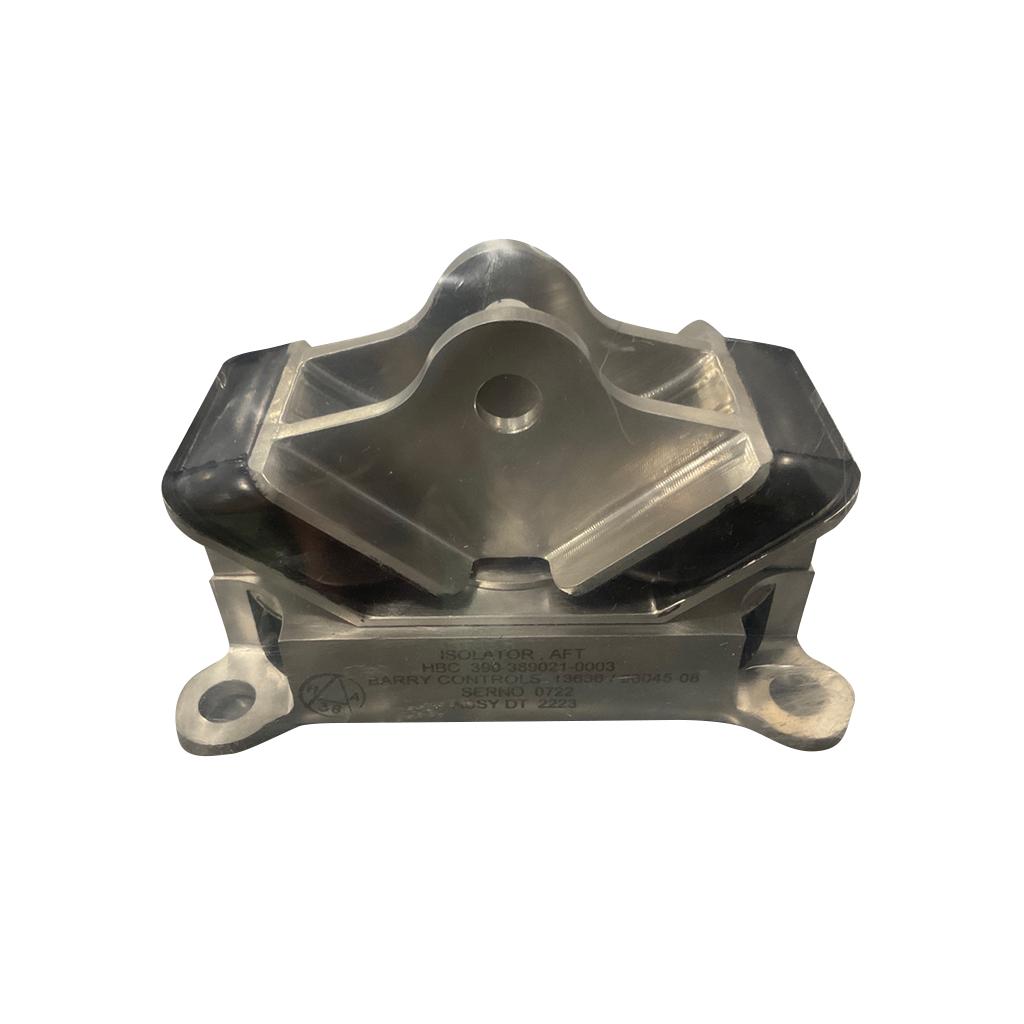
One of the most noticeable benefits of Barry Mounts is their ability to dramatically reduce engine vibration in the cockpit. By isolating vibrations at the source, Barry Mounts help create a quieter, smoother cabin environment. This not only improves passenger comfort but also helps reduce pilot fatigue during long flights.
Reduced vibration also means less wear and tear on sensitive avionics and onboard systems. Excessive engine vibration can lead to premature failure of gauges, instruments, and wiring, especially in older aircraft. Installing high-quality vibration isolators like Barry Mounts helps protect these systems and extend their service life.
What Types of Aircraft Are Compatible with Barry Mounts?
Barry Mounts are widely used in a range of piston-engine and turboprop aircraft, including popular models from Cessna, Piper, Beechcraft, Mooney, and others. Because they’re engineered to meet the specific load and vibration profiles of each airframe-engine combination, it’s essential to match the correct Barry Mount part number to your aircraft’s make, model, and engine configuration.
Whether you're maintaining a vintage single-engine aircraft or managing a high-performance twin, there's likely a Barry Mount designed for your platform. PJi’s aviation specialists can help you identify the right part based on your aircraft’s specifications, usage patterns, and maintenance history.
When Should Aircraft Engine Mounts Be Replaced?

Like other rubber-based components, engine mounts degrade over time due to exposure to heat, oil, and vibration. Depending on usage, environmental conditions, and maintenance practices, the typical lifespan of an aircraft engine mount can range from five to ten years.
Signs that it may be time to replace your engine mounts include:
- Increased engine vibration or cabin noise
- Cracks, dry rot, or deformation in the mount material
- Excessive engine movement during start-up or shutdown
- Oil saturation or contamination
Routine inspections – especially during annuals and engine overhauls – can help identify early signs of mount deterioration. Replacing mounts before failure prevents costly repairs and helps maintain airworthiness and safety.
What Sets Barry Mounts Apart from Other Engine Mounts?
While there are other engine mount options on the market, Barry Mounts stand out for their consistency, quality control, and rigorous testing standards. Each mount undergoes performance and fatigue testing to ensure it meets or exceeds OEM specifications.
Barry Mounts are designed to absorb multi-directional loads – not just vertical vibrations – giving them superior isolation across the entire operational range. Their proprietary elastomer formulations provide long-term resilience and resist common aviation contaminants like oil and fuel.
Because Barry Mounts are manufactured by an established aerospace supplier, customers can count on traceability, FAA compliance, and ongoing product support. That level of confidence matters – especially when vibration control directly impacts aircraft performance, passenger comfort, and long-term structural integrity.
The Bottom Line

Engine mounts may not be the most visible components on your aircraft, but they play a vital role in ensuring a smooth, safe, and efficient flying experience. Barry Mounts by Hutchinson Aerospace offer the proven vibration isolation and durability aviation professionals trust – from piston-powered trainers to high-performance twins.
Pilot John International® (PJi®) proudly carries a full selection of Barry Mounts engine mounts and vibration isolators to suit a wide range of aircraft models. Our knowledgeable aviation specialists are ready to help you identify the right mount, ensure FAA compliance, and get your parts delivered quickly – minimizing downtime and keeping your operation running smoothly.
For personalized support and product recommendations, contact PJi today by phone, email, or live chat. We’re here to help you maintain performance, safety, and comfort – from the engine to the airframe.