



Why Self-Lubricating Polymer Is a Game-Changer for Aircraft
Key Takeaways
- Self-lubricating polymer components eliminate the need for routine lubrication – reducing maintenance time and minimizing the risk of human error.
- These advanced materials offer greater durability and wear resistance than traditional metal parts – helping extend component life and reduce replacement frequency.
- Reduced friction and improved shock absorption enhance system performance – especially in high-stress areas like landing gear and control surfaces.
- Lightweight polymer components improve aircraft efficiency, supporting better fuel economy and overall performance.
- Self-lubricating polymers resist corrosion, chemicals, and extreme temperatures – ensuring reliable operation across a wide range of operating conditions.
In aviation, performance, safety, and reliability are essential to the success of aircraft operations. To meet these rigorous demands, manufacturers have turned to advanced materials that not only improve performance but also reduce maintenance costs. One such breakthrough is the use of self-lubricating polymer components – developed by Marsh Brothers Aviation – which are revolutionizing how aircraft parts are designed and maintained. These polymers offer numerous advantages over traditional metal components, especially in high-stress areas like landing gear, brake systems, and control surfaces.
In this article, we’ll explore the benefits of self-lubricating polymers, their operational mechanism, and how they are changing aircraft maintenance. From eliminating the need for regular lubrication to extending the lifespan of parts, these materials offer a range of benefits that enhance both the performance and longevity of aircraft systems.
What Are the Advantages of Using Self-Lubricating Polymer Components in Aircraft?
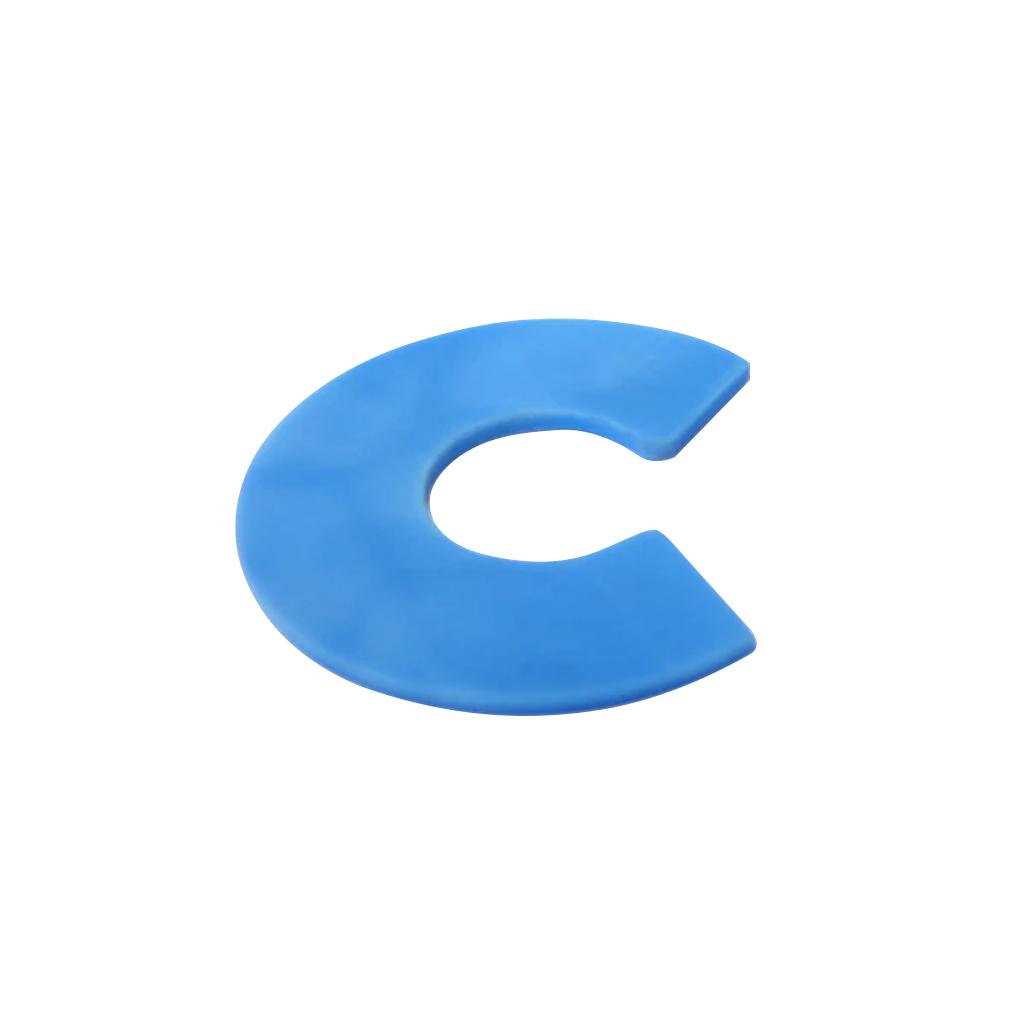
Self-lubricating polymer components bring multiple advantages over traditional metal parts. These materials not only enhance the reliability and efficiency of aircraft systems but also reduce overall operational costs. Here are some key advantages that make self-lubricating polymers a game-changer for aviation:
Reduced Need for Regular Lubrication
A significant benefit of self-lubricating polymer components is the elimination of the need for frequent lubrication. Traditional metal parts require ongoing lubrication to avoid wear and maintain smooth operation. With self-lubricating polymers, lubrication is integrated into the material, simplifying maintenance and eliminating manual lubrication errors. This reduces labor costs and ensures components operate without additional maintenance steps.
Enhanced Durability and Longer Lifespan
Self-lubricating polymers are much more durable than metal parts, often lasting up to three times longer. This durability reduces the frequency of part replacements, leading to substantial savings over time. Fewer replacements also mean less aircraft downtime, improving the overall cost-effectiveness of maintenance and enhancing the aircraft's long-term value.
Reduced Friction and Improved Efficiency
These polymers reduce metal-to-metal contact, a common cause of friction and wear in traditional components. By eliminating friction, polymer parts ensure smoother operations and improved efficiency across various aircraft systems. This friction reduction not only enhances performance but also helps prevent overheating and further wear, allowing systems to operate at optimal efficiency and extending the life of interconnected components.
Lower Maintenance Costs
Because self-lubricating polymer components require no additional lubrication and are more durable than metal parts, they help lower long-term maintenance costs. Traditional metal components often require frequent inspections, lubrication, and replacements, which can add up over time. With self-lubricating polymers, the need for such ongoing maintenance tasks is greatly reduced, resulting in less time spent on repairs and fewer resources needed for upkeep.
Prevention of Corrosion and Wear
Self-lubricating polymers are naturally resistant to corrosion, a common issue for metal parts exposed to moisture, salt, and other environmental factors. Replacing metal parts with polymers eliminates the risk of galvanic corrosion, often seen when metals interact in the presence of electrolytes. The durability and chemical resistance of these polymers ensure that components perform well for longer, unaffected by environmental elements.
Smoother and More Consistent Operation
The self-lubricating properties of these polymers ensure smoother, more consistent operation than those of their metal counterparts. By eliminating lubrication inconsistencies and reducing friction, aircraft systems experience fewer interruptions, leading to a more reliable flying experience. This smoother operation ensures the safety and predictability of critical systems such as landing gear and control surfaces.
Lightweight Solution
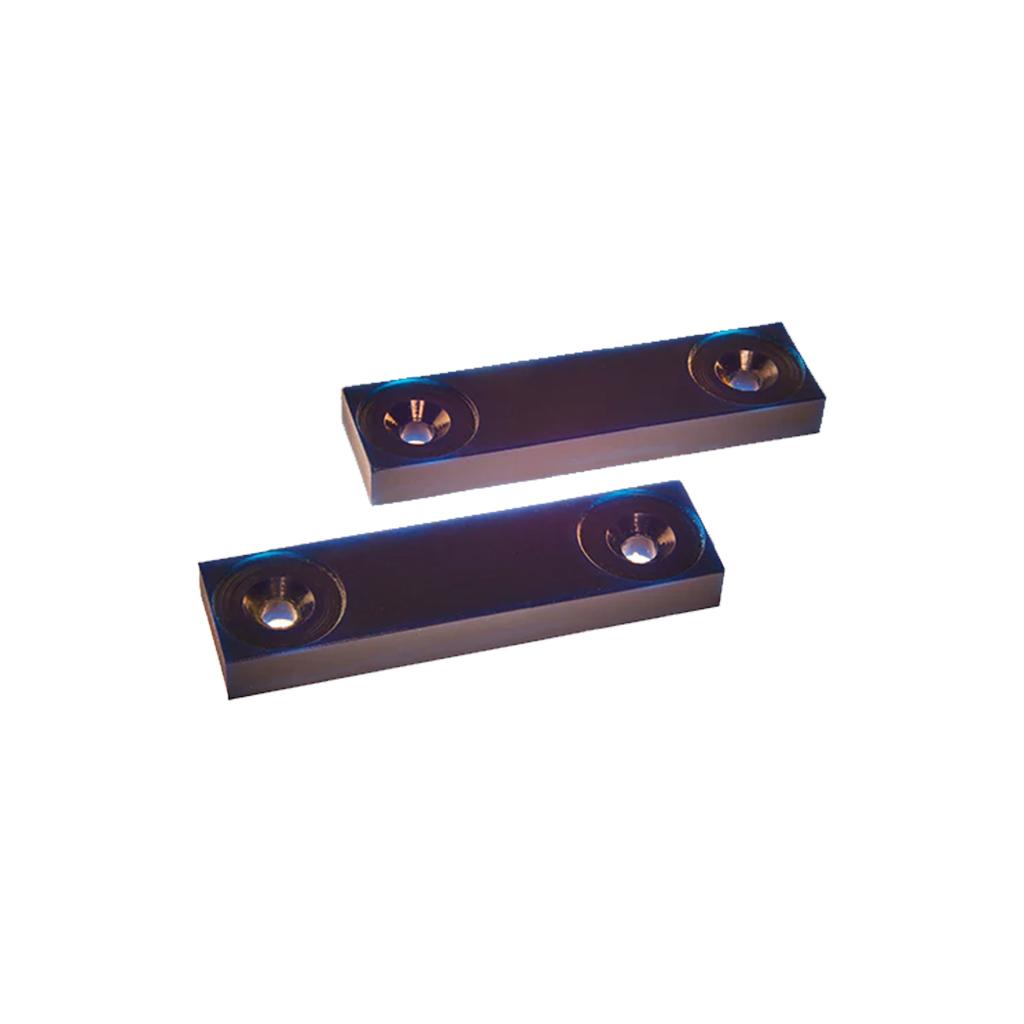
Self-lubricating polymers are significantly lighter than their metal counterparts, reducing the overall weight of aircraft systems. This lighter weight improves fuel efficiency and contributes to better performance, including enhanced acceleration, speed, and handling. The reduction in weight makes these polymers an excellent choice for improving the overall efficiency of aircraft systems.
Increased Environmental Benefits
By eliminating the need for external lubrication, self-lubricating polymers reduce the environmental impact associated with traditional methods. Reducing oil and grease use means fewer hazardous materials to dispose of, leading to more eco-friendly operations. Additionally, these polymers resist contamination from dirt and grime, helping to maintain a cleaner environment on the aircraft.
Improved Performance in Extreme Conditions
Self-lubricating polymers, such as those used in Marsh Brothers Aviation components, are designed to perform effectively over a wide temperature range. These materials maintain their function in environments as cold as -40°F and as hot as 158°F, making them ideal for aviation, where conditions can vary greatly. Their ability to perform reliably under extreme conditions ensures consistent operation, regardless of the weather.
Better Vibration and Shock Absorption
Self-lubricating polymers excel at absorbing vibrations and shocks, a crucial feature for aircraft systems that endure high stress during flight. These materials help reduce wear and minimize the risk of failure due to repeated vibrations, making them particularly suitable for components such as landing gear and control surfaces. This shock-absorbing quality enhances the longevity of these systems and provides a smoother ride for both passengers and crew.
How Do Marsh Brothers Aviation’s Specialized Polymer Components Self-Lubricate?
Marsh Brothers Aviation’s polymer components, such as those made from AeroTough GF and AeroLas-Flex materials, are specifically designed to self-lubricate due to their advanced molecular structure. These polymers are formulated with built-in lubricants that are gradually released during operation, creating a thin film on the surfaces of moving parts. This self-lubricating action reduces friction and wear, ensuring smooth performance throughout the component's lifespan.
With a low coefficient of friction, these polymers operate seamlessly without the need for external grease or oil, providing a reliable, maintenance-free solution. By eliminating the need for regular lubrication, Marsh Brothers' self-lubricating polymers reduce the risk of contamination and errors during maintenance while also boosting the overall performance and longevity of the aircraft systems they are used in.
How Does AeroTough GF Help Streamline Aircraft Maintenance?

AeroTough GF, a self-lubricating polymer developed by Marsh Brothers Aviation, is designed to replace metal components in aircraft systems, reducing the need for external lubrication. With built-in lubrication, AeroTough GF ensures smooth, consistent performance and reduces the need for greasing, thereby eliminating the risk of human error during lubrication processes. This makes maintenance tasks simpler and more efficient.
The material’s wear resistance and low friction make it particularly well-suited for high-stress applications such as landing gear systems, control surfaces, and bearings. Its excellent chemical and corrosion resistance also reduces maintenance issues, making it an ideal solution for minimizing downtime and keeping aircraft systems running optimally.
AeroTough GF’s ability to operate across a wide temperature range – from -40°F to 158°F (-40°C to 70°C) – ensures reliability under extreme cold and high heat. Its durability also extends to various aviation fluids, offering enhanced protection for components exposed to oil and other harsh chemicals. Additionally, the lightweight nature of AeroTough GF reduces overall aircraft weight, improving fuel efficiency and performance.
What Are the Benefits of Using Thorseal Over Traditional Rubber for Aircraft Sealing Applications?
Thorseal, made from Marsh Brothers Aviation’s proprietary AeroLas-Flex material, significantly improves sealing applications compared to traditional rubber seals. Thorseal is especially effective in extreme temperatures, maintaining its flexibility and sealing performance in both cold and hot environments. Traditional rubber seals often fail under these conditions, compromising the integrity of aircraft systems.
Thorseal also provides superior resistance to wear, tear, and chemical exposure. While rubber seals degrade when exposed to oils, solvents, and ozone, Thorseal’s chemical resistance ensures longer-lasting seals, reducing the need for replacements and lowering maintenance costs. The durability and toughness of AeroLas-Flex also contribute to fewer system failures and improved overall performance.
In addition to its excellent sealing properties, Thorseal absorbs vibrations and shock, reducing the strain on surrounding components and improving their longevity. This makes it ideal for high-performance applications like red oil systems, where traditional O-rings are prone to failure. Thorseal's versatility extends beyond sealing, enabling it to replace rubber in piston rod wipers and bumper applications, providing a more durable, efficient solution for various aircraft systems.
What Are Some Common Applications for Marsh Brothers Aviation’s Self-Lubricating Polymers?

Marsh Brothers Aviation’s self-lubricating polymers are used in various aircraft systems, including bushings, bearings, rollers, bumpers, and more. These polymers are commonly used for landing gear parts, replacing metal bushings to reduce wear and eliminate the need for regular lubrication. Other typical applications include control surfaces, actuation systems, and cargo handling equipment.
Additionally, self-lubricating polymers are used in cockpit and cabin components, including knobs, seat roller repair bushings, and control systems. Their versatility makes them a crucial part of both high-performance and routine aircraft systems.
Are Marsh Brothers Aviation Replacement Parts Certified for Use on Aircraft?
All Marsh Brothers Aviation replacement parts, including self-lubricating polymer components, are FAA-approved. These parts meet the stringent safety and regulatory standards required for aviation components. Each part is shipped with a Transport Canada Authorized Release Certificate ("Form One"), which the FAA recognizes as equivalent to FAA Form 8130-3, ensuring that the parts are safe for use on U.S.-registered and international aircraft.
What Aircraft Types Are Marsh Brothers Aviation’s Products Designed For?
Marsh Brothers Aviation’s self-lubricating polymer components are specifically designed for general aviation aircraft, including popular models from Piper, Beechcraft, Mooney, Cirrus, and Cessna. The company’s parts are commonly used in aircraft such as the Beechcraft Baron, Bonanza, and King Air, as well as the Piper Aerostar. While many of these parts are designed for general aviation, Marsh Brothers’ polymers are versatile and applicable across a wide range of aviation applications.
The Bottom Line
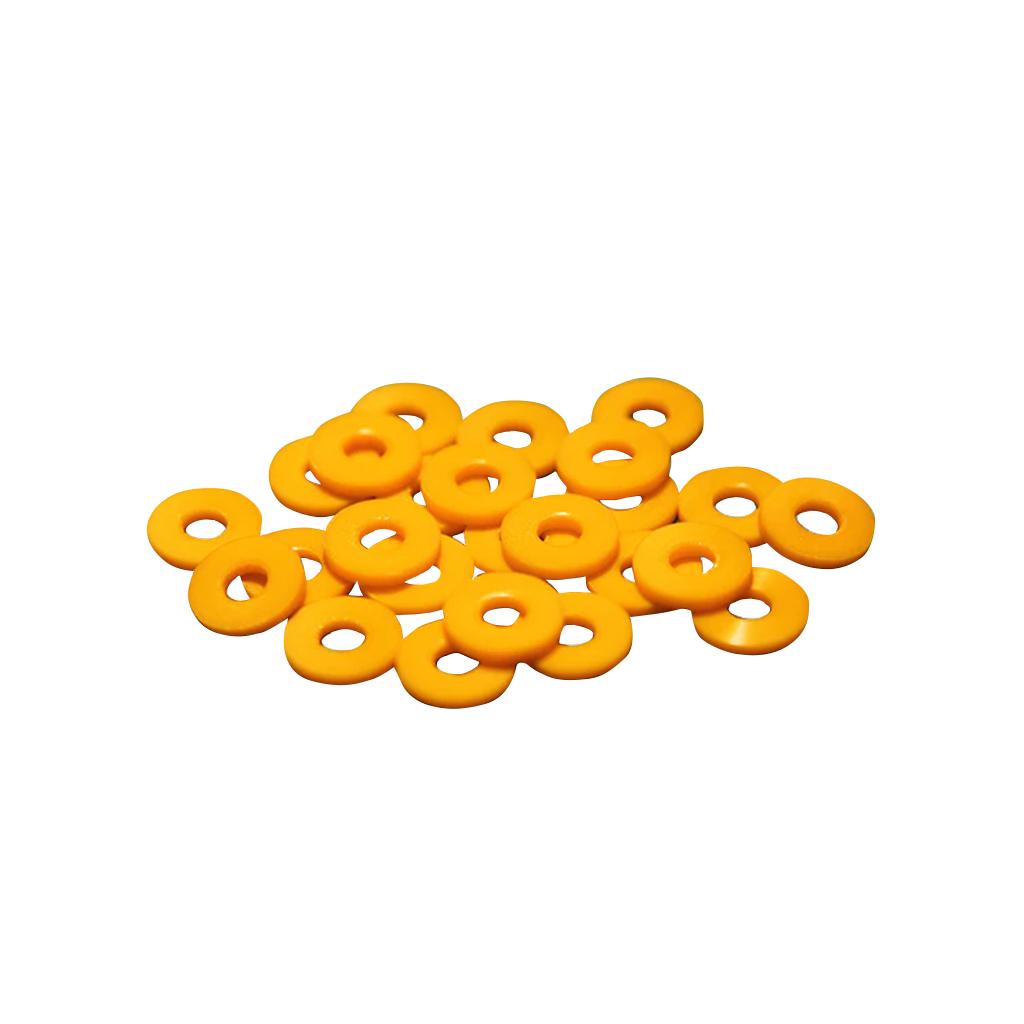
Self-lubricating polymer components represent a significant advancement in aircraft part technology, offering multiple benefits over traditional metal parts. These polymers reduce maintenance needs, extend component lifespans, and enhance system performance, making them a valuable investment for any aircraft owner. Whether you’re upgrading your landing gear, control systems, or cabin components, switching to self-lubricating polymers is a game-changer that will improve the performance and cost-effectiveness of your aircraft.
Pilot John International® (PJi®) is your trusted provider for Marsh Brothers Aviation’s complete line of self-lubricating polymer aircraft components, including landing gear parts, replacement knobs, fuel cap washers, brake master cylinder seal kits, and more! Our knowledgeable aviation specialists are here to help you find the right replacement parts for your aircraft. Contact us today by phone, email, or chat, and let us help you take your aircraft’s performance to the next level!