Best Practices for Storing Ground Support Equipment
Key Takeaways
- Improper GSE storage leads to far more than cosmetic damage – corrosion, dry rot, electrical failures, and pest damage can result in costly repairs, extended downtime, and serious safety risks.
- Hydraulic jacks are especially vulnerable to storage damage, as rainwater trapped in the ram can cause internal corrosion and pitting that renders the cylinder unrepairable – a problem easily prevented with a simple jack cover.
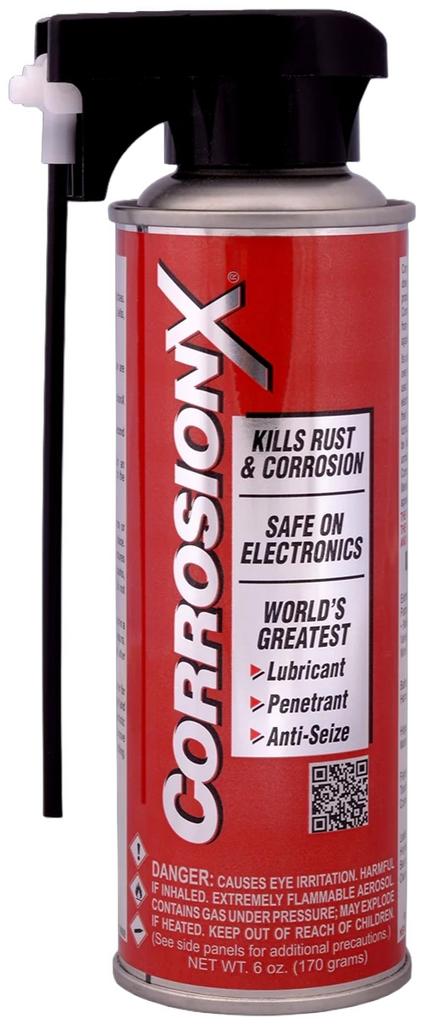
- Anti-corrosion sprays like ACF-50 and CorrosionX protect electrical connections, circuit boards, and exposed metal by creating a moisture-resistant barrier that holds up even in harsh outdoor storage conditions.
- Battery chemistry determines the right storage approach – lead-acid batteries should be stored fully charged and topped off monthly, while lithium-ion batteries fare best at 50% to 70% charge during extended inactivity.
- Rodents, UV exposure, and uncovered hoses and cables are among the most common – and most preventable – causes of GSE damage during storage.
- Pilot John International offers a full range of ground support equipment, along with protective covers and corrosion-control products, to help operators store their GSE properly and protect their investment.
Proper storage of aircraft ground support equipment (GSE) is one of the most overlooked factors in fleet management – yet it has a direct impact on operational efficiency, maintenance costs, and equipment longevity. Whether you're working on a busy ramp, managing a tightly packed hangar, or overseeing a large support vehicle fleet, how and where you store your equipment matters.
Rusted jack rams, faded gauges, dry-rotted tires, and rodent-damaged wiring are all telltale signs of poor storage practices. These issues go beyond cosmetic damage – they lead to costly repairs, extended downtime, and avoidable safety risks. In this article, we'll cover the best practices for protecting your GSE investment from environmental hazards and preventable damage, whether your equipment is stored indoors or outside on the ramp.
What Are Common Signs of Poor GSE Storage?
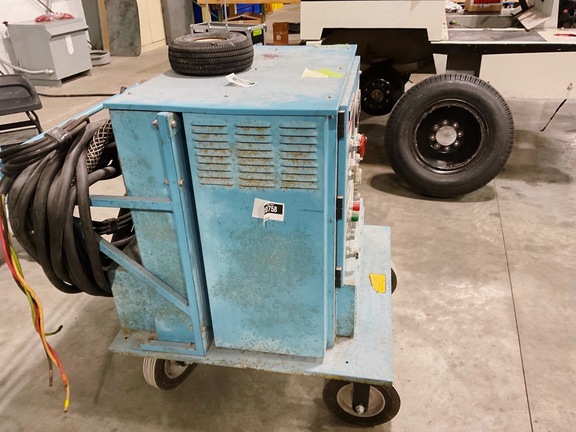
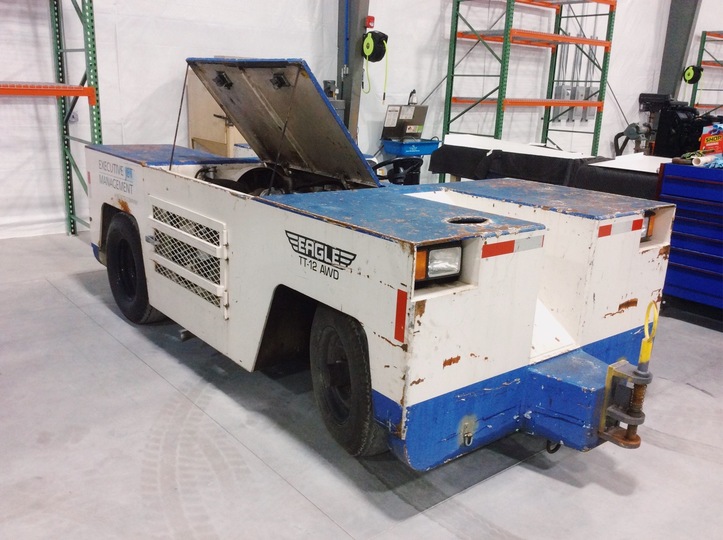
Experienced technicians can often spot improper storage at a glance. The most obvious indicator is rust or corrosion on metallic surfaces – particularly around hydraulic components, jack rams, and connectors – caused by water ingress when equipment is left uncovered in rainy or humid conditions.
Other red flags include dry-rotted tires, cracked rubber seals, faded decals or digital displays, and stiff or malfunctioning moving parts. Cables may show signs of abrasion or crushing, and exposed electrical connections can exhibit oxidation and corrosion. These issues typically point to equipment that's been left exposed on the ramp for extended periods or stored without adequate protection or preventative maintenance.
What Are the Best Practices for Outdoor GSE Storage?
Indoor, climate-controlled storage is always ideal – but it isn't always available. When outdoor storage is the only option, the goal is to minimize environmental exposure using straightforward, cost-effective methods.
Custom-fit protective covers are one of the best defenses against UV rays, rain, and dust. At a minimum, equipment should be stored under a roof or shaded structure to reduce water damage and slow paint and rubber degradation. Orienting equipment to limit sun and wind exposure – such as positioning electrical panels away from prevailing winds – can also help reduce wear over time.
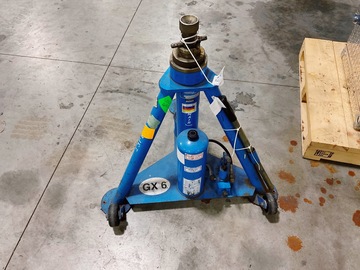
Why Are Hydraulic Jacks So Susceptible to Storage Damage?
Hydraulic jacks are among the most vulnerable pieces of GSE when improperly stored. When left outdoors without protection, rainwater can seep into the top of the ram and become trapped by the same seal that retains hydraulic fluid. That water then sits against raw, uncoated steel, causing internal corrosion and pitting that often render the cylinder unrepairable.
The solution is straightforward: use jack covers from manufacturers like Tronair or Malabar, or at minimum wrap the ram with shrink wrap or weather-resistant material. These covers take only seconds to install and can dramatically extend the service life of your jacks.
How Does Sunlight Damage Rubber and Paint Components?
Prolonged UV exposure is one of the most damaging conditions GSE can face during outdoor storage. Rubber tires, hoses, and door seals are especially prone to dry rot, cracking, and loss of flexibility – all of which can lead to leaks, blowouts, or seal failures.
Painted surfaces, decals, and digital readouts are similarly affected, fading with continued sun exposure in ways that reduce both usability and resale value. To minimize UV damage, apply protective tire treatments, keep hoses and seals shielded, and store equipment in shaded or partially enclosed areas whenever possible.
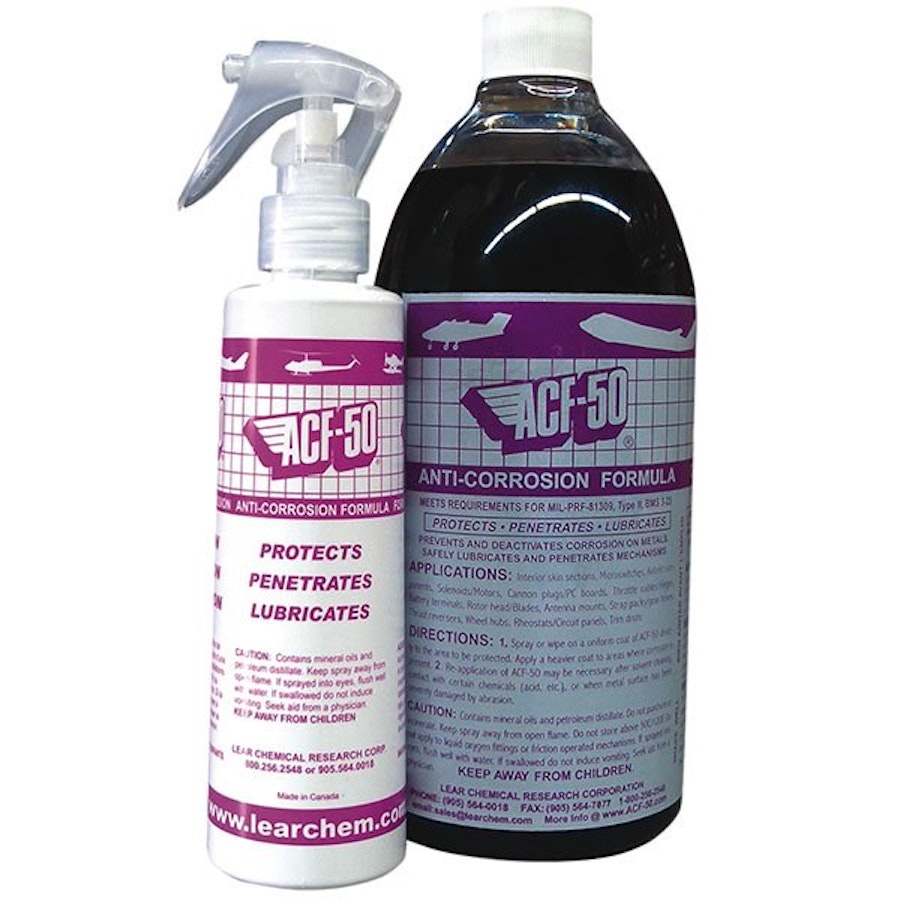
How Can You Protect Electrical Systems from Moisture and Corrosion?
Humidity, rain, and condensation are persistent threats to the electrical systems on ground power units (GPUs), engine-driven carts, and other equipment with circuit boards or connectors. Even equipment stored under a carport or lean-to can develop oxidized terminals, rusted connections, and moisture-related short circuits over time.
Anti-corrosion sprays like ACF-50 and CorrosionX are proven solutions for protecting these sensitive components. Both products create a thin, oil-based film that penetrates crevices and shields circuit boards, electrical connections, and exposed metal from corrosion. ACF-50 is particularly effective when applied as a fine mist across control boxes and panels.
What Should You Know About Storing Battery-Powered Equipment?
When it comes to proper storage practices for electric tugs and other battery-powered ground support equipment, battery chemistry matters.
- Lead-acid batteries should be stored fully charged and topped off approximately every 30 days to prevent sulfation and maintain readiness.
- Lithium-ion batteries are best stored at 50% to 70% charge to reduce strain on their battery management systems. Storing them at full charge for extended periods can shorten lifespan or trigger balancing faults.
Always follow the manufacturer's battery storage guidelines, and disconnect or isolate the battery system during extended inactivity to prevent parasitic drain.
How Can You Prevent Rodent and Insect Damage?
Idle GSE is an open invitation for rodents, birds, and insects. Mice and rats in particular can chew through wiring insulation, hoses, and tubing – causing extensive hidden damage that may not surface until the equipment is returned to service.
To keep pests out:
- Store equipment off the ground when possible.
- Seal all entry points and securely close compartments.
- Use ultrasonic pest repellents, which deter rodents without being perceptible to people.
- Avoid storing equipment near food waste or vegetation that attracts pests.
What’s the Best Way to Handle Hoses and Power Cables During Storage?
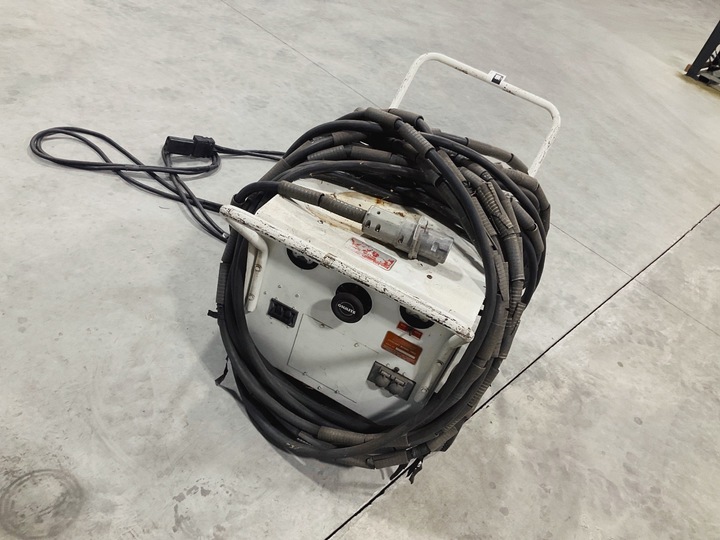
Hoses and cables are among the most frequently damaged components in poor storage situations. They're crushed by vehicles, dragged across ramps, or left to degrade in direct sunlight – and when wrapped carelessly, cable ends can drag on the ground and wear out prematurely.
For best results:
- Disconnect and remove hoses or cables when storing equipment for extended periods.
- When removal isn't possible, wrap cables securely and elevate them to prevent crushing or abrasion.
- Drain hydraulic hoses by cracking the unit's fittings to let air in and break any vacuum that traps residual fluid inside.
How Do You Properly Drain and Store Hydraulic Power Units?
Simply powering down a hydraulic power unit (HPU) isn't sufficient for long-term storage. Fluid left in the reservoir and hoses can attract moisture, leading to contamination, fluid separation, and internal corrosion.
To store an HPU correctly:
- Drain the reservoir completely.
- Allow hoses to gravity-drain residual fluid back into the tank.
- Crack open output fittings to release vacuum pressure and clear trapped fluid.
- Remove breathers or filters and seal the openings with tape or caps to keep out moisture and debris.
What Role Do Protective Coatings Play in Corrosion Prevention?
Anti-corrosion coatings are a frontline defense for GSE exposed to the elements. ACF-50 and CorrosionX both offer long-lasting protection by clinging to surfaces and penetrating into crevices where moisture and contaminants accumulate.
Apply these products:
- To bare metal, areas with chipped paint, or exposed electronics
- Using spray bottles or pump sprayers for even, controlled coverage
- In well-ventilated areas to minimize overspray
Avoid indiscriminate large-scale application unless operating in a controlled environment, as runoff may require hazmat precautions.
How Should You Organize and Secure Stored GSE?
Effective storage isn't just about protecting equipment from the elements – it's also about organization, accessibility, and safety. Designated parking zones reduce clutter, improve operational flow, and help prevent accidental contact with parked aircraft or moving vehicles.
Best practices include:
- Assigning marked zones for specific GSE types
- Securing equipment with chocks, brake locks, or chains
- Maintaining clear lanes for aircraft movement and technician access
- Coordinating with ground crews to ensure the storage layout supports day-to-day workflow
This level of planning reduces the risk of preventable incidents – bumps, dings, and equipment damage caused by improperly positioned gear.
What Documentation and Inspection Practices Should Be in Place?
Strong storage practices include routine inspections and accurate recordkeeping. Tracking equipment condition over time helps catch minor issues before they escalate – and supports proactive maintenance scheduling.
Key recommendations:
- Establish a consistent schedule for storage inspections and equipment rotation
- Maintain digital logs of location, status, and inspection dates
- Incorporate storage condition checks into standard maintenance routines
This ongoing discipline supports compliance, safety, and long-term fleet readiness.
The Bottom Line
Smart storage practices are one of the most cost-effective ways to extend equipment life and reduce downtime across your GSE fleet.
Pilot John International® (PJi®) offers a wide selection of high-performance ground support equipment, along with protective covers and trusted corrosion control products to help you store it properly. Contact our knowledgeable aviation specialists by phone, email, or live chat today for expert guidance on the right storage solutions for your operation.