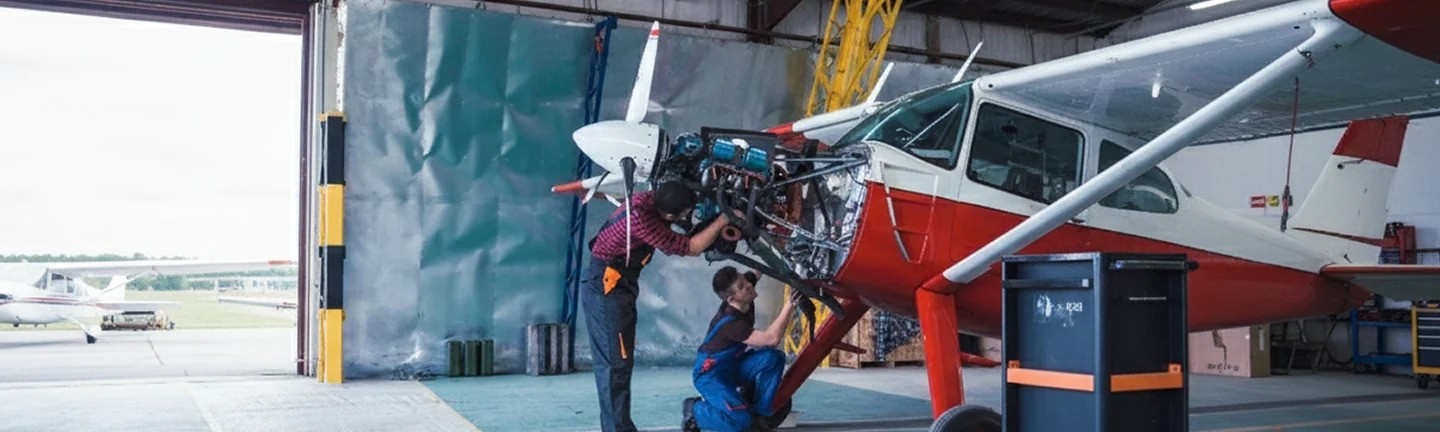





Best Practices for Using and Handling Aircraft Fluid Servicing Equipment
Key Takeaways
- Aircraft hydraulic systems control critical functions – including braking, steering, landing gear, and flight control surfaces – making proper fluid servicing essential to both safety and airworthiness.
- Even minor contamination from dirt, water, or microbes can degrade seals, clog valves, and cause system-wide malfunctions, which is why clean, filtered fluid delivery is a non-negotiable part of hydraulic maintenance.
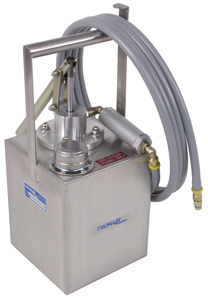
- Hydraulic fluid service units – available in handheld, cart-based, and towable configurations – are purpose-built to top off reservoirs, bleed air from lines, flush systems, and deliver contaminant-free fluid at controlled pressure levels.
- Hydraulic component pressure test units serve a different function than fluid service units – they're diagnostic tools used to verify the pressure integrity and performance of individual components before reinstallation.
- Safe fluid handling requires proper PPE, sealed and labeled storage containers, dedicated servicing equipment, and regular filter and hose replacement to prevent cross-contamination throughout the process.
- Pilot John International carries a full range of hydraulic fluid service carts, handheld units, and component pressure test units from Tronair and Malabar – with knowledgeable specialists ready to help you find the right solution for your operation.
Proper handling of aircraft hydraulic fluid servicing equipment is essential for maintaining the safety, efficiency, and longevity of any aircraft’s hydraulic systems. These systems operate under high pressure and perform critical functions, including braking, steering, landing gear operation, and flight control. Servicing them improperly can lead to contamination, fluid leaks, or even system failure, potentially putting the aircraft, crew, and passengers at risk.
In this article, we’ll cover best practices for using and handling hydraulic fluid servicing equipment. We’ll discuss the importance of aircraft hydraulic systems, why regular servicing matters, what the equipment is used for, how it differs from component pressure test units, general maintenance practices, and how often to maintain your equipment.
What Role Do Hydraulic Systems Play in Aircraft Operation?
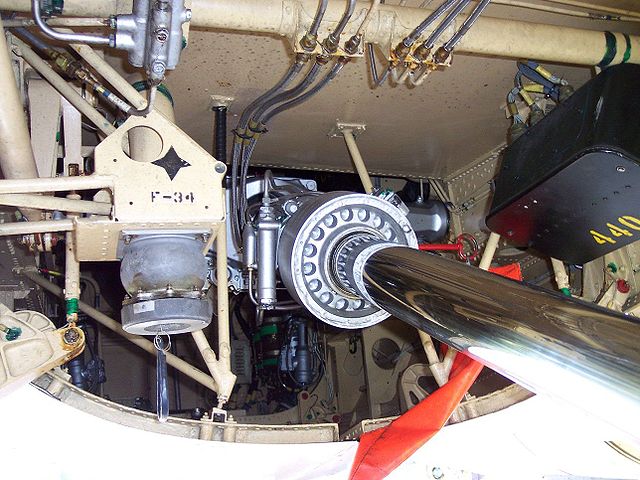
Aircraft hydraulic systems are the lifeblood of modern aviation, providing the muscle needed to operate essential systems with precision and reliability. They convert mechanical energy into fluid power to control flight surfaces, landing gear, brakes, and steering – components that require powerful, smooth, and consistent force. Because hydraulic systems are highly efficient and capable of delivering substantial power through relatively lightweight components, they’re used extensively in both commercial and military aircraft.
In addition to their power density, hydraulic systems enable redundancy and fail-safe operations, which are critical for ensuring safety during flight. The reliability of these systems depends not only on their design but also on consistent servicing and clean fluid. Without proper maintenance, even minor contamination can disrupt operations and compromise flight safety.
Why Is It Important to Service Aircraft Hydraulic Systems Regularly?
Routine hydraulic system servicing is essential to ensure safe aircraft operation and minimize the risk of component failure. Contaminated hydraulic fluid can introduce serious problems, including wear, corrosion, and reduced performance. Foreign particles such as dirt, water, and microbes can clog valves or erode internal components, leading to sluggish or failed system performance.
Hydraulic contamination doesn’t just reduce performance – it can also increase the likelihood of costly repairs. Over time, small amounts of debris or moisture can degrade seals, gum up pumps, and lead to system-wide malfunctions. Regular servicing using specialized hydraulic fluid service units helps prevent these issues by keeping the fluid clean, the system properly pressurized, and the components protected from wear and degradation.
What Is Hydraulic Fluid Servicing Equipment Used for in Aircraft Maintenance?
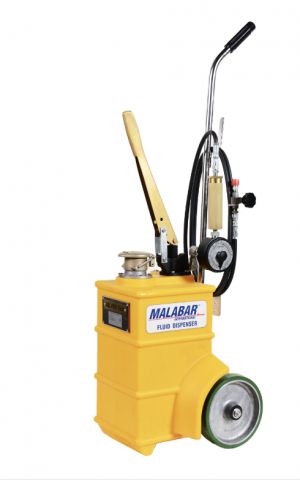
Hydraulic fluid servicing equipment is a specialized category of ground support equipment (GSE) designed to maintain, replenish, and protect aircraft hydraulic systems. These units are crucial for ensuring that critical flight components – such as brakes, landing gear, and flight control surfaces – remain in peak operating condition. Depending on the application, the equipment may be handheld, cart-based, or towable, allowing for flexible use on the ramp or in hangar environments.
These units serve multiple roles in aircraft maintenance, including topping off reservoirs, bleeding air from hydraulic lines, flushing systems, and even pressurizing brake systems when compatible. Most fluid service units are built with pumps, reservoirs, filtration systems, pressure gauges, and quick-disconnect fittings. Together, these features help technicians deliver clean, contaminant-free fluid into the aircraft system at controlled pressure levels.
There are different types of hydraulic fluid servicing units, depending on the fluid type and application. Handheld units offer portability for quick tasks in tight spaces, while wheeled carts and towable units are better suited for large-scale servicing jobs that require higher capacity or pressure. These larger units are particularly useful for flushing contaminated systems or transferring fluid during major component changes.
Modern hydraulic fluid service equipment also helps minimize the risk of contamination. Integrated filtration systems remove particulates and moisture, ensuring only clean fluid enters the aircraft system. This is especially critical when working with systems that use fluids like Skydrol or MIL-PRF-5606, where fluid purity is tightly controlled.
Overall, using dedicated hydraulic fluid service equipment enhances efficiency, reduces downtime, and ensures that hydraulic systems remain compliant with manufacturer specifications. The right equipment not only streamlines routine maintenance but also significantly contributes to the aircraft's long-term reliability.
How Do Hydraulic Component Pressure Test Units Differ from Hydraulic Fluid Service Units?
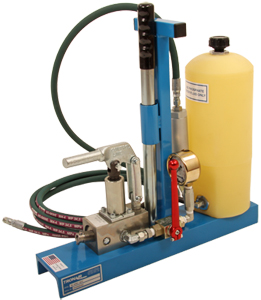
Hydraulic component pressure test units serve a distinctly different role from fluid service units. These specialized test units are designed to evaluate the pressure integrity and performance of individual hydraulic components – such as actuators, pumps, valves, or cylinders – typically outside of the aircraft system. Simulating real-world pressure conditions, they help verify whether a component can perform reliably under expected loads.
Unlike fluid service units, which are used for day-to-day system maintenance, pressure test units are primarily diagnostic tools used in test benches or component shops. They often include features such as precision pressure regulators, flow controls, and temperature modulation capabilities. These allow technicians to replicate exact operating conditions and assess a component's functionality before it’s reinstalled.
While both types of equipment involve hydraulic fluids and pressurization, their purposes are distinct. Fluid service units maintain system health through clean refills and contamination prevention, whereas pressure test units verify component durability and integrity to avoid failures during operation.
What Is Involved in Aircraft Hydraulic System Maintenance?

Maintaining aircraft hydraulic systems requires a systematic approach focused on cleanliness, fluid integrity, and component functionality. Key practices include regular fluid level checks, visual inspections for leaks or corrosion, and fluid sampling to assess contamination levels. When contamination is detected – or after significant component changes – a full system flush may be necessary using hydraulic fluid service equipment.
Servicing steps typically involve flushing the hose, filling the aircraft reservoir through a quick-disconnect port, and bleeding air from the system to ensure no air pockets remain. Units equipped with filters, manual or electric pumps, and transparent hoses help technicians monitor fluid quality and air content in real time. Following these steps closely minimizes the risk of introducing contaminants or entrapped air that could compromise system performance.
Safe handling of hydraulic fluid is also critical. Fluids like Skydrol require gloves, goggles, and proper ventilation due to their corrosive properties. Additionally, fluids should always be stored in sealed, labeled containers and transferred only using clean, dedicated equipment to avoid cross-contamination. Regularly replacing filters and hoses on service units ensures that clean fluid stays clean from the reservoir to the aircraft.
Proper documentation is another key aspect of hydraulic system maintenance. Maintenance logs should include the fluid type used, quantity, date, and any observations made during servicing. This transparency ensures traceability and helps technicians spot trends or recurring issues over time.
How Often Should Hydraulic Fluid Servicing Equipment Be Maintained?
Aircraft hydraulic fluid servicing equipment requires regular maintenance to ensure safe and efficient operation. Before each use, units should be visually inspected and kept clean to prevent debris or contaminants from entering the fluid system. Check for visible damage to hoses, fittings, or reservoirs and confirm that gauges and valves are functioning correctly.
Weekly inspections should include checking for leaks, verifying the integrity of all connections, and testing the functionality of pumps and relief valves. Pressure gauges should read accurately, and filler caps should seal tightly to avoid fluid loss or contamination. Any damaged or worn parts should be repaired or replaced immediately.
Filters should be replaced annually as part of routine maintenance, even if flow performance appears normal. If the unit shows signs of reduced fluid flow, clogged filters may need to be replaced sooner. Always consult the manufacturer's maintenance guide for exact service intervals and procedures based on usage, fluid type, and operating conditions.
The Bottom Line
Proper use and handling of aircraft hydraulic fluid servicing equipment are fundamental to ensuring the safe and efficient operation of your aircraft’s hydraulic systems. From preventing contamination to reducing maintenance downtime, this equipment plays a vital role in keeping aircraft airworthy and systems operating at peak performance. Regular inspections, safe fluid handling, and adherence to best practices are essential for extending the lifespan of both your equipment and the aircraft components it supports.
Pilot John International® (PJi®) is your trusted source for premium aircraft hydraulic servicing solutions. We carry a wide range of engine oil and hydraulic fluid service carts, component pressure test units, handheld fluid service units, and more from industry leaders like Tronair and Malabar. Whether you're supporting routine line maintenance or conducting specialized testing, our knowledgeable aviation specialists are here to help. Contact us today via phone, email, or chat for expert guidance and tailored equipment recommendations.