Boost Efficiency and Reduce Costs with an Electric Aircraft Tug
Key Takeaways
- Electric aircraft tugs eliminate the engine oil changes, coolant flushes, belt replacements, and exhaust maintenance associated with traditional fuel-powered tugs – significantly reducing both labor hours and parts costs.
- Battery power offers more stable and predictable operating costs than diesel or gasoline, insulating operators from fuel price fluctuations while reducing both scheduled and unplanned repair expenses.
- Zero exhaust emissions make electric tugs a safer choice for enclosed hangar environments and a practical step toward sustainability goals for flight departments, FBOs, and MROs.
- Lead-acid batteries provide a proven, budget-friendly entry point, while lithium-ion batteries offer faster charging, longer service life, and more consistent power output – making them a strong long-term investment for high-utilization operations.
- The mechanical simplicity of electric tugs – fewer moving parts, fewer sensors, fewer failure points – translates directly to higher reliability and less downtime on the ramp.
- Pilot John International carries a wide range of electric aircraft tugs in both battery configurations, with aviation specialists available to help match the right equipment to your operation's needs.
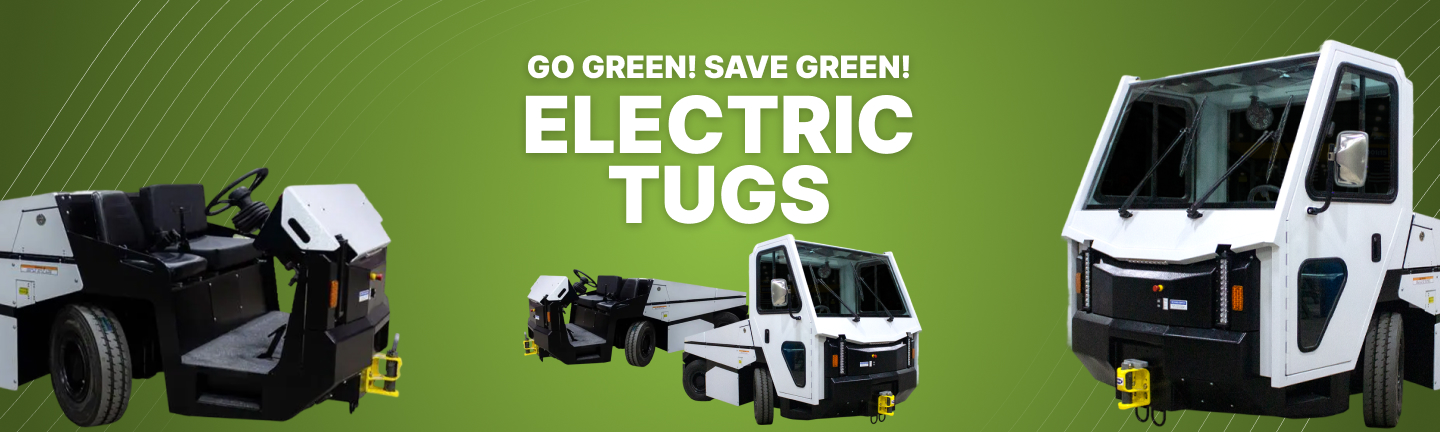
The aviation industry is moving quickly toward more sustainable, cost-effective ground operations – and electric ground support equipment is leading the charge. Among the most impactful upgrades an operator can make is switching from a gas or diesel-powered tug to an electric aircraft tug. The benefits are clear: lower maintenance demands, reduced operating costs, cleaner ramp environments, and a simpler, more reliable machine overall.
Reduced Maintenance Requirements
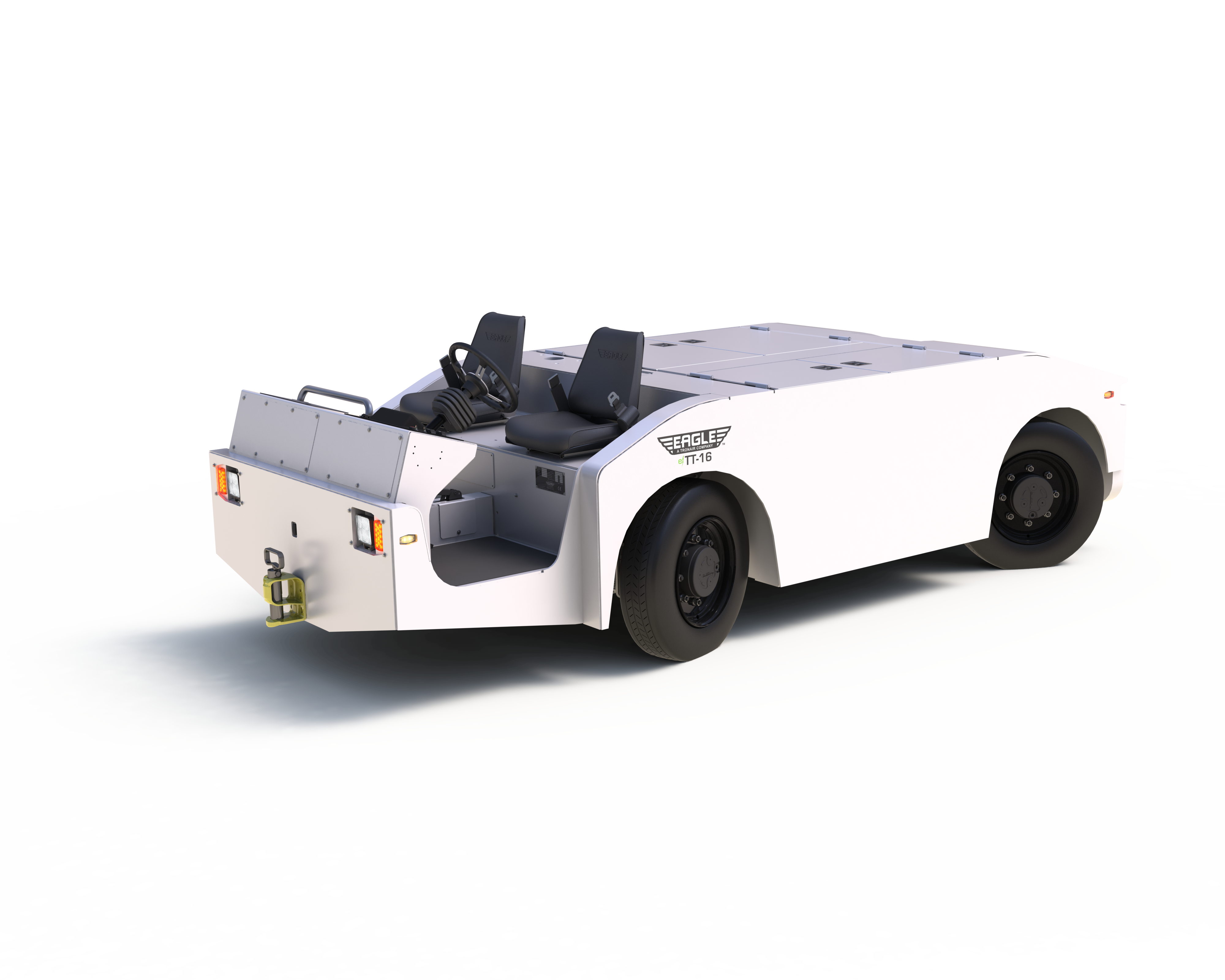
One of the strongest arguments for switching to an electric aircraft tug is the significant reduction in maintenance costs. Traditional internal combustion engine tugs require ongoing servicing – engine oil changes, fuel and oil filter replacements, coolant flushes, and upkeep of hoses, belts, gaskets, and exhaust components. Over time, those tasks accumulate in both labor hours and parts costs.
Electric tugs eliminate all of that. With no engine, there's no oil to change, no coolant to manage, and no exhaust system to maintain. Fewer components means fewer failure points, simpler upkeep, less downtime, and more predictable maintenance budgets – a meaningful advantage for flight departments, FBOs, and MROs managing tight operational schedules.
Lowering Operating Costs and Environmental Benefits
Electric tugs deliver significant savings at the operational level as well. Battery power is far more cost-stable than diesel or gasoline – insulating operators from fuel price volatility while keeping per-cycle energy costs low. And because electric tugs have fewer mechanical systems that wear out over time, both scheduled maintenance costs and unexpected repair expenses are reduced.
On the environmental side, electric tugs produce zero exhaust emissions – an important factor not just for sustainability goals, but for day-to-day safety. In enclosed hangars and on congested ramps, eliminating fuel combustion fumes creates a healthier working environment for ground crews and reduces compliance concerns tied to air quality regulations.
Battery Technology: Lead-Acid vs. Lithium-Ion
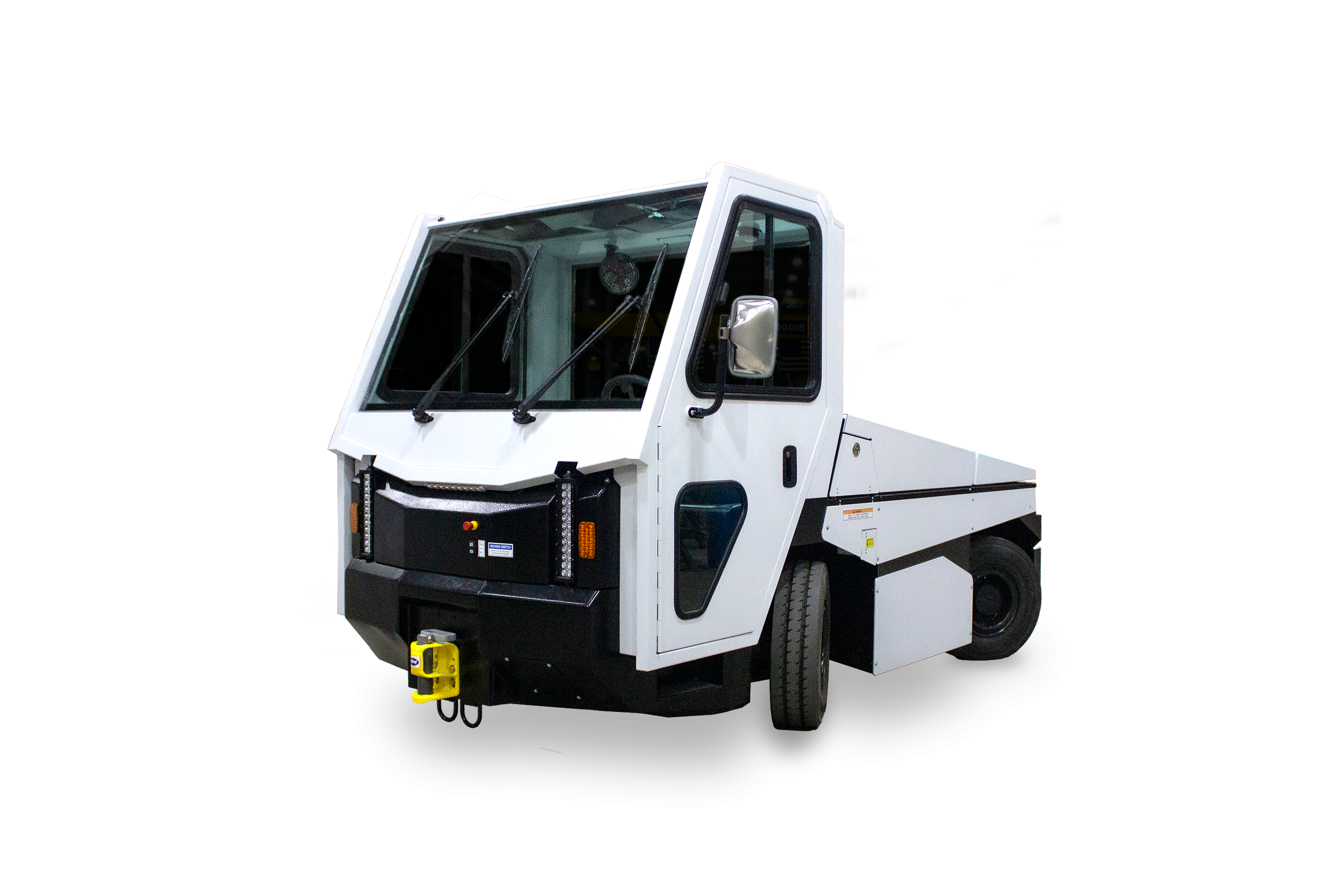
Most electric aircraft tugs are available in two battery configurations, each with its own advantages depending on the application.
Lead-acid batteries are a proven, cost-effective option with a lower upfront investment. They're durable, widely understood, and straightforward to maintain – making them a reliable choice for operations focused on minimizing initial capital outlay.
Lithium-ion batteries offer a higher-performance alternative. They charge faster, last longer, deliver more consistent power output throughout the discharge cycle, and require virtually no maintenance. Their lighter weight also improves tug efficiency and handling – particularly relevant for operations requiring frequent repositioning or extended shifts. While the upfront cost is higher, the long-term operational advantages often justify the investment.
Reliability Through Simplicity
Traditional fuel-powered tugs rely on a complex network of wires, sensors, pumps, and mechanical systems – each one a potential source of failure. Electric tugs, by design, are mechanically simpler. Fewer moving parts mean fewer things that can go wrong, which translates directly to higher uptime and more dependable daily performance.
For ground operations where equipment availability is critical – and where an unexpected breakdown can cascade into delays and missed departure windows – that reliability matters.
The Bottom Line

Switching to an electric aircraft tug is a smart investment for any operation focused on reducing costs, improving sustainability, and maximizing equipment uptime. With lower maintenance requirements, stable energy costs, zero emissions, and a streamlined mechanical design, electric tugs are setting a new standard for modern ground support.
Pilot John International® (PJi®) offers a wide selection of electric aircraft tugs from top manufacturers, available in both lead-acid and lithium-ion battery configurations. Whether you're upgrading a single unit or expanding your GSE fleet, our aviation specialists are ready to help you find the right solution. Contact us today by phone, email, or live chat to get started.