Lithium-Ion vs. Lead-Acid: Choosing the Right Battery for Your GSE Fleet
Key Takeaways
- Lithium-ion batteries offer higher energy density, faster charging (as little as 1 to 2 hours), and longer runtimes than lead-acid equivalents – making them better suited for multi-shift, high-uptime operations where downtime is costly.
- Lead-acid batteries typically require 6 to 10 hours to recharge after 3 to 5 hours of use, which can create operational bottlenecks in continuous or high-demand environments and may require maintaining extra battery stock to compensate.
- Lithium-ion batteries are virtually maintenance-free, while lead-acid batteries require regular electrolyte checks, watering, and proper ventilation during charging – adding labor and oversight to their total operating costs.
- Despite a higher upfront cost, lithium-ion batteries typically deliver better long-term value through longer service life, lower maintenance requirements, and fewer replacements. Lead-acid remains a cost-effective option for single-shift or lower-demand applications.
- The right choice depends on your shift structure, charging infrastructure, environmental conditions, and budget. PJi's aviation specialists can help match your GSE fleet to the right battery solution for your specific operation.
In the fast-paced world of ground support and industrial operations, every minute counts. From aircraft tugs to utility vehicles, your equipment needs reliable power to perform safely and efficiently on the ramp or in the hangar.
One of the most important decisions you can make is choosing between lithium-ion and lead-acid batteries – two options with very different strengths, maintenance requirements, and costs. In this article, we’ll break down the fundamentals of these battery types, compare real-world performance, and help you determine which one best fits your operational needs.
What Should You Know About the Fundamentals of Batteries?
Understanding how each battery type functions is key to making an informed choice.
Lithium-Ion
Lithium-ion batteries offer higher energy density, storing more power in a lighter, more compact design. They charge faster, last longer, and require minimal maintenance compared to traditional options. Their lighter weight also reduces strain on your ground support or industrial vehicles, improving handling and operational efficiency over time.
Lead-Acid
Lead-acid batteries are the long-standing standard in industrial equipment – durable and dependable, but heavier and less energy-efficient. While they have a lower upfront cost, they offer shorter runtimes, longer charge times, and require routine maintenance such as electrolyte checks and watering.
How Do Different Batteries Affect Your Fleet’s Performance?
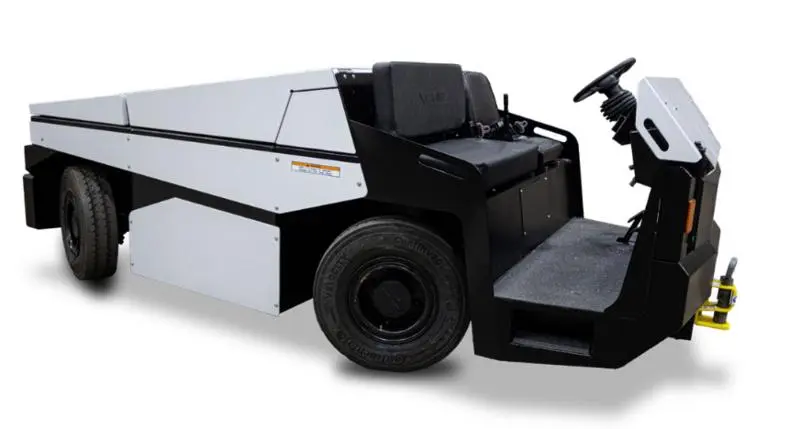
Let’s compare how these two battery types perform in real-world equipment, such as the Eagle eTT-8X Electric Tug.
Lithium-Ion
A single 315Ah lithium-ion battery can deliver up to six hours of continuous operation and fully recharge in under two hours. The dual 630Ah configuration doubles the runtime to approximately 12 hours while maintaining fast charging. This minimizes downtime, reduces battery swaps, and keeps your fleet operational for longer stretches.
Lead-Acid
A 510Ah lead-acid battery provides three to four hours of runtime but typically requires six to eight hours to fully recharge. This longer downtime may require additional batteries to keep up with continuous use, leading to higher maintenance costs and slower turnaround times.
How Do Battery Choices Impact Operations Beyond Ground Support?

Battery performance matters across all types of industrial vehicles, not just on the tarmac. Take the Motrec MC-480 as an example:
Lithium-Ion
Powered by a 48V 275Ah lithium-ion battery, this vehicle can operate for 6 to 8 hours and recharge in 1 to 2 hours. For facilities with multiple shifts or time-sensitive operations, this efficiency eliminates the need for mid-shift battery swaps, thereby maximizing productivity.
Lead-Acid
The standard 48V 510Ah lead-acid configuration typically provides four to five hours of use but requires eight to ten hours to recharge, making it less suitable for nonstop or high-demand operations.
What Factors Should You Consider Beyond Performance Numbers?
While runtime and charge time are critical, your environment, maintenance practices, and long-term budget also play major roles in determining the best fit.
Operating Conditions
Lithium-ion batteries offer better temperature tolerance, maintaining consistent performance in both extreme heat and cold. Lead-acid batteries can lose efficiency under these conditions, making them better suited to controlled environments.
Maintenance Needs
Lithium-ion batteries are virtually maintenance-free, requiring no electrolyte checks or watering. Lead-acid batteries, on the other hand, demand regular attention and proper ventilation during charging.
Total Cost of Ownership
Though lithium-ion batteries have a higher initial price tag, their longer lifespan, faster charging, and lower maintenance often make them more cost-effective in the long term. Lead-acid batteries may save money upfront, but they typically require more frequent replacement.
How Can You Choose the Right Battery for Your Operation?
Selecting between lithium-ion and lead-acid depends on your workflow, budget, and performance expectations. If your operation requires high uptime, rapid turnaround, and minimal maintenance, lithium-ion batteries are likely the best fit. For facilities operating in single-shift or lower-demand settings, lead-acid batteries may still offer solid value at a lower cost.
Before making a decision, evaluate your charging infrastructure, environmental conditions, and usage patterns. Partnering with an experienced supplier can help you match your fleet to the right power source to maximize your return on investment.
The Bottom Line
Reliable power keeps aviation and industrial operations running safely and efficiently – and having the right battery makes all the difference.
Pilot John International® (PJi®) is your trusted source for high-performance ground support equipment (GSE), including electric tugs and industrial vehicles from leading brands in the industry. Whether you’re upgrading to a lithium-ion system or maintaining your current fleet of lead-acid-powered vehicles, PJi’s team of aviation specialists can help you find the ideal solution for your unique operational needs.
With a commitment to quality, durability, and service, PJi supports professionals across the aviation and industrial sectors with equipment that delivers efficiency, reliability, and long-term value. Contact our team today to learn more about battery options and other essential ground support solutions for your operation.