




A Comprehensive Guide to Aviation Fluids
Key Takeaways
- Aviation fluids fall into three critical categories – hydraulic fluid, lubricating oil, and fuel additives – each engineered to meet the specific demands of the systems they serve, with the wrong fluid choice potentially compromising safety and performance.
- Mineral-based hydraulic fluids like MIL-PRF-5606 are cost-effective and perform well at low temperatures, while phosphate ester hydraulic fluids like Skydrol are the commercial aviation standard thanks to their superior fire resistance and thermal stability.
- Straight mineral oil plays a specific and important role in piston engine break-in, allowing rings to seat properly against cylinder walls – a process that dispersant additives in ashless dispersant oils can interfere with.
- Modern turbine engine oils are almost exclusively Type II synthetic esters that conform to MIL-PRF-23699 and are formulated with anti-oxidation, anti-foam, and anti-corrosion packages that protect engines operating under extreme heat and load.
- Piston engine oils are typically mineral-based and rely on ashless dispersant additives to keep general aviation engines running cleanly between scheduled oil changes.
- Fuel System Icing Inhibitors (FSII) – based on DiEGME – prevent dangerous ice formation in jet fuel systems by depressing the freezing point of free water in the fuel, and also provide secondary corrosion protection for fuel system components.
Every aircraft that takes to the sky relies on a carefully engineered lineup of fluids to keep its systems running safely and efficiently. From the hydraulic fluid that actuates your landing gear to the engine oil that keeps your turbine spinning at peak performance, aviation fluids are the unsung heroes of airworthiness – each formulated to handle a specific set of pressures, temperatures, and operating conditions. Selecting the right fluid for each application and understanding why it matters is fundamental knowledge for any aviation professional, maintenance technician, or flight department manager.
In this article, we'll break down the three major categories of aviation fluids – hydraulic fluid, lubricating oil, and fuel additives – and walk through what each one does, how it works, and what differentiates the options available to operators today.
Hydraulic Fluid
Aircraft hydraulic systems are responsible for some of the most safety-critical functions in flight – including landing gear retraction, brake actuation, flight control surface movement, thrust reverser operation, and nose wheel steering. These systems operate under high pressure and demand a fluid that performs reliably across a wide range of temperatures and operating conditions. Not all hydraulic fluids are created equal, and selecting the correct type for your aircraft is essential for both performance and component compatibility.
Mineral-Based Hydraulic Fluid
Mineral-based hydraulic fluids have been used in aviation for decades and remain a practical, cost-effective choice for many general aviation and military aircraft. The most widely recognized spec is MIL-PRF-5606, a red-dyed petroleum-based fluid that has long been a staple of U.S. military aviation, powering systems on legacy platforms like the C-130, B-52, and F-15. Its successor, MIL-PRF-83282, offers improved fire resistance and is fully compatible with MIL-PRF-5606 systems.
One of the key advantages of mineral-based fluids is their exceptional low-temperature performance – they remain fluid and pumpable even in extreme cold, where other fluid chemistries can thicken and lose effectiveness. They're also broadly compatible with the hydraulic seals and components used across older airframes, which keeps fluid management and maintenance simple. For operators prioritizing cost-effectiveness and broad compatibility, mineral-based hydraulic fluids remain a dependable option.
Phosphate Ester Hydraulic Fluid
Phosphate ester-based hydraulic fluid is the dominant choice for commercial aviation, and for good reason. Unlike mineral-based fluids, phosphate esters are highly fire-resistant – a critical characteristic for aircraft with densely routed hydraulic lines running near heat sources like engine nacelles. The chemistry of phosphate esters simply doesn't sustain combustion the way petroleum-based fluids can.
Beyond fire resistance, phosphate ester fluids deliver excellent anti-wear performance, reducing friction and extending the service life of hydraulic pumps, actuators, and valves. They're thermally stable across a wide operating range and compatible with most modern hydraulic seals.
The most well-known phosphate ester hydraulic fluid in aviation is Skydrol, manufactured by Eastman Chemical Company. Skydrol is the standard hydraulic fluid for the vast majority of commercial transport aircraft in service today – its name has become nearly synonymous with aviation hydraulic fluid in airline and MRO environments. Several variants are available to suit different operational requirements.
Skydrol LD-4 is widely used for its balanced combination of thermal stability, lubricity, and resistance to system deposits. Skydrol 500B-4 offers enhanced anti-wear performance and is favored for high-demand hydraulic systems. The newest generation – Skydrol PE-5 – is formulated to deliver the longest fluid life of any available phosphate ester fluid, meeting the increasingly stringent requirements of modern commercial aircraft fleets. All Skydrol variants conform to SAE AS1241 and related industry specifications.
One important consideration with phosphate ester fluids is handling. Skydrol and similar fluids are mildly irritating to skin, eyes, and mucous membranes, so proper PPE – chemical-resistant gloves, goggles, and adequate ventilation – should always be used during servicing.
Lubricating Oil
Aircraft lubricating oil serves a fundamental purpose: reducing friction and wear between moving parts while also dissipating heat, inhibiting corrosion, and carrying contaminants to the oil filter for removal. The right oil for a given application depends on engine type, operating temperatures, and – for piston engines – whether the engine is newly overhauled or fully broken in.
Mineral-Based Lubricants
Straight mineral oil – a non-detergent, petroleum-based lubricant without additional additive packages – plays a specific and important role in piston engine maintenance. According to Lycoming and other major piston engine manufacturers, new and freshly overhauled piston engines should be broken in using straight mineral oil for the first 25 to 50 hours of operation, or until oil consumption stabilizes. The reasoning is straightforward: the dispersant additives in ashless dispersant (AD) oils can coat cylinder walls and interfere with the controlled wear that allows piston rings to seat properly. Mineral oil's simpler formulation lets the break-in process proceed as designed.
Once the break-in period is complete, operators typically transition to an ashless dispersant oil – still a mineral oil at its base, but with an additive package that suspends combustion byproducts, carbon particles, and other contaminants in the oil so they can be captured by the filter. "Ashless" refers to the fact that these additives burn cleanly, leaving no deposits behind. Ashless dispersant oils are the most commonly used piston engine lubricants in general aviation today.
Synthetic Lubricants
Synthetic lubricants are engineered at the molecular level to deliver performance characteristics that mineral oils simply can't match. They offer significantly better high-temperature stability, which helps prevent thermal breakdown and oil coking in demanding operating environments. Their molecular uniformity also produces lower friction than conventional mineral oil, improving fuel efficiency and reducing engine wear over time.
Synthetic lubricants also perform well at the low end of the temperature spectrum, maintaining proper viscosity during cold-weather starts when mineral oils may be too thick to flow quickly to critical components. For turbocharged piston engines and high-performance aircraft with tight operating tolerances, synthetic lubricants are often the better long-term choice despite their higher upfront cost. It's worth noting, however, that some piston engine manufacturers don't recommend switching to synthetic oil in older, high-time engines – the superior cleaning properties of synthetics can dislodge deposits that have been sealing minor leaks for years.
Aircraft Engine Oil
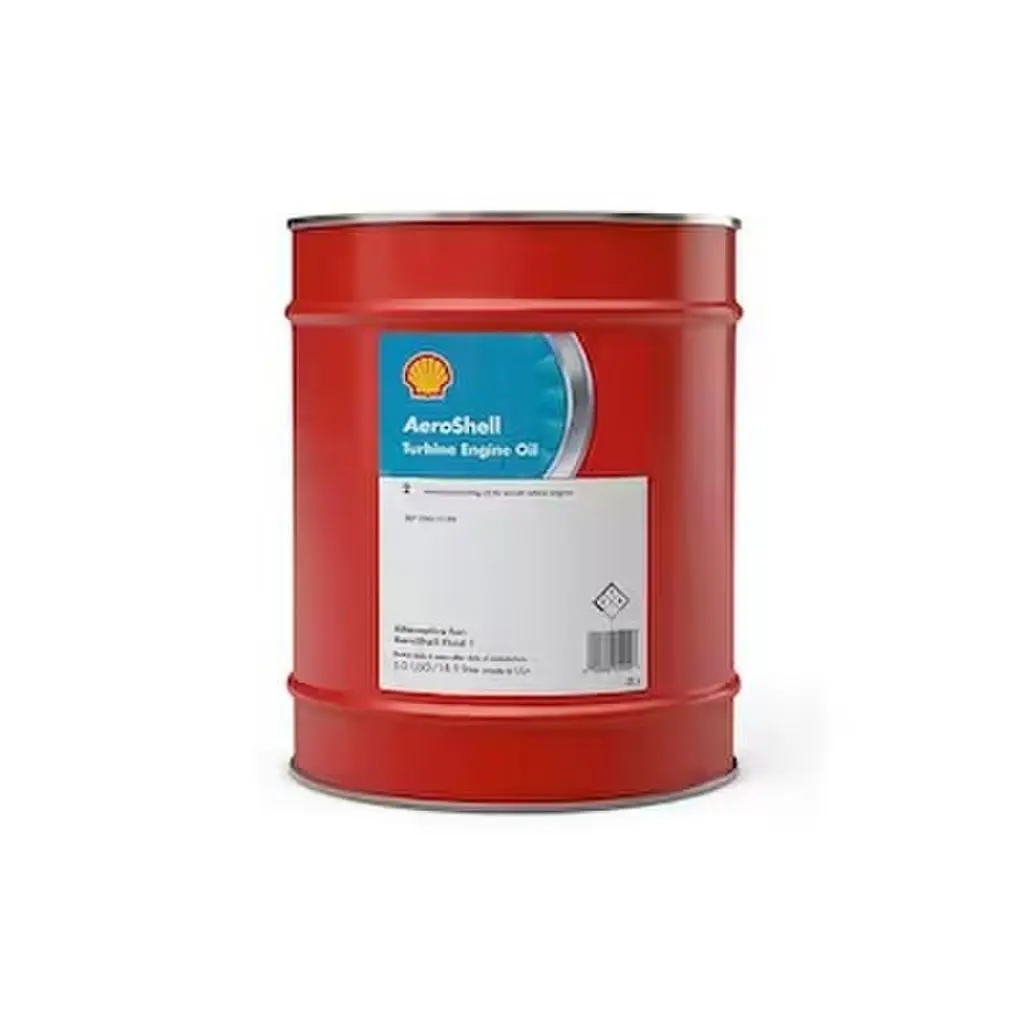
Aircraft engine oil is purpose-built to withstand the heat, pressure, and contamination encountered by the powerplant it serves. Beyond the basic job of lubricating moving parts, engine oil also cools internal components, neutralizes acids, suspends combustion byproducts, and protects against corrosion when the engine is sitting still. Two distinct families of aircraft engine oil cover the vast majority of operations today: turbine engine oil, formulated for jet and turboprop engines, and piston engine oil, formulated for the reciprocating powerplants found across general aviation.
Turbine Engine Oil
Turbine engine oil operates in one of the most demanding environments in all of mechanical engineering – continuously exposed to extreme temperatures, high shaft speeds, and the byproducts of jet combustion. Modern turbine engine oils are almost exclusively synthetic, with ester-based formulations that provide the thermal stability, oxidation resistance, and load-carrying capacity required for continuous high-temperature operation.
Turbine oils are classified into two primary types. Type I oils are older formulations offering moderate thermal performance. Type II oils are the current industry standard for virtually all turbine-powered aircraft worldwide – they deliver roughly 100°F (38°C) of additional high-temperature serviceability over Type I, eliminating the need for periodic oil drains in most jet engines. The governing military specification for turbine engine oils is MIL-PRF-23699, which covers three performance grades: Standard (STD) for general use, Corrosion Inhibiting (C/I) for aircraft prone to rust and corrosion during storage, and High Thermal Stability (HTS) for engines operating at extreme temperatures.
Turbine engine oils are specifically formulated with additives that inhibit foam formation – critical because even small amounts of entrained air can compromise oil film strength and cause bearing damage. Anti-oxidation and anti-corrosion packages protect engine internals from moisture, combustion acids, and thermal degradation, extending both oil service life and the time between overhauls.
Piston Engine Oil
Piston engine oil is formulated for the reciprocating engines that power most general aviation aircraft – from trainers and singles to high-performance twins. Unlike turbine oils, the majority of piston engine oils in service today are mineral-based, though synthetic blends are increasingly common in higher-performance applications. Piston engines run cooler and at lower shaft speeds than turbines, but they also operate in a much dirtier internal environment, with combustion byproducts and lead deposits that the oil has to manage.
Two products dominate the piston engine oil market: straight mineral oil – used during break-in to allow piston rings to seat properly – and ashless dispersant (AD) oil, which is what most general aviation engines run on once they're broken in. AD oils combine a mineral oil base with additives that suspend combustion byproducts and contaminants in the oil for filter removal, without leaving the ash deposits that automotive detergent oils can produce. Most piston engine oils are specified to SAE J1899 or SAE J1966 and are available in single-grade and multi-grade viscosities tailored to ambient operating temperatures.
Fuel Additives
Aviation fuel additives are chemical compounds blended into fuel to improve performance, protect engine components, and ensure safe operation across a range of environmental conditions. They make up only a small percentage of the fuel by volume, but they play an outsized role in keeping engines reliable from preflight through shutdown. The most operationally significant categories for aviation professionals are anti-icing additives that prevent ice formation in fuel systems, biocides that control microbial growth in fuel tanks, and – on the piston side – octane-enhancing and lead-substitute compounds that support the industry's transition to unleaded avgas.
Anti-Icing Additives and Fuel System Icing Inhibitors (FSII)
Ice formation in aircraft fuel systems is a serious safety hazard. As jet fuel cools at altitude, dissolved water can freeze and accumulate on fuel filters or in fuel lines, potentially starving an engine of fuel at a critical moment. Anti-icing additives – more specifically, Fuel System Icing Inhibitors (FSII) – are designed to prevent that by lowering the freezing point of any free water in the fuel system.
The active compound used in modern FSII is diethylene glycol monomethyl ether (DiEGME), which replaced the earlier ethylene glycol monomethyl ether (EGME) in 1994 thanks to its lower toxicological profile and higher flash point. DiEGME preferentially dissolves in the water phase of the fuel rather than in the fuel itself, lowering the freezing point of that water to approximately -43°C. Per major jet fuel specifications, DiEGME is approved for use at concentrations of 0.07% to 0.15% by volume and must be evenly mixed with the fuel to work effectively.
FSII also provides a secondary benefit: corrosion protection for metal fuel system components, including tanks, lines, and valves. It's primarily used in turbine-powered aircraft running Jet-A or similar kerosene-based fuels – most piston aircraft on avgas don't require it, since gasoline inherently holds less dissolved water than jet fuel.
The Bottom Line
Aviation fluids are foundational to aircraft safety and performance – and understanding the differences between them is essential for making informed maintenance decisions. The wrong hydraulic fluid can compromise system integrity. The wrong engine oil can shorten engine life. The right fuel additive can prevent an in-flight emergency. These aren't abstract concerns; they're the practical realities of aircraft maintenance every day.
At Pilot John International® (PJi®), we stock a comprehensive selection of aviation hydraulic fluids, engine oils, lubricating oils, and fuel additives from the industry's most trusted manufacturers. Whether you need Skydrol for your airline fleet, turbine engine oil for your business jet, or the right break-in oil for a freshly overhauled piston engine, our team of aviation specialists can help you spec exactly what your operation needs. Call, email, or chat with us today to keep your aircraft fluids – and your fleet – mission-ready.
Frequently Asked Questions
What's the difference between mineral-based and phosphate ester hydraulic fluid?
Mineral-based hydraulic fluid (like MIL-PRF-5606 and MIL-PRF-83282) is a petroleum-derived product widely used in general aviation and military aircraft for its low-temperature performance and broad seal compatibility. Phosphate ester hydraulic fluid (like Skydrol) is the commercial aviation standard and is prized primarily for its fire resistance and thermal stability under high system pressures. The two are chemically incompatible and cannot be mixed in the same system.
How often should aviation engine oil be changed?
Oil change intervals depend on engine type, operator usage, and manufacturer guidance, but a typical general aviation piston engine follows a 25- to 50-hour or 4- to 6-month interval, whichever comes first. Most turbine engines no longer use scheduled oil drains thanks to Type II synthetic oil chemistry, though oil consumption, filter inspections, and oil analysis are still tracked closely. Always follow the engine manufacturer's published maintenance program for your specific powerplant.
Can you mix different brands of aviation hydraulic fluid?
Only when the fluids are the same type and approved for mixing by the aircraft and component manufacturers. Mineral-based and phosphate ester hydraulic fluids should never be combined, as they're chemically incompatible and will damage seals, hoses, and pumps. When in doubt, drain and flush the system per the manufacturer's instructions before switching products.
What is the purpose of a fuel additive in aviation?
Aviation fuel additives are blended into fuel to address operational risks like ice formation, microbial growth, water separation, and corrosion – none of which the base fuel can manage on its own. Common examples include Fuel System Icing Inhibitors (FSIIs), such as DiEGME for jet fuel, biocides for tank cleanliness, and conductivity improvers that reduce static-discharge risk during fueling. Always verify approved additive types and concentrations against the aircraft's flight manual and fuel specifications.
What's the difference between turbine engine oil and piston engine oil?
Turbine engine oils are almost exclusively synthetic ester-based fluids formulated to MIL-PRF-23699 and engineered to handle the extreme temperatures and shaft speeds of jet engines. Piston engine oils, by contrast, are typically mineral-based with ashless dispersant additives (after break-in) and are spec'd to SAE J1899 or SAE J1966 for reciprocating engines. The two are not interchangeable – using the wrong oil can cause rapid wear or engine damage.
Do all jet fuels contain FSII at the refinery?
No. FSII is not blended into all Jet-A or Jet A-1 at the refinery. Some operators – particularly military and certain corporate fleets – add FSII directly during fueling, while many commercial operators rely on heated fuel filters and tank design instead. Always confirm the fuel and additive requirements for your specific aircraft.
What's the best way to store aviation fluids?
Aviation fluids should be stored in their original sealed containers, kept indoors at moderate temperatures, and protected from direct sunlight and moisture to maintain product integrity and traceability. Most aviation fluids have a defined shelf life – check the manufacturer's labeling and rotate stock on a first-in, first-out basis. Never use fluid from a container with damaged seals, missing labels, or visible contamination.