






Improve Aircraft Performance with High-Quality Aviation Engine Oil
Key Takeaways
- High-quality aviation engine oil forms a protective film between moving parts, reducing friction, minimizing metal-to-metal contact, and extending the service life of critical components like pistons, bearings, and camshafts.
- Synthetic oils outperform conventional oils in extreme conditions – maintaining ideal viscosity in cold weather, resisting breakdown at high temperatures, and providing stronger film strength under load.
- Additive packages do the heavy lifting: detergents neutralize acids, dispersants keep contaminants suspended until filtered out, and anti-wear agents protect metal surfaces – together preventing sludge, varnish, and deposit buildup.
- Oil viscosity directly affects fuel efficiency. Oil that's too thick increases drag; too thin, and it won't protect adequately. Premium oils are engineered to hold optimal viscosity across the full range of operating temperatures.
- The higher upfront cost of premium aviation oil is offset by extended drain intervals, reduced component wear, improved fuel economy, and fewer unscheduled maintenance events throughout the engine's life.
- PJi stocks aviation engine oils from AeroShell, Castrol, Eastman, and Phillips 66 for both piston and turbine platforms, with specialists on hand to help match the right oil to your aircraft and operating environment.
Few factors are as crucial in aircraft maintenance as the quality of engine oil used. High-quality aviation engine oil is the lifeblood of your aircraft’s powerplant, ensuring not only smooth operation but also long-term reliability and efficiency. Whether you’re a pilot, aircraft owner, or aviation enthusiast, understanding the impact of engine oil quality will help you make informed decisions for optimal aircraft performance.
In this comprehensive guide, we’ll explore how premium aviation engine oils enhance overall performance, protect vital components from wear, and help reduce maintenance costs and improve fuel efficiency. You’ll also find guidance on choosing the right aviation oil for your aircraft and learn where to source trusted piston and turbine engine oils from top brands like AeroShell, Phillips 66, Eastman, and Castrol.
How Does High-Quality Aviation Oil Improve Engine Longevity?
High-quality aircraft engine oil is engineered to provide exceptional lubrication, forming a robust protective film between moving parts. This minimizes direct metal-to-metal contact, drastically reducing friction and premature wear. Over time, this enhanced protection translates into a longer lifespan for critical engine components such as pistons, bearings, and camshafts. Premium aviation oils also contain anti-corrosion additives that protect against environmental factors like humidity and temperature fluctuations, helping maintain long-term engine reliability.
Can Premium Aircraft Engine Oil Reduce Wear Over Time?
Absolutely! Premium aviation oils are formulated with advanced base stocks and additive packages specifically designed to combat wear. These additives – such as anti-wear agents, detergents, and dispersants – shield internal components from damage and promote clean operation. This results in lower oil consumption, fewer maintenance issues, and reduced risk of engine failure over the long term.
What Role Does Synthetic Aviation Oil Play in Enhancing Engine Performance?
Synthetic oils are engineered for superior consistency and performance under a wide range of operating conditions. They resist breakdown at high temperatures, maintain ideal viscosity in extreme cold, and provide stronger film strength under stress. This leads to smoother engine operation, fewer cold start issues, and better protection during demanding flight conditions. Overall, synthetic aviation oils help ensure your engine runs clean, cool, and reliably.
How Does Oil Viscosity Affect Aircraft Engine Efficiency and Fuel Economy?
Oil viscosity directly affects how easily it flows through the engine. If the oil is too thick, it increases drag and reduces fuel efficiency. If it’s too thin, it won’t adequately protect engine parts. High-quality aviation engine oils are engineered to maintain optimal viscosity across a broad temperature range, ensuring consistent lubrication and mechanical efficiency during all phases of flight.
Why Is Thermal Stability Important in Aircraft Engine Oil?

Thermal stability refers to an oil’s ability to maintain its protective properties under high temperatures. Aircraft engines face intense heat during extended climbs and high-power cruise settings, making thermal stability a must. Premium aviation oils resist oxidation and deposit formation, helping avoid varnish, sludge, and coking. This ensures consistent performance even under heavy loads or extreme environmental conditions.
How Do Oil Additives Contribute to Engine Cleanliness and Protection?
Modern aviation oils are formulated with powerful additive packages that serve multiple purposes. Detergents neutralize acids and keep components clean. Dispersants suspend contaminants, while anti-wear additives form protective layers on metal surfaces. These additives work together to maintain internal cleanliness, reduce friction, and extend engine life.
How Does High-Quality Aircraft Oil Impact Fuel Efficiency?
High-quality aircraft engine oil reduces internal friction, allowing engine components to operate more freely. This improves fuel economy, especially during extended flights or high-power operations. In addition, clean-burning oils prevent deposit formation, keeping combustion chambers and exhaust systems functioning optimally. The result is more power per gallon and reduced overall operating costs.
What Are the Benefits of Using High-Quality Aviation Oil in Extreme Temperatures?
Aircraft engines operate in a wide range of conditions, from sub-zero altitudes to hot tarmacs. Premium aviation oils maintain consistent flow in cold weather and resist thinning or oxidation at high temperatures. This protects your engine from wear regardless of climate, ensuring safe starts and steady performance in any environment.
What Is the Relationship Between Aircraft Oil Quality and Engine Emissions?
Premium aircraft engine oil helps reduce carbon deposits and soot by improving combustion. Fewer deposits lead to more complete fuel combustion, reducing harmful emissions. High-quality aviation oil also minimizes blow-by gases and oil vapor loss, helping your aircraft meet emission standards and operate more cleanly.
How Does Using Premium Aircraft Engine Oil Prevent Sludge Buildup?
Sludge forms when oil breaks down or becomes contaminated. It clogs passages, reduces lubrication, and can lead to serious engine damage. High-quality aviation oils contain detergents and dispersants that prevent sludge by keeping contaminants suspended until they’re filtered out. The result is a cleaner engine with better long-term performance and reliability.
How Does Aircraft Oil Quality Affect Cold Starts and Engine Wear?

Cold starts are tough on engines because oil thickens in low temperatures, delaying critical lubrication. High-quality aviation oils are formulated to remain fluid in the cold, reducing metal-on-metal contact during startup. This protects your engine from excessive wear and helps extend its service life.
Can High-Quality Aviation Oil Extend the Intervals Between Oil Changes?
Yes! Premium aviation oils resist breakdown longer than conventional oils, allowing for extended drain intervals under the right conditions. However, it’s important to follow your engine manufacturer’s maintenance guidelines. When used properly, high-quality aircraft engine oil can reduce the frequency of oil changes and maintenance downtime.
What Are the Long-Term Cost Benefits of Using High-Quality Aircraft Engine Oil?
Although premium aviation oils may have a higher upfront cost, they deliver greater long-term value. By minimizing wear, extending component life, and improving fuel efficiency, high-quality aircraft engine oil helps lower total maintenance and operating costs. For fleet operators and private owners alike, the return on investment is clear.
How Does Aircraft Oil Quality Influence Overall Performance?
Beyond protection, high-quality aviation oils help your aircraft perform at its best. They reduce friction, support consistent power delivery, and prevent performance-robbing deposits. That means smoother throttle response, better acceleration, and reliable performance in all phases of flight.
What Are the Environmental Benefits of Using High-Quality Aircraft Engine Oil?
Premium aviation oils help reduce emissions, limit waste oil production through longer service intervals, and extend engine life, reducing the need for part replacement. Cleaner operation and less frequent oil changes support greener aviation practices and contribute to environmental sustainability.
The Bottom Line
Investing in high-quality aviation engine oil is one of the most effective ways to improve aircraft performance, extend engine life, and reduce operating costs. From enhanced lubrication and thermal stability to improved fuel efficiency and environmental benefits, the advantages are clear.
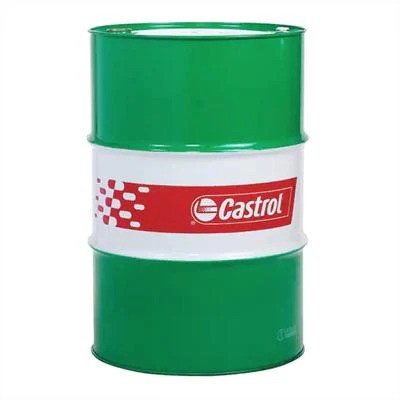
Pilot John International® (PJi®) is your trusted source for a comprehensive selection of premium-grade aircraft engine oils from industry leaders like AeroShell, Castrol, Eastman, and Phillips 66. Whether you're flying piston- or turbine-powered aircraft, we carry top-performing aviation oils to match your maintenance and performance needs.
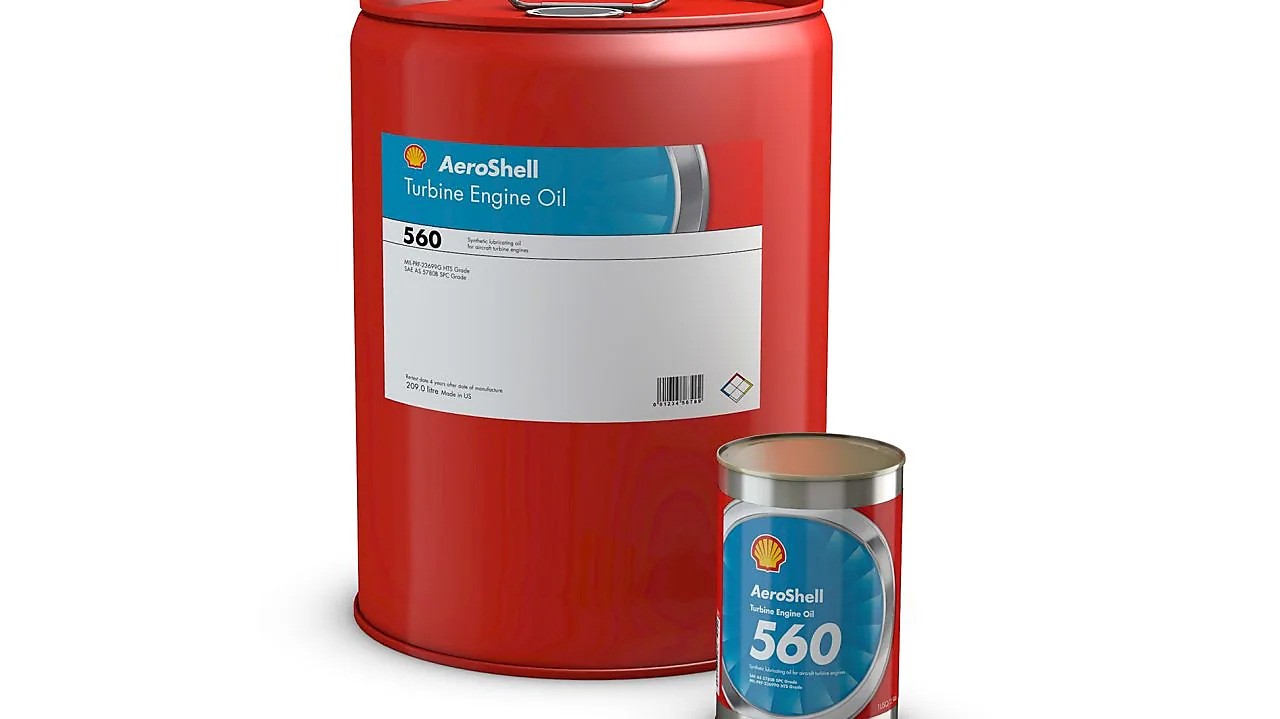
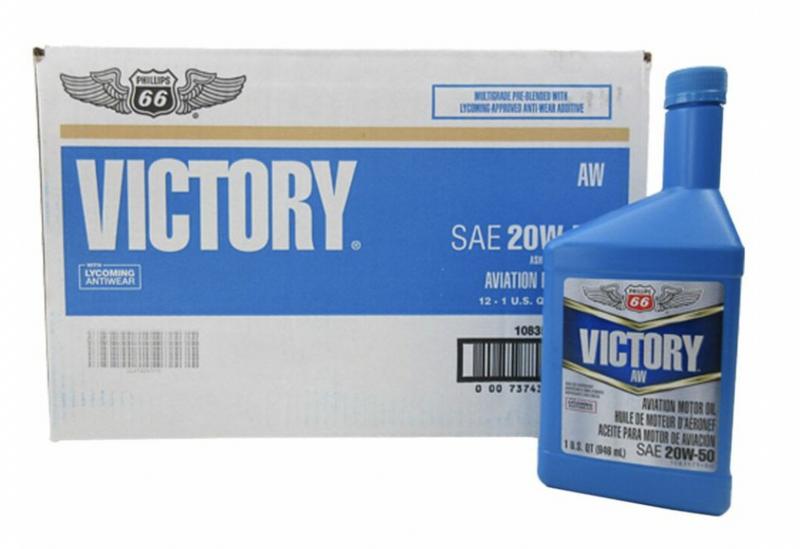
Our inventory includes popular piston-engine oils, such as AeroShell Oil W100 Plus, AeroShell Oil W 15W-50, and Phillips 66 Victory AW 20W-50, as well as turbine-powered platform oils such as AeroShell Turbine Oil 560, Castrol Aero J5, and Eastman Turbo Oil 2197.
Reach out to our knowledgeable aviation specialists by phone, email, or live chat for expert guidance in selecting the right aviation oil for your aircraft. We’re here to help you protect your engine, reduce maintenance costs, and fly with confidence.