






How to Prevent FOD Contamination During Aircraft Oil Servicing
Key Takeaways
- Aircraft oil system contamination falls into two categories: external debris introduced during servicing (dust, metal fragments, lint, hardware) and internally generated particles from bearing wear, seal deterioration, and oil degradation. Both types can cause progressive damage and shorten engine overhaul intervals.
- Contamination doesn't need to be visible to cause serious damage. Fine abrasive particles accelerate bearing fatigue and gear wear, clog filters, restrict oil flow, and create a self-reinforcing cycle where wear generates more contamination.
- One of the most common and overlooked contamination entry points is opening oil cans with improvised tools like screwdrivers, which shed metal fragments directly into the oil. Purpose-built tools like TheCanKey FOD-Free Turbine Oil Can Opener eliminate this risk entirely.
- Moisture is as damaging as particulate contamination – degrading lubrication properties, promoting corrosion, accelerating oil breakdown, and potentially supporting microbial growth. Proper container sealing, dry storage conditions, and periodic oil analysis are essential controls.
- Contamination prevention is a continuous process, not a single step. Pre-servicing preparation, proper equipment management during servicing, post-servicing inspections, and routine oil sampling and chip detector checks all contribute to a complete contamination control strategy.
- PJi supplies TheCanKey's full lineup of FOD-prevention tools – including the FOD-Free Can Opener, DustCap, and FunnelCap – purpose-built to standardize safe, contamination-free oil handling across flight lines and maintenance facilities.
Aircraft turbine engines operate with extremely tight tolerances. Bearings, gears, seals, and oil passages are engineered to handle high speeds, elevated temperatures, and significant loads – but they are not designed to tolerate contamination.
Even microscopic particles or trace amounts of moisture can compromise lubrication, accelerate wear, and shorten component life. That’s why preventing contamination during aircraft oil servicing is not just a housekeeping issue; it’s a direct contributor to engine reliability, safety, and long-term operating costs.
In this article, we’ll explore how contamination enters aircraft oil systems, how it affects turbine engine performance, and what maintenance teams can do to prevent foreign object damage (FOD) during routine oil servicing.
What Types of Contamination Can Enter an Aircraft Oil System?
Contamination in an aircraft oil system generally falls into two categories: external contamination and internally generated debris.
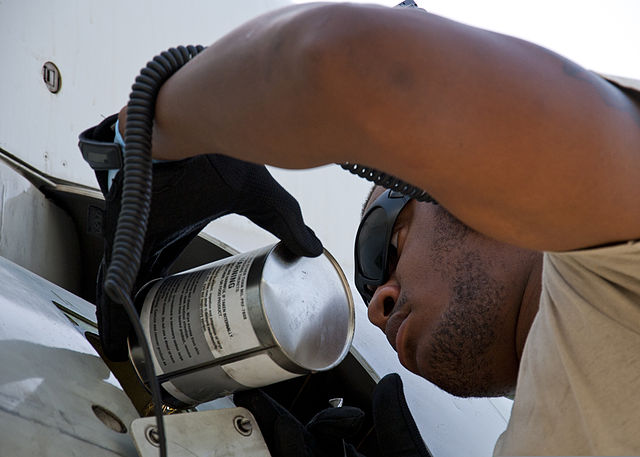
External contamination often occurs during servicing and handling. Dust, dirt, lint from shop rags, fragments of sealant or tape, safety wire tails, and even dropped hardware can enter through open filler caps or exposed service ports.
Poorly controlled oil handling – such as using dirty funnels, open containers, or shared transfer equipment – can introduce metal shavings, fibers, and airborne particulate directly into the oil stream.
Internally generated debris develops over time as components wear. Bearings and gears shed microscopic metal particles, deteriorated seals release fragments, and overheated oil can create carbon or coke deposits.
Oxidized metal particles from internal corrosion may also break loose and circulate within the system. Whether contamination originates outside the engine or from within, both visible and microscopic debris can move through the lubrication circuit and contribute to foreign object damage.
How Does FOD Impact Turbine Engine Performance and Reliability?
Foreign object damage in an oil system doesn’t have to involve large debris to cause serious problems. In fact, some of the most damaging contaminants are too small to see with the naked eye.
Fine particles can create abrasive wear between moving surfaces, accelerating bearing fatigue and gear degradation. Over time, this can lead to increased vibration, reduced efficiency, and premature component replacement. Contamination can also clog filters, restrict oil flow, and create localized hot spots within the engine.
When wear particles multiply, they create a cycle: contamination causes wear, and wear produces more contamination. Left unchecked, this can shorten overhaul intervals and increase maintenance costs. Preventing FOD during routine oil servicing is one of the most effective ways to protect turbine engine performance and reduce unscheduled maintenance events.
Where Does Contamination Most Commonly Occur During Oil Servicing?
Oil servicing may seem straightforward, but it can lead to contamination if proper controls are not in place.
One of the most common risk points is opening quart cans with improvised tools such as screwdrivers or knives. This practice can generate metal fragments that fall directly into the oil. Similarly, using unclean funnels, leaving containers uncapped, or pouring oil from open pails increases exposure to airborne contaminants.
Transfer hoses dragged across the ramp, couplings left uncovered, and servicing performed in windy or dusty environments further elevate risk. Oil servicing often occurs on the flight line, in hangars with active traffic, or in less-than-ideal weather conditions. Without a disciplined approach, these environmental factors can introduce FOD into the oil system before the engine is even started.

What Best Practices Should Technicians Follow Before Servicing Aircraft Oil?
Preventing contamination begins before the oil container is ever opened. Technicians should treat oil servicing as a controlled process rather than a routine top-off.
Start with a clean, dedicated work area free from loose hardware, debris, and unnecessary tools. Lay out only the items required for the task, and inspect them for cleanliness and integrity. Verify that the oil meets the correct specification, is within shelf life, and has been stored properly.
All containers, funnels, and transfer devices should be examined for cracks, loose particles, or signs of contamination. By applying the same discipline to oil servicing as to critical component installation, maintenance teams can significantly reduce contamination risk before oil reaches the engine.
How Should Oil Containers, Funnels, and Transfer Equipment Be Managed?
Effective contamination control depends heavily on how oil is stored, opened, and transferred.
Oil should remain in sealed, properly labeled containers until immediately before use. Transfer equipment must be dedicated to turbine oil and never shared with other fluids. Purpose-built funnel caps and closed dispensing systems help minimize exposure during pouring.
Makeshift tools and open-pour methods introduce unnecessary risk. Improvised openings can shed metal fragments, while uncovered funnels allow airborne particles to settle into the oil. Dust caps on couplings and adapters protect contact surfaces when not in use, preventing dirt from entering the system at connection points.
Proper storage is equally important. Containers should be kept in clean, dry, well-ventilated areas, separated from fuel, hydraulic fluid, and general shop equipment. Clear labeling and organized storage racks reduce cross-contamination and improve accountability.

Why Is Moisture Control Just as Important as Particulate Control?
While particulate contamination often receives the most attention, moisture can be just as damaging to turbine oil systems.
Water ingress can degrade lubrication properties, promote corrosion, and contribute to microbial growth in certain environments. Excess moisture also accelerates the chemical breakdown of oil, reducing its ability to protect critical engine components.
Moisture commonly enters through improperly sealed containers, exposure to rain or wash bays, or storage in high-humidity conditions. Keeping oil containers tightly sealed and stored in dry areas is essential. For larger operations, desiccant breathers, bulk storage filtration, and periodic oil analysis can help monitor and control water levels.
By addressing both particulate and moisture contamination, maintenance teams create a more comprehensive contamination control strategy.
What Post-Servicing Checks Help Ensure a Contamination-Free System?
Contamination prevention doesn’t stop once the oil is added. Post-servicing checks are critical for ensuring the system remains secure and FOD-free.
After servicing, technicians should inspect filler caps, dipsticks, and service ports to confirm proper installation and torque. Any loose hardware, rags, or spilled oil should be addressed immediately to prevent secondary contamination.
Confirming the correct oil type and quantity is essential, as is completing accurate logbook documentation. Proper documentation supports traceability and allows teams to identify patterns if contamination is later detected. A disciplined post-servicing inspection reinforces contamination control as a continuous process rather than a single event.
How Can Monitoring and Sampling Support Long-Term Contamination Control?
Even with strong preventative measures, monitoring remains key to long-term oil system health.
Midstream oil sampling helps avoid collecting settled debris that may not represent circulating conditions. Routine analysis can detect particulate levels, moisture content, and trends in chemical degradation. Chip detector inspections and filter analysis provide early warning of abnormal wear or recurring contamination issues.
If contamination is discovered, it’s important to analyze the root cause rather than simply replacing filters and moving on. Trends in debris or moisture may indicate handling practices, storage issues, or component wear that require corrective action. Ongoing monitoring strengthens preventative strategies and supports proactive maintenance decisions.
What Solutions Are Available to Help Aircraft Maintenance Technicians Prevent Contamination?
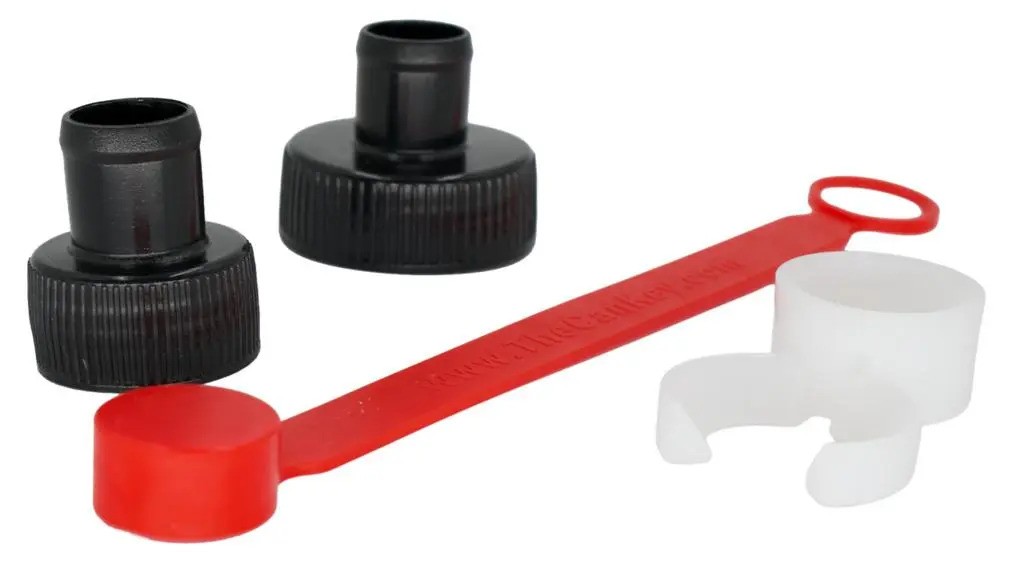
Purpose-built tools can dramatically reduce contamination risk during oil servicing. TheCanKey offers several FOD-focused solutions to replace outdated practices and create a cleaner, more controlled oil-handling process.
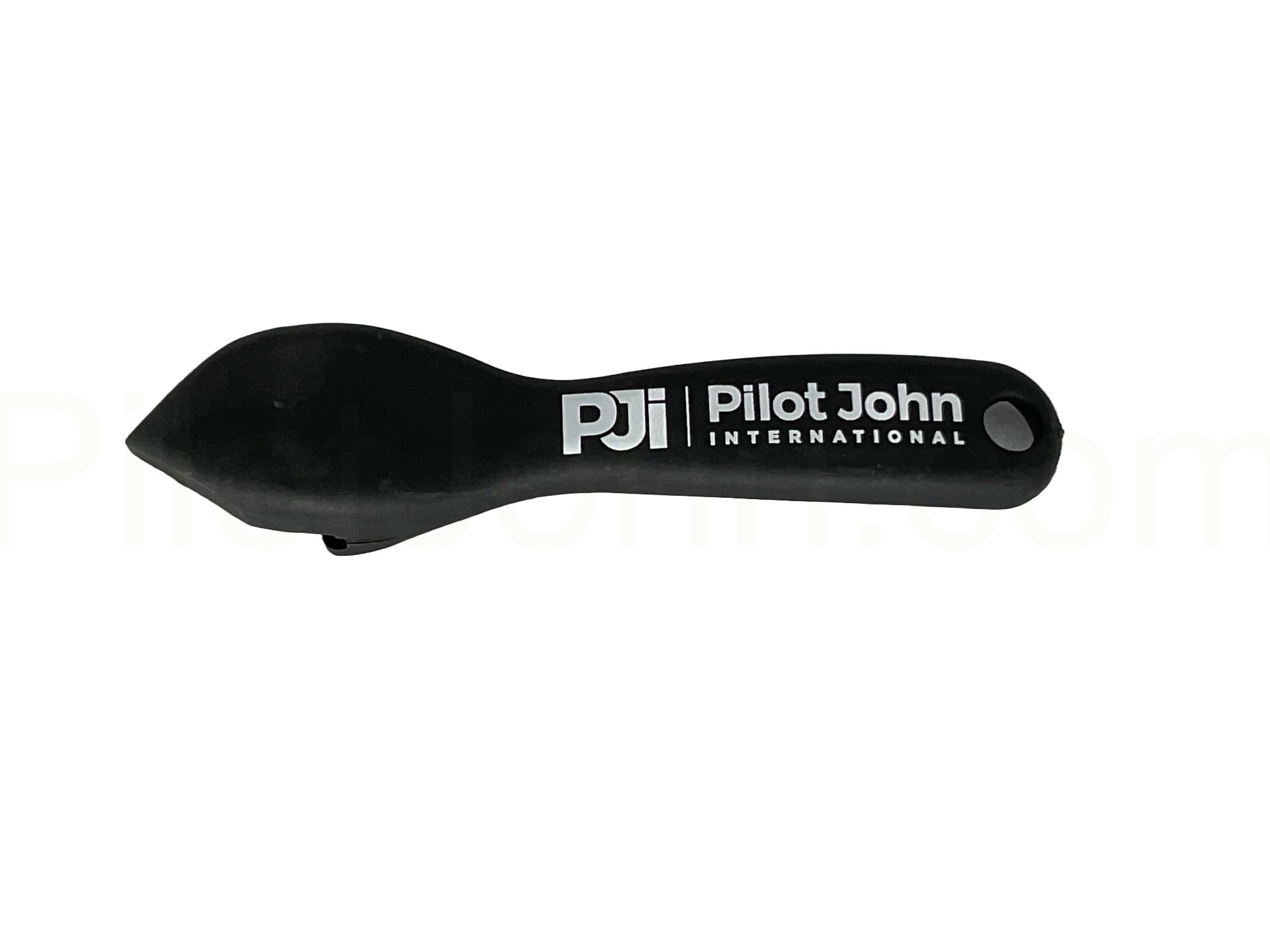
TheCanKey FOD-Free Turbine Oil Can Opener
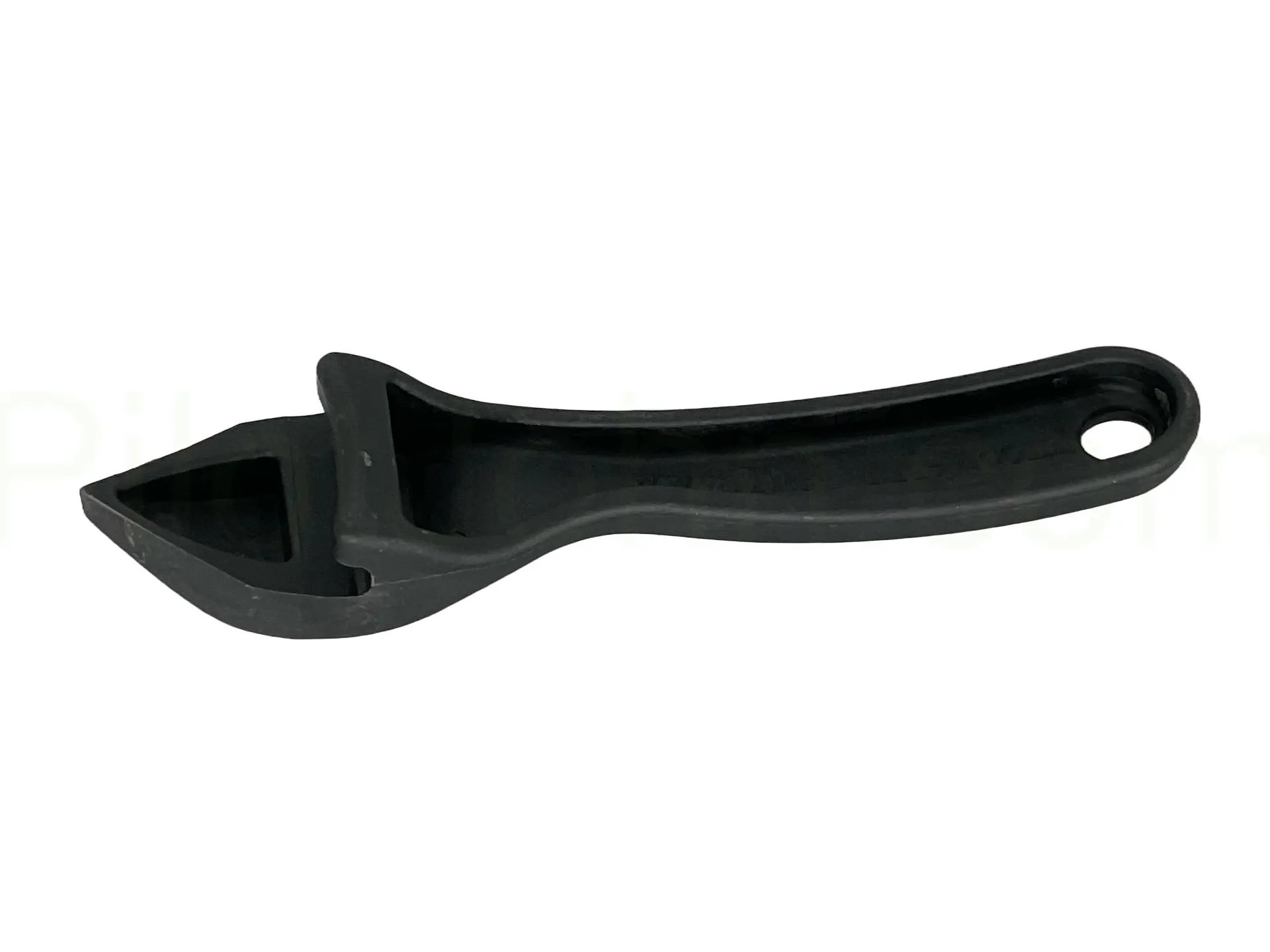
TheCanKey FOD-Free Turbine Oil Can Opener is engineered to eliminate the metal shavings commonly created by screwdrivers and improvised tools. Producing a clean, controlled opening prevents fragments from entering the oil before dispensing even begins.
Certified as FOD-free and widely adopted across aviation maintenance environments, this tool addresses one of the most overlooked contamination risks in oil servicing. It supports safer oil handling and helps standardize best practices across maintenance teams.
DustCap Oil Can Cap/Cover
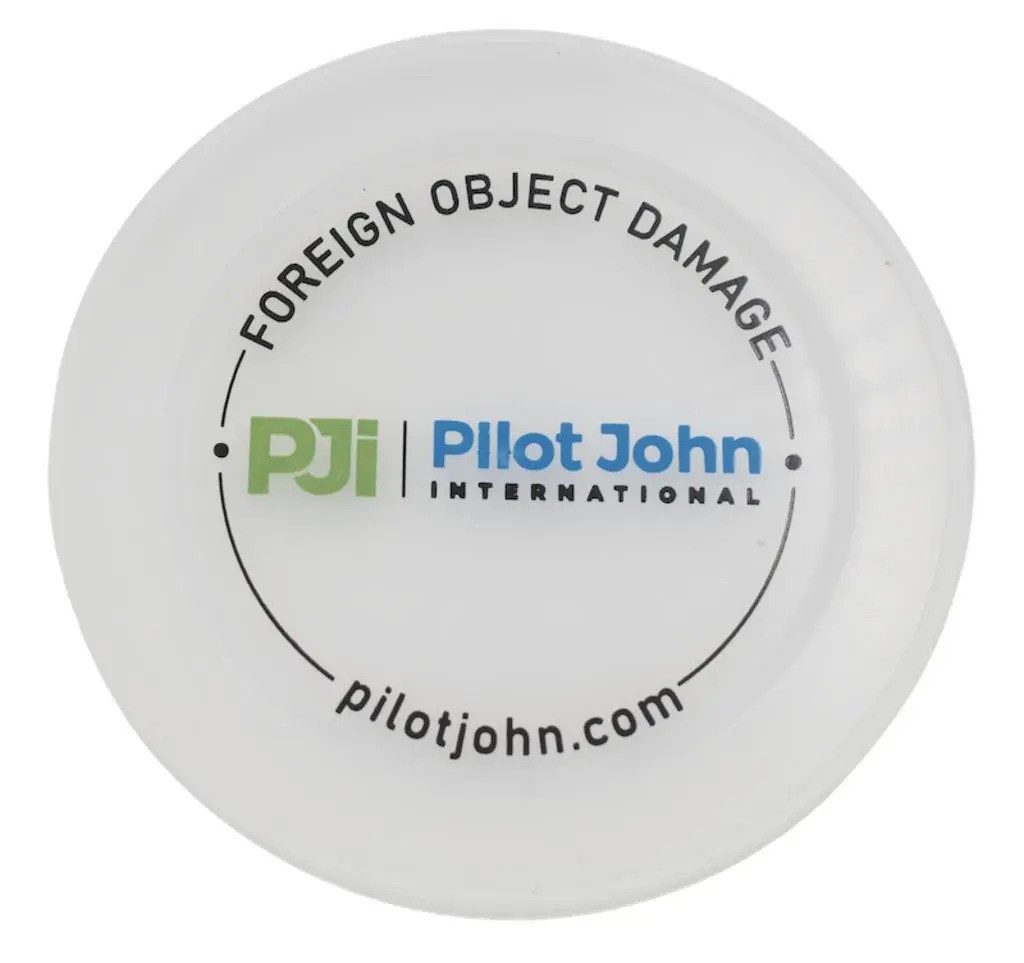
The DustCap Oil Can Cap/Cover helps protect opened oil containers from airborne contamination when not actively dispensing. Sealing the opening reduces exposure to dust, debris, and moisture between uses.
This simple but effective solution supports a closed handling process, particularly during line maintenance or high-traffic ramp operations. Keeping oil containers covered significantly reduces the risk of foreign-object intrusion.
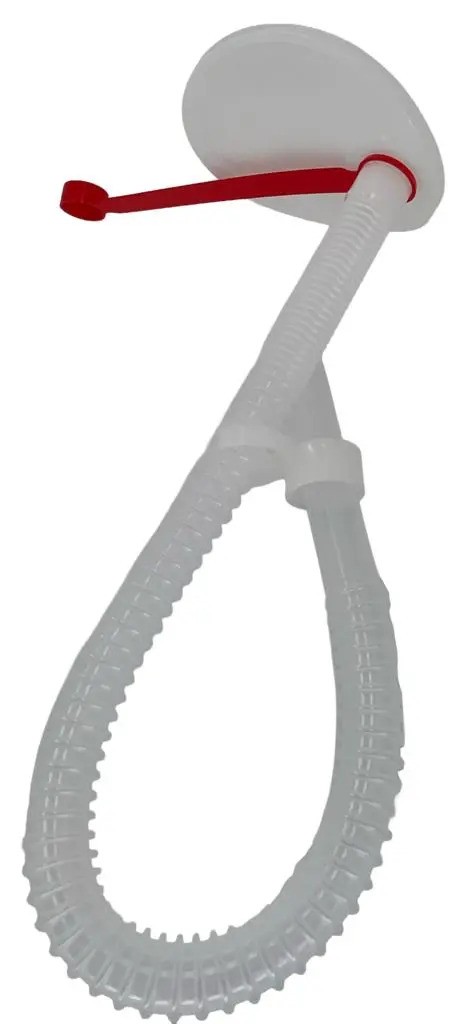
FunnelCap Oil Can Funnel Cap
The FunnelCap Oil Can Funnel Cap attaches directly to factory oil cans, enabling controlled dispensing without the need for a separate funnel. Available with either a quart can cover or bottle fittings, it helps maintenance teams maintain a closed transfer process across different container types.
Minimizing open-air pouring reduces the opportunity for particulate contamination during oil servicing. Purpose-designed equipment, such as the FunnelCap, replaces improvised methods and promotes consistency in fluid handling procedures.
The Bottom Line
Preventing contamination during aircraft oil servicing protects turbine engine components, reduces unscheduled maintenance, and supports long-term reliability. From disciplined work practices and proper storage to purpose-built FOD-prevention tools, every step in the process matters.
Pilot John International® (PJi®) is your trusted source for aircraft oil and hydraulic can openers, funnel caps, and dust covers from TheCanKey. These solutions help maintenance teams implement safer, contamination-free aircraft fluid servicing practices across flight lines and hangars alike. Contact PJi’s aviation specialists today by phone, email, or live chat for expert guidance on selecting the right contamination control tools for your operation.