The Crucial Role of Engine Oil in Aviation
Key Takeaways
- Engine oil serves three essential functions in aircraft engines: lubrication (reducing friction between moving parts), cooling (dissipating heat from combustion and friction), and protection (shielding metal surfaces from corrosion and contamination through specialized additives).
- Mineral-based oils are derived from crude oil and remain suitable for older piston-engine aircraft, but offer less performance and protection than synthetic alternatives.
- Synthetic and semi-synthetic oils provide superior lubrication across a wider temperature range, better wear and corrosion protection, and longer service life – with synthetics preferred for modern piston and turboprop engines and semi-synthetics offering a cost-effective middle ground.
- Ashless dispersant oils are formulated specifically to minimize deposit and sludge formation in high-performance piston engines, while turbine oils are engineered for the extreme temperatures and pressures of gas turbine engines in jet aircraft.
- PJi stocks a comprehensive selection of aviation engine oils for both piston and turbine applications, with specialists available to help identify the right oil type for your aircraft and operating environment.
In aviation, every component plays a critical role in ensuring safe and efficient aircraft operations. Among these, engine oil is particularly vital, as it directly impacts the performance and longevity of aircraft engines. Understanding the significance of engine oil and its effects on aircraft operations is paramount for pilots, maintenance crews, and aircraft owners alike.

An aircraft engine is a complex system of moving parts, all meticulously engineered to work together seamlessly. From piston engines to gas turbines, these mechanisms operate under extreme conditions, including high temperatures, pressures, and rotational speeds. Engine oil serves as the lifeblood of these systems, providing the necessary lubrication, cooling, and protection against wear and corrosion.
Lubrication is undoubtedly the most indispensable function of engine oil in aviation. As parts within the engine move against each other, friction inevitably occurs, leading to wear and potential damage. Engine oil forms a thin film between these moving parts, effectively reducing friction and minimizing wear. This extends the lifespan of engine components and ensures smooth, efficient operation, which is essential to maintaining optimal performance and safety during flight.
Furthermore, engine oil acts as a coolant, dissipating heat generated by the combustion process and friction within the engine. Efficient cooling is essential for preventing overheating, which can lead to engine failure and catastrophic consequences. Quality engine oils are formulated to withstand high temperatures without breaking down, maintaining their lubricating and cooling properties even under the most demanding operating conditions.
In addition to lubrication and cooling, engine oil also plays a pivotal role in protecting engine components from corrosion and contamination. Aircraft engines operate in diverse environments, from high-altitude skies to coastal regions with high salt content in the air. Without adequate protection, metal parts are susceptible to corrosion, which can lead to premature failure and safety risks. Engine oils are designed with additives that form protective barriers, shielding metal surfaces from corrosive elements and ensuring long-term durability.
When selecting engine oil for aviation applications, it's important to consider the different types available and their specific applications. Here are some common types of engine oils used in aircraft:
Mineral-Based Engine Oil

Traditional mineral-based oils are derived from crude oil and are suitable for older piston-engine aircraft. While they provide basic lubrication, mineral-based oils may not offer the same level of performance and protection as synthetic oils.
Synthetic Engine Oil
Synthetic engine oils are engineered for superior performance and durability. They offer excellent lubrication properties, even at extreme temperatures, and provide enhanced protection against wear and corrosion. Synthetic oils are commonly used in modern piston engines and turboprop aircraft.
Semi-Synthetic Engine Oil
Semi-synthetic oils combine mineral-based oil with synthetic additives to offer a balance of performance and affordability. They provide improved protection compared to mineral oils while being more cost-effective than full synthetic options. Semi-synthetic oils are suitable for a wide range of aircraft engines.
Ashless Dispersant Engine Oil
Ashless dispersant oils are specially formulated to minimize the formation of engine deposits and sludge. They are commonly used in high-performance piston engines and offer excellent protection against wear and corrosion.
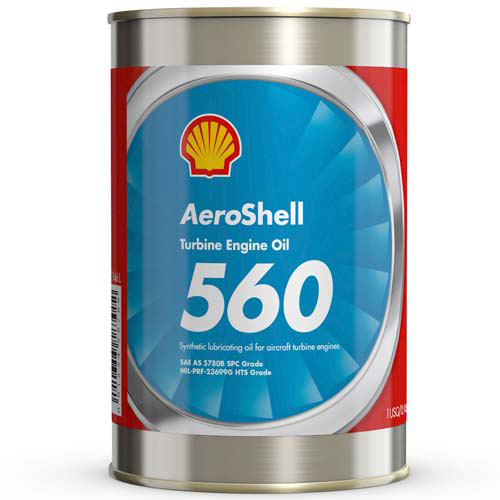
Turbine Engine Oil
Turbine oils are specifically designed for gas turbine engines, such as those found in jet aircraft. These oils are formulated to withstand the high temperatures and pressures encountered in turbine engines while providing exceptional lubrication and cooling properties.
The Bottom Line
Engine oil is a cornerstone of aviation maintenance and safety, playing a multifaceted role in ensuring the smooth and reliable operation of aircraft engines. From lubrication and cooling to corrosion protection, the benefits of quality engine oils are undeniable. By understanding the importance of engine oil and selecting the right type for your aircraft, you can uphold the highest safety and performance standards in your aviation operations.
Choosing the right engine oil for your aircraft is fundamental to maintaining optimum performance and reliability. Consulting with a reputable aircraft parts and ground support equipment (GSE) distributor, such as Pilot John International® (PJi®), is a first step in the right direction. Reach out to our friendly and knowledgeable aviation specialists today!