Essential Principles of Aircraft Engine Lubrication
Key Takeaways
- Aviation lubricants perform four essential functions simultaneously – reducing friction between moving parts, sealing the piston-cylinder interface to maintain compression, dissipating heat away from high-temperature components, and suspending contaminants to keep the engine clean.
- Oil viscosity is one of the most critical selection factors in engine lubrication – too low, and the oil film fails to protect surfaces under load, too high, and internal drag reduces engine efficiency, making proper viscosity matching to operating conditions essential.
- The viscosity index (VI) measures how stable an oil's flow characteristics remain across temperature changes – a higher VI means more consistent lubrication from cold engine starts through fully warmed operating temperatures, and VI improver additives help maintain this stability.
- Aviation engine oils rely on a carefully balanced additive package – including detergents, dispersants, anti-wear agents, anti-foaming compounds, and oxidation inhibitors – to extend protection, reduce deposit formation, and improve performance between oil change intervals.
- Aircraft engines use either a wet sump system – where oil is stored and circulated directly from a sump at the engine base – or a dry sump system with a separate reservoir, the latter offering better cooling, higher oil capacity, and improved performance in high-performance aircraft.
- Pilot John International carries a comprehensive selection of premium aviation oils for both turbine and piston engines from AeroShell, Castrol, Eastman, and Phillips 66, alongside a full range of aircraft consumables, including greases, hydraulic fluids, anti-corrosion lubricants, and fuel additives.
Proper engine lubrication is one of the most critical aspects of aircraft maintenance, directly impacting engine performance, longevity, and safety. Aviation oils and lubricants serve multiple essential functions, including reducing friction, cooling engine components, and preventing contamination buildup. Without an effective lubrication system, an aircraft engine would quickly overheat, suffer from excessive wear, and experience premature failure.
In this article, we’ll explore the fundamental principles of aircraft engine lubrication, the primary functions lubricants perform, and why selecting the right aviation oil is essential for optimal engine performance and longevity.
What Major Functions Do Lubricants Perform in Aircraft Engines?
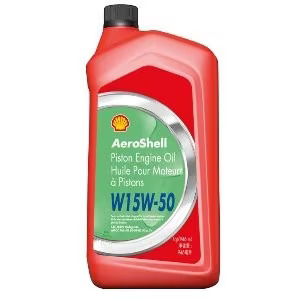
Aircraft lubricants perform several essential functions to ensure engine efficiency and longevity. First, they reduce friction between moving parts, preventing excessive wear and tear that could lead to premature engine failure. Second, they provide a gas seal between the piston and cylinder walls, helping to maintain optimal compression and engine efficiency.
Additionally, lubricants play a crucial role in cooling the engine by dissipating heat away from high-temperature components. They also help remove contaminants such as dirt, carbon deposits, and metal particles, ensuring that the engine remains clean and free from harmful debris. By lubricating, cooling, sealing, and cleaning, aviation oils help maintain smooth engine operations while protecting components from corrosion and degradation.
What Are the Different Types of Friction That Occur in Aircraft Engines?
Three main types of friction occur within an aircraft engine: sliding, rolling, and wiping friction. Sliding friction happens when two surfaces move against each other, such as the piston moving within the cylinder. Rolling friction occurs between rolling elements like bearings and their races, helping to facilitate smooth engine function.
Wiping friction happens when surfaces interact under pressure, such as in gear trains and camshaft lobes. Each type of friction affects the efficiency and wear rate of engine components, making it essential to use high-quality aviation oil to reduce resistance and ensure smooth performance.
How Does Aviation Oil Seal an Aircraft Engine?

Aviation oil forms a protective layer between the piston rings and cylinder walls, creating an airtight seal that prevents gas leakage. This seal is crucial for maintaining proper compression and ensuring efficient combustion, which directly affects engine power output and fuel efficiency.
Without an effective seal, combustion gases could escape, reducing engine efficiency and increasing fuel consumption. High-quality aviation oil with the correct viscosity helps maintain this seal, ensuring the engine runs efficiently and remains well-protected against wear and tear.
How Do Aviation Lubricants Keep an Engine Cool?
Aircraft engines generate a significant amount of heat during operation, making proper cooling essential to prevent overheating and component failure. Aviation lubricants absorb excess heat from engine components and transport it to the oil cooler, where it dissipates safely.
By reducing friction and acting as a heat transfer medium, lubricants help prevent hotspots from forming in critical engine areas. This cooling effect is vital for ensuring consistent performance and preventing damage to engine components, particularly in high-performance aircraft operating under demanding conditions.
What Are the Benefits of Using a Lubricant That Cleans the Engine?
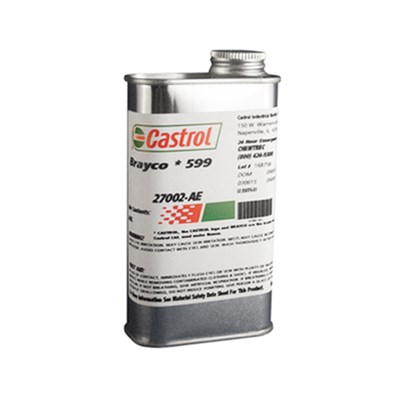
One key benefit of high-quality aviation oil is its ability to clean engine components by suspending contaminants and preventing deposits from forming. Over time, dirt, carbon particles, and metal shavings can accumulate in the engine, potentially leading to clogs, increased wear, and reduced efficiency.
Lubricants with strong detergent and dispersant properties help remove these contaminants, keeping the engine clean and reducing maintenance requirements. A clean engine runs more efficiently, experiences less friction, and ultimately enjoys a longer service life.
What Are the Lubricating Properties of Aviation Oil?
Aviation oil exhibits different types of lubrication properties that protect engine components from wear. These include boundary, dynamic, hydrodynamic, and elastohydrodynamic lubrication.
Boundary lubrication occurs when a thin layer of oil separates moving surfaces under heavy loads, while dynamic lubrication ensures a continuous oil film under normal operating conditions. Hydrodynamic lubrication creates a protective oil film at high speeds, and elastohydrodynamic lubrication occurs in high-pressure areas like camshafts and bearings. Each type of lubrication plays a role in ensuring smooth engine performance and longevity.
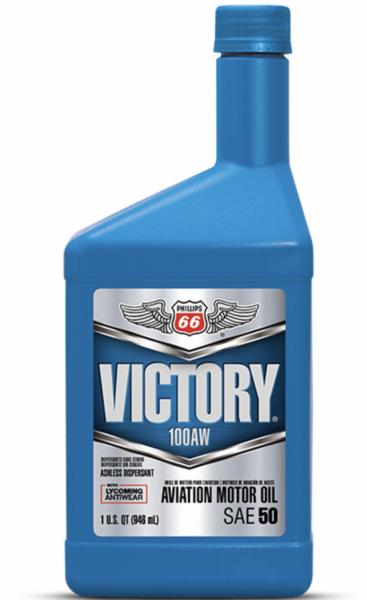
How Does Oil Viscosity Affect Aircraft Engine Lubrication?
Viscosity refers to an oil’s resistance to flow and is a crucial factor in engine lubrication. The right viscosity ensures that the oil can effectively lubricate moving parts, providing sufficient film thickness while minimizing internal drag.
If the viscosity is too low, the oil may not provide adequate protection, leading to increased wear. Conversely, if the viscosity is too high, it can cause excessive resistance and reduce engine efficiency. Choosing the correct viscosity for your aircraft's operating conditions is essential for optimal performance and protection.
What Is an Oil’s Viscosity Index, and How Can It Be Improved?
An oil’s viscosity index (VI) measures how much its viscosity changes with temperature fluctuations. A higher viscosity index means the oil maintains stable viscosity across a wider temperature range, providing better protection in extreme conditions.
Viscosity index improvers, often added to aviation oils, help enhance an oil’s ability to maintain optimal flow characteristics in both hot and cold environments. This ensures consistent lubrication and prevents performance issues caused by temperature variations during flight.
How Do Additives Improve the Performance of Aviation Oil?
Aviation oil additives improve their overall performance by enhancing specific properties such as oxidation resistance, anti-wear protection, and corrosion prevention. Additives like detergents and dispersants help keep the engine clean, while anti-foaming agents prevent excessive air bubbles from forming in the oil.

Other additives improve thermal stability, reduce sludge buildup, and enhance lubrication under extreme pressure. Selecting an aviation oil with the right blend of additives ensures better engine protection and extended maintenance intervals.
How Often Should Aircraft Engine Oil Be Changed?
The frequency of engine oil changes depends on the aircraft type, operating conditions, and manufacturer recommendations. Generally, aviation experts recommend changing engine oil every 25 to 50 flight hours or as specified in the aircraft’s maintenance manual.
Regular oil changes help maintain engine cleanliness, prevent contamination buildup, and ensure consistent lubrication performance. Monitoring oil condition through routine inspections and oil analysis can further help determine the best oil change intervals for your aircraft.
What Are the Two Types of Engine Lubrication Systems, and How Do They Work?
Aircraft engines typically use either a wet sump or dry sump lubrication system. In a wet sump system, the engine stores oil in an integrated sump at the bottom of the engine, where it is directly circulated to lubricate components.
A dry sump system, on the other hand, stores oil in a separate reservoir and pumps it through the engine. This design allows for better cooling, increased oil capacity, and improved performance, making it common in high-performance aircraft.
Why Is It Essential to Use High-Quality Aviation Oil in Your Aircraft Engine?
Using high-quality aviation oil is crucial for protecting your engine, reducing wear, and ensuring optimal performance. Low-quality or improperly formulated oil can lead to increased friction, poor lubrication, and potential engine damage.
Premium aviation oils are specifically designed to withstand the demands of aircraft engines, providing superior protection against oxidation, thermal breakdown, and deposit formation. Investing in high-quality oil helps extend engine life and ensures reliable operation under all flight conditions.
The Bottom Line

Proper lubrication is essential to maintaining an aircraft engine’s efficiency, reliability, and safety. Regular oil changes, selecting the correct viscosity, and using high-quality aviation lubricants ensure smooth engine performance and longevity.
Pilot John International® (PJi®) offers a comprehensive selection of premium aviation oil for aircraft turbine and piston engines, from industry-leading manufacturers like AeroShell, Castrol, Eastman, and Phillips 66.
We also provide a wide range of top-quality aircraft consumables, including aviation grease, hydraulic fluid, lubricating oils, anti-corrosion lubricants like ACF-50 and Corrosion Block, and jet fuel additives from Biobor, Hammonds, and Prist.
Our knowledgeable aviation specialists can assist you in selecting the best lubricants for your aircraft maintenance needs. Contact us via phone, email, or chat today!