






Comprehensive Guide to Aircraft Spark Plug Maintenance
Key Takeaways
- Consistent spark plug maintenance – including cleaning, gapping, testing, and rotation – is one of the most cost-effective ways to protect the reliability of your ignition system and extend the service life of your plugs.
- FAR 43 Appendix A permits aircraft owners and operators to perform spark plug inspection, cleaning, gapping, and replacement as preventative maintenance without direct supervision by a certificated mechanic.
- Each aircraft spark plug fires approximately 6 to 8 million times per 100 hours of operation, withstanding combustion pressures up to 2,000 PSI, temperatures exceeding 3,000°F, and voltages exceeding 18,000 volts.
- Any aircraft spark plug with internal resistance exceeding 5,000 ohms should be removed from service and replaced – a new plug typically reads between 1,000 and 1,200 ohms.
- Rotating spark plugs at every service interval – moving them between cylinders and swapping top and bottom positions – balances electrode wear caused by constant magneto polarity and can significantly extend plug service life.
Why Aircraft Spark Plugs Demand Regular Attention
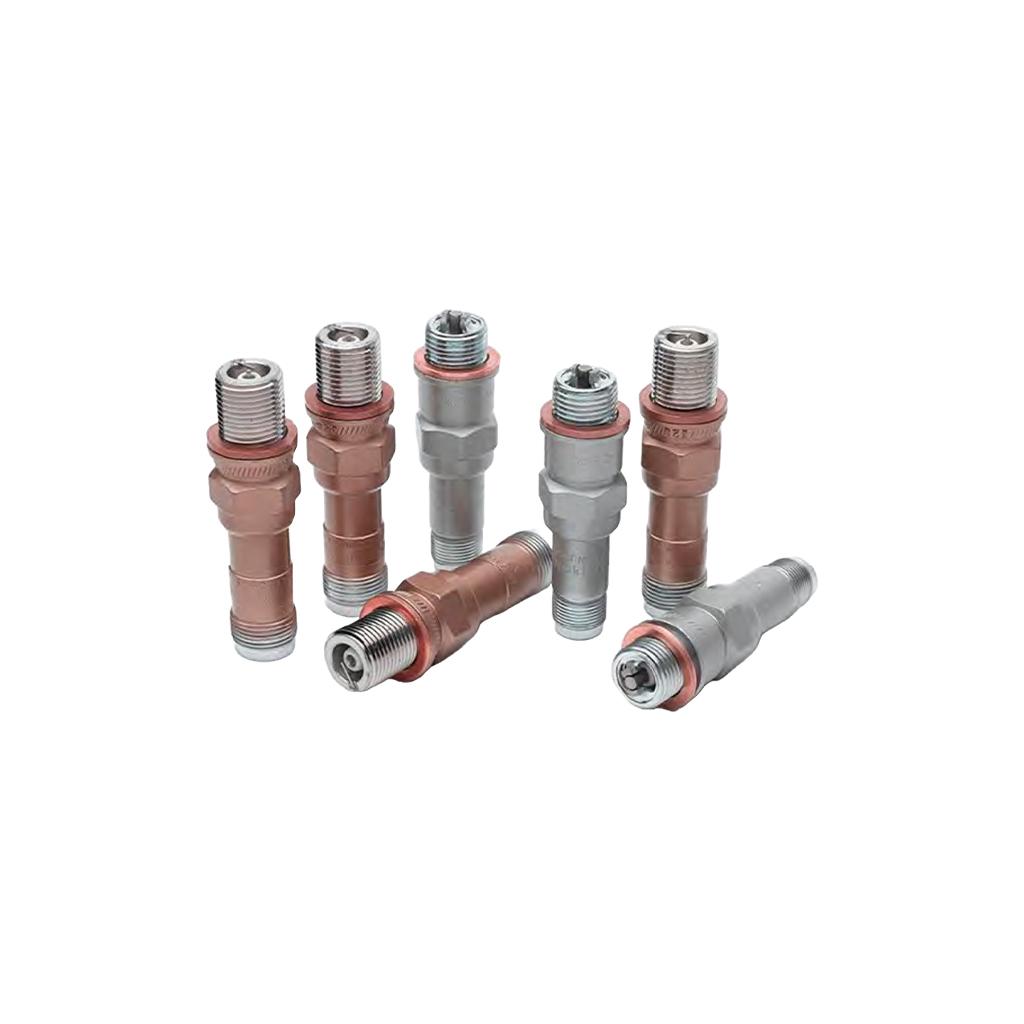
The piston aircraft engine operates on one fundamental principle: burn a compressed air-fuel mixture to produce power. The spark plug is the device that initiates that process on every power stroke, in every cylinder, for every hour of flight. By 100 hours of operation, each plug in a four-cylinder engine has fired somewhere between 6 and 8 million times, doing so under combustion pressures of 2,000 PSI, temperatures exceeding 3,000°F, and voltages exceeding 18,000 volts.
Under those conditions, even a well-built aircraft spark plug accumulates deposits, loses electrode material, and drifts gradually out of specification. What makes routine ignition system servicing so valuable is precisely this: problems develop slowly and silently, often without obvious symptoms, until they become serious.
A plug with excessively high internal resistance may not visibly misfire at low power – but it can establish an electrical discharge path that eventually damages a magneto distributor cap and rotor, an expensive proposition that a simple resistance check would have caught first. Catching ignition problems during a scheduled inspection, rather than at failure, is almost always less expensive and more informative.
Champion Aerospace has been the first choice of aviation maintenance technicians for general aviation spark plugs since the earliest days of flight. Its massive-electrode and Iridium "S" fine-wire designs are available through Pilot John International® (PJi®), alongside the complete Champion tooling and accessory lineup needed to service them properly.
What Your Aircraft Spark Plugs Are Telling You
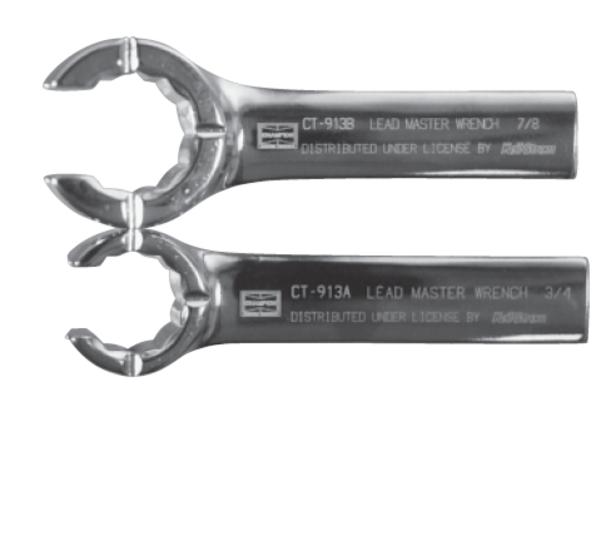
Before any cleaning or gapping begins, the physical condition of each plug warrants careful review. Remove plugs using a six-point, deep-reach 7/8" socket – the Champion CT-907 Magnetic Spark Plug Socket is purpose-built for shielded aviation spark plugs and holds the plug firmly with a built-in Alnico magnet, preventing drops. Always use the Champion CT-913A-B Lead-Master Wrenches when removing and reconnecting ignition leads; using a single wrench risks twisting the lead and damaging internal wiring. Once removed, place each plug immediately in a numbered spark plug tray to preserve cylinder position information for rotation purposes and prevent damage from rolling off the workbench.
A 10X magnifying glass in good lighting reveals the story each plug tells. Normal plugs appear dry with light tan, gray, or brown deposits and only minor electrode wear – the expected result of a properly tuned engine. Sooty, black carbon deposits point to an overly rich mixture or excessively low-power ground operation.
Glassy, bead-like lead deposits indicate incomplete combustion or a mismatch in heat range. Oil-fouled plugs – wet and darkly coated – suggest worn piston rings or valve guides and call for a compression check on the affected cylinder. A white or very light gray insulator tip may indicate a lean-running condition and warrants further investigation.
Any plug with a cracked or chipped ceramic insulator must be discarded without exception. Cracked insulators compromise heat transfer from the center electrode, creating conditions that can lead to preignition and cylinder damage. The same rule applies to any plug dropped on a hard surface: the ceramic can fracture internally without any visible sign, making the plug unsafe to reinstall. Discard it.
Aircraft Spark Plug Maintenance: From Cleaning to Gapping
Proper cleaning depends on the plug type and the nature of the deposits present.
For massive-electrode plugs with significant lead buildup, the Champion 2600A Domestic Spark Plug Vibrator Cleaner is the correct starting point. Its high-frequency vibration action breaks loose hardened lead deposits that abrasive blasting alone cannot always remove. Following vibration cleaning, a brief abrasive blast using Champion 91893 Abrasive Compound removes remaining carbon and surface contamination.
Keep blast sessions short – just a few seconds while rotating the plug – to avoid unnecessary electrode and insulator wear. Never use glass beads as blast media. Glass beads can wedge into the narrow gap between the center electrode and ceramic insulator, and as engine temperatures rise during operation, those particles can either melt into a conductive film that causes misfiring or fall free into the cylinder itself. Use only approved spark plug abrasive compound, and replace it after cleaning approximately 75 to 100 plugs rather than adding fresh compound to degraded media.
Fine-wire (iridium) aircraft spark plugs require a different approach to ignition maintenance. Their construction differs from that of massive-electrode plugs in ways that make them far more vulnerable to glass-bead contamination and abrasive damage. For light deposits, a gun-cleaning solvent applied with a pick or a soft swab is usually sufficient, with no abrasive cleaning required. If abrasive blasting is genuinely necessary, use only approved spark plug abrasive at the lowest effective pressure, limit exposure to one or two seconds, and never use glass beads under any circumstances.
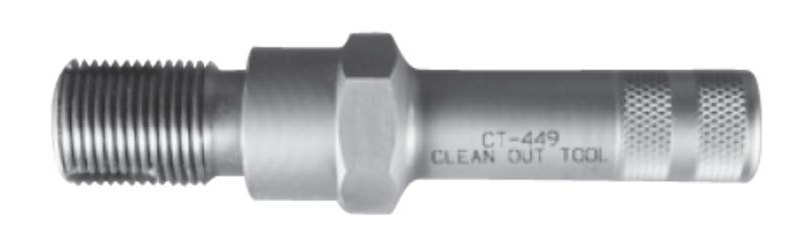
Thread cleaning deserves equal attention. The Champion CT-449 Thread Clean-Out Tool removes carbon and lead deposits from the cylinder head spark plug bosses, ensuring plugs seat properly and can be torqued to specification. If a plug cannot be threaded into the boss most of the way by hand, the boss threads need cleaning before installation proceeds.
Electrode gap setting for massive-electrode plugs requires a round wire feeler gauge and a dedicated gap-setting tool. Champion offers the CT-415AV for hand or bench use and the 2500A for permanent bench mounting. For most massive-electrode plugs, the recommended gap falls between .016" and .021"; Lycoming specifies .016" to .021" while Teledyne Continental Motors recommends .015" to .018". Always verify the specific setting in the aircraft and engine maintenance manual.
When adjusting, work only the ground electrode, and never leave the feeler gauge between the electrodes during adjustment – side loading on the center electrode can crack the ceramic insulator. For fine-wire plugs, use only the Champion CT-457 Fine-Wire Gap-Setting Tool, which features two slot sizes to safely fit all platinum or iridium ground electrodes. Handle the electrode with care.
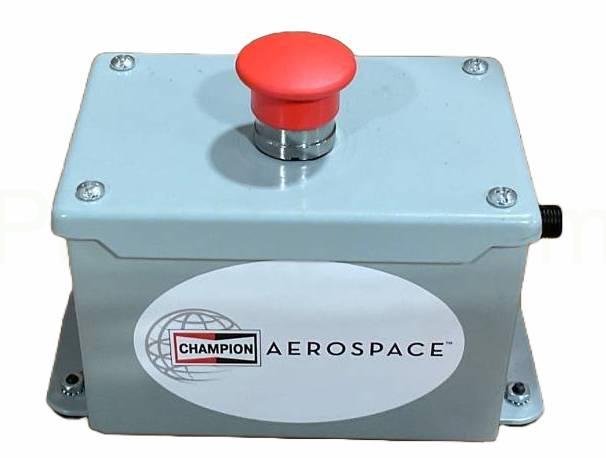
After cleaning and gapping, test each plug with an ohmmeter. Measure the resistance between the ignition lead terminal and the center electrode; any reading above 5,000 ohms indicates the plug is unserviceable and should be replaced. A pressure test – using a "bomb tester" that applies regulated air pressure along with high voltage to simulate combustion conditions – provides the most complete confirmation that a plug will perform reliably in service. Spark plug cleaner/tester voltage controls and pressure gauges should be recalibrated every 12 months or per manufacturer instructions to maintain accuracy.
Rotation, Anti-Seize, and Proper Reinstallation
Rotating aircraft spark plugs at every service interval is essential for maximum plug and engine life. Because magneto spark polarity is fixed per lead position, plugs in certain positions always fire from the center electrode to the ground electrode, while others fire in the opposite direction, wearing each electrode type unevenly over time. Rotating plugs between cylinders – following the manufacturer's recommended firing-order sequence and simultaneously swapping top and bottom positions – reverses those wear patterns and distributes erosion evenly across the full set. The Champion Aviation Service Manual details the correct rotation sequence for both four- and six-cylinder engines.
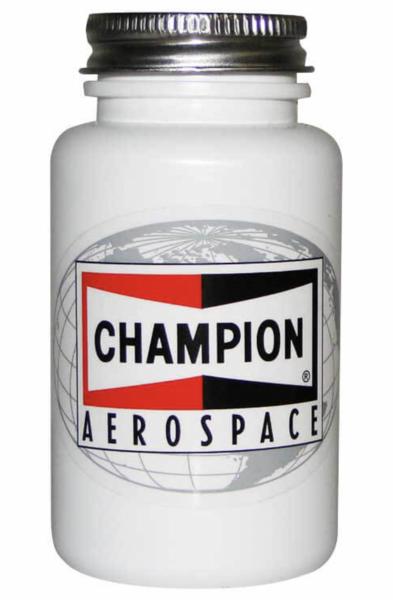
Before installation, apply a thin coat of Champion 2612 Spark Plug Thread Lubricant to the firing-end threads. This high-temperature, graphitized lubricant prevents galling and seizure without compromising the plug's heat-transfer path. Keep the first two threads on the firing end completely free of lubricant – any compound that enters the combustion chamber can cause misfiring or create conductive hot spots on the electrode. Never apply anti-seize compound to the shielding barrel terminal threads.
Install a fresh copper gasket with every reinstallation. Gaskets harden with repeated heat cycling and lose their ability to provide a proper compression seal, thereby degrading the plug's primary heat transfer path to the cylinder head. At a few cents per gasket, this is inexpensive protection. If the cylinder is equipped with a thermocouple-style CHT gasket, no additional copper gasket is required.
Hand-tighten the plug first to confirm it threads cleanly – resistance partway in signals dirty or damaged boss threads. Use a calibrated torque wrench for final installation: Lycoming specifies 420 in-lb (30 to 35 ft-lb); Continental specifies 300 to 360 in-lb (25 to 30 ft-lb). The Champion CT-906 Plug Master Ratchet Wrench, with its flex-handle and fine-tooth reversible ratchet that requires only six degrees of travel, makes torquing fast and accurate, even in tight engine compartments. Reconnect ignition leads using the CT-913A-B Lead-Master Wrenches – tighten the connector nut without allowing the lead to twist – and always perform a complete magneto check before returning the aircraft to service.
The Bottom Line
Aircraft spark plug maintenance is among the most accessible and highest-value tasks in piston engine care. Done consistently – every 50 to 100 hours – it guards against ignition failures, provides early warning of developing engine problems, and extends the service life of both the plugs and the magneto systems they work with. The tools required are specialized but affordable, and the skills involved are within reach of any conscientious owner or technician.
PJi provides Champion spark plugs for a wide range of general aviation aircraft, along with Champion's complete servicing tool lineup – including vibrator cleaners, abrasive lubricants and compounds, gap-setting tools for both massive-electrode and fine-wire plugs, thread clean-out tools, spark plug trays, and Lead-Master wrenches. Whether you're equipping a maintenance shop or restocking a workbench, our aviation specialists are here to help you identify the right tools for your operation.
Contact PJi today by phone, email, or live chat for expert guidance on aircraft spark plug maintenance tools and equipment. Stay Flight-Ready® with Champion ignition products from PJi.
Frequently Asked Questions
How often should aircraft spark plugs be serviced?
Aircraft spark plug maintenance should be performed at every 50-hour inspection, and no less frequently than at the annual or 100-hour inspection. Operators who experience frequent lead fouling may benefit from inspecting plugs more frequently. Waiting for symptoms to develop before pulling plugs is a common mistake – by then, a fouled or high-resistance plug may have already put unnecessary stress on the magneto system.
Can an aircraft owner perform spark plug maintenance without a mechanic?
Yes – under 14 CFR Part 43, Appendix A, spark plug cleaning, gapping, and replacement are specifically listed as preventative maintenance that an aircraft owner or operator may perform on their own aircraft without supervision from a certificated mechanic. That said, owners should obtain proper instruction before attempting the task for the first time, ensure the correct tools are available, and always consult the aircraft and engine maintenance manuals for specifications. Maintenance and troubleshooting involving the ignition harness or magnetos must be performed by a qualified technician.
What does the appearance of an aircraft spark plug reveal about engine health?
Spark plug inspection is one of the most useful diagnostic tools for monitoring piston engine health. Normal plugs show light tan or gray deposits with minor electrode wear. Black, sooty carbon deposits indicate a rich mixture or excessive ground idling; glassy lead deposits suggest an incorrect heat range or incomplete combustion; wet, oily plugs point to worn piston rings or valve guides; and white or very light gray insulators may indicate a lean-running condition. Consistent patterns across multiple cylinders suggest a systemic issue, while isolated findings in a single cylinder narrow the diagnosis to that specific bore.
What is the correct gap setting for aircraft spark plugs?
Gap specifications vary by engine manufacturer and plug type, so always verify against your aircraft maintenance manual before setting gaps. As a general reference, Lycoming engines typically specify a gap of .016" to .021" for massive-electrode plugs, while Teledyne Continental Motors recommends a gap of .015" to .018". Fine-wire plugs have their own gap specifications and require a dedicated fine-wire gap-setting tool. Always measure with a round wire feeler gauge and adjust the ground electrode only – never place the gauge between the electrodes during adjustment, as this can crack the ceramic insulator.
When should an aircraft spark plug be replaced rather than serviced?
An aircraft spark plug should be discarded any time it has been dropped on a hard surface, regardless of whether visible damage is apparent. Other mandatory replacement conditions include internal resistance above 5,000 ohms, a cracked or chipped ceramic insulator, severe electrode erosion where the electrode has worn to approximately half its original dimension, damaged or stripped threads, or any sign of deformity or misuse detected during inspection. No amount of cleaning or gapping restores a plug that fails any of these criteria.
What is the difference between massive-electrode and fine-wire aircraft spark plugs?
Massive-electrode plugs are the standard design for general aviation piston engines and can be cleaned, abrasive-blasted, and re-gapped with conventional tools. Fine-wire plugs – including iridium-tipped designs – feature much smaller, more precisely formed electrodes that resist lead fouling better and offer a longer service life, often three to four times that of massive-electrode plugs in high-performance applications. Fine-wire plugs require careful handling: they should not be cleaned with glass bead media, require a dedicated fine-wire gap-setting tool for any gap adjustment, and the iridium electrode can fracture if overworked or bent excessively. Champion offers both massive-electrode and Iridium "S" fine-wire designs, along with the specific tooling required for each.
Why is it important to use a spark plug tray during aircraft spark plug maintenance?
A spark plug tray organizes each plug by its exact cylinder position – top or bottom, cylinder number – throughout the entire servicing process. This is essential for two reasons: first, it allows technicians to compare plug condition across all cylinders and identify patterns that may indicate cylinder-specific problems; second, it makes proper rotation straightforward, eliminating the risk of reinstalling plugs in the wrong position. A plug that rolls off a bench and is dropped must be discarded, making a tray important for protection as well. Champion spark plug trays are available through PJi in configurations for both four- and six-cylinder engine applications.