




Effective Strategies for Preventing Foreign Object Debris
Key Takeaways
- Foreign object debris – ranging from loose hardware and tire fragments to natural debris and personal items – costs the aviation industry an estimated $4 billion annually in direct repairs, operational delays, and aircraft grounding.
- FOD damage can affect everything from engines and tires to pitot tubes, static ports, and flight control surfaces, making prevention a safety-critical priority – not just an operational one.
- The most effective FOD prevention programs combine regular employee training, daily airside inspections, airfield sweeping programs, strategically placed FOD disposal bins, and clear communication among all airport stakeholders.
- Seasonal conditions, construction activity, and uncontrolled contractors are among the most underestimated FOD risk factors – each requiring specific protocols to prevent debris from entering operational areas.
- Protective covers from Sesame Technologies shield sensitive aircraft components – including engines, pitot probes, static ports, AOA sensors, TAT sensors, and ice detector sensors – from both FOD damage and environmental exposure while aircraft are on the ground.
- Pilot John International carries the full lineup of Sesame Technologies protective covers, with aviation specialists available to help operators identify the right solutions for every aircraft in their fleet.
Foreign object debris (FOD) is a constant concern in the aviation industry, as even small debris can be catastrophic to aircraft. FOD damage can result in costly repairs, operational delays, and safety hazards, making prevention crucial to maintaining aircraft integrity and passenger, crew, and ground personnel safety.
In this article, we will take a closer look at foreign object debris, discussing its impact on aviation, common causes, and preventative measures. We’ll also discuss how airport operators and ground crews can work together to minimize FOD-related risks and highlight the importance of using protective covers from Sesame Technologies, Inc. to shield sensitive aircraft components from FOD damage.
What Is Foreign Object Debris?

Foreign object debris refers to any object, material, or substance found on airport surfaces, including runways, taxiways, ramps, and aprons, that can pose a threat to aircraft safety, operations, and the environment by potentially causing damage to aircraft.
Common examples of FOD include metal fragments, tools, stones, plastic debris, and even wildlife. Foreign object debris can range in size from small items like loose screws or rocks to larger objects such as aircraft parts, all of which can be harmful if ingested into engines or if they make contact with other sensitive aircraft components.
How Does Foreign Object Debris Affect Airport Safety and Operations?
Foreign object debris presents a serious risk to both airport safety and the smooth functioning of aviation operations. The presence of FOD on runways, taxiways, or aprons can lead to a range of dangerous situations, from aircraft damage to hazardous conditions during takeoff or landing. Foreign object debris can compromise critical aircraft components, potentially causing engine failure, punctured tires, and malfunctioning mechanisms. Additionally, large pieces of debris can pose a threat to the safety of passengers, crew members, and ground personnel.
Operational disruptions from FOD-related events can create a ripple effect, resulting in delays, higher maintenance costs, and reduced public confidence in an airport's safety measures. FOD incidents are a major safety concern, as they can lead to both delays and potential aircraft impairment. As a result, preventing foreign object debris is essential to ensuring the safety, reliability, and efficiency of aviation operations worldwide.
How Much Does FOD Damage Cost the Aviation Industry Each Year?
Foreign object debris is a costly issue for the aviation industry, costing billions of dollars annually. According to industry reports, including data from the National Aerospace FOD Prevention, Inc. (NAFPI), the total cost of FOD in aviation is estimated at around $4 billion per year. This figure accounts for both the direct costs of repairing or replacing affected components and the indirect costs of operational disruptions, delays, and aircraft grounding.
The significant financial burden caused by foreign object debris underscores the critical need for proactive prevention and safety measures. By minimizing FOD-related incidents, airports and airlines can save substantial costs in the long run, improving overall efficiency and maintaining smooth operations.
What Are the Common Causes of FOD Damage at Airports?

Foreign object debris damage at airports can originate from a variety of sources, and understanding these common causes is essential to minimizing risk. Here are some key contributors to FOD damage that airport operators should be aware of:
Inadequate Employee Training
One of the leading causes of foreign object debris damage is inadequate training among airport personnel. Ground crews and maintenance teams may unintentionally contribute to FOD by improperly securing tools, materials, or equipment. Unattended items or improperly stored tools can easily be left behind on the tarmac, becoming a significant hazard to aircraft operations. A lack of ongoing FOD training increases the likelihood of this happening, highlighting the need for thorough employee education on proper tool handling and workspace management.
Poor Maintenance of Buildings, Equipment, and Aircraft
Inadequate maintenance of airport facilities and ground support equipment can lead to FOD damage. Loose components, such as missing bolts, panel covers, or debris from aging infrastructure, can be left on the airfield and pose risks to aircraft. Deteriorating pavements and faulty equipment may also contribute to the accumulation of debris. Routine maintenance checks are essential for identifying potential FOD sources and ensuring that all equipment and infrastructure are in good working order.
Severe Weather Conditions
Weather conditions like high winds and storms can increase the risk of FOD at airports. Wind can blow debris onto operational areas, including stones, dirt, and litter that may have gone unnoticed before. Additionally, heavy rain or snow can wash debris onto taxiways and runways, making it harder for personnel to spot and remove. In these conditions, airport operators must implement enhanced cleaning procedures and ensure that aircraft components are protected from weather-related debris.
Uncontrolled Vehicles or Contractors
Uncontrolled vehicles or contractors working on the airfield can also introduce FOD. If proper protocols aren't followed, loose equipment, waste materials, and vehicle debris can be left behind. Contractors working in areas without strict safety measures may not be as diligent about securing their tools and materials, increasing the risk of foreign object debris. Effective access controls and enforcement of FOD prevention practices are essential to mitigate this risk.
Loose Hardware
Loose hardware, such as bolts, nuts, and washers, is a common source of foreign object debris at airports. These small components can detach from aircraft or ground support equipment (GSE) during maintenance, servicing, or transport. When not properly secured, they can fall onto runways and taxiways, posing a significant danger to aircraft. Regular inspections of all hardware, particularly during servicing or ground operations, help prevent these components from becoming FOD sources.
Litter from Passengers and Staff
Littering by passengers and staff is another significant contributor to FOD. Items like plastic bags, food wrappers, and paper can be blown onto runways or taxiways, potentially damaging sensitive aircraft components. It’s essential to manage litter effectively across the airfield, with clear waste disposal systems and proper signage. Additionally, educating passengers and staff about the risks of improper waste disposal helps reduce littering on the airfield.
Natural Debris

Natural debris, such as stones, leaves, and wildlife, can be carried onto airfield surfaces by wind or animals. Birds, for example, can bring debris during takeoff or landing, and stones from surrounding areas can be blown into operational areas. Airports in regions with significant wildlife activity or near natural features need to implement wildlife management programs to reduce the risks of natural debris. Measures like bird control and maintaining clear zones around the airfield can help mitigate these risks.
Tire Fragments
Tire fragments, particularly after hard landings or aborted takeoffs, are a common source of FOD. Pieces of rubber or tread can break off aircraft tires and scatter across the runway. These fragments can damage aircraft components, including engines, wings, and control surfaces. Routine inspections of runways and taxiways are necessary to detect and remove tire fragments promptly to avoid further damage.
Personal Items
Personal items like keys, hats, or phones lost by passengers or staff can become a source of foreign object debris if left unattended on the airfield. While small, these items can pose a significant risk to aircraft and personnel if they’re not properly managed. High-traffic areas, such as gates and boarding areas, should be regularly monitored to prevent personal items from being left behind. Educating both staff and passengers on the importance of keeping personal items secure helps prevent these small but dangerous FOD risks.
How Can Airport Operators Minimize the Risk of FOD Damage?
Effective strategies for minimizing the risk of FOD damage at airports involve comprehensive planning, ongoing inspections, and clear communication among all stakeholders. Here are several key steps airport operators can take to reduce the risk of foreign object debris.
Employee Training
Proper employee training is essential to FOD prevention. All airport personnel, from ground crews to contractors, should be educated on the risks of foreign object debris and how to properly secure equipment and materials. Training should emphasize FOD awareness, the consequences of neglect, and the importance of regularly checking for potential hazards. Reinforcing these practices through routine training sessions and campaigns, such as FOD walks, can keep staff engaged and vigilant.
Routine Inspections
Regular inspections of airside areas are critical to identifying and removing foreign object debris. Airport staff should conduct daily daylight inspections of runways, taxiways, ramps, and aprons, as required by the Federal Aviation Administration (FAA) and the International Civil Aviation Organization (ICAO). Additional inspections may be necessary during construction activities or high-traffic operations. By ensuring comprehensive inspections, airports can identify potential FOD sources and address them before they pose a risk to aircraft safety.
Maintenance Procedures
Routine maintenance plays a key role in preventing FOD. Airports should implement sweeping programs to clean runways, taxiways, and aprons, using airfield sweepers that can effectively reach cracks and joints. Magnetic bars and rumble strips on vehicles help collect debris, particularly metal items. Regular maintenance of airfield infrastructure, including pavement repairs, is necessary to prevent damage that could create new FOD sources.
Use of Protective Covers
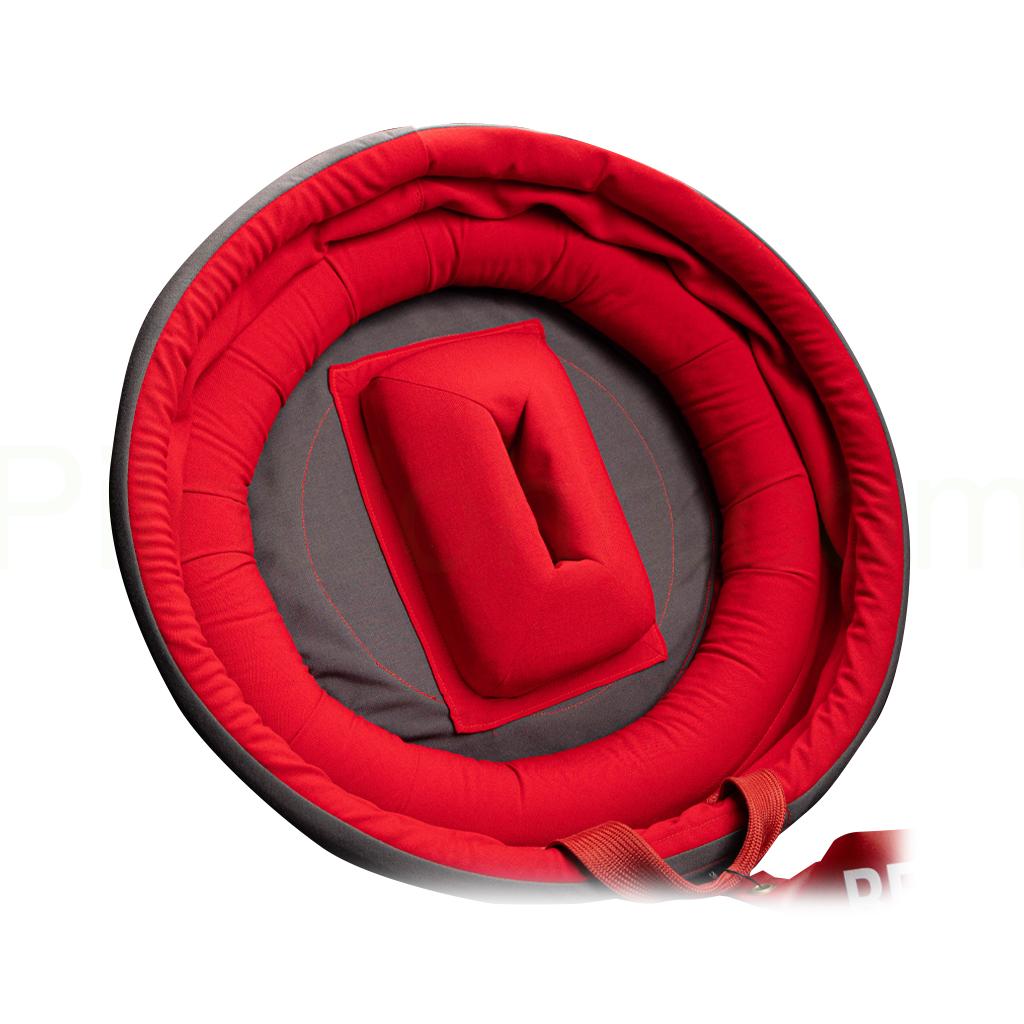
Using protective covers for sensitive aircraft components is an effective way to minimize FOD damage. When aircraft are parked or not in use, covers should be placed on engines, pitot probes, static ports, and other critical instruments to prevent debris from causing damage. High-quality protective covers, such as those offered by Sesame Technologies, Inc., not only protect against foreign object debris but also shield components from environmental factors that could further damage aircraft.
Effective FOD Disposal Systems
Strategically placing FOD disposal bins around the airside areas encourages personnel to dispose of debris quickly and efficiently. Bins should be regularly emptied to prevent overflow, which could also pose a foreign object debris hazard. Additionally, staff can use on-person containers, such as waist pouches, to collect small debris during their duties, further helping to keep operational areas clear.
Coordination and Communication
FOD prevention requires coordination between airport staff, airlines, contractors, and other stakeholders. Clear communication ensures that everyone is aware of the risks posed by foreign object debris and is working together to eliminate them. FOD committees and regular meetings help to address specific issues and ensure that preventative measures are followed during construction and maintenance activities. By keeping lines of communication open, airport operators can ensure that FOD control efforts are well-coordinated and effective.
FOD Detection Technologies
Incorporating FOD detection technologies, such as radar and video surveillance systems, can enhance airport operations by enabling the quick identification of debris. These systems can detect even small debris in real time, allowing airport staff to address the issue promptly. While traditionally used in high-traffic areas, these technologies can improve FOD detection across various airport environments, particularly when manual inspections are insufficient.
FOD Prevention During Construction
Construction activities can generate significant amounts of debris, increasing the risk of foreign object debris. Airports should implement strict protocols for managing FOD during construction, including the containment and prompt removal of debris. Contractors must follow guidelines for securing materials and cleaning up after themselves to prevent debris from entering operational areas. Special attention should also be given to preventing debris from being carried onto airfields by vehicles or wind.
Seasonal Considerations
Seasonal weather can contribute to FOD risks, especially in colder climates where snow and ice can become embedded in debris-prone areas. Airport operators should ensure thorough snow removal procedures, clearing windrows away from runways and taxiways to prevent debris from being blown onto operational surfaces. Regular inspections during adverse weather conditions help identify and address risks posed by foreign object debris from storms, wildlife activity, or other environmental factors.
What Are the Different Types of Protective Covers for Aircraft Components?
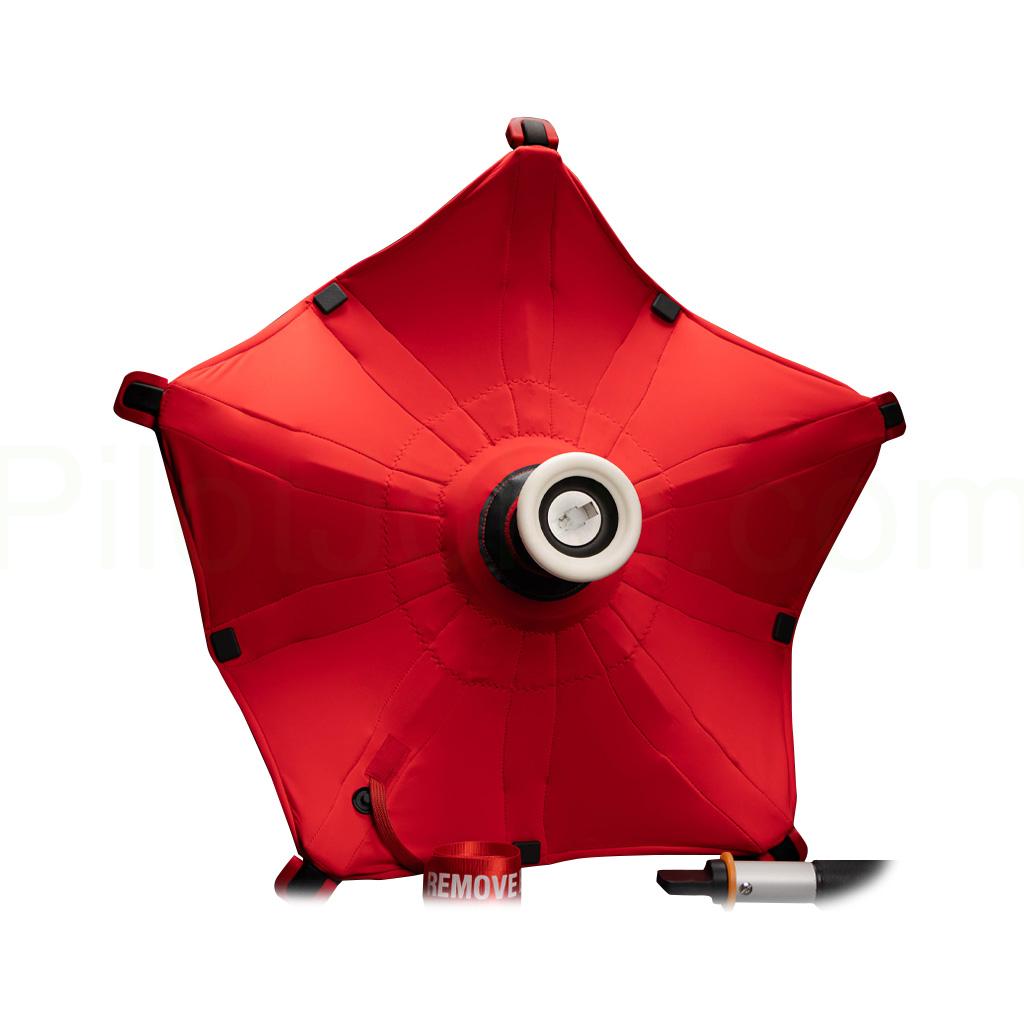
Protective covers for aircraft components are essential in preventing FOD damage, as they safeguard sensitive parts from environmental debris and hazards. Several types of protective covers are commonly used for various aircraft components:
Engine Covers
Engine covers are designed to protect aircraft engines from debris, dirt, and moisture while parked on the ground. These covers help prevent FOD damage, particularly from small particles or debris that can be ingested into the engine. Engine covers – such as the Diamond Engine Shield EX and the Executive Engine Exhaust Barrier – are crucial for maintaining engine health and extending its operational lifespan.
Pitot Probe Covers
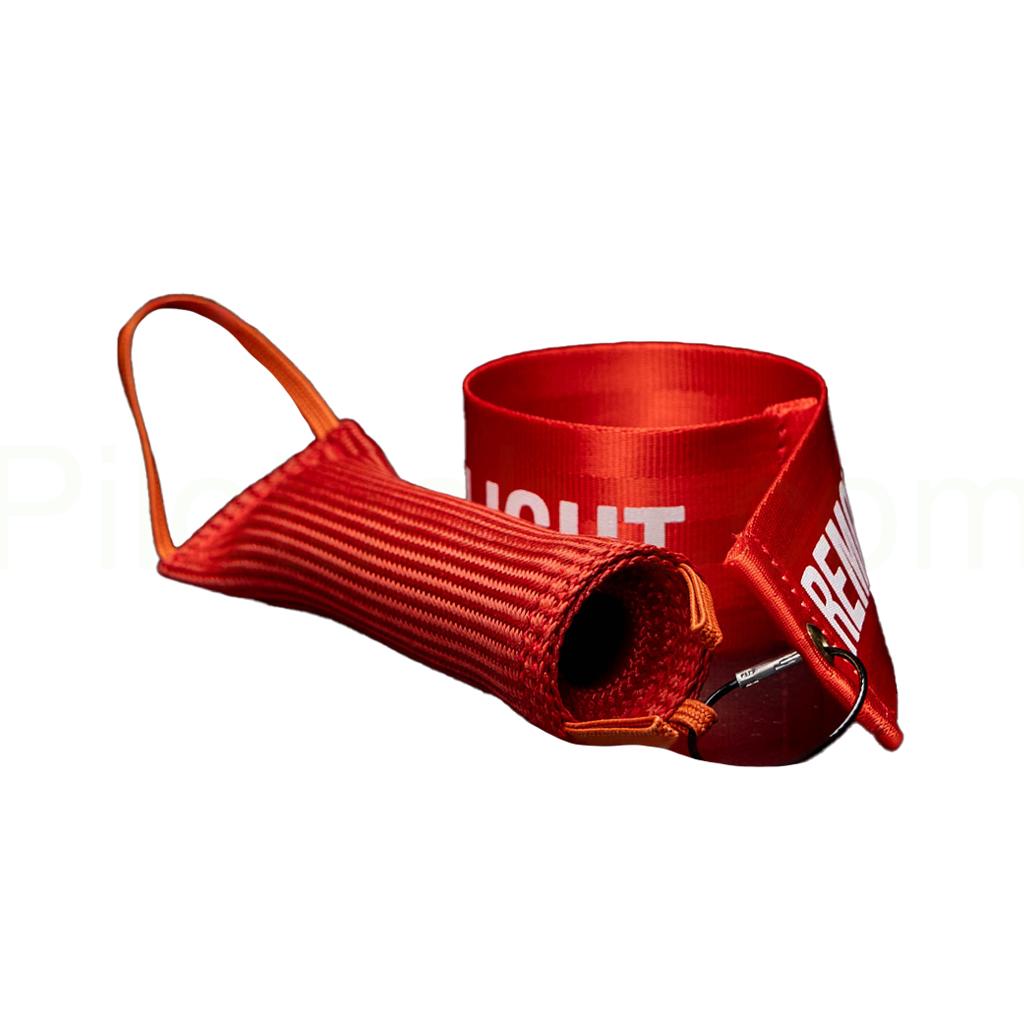
Pitot probe covers protect the aircraft’s pitot tubes, which measure airspeed. FOD or moisture accumulation on pitot tubes can interfere with accurate readings, resulting in unsafe flight conditions. Pitot probe covers, such as the KPC4T Series from Sesame, provide a barrier against such risks, ensuring accurate data during flight.
Static Port Covers
Static ports are essential for determining an aircraft's altitude, airspeed, and vertical speed. These ports are vulnerable to debris and damage, which can cause inaccurate readings. Static port covers, including the SPC-102, are designed to protect these ports from foreign object debris while keeping them free of moisture and contaminants.
Static Wick Covers
Static wick covers protect the aircraft’s static wicks, which help dissipate electrical charges during flight. These wicks are routinely exposed to weather and debris, and cover protection helps prevent damage from occurring while aircraft are on the ground. Static wick covers, like the SSWC-EX, also reduce the risk of electrical disturbances and FOD-related malfunctions.
Angle of Attack (AOA) Covers
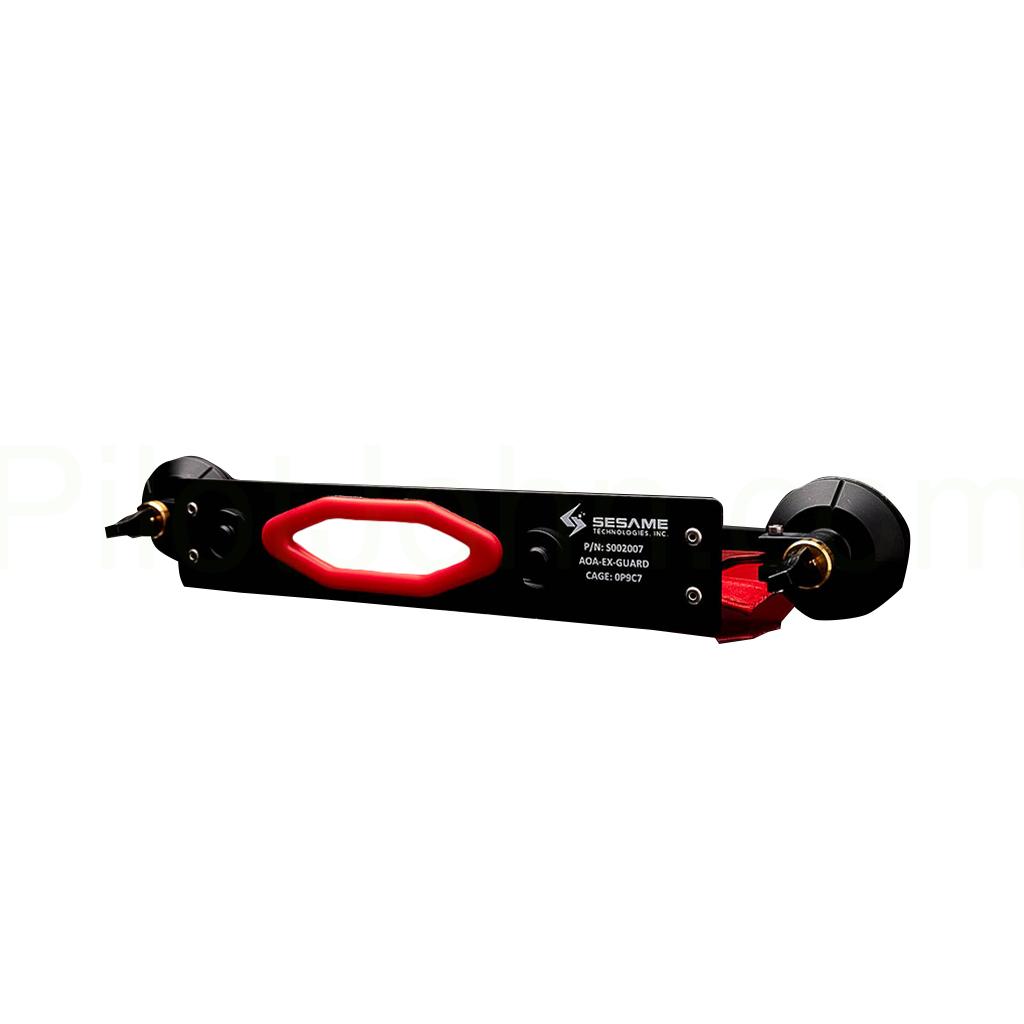
Angle-of-attack sensors measure the angle at which air flows over the wings, providing critical data for flight control. AOA sensor covers, such as the AOA-EX-Guard, protect these delicate components from FOD and ensure accurate readings, which are vital for flight stability.
Total Air Temperature (TAT) Covers
TAT sensors measure the temperature of the air entering the engine, providing vital information for engine performance. These sensors are susceptible to damage from debris or dirt accumulation. TAT sensor covers, including the FTC-EX-102A, are essential for maintaining the integrity of this crucial component.
Ice Detector Sensor Covers

Ice detector sensors detect ice buildup on aircraft surfaces, which can affect flight performance. These sensors are critical for safe operations, particularly in cold weather conditions. Ice detector sensor covers, such as the IDC-EX, protect the sensors from debris and environmental factors, ensuring they remain fully operational when needed.
The Bottom Line
Preventing foreign object debris is vital to ensuring the safety and efficiency of aviation operations. FOD-related incidents can result in substantial financial losses, delays, and, most importantly, safety risks for passengers, crew, and ground personnel. Airports and operators must adopt proactive measures such as regular inspections, FOD management programs, and the use of protective covers to reduce the impact of foreign object debris.
At Pilot John International® (PJi®), we offer a complete lineup of high-quality protective covers from Sesame Technologies, Inc. to shield critical aircraft components from FOD damage. From engine covers to pitot probe covers and static port covers, our comprehensive range of products helps keep your aircraft safe and operational.
Our friendly and knowledgeable aviation specialists are here to help you find the perfect aircraft protective covers for your operations. Contact us by phone, email, or chat today!