





Essential Equipment Checklist for New Pilots
Key Takeaways
- The right pilot equipment isn't just about convenience – it builds good habits, boosts cockpit confidence, and ensures new pilots are focused on flying rather than scrambling for missing gear.
- Core study resources – including the Pilot's Handbook of Aeronautical Knowledge, the Airplane Flying Handbook, the FAR/AIM, and the aircraft-specific POH – form the essential reference foundation every new pilot should keep accessible at all times.
- A reliable aviation headset with active noise reduction is one of the most important early investments a new pilot can make, with options like the David Clark DC ONE-X and the Kore Aviation KA-1 offering strong performance at a training-friendly price point.
- Manual navigation tools like a plotter and E6B flight computer remain essential for new pilots – not just as backups to digital tools, but as foundational skill-builders for flight planning, wind correction, and situational awareness.
- A handheld transceiver, kneeboard, pilot logbook, quality sunglasses, and a well-organized flight bag round out the core kit – each serving a specific purpose in keeping a new pilot prepared, legal, and focused from preflight to shutdown.
- Pilot John International carries a curated selection of new pilot essentials from trusted brands, including David Clark, Flying Eyes, Kore Aviation, MyGoFlight, and Flight Outfitters, with aviation specialists ready to help match the right gear to your training budget and flying goals.
Starting your aviation career is thrilling – but it’s also loaded with new responsibilities and gear decisions. As a new pilot who’s completed flight school or just earned your certificate, having the right equipment sets the tone for how you’ll fly.
Think of this as your new pilot’s checklist: from foundational manuals to cockpit-ready tools, the gear you choose now will support your confidence and safety in the air. In this article, we’ll walk you through the essential equipment every new pilot should have so you can train smarter, fly safer, and stay organized from day one.
Why Is Having the Right Equipment Important for New Pilots?
Purchasing the right pilot supplies isn’t only about convenience – it’s about readiness, safety, and habit-forming. When you step into the cockpit for the first time post-training, the difference between fumbling for a chart and smoothly grabbing your plotter or tablet can alter how you feel and perform.
Each piece of equipment in your kit serves a clear purpose: helping you stay focused on flying rather than scrambling for missing gear. Equipping yourself with reliable pilot supplies early on builds good habits, boosts your confidence, and sets a solid foundation for your flight operations.
What Essential Starter Equipment Does Every New Pilot Need?
Use this checklist as a practical starting point for assembling your training and flight essentials. Whether you’re freshly certified or building hours toward your next rating, these items will help ensure you’re prepared for lessons, solo flights, and beyond.
1. Pilot Manuals & Study Resources
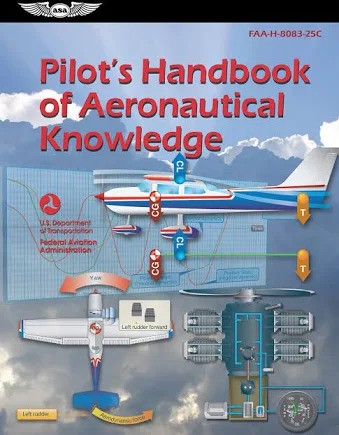
Start with the fundamentals: the Pilot’s Handbook of Aeronautical Knowledge, the Airplane Flying Handbook, and the Aviation Weather Handbook. These official Federal Aviation Administration (FAA) publications provide critical knowledge on aerodynamics, aircraft systems, and flight maneuvers – everything you may need to reference to ensure flight safety and exam preparation.
Another valuable resource is the FAR/AIM (Federal Aviation Regulations & Aeronautical Information Manual). You’ll also want the Pilot’s Operating Handbook (POH) for the specific aircraft you’ll be flying. These manuals form the bedrock of your references and should be kept in your flight bag or cockpit binder at all times.
2. Flight Bag

A durable flight bag keeps your gear organized and within easy reach – without scrambling just before taxi. Look for compartments suited for headsets, charts, tablets, and logs so you can transport everything you need to the cockpit effortlessly.
Excellent options for modern pilots include the MyGoFlight PLC Pro Flight Bag and the Flight Outfitters Aviator Pro Backpack. Both are designed with thoughtful organization, dedicated storage for essential pilot supplies, and rugged construction to support flight training, cross-country trips, and everyday aviation use.

3. Pilot Headset
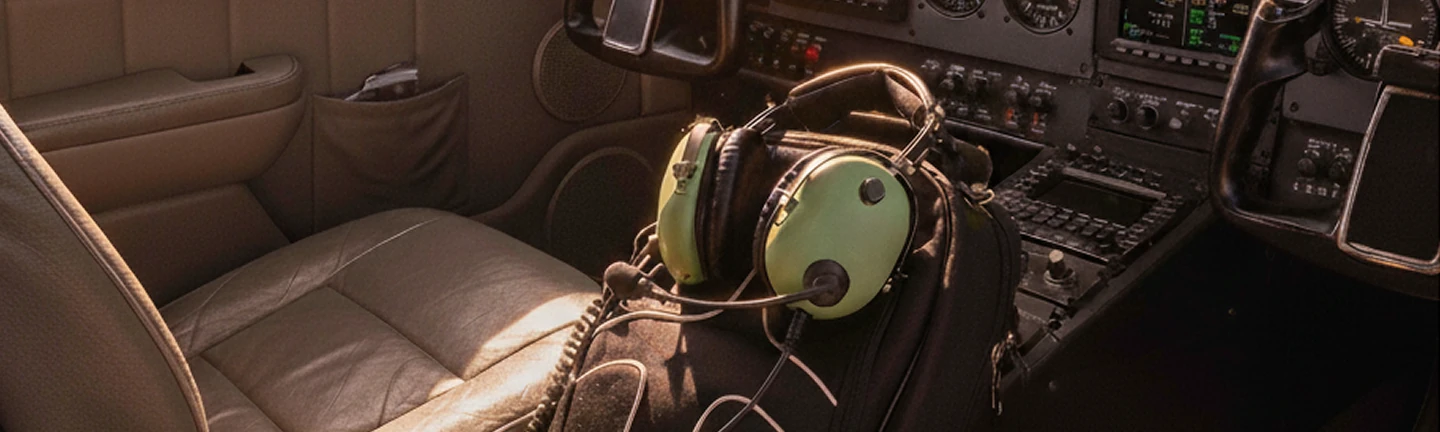
A reliable aviation headset is one of your most important investments. Select a comfortable model with clear audio and active noise reduction (ANR) to enhance communication and reduce fatigue during training flights.
For new pilots, the David Clark DC ONE-X and the Kore Aviation KA-1 are excellent starter headsets – they provide strong performance without breaking the bank.
4. Navigation Tools
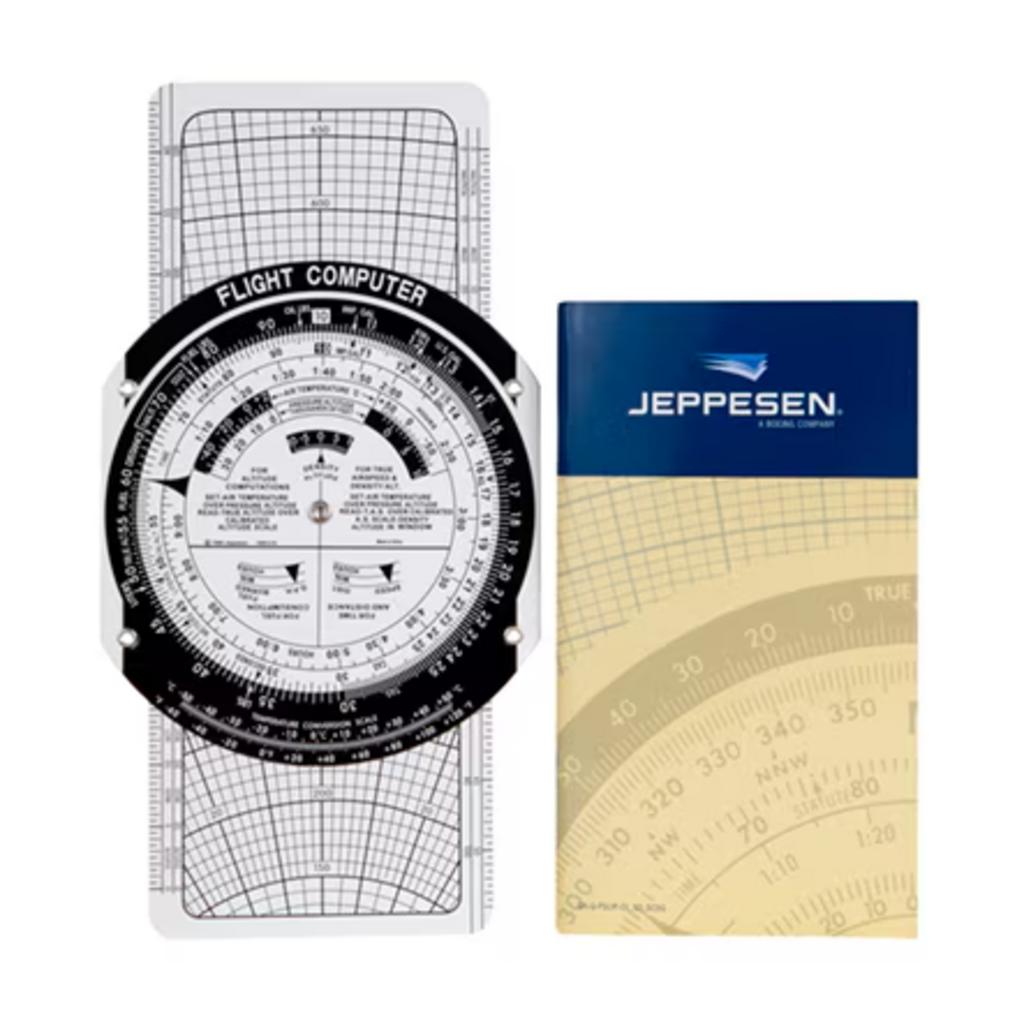
Old-school still matters: a plotter and an E6B flight computer are essential for mastering flight planning and navigation. Even in the age of iPads and apps, understanding manual navigation builds strong foundational skills and ensures you can perform when electronics fail. Use these tools to plot courses, calibrate wind corrections, and build your situational awareness.
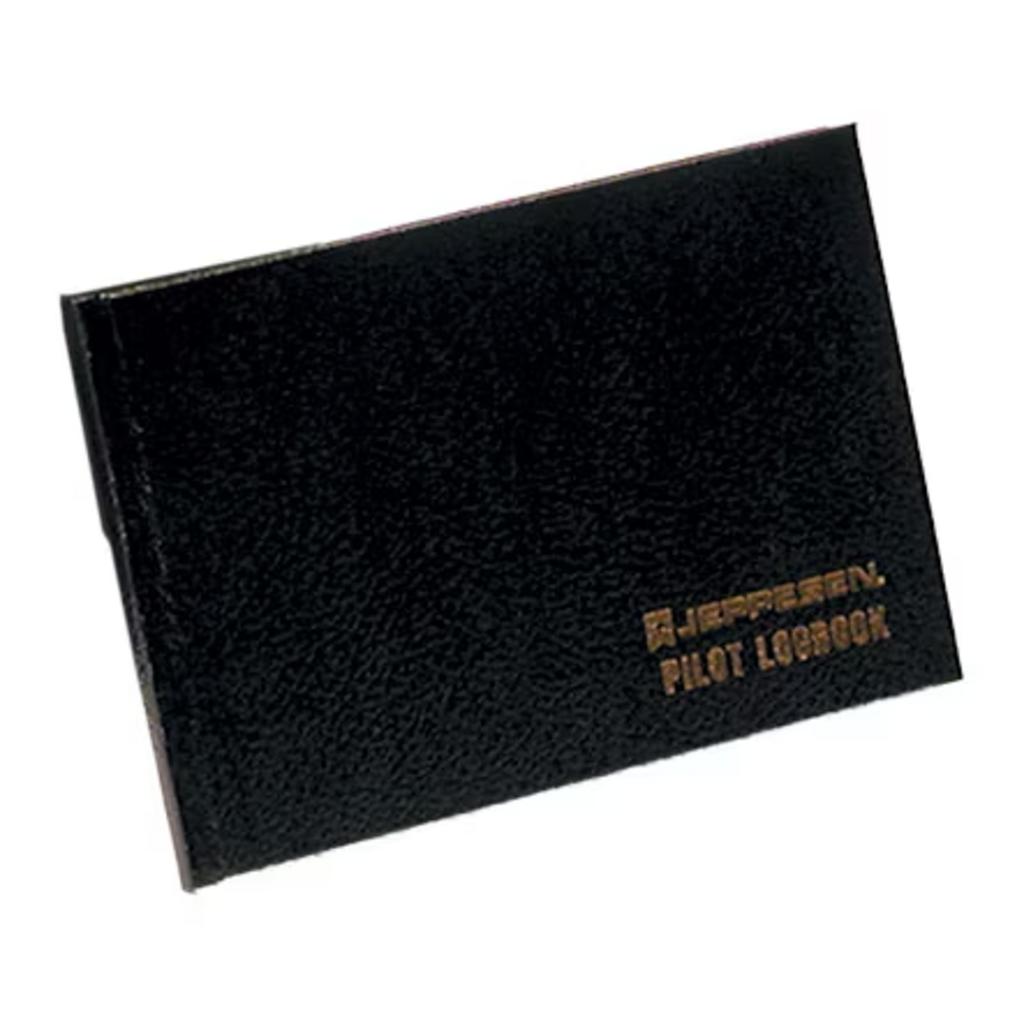
5. Pilot Logbook
Your logbook is both a legal record and a personal milestone tracker. Use it to document flight hours, instructor endorsements, and training progress – an essential part of every pilot’s journey. Choose a logbook with enough space for future ratings, and consider adding a cover to hold endorsements and checkride records.
6. Kneeboard
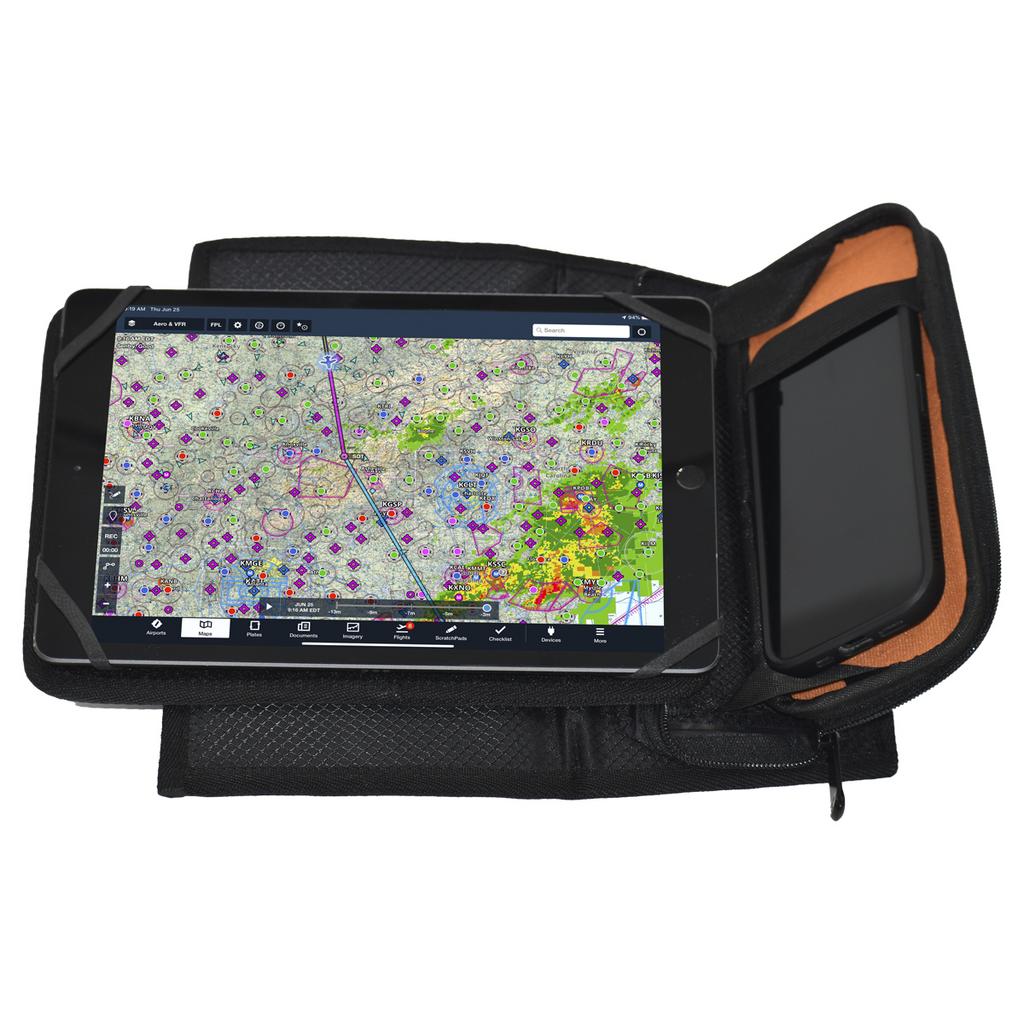
A kneeboard keeps flight plans, notes, and checklists organized while you’re in the cockpit. Choose one that works with your preferred setup – whether you use paper charts or mount a tablet.
The Flight Outfitters iDeck Kneeboard is a practical option for new pilots, offering secure tablet compatibility, thoughtful storage, and an ergonomic design that keeps essential information within easy view. Its durable construction and streamlined layout help aircraft pilots stay organized and focused throughout every phase of flight.

7. Handheld Transceiver
A handheld aviation transceiver serves as a backup communication tool in case your onboard radio fails. It also doubles as a useful monitor for ATC frequencies while on the ground or during training flights.
Consider the ICOM IC-A16 Handheld Transceiver – compact yet powerful, it gives new pilots a practical safety net and communication backup.
8. iPad or Tablet with Mounts
Many pilots use an iPad or tablet loaded with aviation apps (like ForeFlight) for charts, weather updates, and route planning. Pair it with a purpose-built mount for secure, hands-free access during flight. Ensure your aircraft is compatible with the mount, and always keep a paper backup for redundancy.
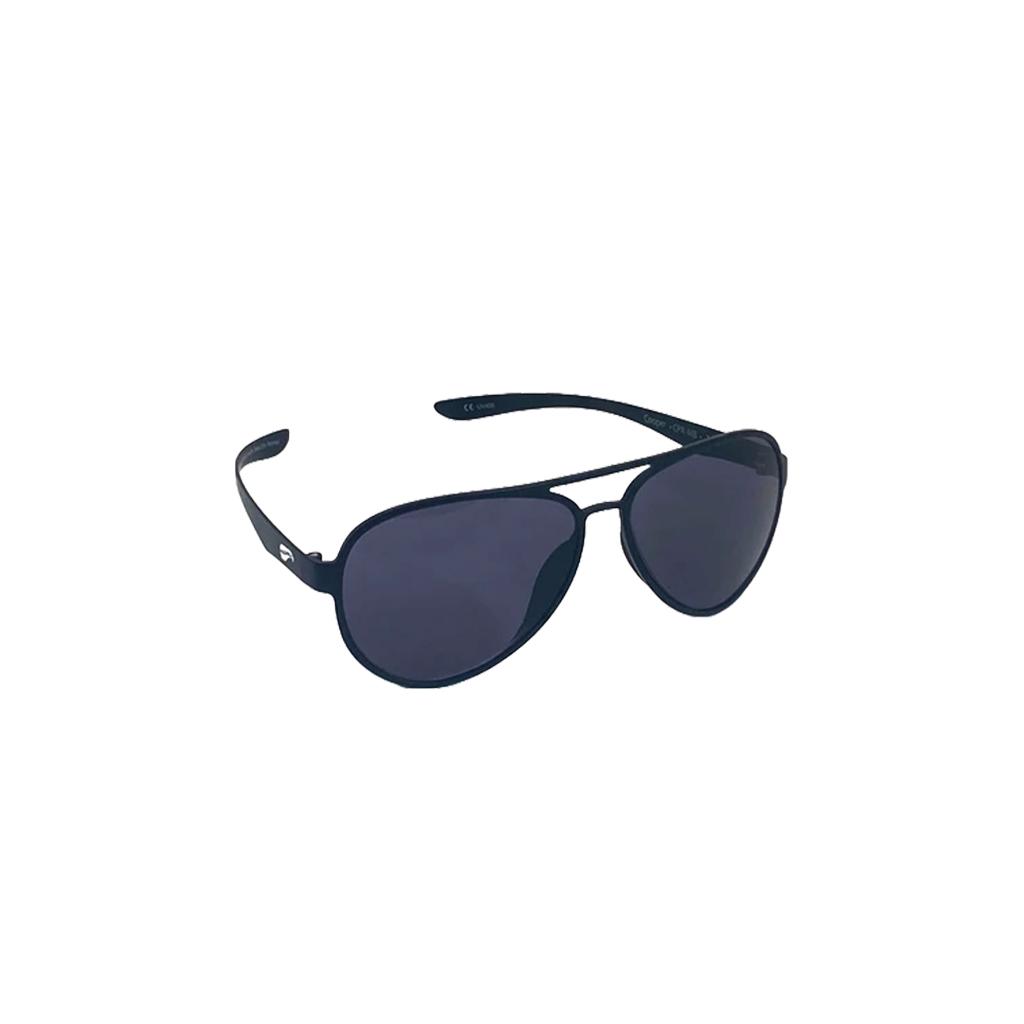
9. Pilot Sunglasses
High-quality aviation sunglasses protect your eyes from glare and improve visibility in bright or hazy conditions. Opt for non-polarized lenses to avoid interference with cockpit displays or avionics.
For a trusted starting choice, check out the wide selection of pilot sunglasses from Flying Eyes, including the Cooper Aviator model – designed with pilots in mind.
10. First Aid Kit and Personal Essentials
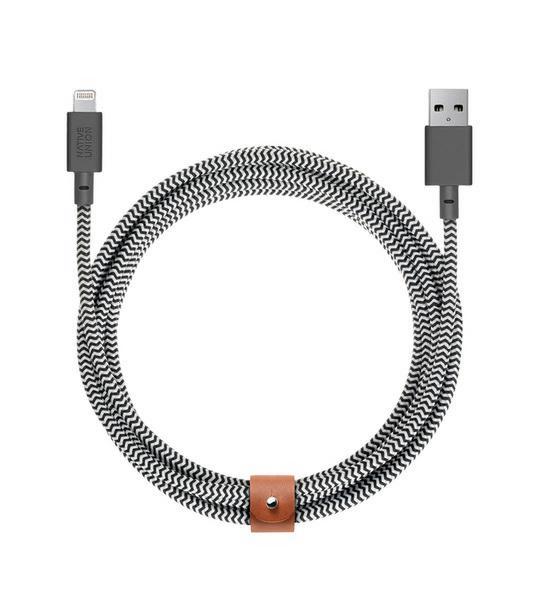
Always keep a compact first aid kit and personal items, such as a flashlight, spare batteries, USB power chargers/cables, and hydration supplies, on hand.
Being prepared for unexpected situations – whether a remote cross-country or a late-day sortie – is simply part of being a responsible pilot. It’s the little extras like these that let you focus on your flying rather than worry about your bag.
Where Can New Pilots Find Quality Starter Gear?
When it’s time to source the pilot supplies that will serve you through your early flying years, look no further than Pilot John International® (PJi®). We’re your one-stop destination for trusted pilot gear – from flight bags and kneeboards to iPad mounts, sunglasses, and essential power accessories.
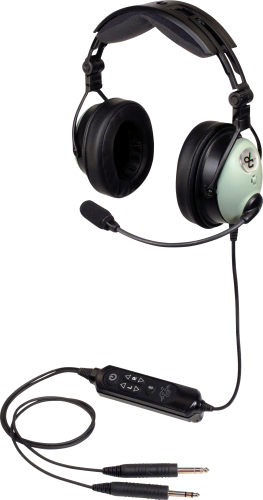
Our curated selection features top-quality headsets, navigation tools, handheld radios, and other cockpit essentials designed to keep you organized and prepared. We proudly carry products from leading aviation brands, including David Clark, Flying Eyes, Jeppesen, Kore Aviation, MyGoFlight, and Flight Outfitters, ensuring every new pilot has access to reliable, professional-grade equipment.
At PJi, we understand that you’re not just buying gear – you’re investing in your flying future. That’s why our aviation specialists are ready to help you select the right products for your aircraft type, training budget, and style of flying. Whether you’re outfitting yourself for your next solo or upgrading to your instrument rating, we’ve got you covered with expert guidance and premium pilot supplies.
From organizing your flight gear to mounting your tablet in the cockpit, trust PJi to deliver the quality and service you deserve as a new pilot. Explore our complete inventory and reach out with questions – we’re here to make your transition into active flying as smooth and confident as possible.
The Bottom Line
Starting out as a pilot is one of the most rewarding experiences you can have – and the right equipment makes all the difference. Investing in dependable, high-quality pilot gear helps you stay organized, confident, and ready for every lesson or flight. With the checklist above in hand and the right equipment in your bag, you’re not just prepared – you’re empowered.
PJi is proud to support new aviators with premium pilot supplies, deep expertise, and unmatched service. If you’re ready to take your next step – from flight school graduate to active pilot – reach out to our aviation specialists today. Let us help you get equipped for success. Fly safe, stay sharp, and start your journey on the right runway.