





Everything You Need to Know About Safety Data Sheets
Key Takeaways
- A Safety Data Sheet (SDS) is a standardized, 16-section document – aligned with the UN Globally Harmonized System (GHS) – that communicates chemical hazards and provides authoritative guidance on safe handling, storage, transport, and emergency response. It replaces the inconsistent legacy MSDS format and serves as the go-to reference for safety decisions, not performance claims.
- In aviation, SDSs are required for a broad range of hazardous materials, including jet fuel and avgas, hydraulic fluids, deicers, cleaners and degreasers, sealants, paints, battery electrolyte, lubricants, and greases – essentially any chemical used in hangar, ramp, or shop environments.
- Responsibility for SDSs runs through the supply chain: manufacturers and importers create them, distributors pass them along, and employers are obligated to maintain a current, accessible SDS library for every hazardous product on site – accessible to workers on every shift.
- SDSs should be consulted before first use of any chemical, when switching brands or formulations, during pre-task briefings and job hazard analyses, and immediately during spills, fires, or exposure incidents. Sections 1–6 and 8 are typically the first points of reference in an emergency.
- A well-maintained SDS program supports compliance with OSHA's Hazard Communication Standard as well as FAA, ICAO, and environmental regulations – and it's also a practical training resource. Annual HazCom refreshers built around SDS section walk-throughs help ensure every technician can locate critical hazard information quickly.
- PJi posts current, GHS-formatted SDS links directly on applicable product pages, and your PJi representative can locate any document not immediately available – so your library stays current with the latest revisions.
Safety data sheets (SDSs) are the backbone of chemical safety across hangars, shops, and ramp areas. Whether you’re topping off hydraulic systems, cleaning components, sealing fuel tanks, or handling deicers, an SDS provides technicians, supervisors, and emergency responders with the necessary hazard details and precautions – quickly.
Beyond checklists, SDSs standardize critical information, enabling aviation teams to select the appropriate PPE, store materials correctly, and respond effectively to spills or fires. In this article, we’ll explore what an SDS is, how it’s used in aviation, and where to find the right documents for your operation.
What Is a Safety Data Sheet (SDS)?

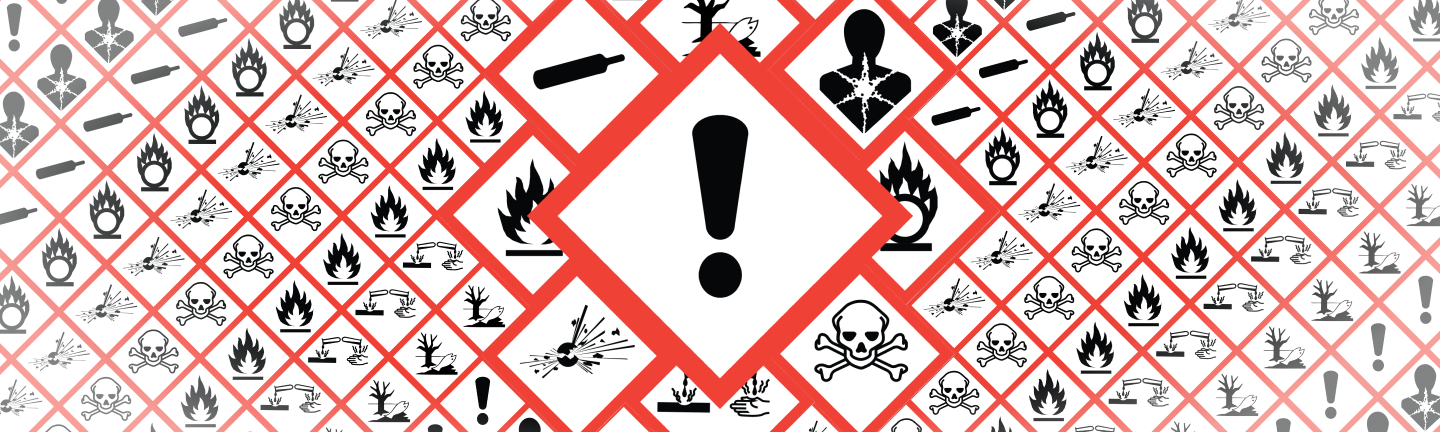
An SDS is a standardized, 16-section document that communicates a chemical’s hazards and provides guidance for safe handling, storage, transport, and emergency response. It replaces guesswork with a common language – signal words, hazard statements, and pictograms – so teams can identify risks at a glance. Crucially, the SDS focuses on safety and regulatory information, not sales or performance claims.
It’s helpful to contrast an SDS with a Technical Data Sheet (TDS). A TDS highlights how a product performs – including viscosity ranges, cure times, recommended applications, and compatibility – while the SDS covers health, physical, and environmental hazards as well as control measures.
Both documents are important, but for day-to-day safety decisions – such as PPE, storage rules, and spill response – the SDS serves as the authoritative reference. Modern SDSs adhere to the UN Globally Harmonized System (GHS) format, creating consistency across manufacturers and simplifying training.
MSDS vs. SDS: What’s the Difference?
A Material Safety Data Sheet (MSDS) is the legacy, pre-GHS format that varied widely in style and depth. Two MSDSs for the same product could look completely different, making it hard to find crucial data in a hurry. The Safety Data Sheet (SDS) replaced the MSDS under GHS alignment, using a uniform, 16-section framework that improves readability, comparability, and compliance.
Aviation organizations should phase out old MSDS binders and ensure current SDSs are on file for every hazardous product. Doing so avoids confusion during audits and, more importantly, ensures that your maintenance crew references the most accurate and up-to-date hazard information available.
What Are the 16 Sections of an SDS?
Before we break them down, remember: the SDS has 16 sections in a fixed order. During emergencies, Sections 1-6 and 8 are usually consulted first (identification, hazards, composition, first aid, firefighting, spill response, and exposure controls/PPE).
- Identification – This section provides the product name, recommended uses, restrictions, and the supplier’s contact information for emergencies or technical support.
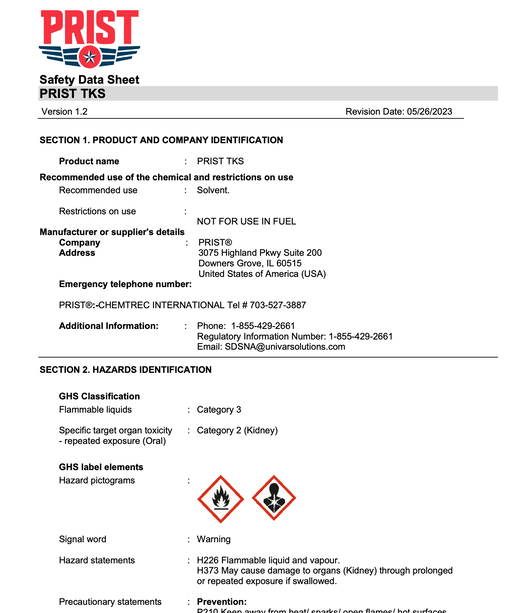
- Hazard(s) Identification – Here you’ll find the chemical’s GHS classification, hazard pictograms, signal word, and both hazard and precautionary statements.
- Composition/Information on Ingredients – This section lists all ingredients in the product, including their chemical names, CAS numbers, and, if applicable, concentration levels for mixtures.
- First-Aid Measures – Clear instructions are given for immediate response to inhalation, skin or eye contact, and ingestion, along with symptoms and any special medical advice.
- Fire-Fighting Measures – This section specifies suitable extinguishing media, unusual fire or explosion hazards, and protective gear required for firefighters.
- Accidental Release Measures – Guidance is provided for containing and cleaning up spills, preventing environmental contamination, and ensuring personal safety.
- Handling and Storage – This section outlines safe handling practices and proper storage conditions, including temperature requirements and incompatible materials.
- Exposure Controls/Personal Protection – Here you’ll find occupational exposure limits, engineering controls, and the types of PPE recommended for safe use.
- Physical and Chemical Properties – This section describes the material’s appearance, odor, pH, flash point, boiling point, vapor pressure, and other physical data.
- Stability and Reactivity – Information is given on chemical stability, reactivity hazards, and conditions or materials to avoid.
- Toxicological Information – This section explains potential health risks, including routes of exposure, acute and chronic effects, and data on carcinogenicity or sensitization.
- Ecological Information – This section discusses the potential environmental impact of the substance, including aquatic toxicity and persistence.
- Disposal Considerations – Here, you’ll find instructions for safely disposing of unused product and containers in accordance with applicable regulations.
- Transport Information – This section lists the UN number, proper shipping name, hazard class, and packing group for transport compliance.
- Regulatory Information – Key safety, health, and environmental regulations applicable to the product are outlined here.
- Other Information – This final section shows when the SDS was prepared or last revised and may include additional notes from the supplier.
Note – In the U.S., Sections 12-15 are part of the GHS structure but are not enforced by OSHA; they’re included for completeness and may be required by other authorities.
Who Is Responsible for Providing Safety Data Sheets?
Manufacturers and importers must create or obtain an SDS for each hazardous chemical they produce or bring into the country, and they must supply that SDS to downstream users. Distributors are responsible for passing the SDS along whenever a product changes hands. Employers then have the duty to maintain SDSs for all hazardous materials on site and ensure employees can access them during their work shifts.
A good internal control is to confirm that an SDS is on file before issuing a product from the stockroom. If a supplier updates a formulation or label, replace the SDS in your library and notify affected teams as part of your hazard communication program.
Who Uses Safety Data Sheets?
In aviation, a wide range of personnel rely on safety data sheets to maintain safe operations. Aircraft maintenance technicians, line service crews, and parts managers use SDSs to understand chemical hazards, select appropriate personal protective equipment (PPE), and ensure proper handling and storage of fuels, lubricants, and cleaners.
Safety officers, QA inspectors, and supervisors reference SDSs to verify compliance with hazard communication standards, while first responders and spill teams consult them during incidents to guide containment, cleanup, and medical response. Aviation regulators and auditors may also review SDS libraries to confirm that organizations are meeting FAA, OSHA, and ICAO requirements.
Because SDSs serve numerous critical roles in aviation, it’s essential to keep them well-organized and easily accessible. Index them by product name and manufacturer, and ensure that crew leads and supervisors know where the most up-to-date versions are stored.
What Types of Aviation Products Require an SDS?
SDSs are required for hazardous chemicals and mixtures commonly found in aviation, including jet fuel and avgas, deicing/anti-icing fluids, hydraulic fluids (e.g., Skydrol and mineral-oil types), cleaners and degreasers, sealants and adhesives, paints and coatings, battery electrolyte, lubricants, and greases. Many specialty materials, such as corrosion inhibitors or fuel tank sealants, also require SDSs due to their flammability, toxicity, or environmental hazards.
By contrast, tools and equipment (for example, fluid servicing carts, maintenance platforms, and aircraft jacks) typically do not require an SDS. However, the fluids used with them do – so your library should capture both the consumables and any ancillary chemicals used in your processes.
When Should Aviation Personnel Use Safety Data Sheets?

Check the SDS before first use of a chemical and whenever you change brands or formulations; hazard classifications and PPE guidance can differ significantly among similar products. Consult SDSs during pre-task briefings and job hazard analyses to confirm ventilation requirements, suitable gloves, and ignition source controls. In emergencies – spills, fires, or exposures – the SDS provides the authoritative playbook for containment, first aid, and notifications.
SDSs are also invaluable for training and refresher courses. Incorporate section walk-throughs into your annual Hazard Communication (HazCom) training so that every technician knows where to find critical data quickly.
How Can Aviation Professionals Ensure Compliance with SDS Requirements?
Start with a comprehensive, current SDS library that covers every hazardous chemical on site, including contractor-supplied products used in your facilities. Establish a receiving checkpoint: No chemicals are issued until the SDS is verified and filed. Review your library at set intervals (e.g., quarterly) to catch revisions, discontinued items, or unlabeled secondary containers.
Next, train employees to locate and interpret SDSs. Focus on Sections 2, 4-6, 7-8, and 14, which influence daily handling, PPE, storage segregation, and shipping. Finally, ensure that secondary container labels and workplace postings align with the SDS hazard information – specifically, signal words, pictograms, and hazard statements – so that messages remain consistent from shelf to shop floor.'
How Should Safety Data Sheets Be Stored and Maintained?
SDSs must be readily accessible to workers – on each shift, in every area where chemicals are used or stored. That can be a clearly labeled binder at the point of use, a network location workers can access without delay, or both. If you digitize SDSs, keep a simple index by product name, manufacturer, and shop location to speed retrieval during an incident.
Archive superseded versions separately to preserve a history of what was used and when. Many organizations retain inactive SDSs for the life of the facility, plus a defined retention period, to support investigations into exposure or regulatory inquiries. The goal is simple: the right sheet, in the right hands, at the right time.
Why Are Safety Data Sheets Important in Aviation?
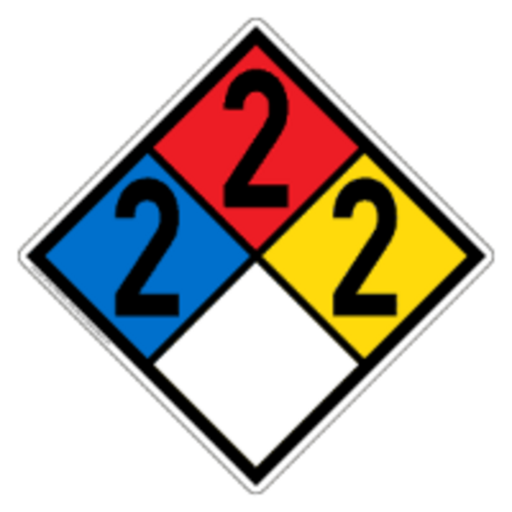
Safety data sheets reduce the risk of injury and equipment damage by providing clear guidance on how to handle, store, and dispose of hazardous materials. They help personnel choose the right protective gear, set up proper ventilation, and separate incompatible substances, all of which minimize exposure risks and prevent fires or chemical reactions. In an emergency, SDSs provide quick access to essential information such as first-aid steps, recommended firefighting methods, and spill containment procedures, helping responders act faster and more effectively.
From a compliance perspective, a well-maintained SDS program demonstrates due diligence in accordance with OSHA’s Hazard Communication Standard and supports broader regulatory obligations under environmental, health, and transportation rules. The payoff is safer people, protected aircraft and facilities, and fewer unplanned downtime events.
Where Can I Find Safety Data Sheets for Aviation Products?
At Pilot John International® (PJi®), we make it easy for you to access safety data sheets for the products you need. For applicable items, we post links to the current, GHS-formatted SDS on the product page alongside specifications, so you can quickly download the document while sourcing materials for your operation.
If a product is listed without an SDS link, simply contact your PJi representative. Our team will locate the correct document and confirm you have the most recent revision for training, audits, or day-to-day reference.
The Bottom Line
A robust, accessible SDS library isn’t paperwork – it’s a frontline safety tool for every hangar and maintenance shop. When your teams know where to find clear, current hazard information, they make better decisions about PPE, storage, handling, and emergency response. That means fewer incidents, smoother inspections, and stronger confidence across your operation.
PJi is your trusted source for aviation chemicals that require SDSs – such as hydraulic fluids, deicing and anti-icing solutions, cleaners and degreasers, sealants, lubricants, greases, and battery electrolyte – as well as a wide selection of ground support equipment (GSE), avionics test equipment, aircraft parts and tooling, pilot supplies, and safety gear.
If you need help locating SDSs, choosing compliant products, or aligning your chemical inventory with your procedures, our aviation specialists are ready to help. Contact us by phone, email, or live chat for tailored guidance and fast, reliable support.