Expert Tips for Proper Storage and Handling of Aircraft Consumables
Key Takeaways
- Aircraft consumables – including lubricants, hydraulic fluids, engine oils, deicers, and cleaning agents – are formulated to precise performance standards that degrade over time. Tracking shelf life and expiration dates through a digital or paper-based system, combined with FIFO (first in, first out) stock rotation, helps ensure that expired or compromised products never reach an aircraft.
- Temperature and humidity are among the most damaging factors for stored consumables. Climate-controlled storage – cool, dry, and consistently monitored – prevents chemical evaporation, thickening, moisture intrusion, and premature breakdown. Always consult manufacturer guidelines for product-specific requirements.
- Clear labeling (received date, opened date, expiration date, and storage instructions) paired with a well-organized inventory system gives maintenance teams fast access to what they need, reduces the risk of using expired materials, and simplifies reordering to prevent both shortages and overstocking.
- Contamination prevention requires discipline at every step: keep containers tightly sealed when not in use, use dedicated or disposable tools for each consumable type, and store products away from incompatible chemicals that could degrade their stability or shelf life.
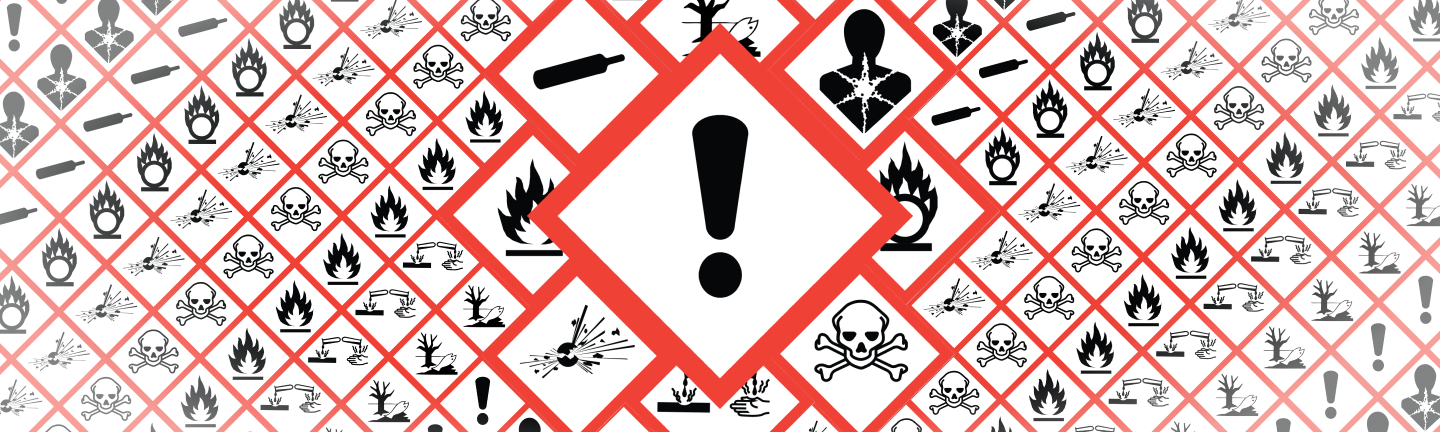
- Many aviation consumables – including lubricating oils, jet fuel additives, and certain cleaners – are classified as hazardous materials. These require designated storage in flammable cabinets or chemical storage units with proper ventilation, secondary containment, and clearly posted emergency procedures, along with appropriate PPE for anyone handling them.
- Regular audits, periodic inspections, and ongoing staff training are the operational backbone of a sound consumables program. Audits catch expired stock, storage condition drift, and inventory discrepancies before they affect readiness – while well-trained personnel ensure that correct handling and storage procedures are followed consistently across the maintenance team.
Aircraft consumables – such as anti-corrosion lubricants, engine oils, hydraulic fluids, and cleaning supplies – play a crucial role in ensuring aircraft safety, performance, and reliability. These products are specifically formulated to withstand the demands of aviation environments, where high pressures, extreme temperatures, and varying conditions can take a toll on materials and systems.
Without proper handling and storage, aircraft consumables may degrade, lose potency, or even pose safety risks, potentially compromising the performance and longevity of critical aircraft components. Maintaining these products in optimal condition is vital for operational efficiency and helps prevent costly downtime and repairs caused by equipment failures.
Properly storing and handling these items is essential for maintaining quality, reducing waste, and complying with aviation industry standards. Aviation regulations set strict requirements for the storage of consumables to ensure safety, reliability, and consistency across maintenance practices.
In this article, we’ll provide a comprehensive guide on correctly storing and handling aircraft consumables, offering tips to help extend their shelf life, prevent contamination, and ensure their effectiveness over time. By following these guidelines, maintenance teams can maximize the value of their consumables, sustain aircraft performance, and ultimately contribute to safer flight operations.
Why Are Tracking Shelf Life and Expiration Dates Essential for Aircraft Consumables?
One of the most critical aspects of managing aircraft consumables is tracking their shelf life and expiration dates. Many consumables degrade over time due to exposure to environmental conditions or chemical changes within the product. When used beyond their expiration dates, these products can lose effectiveness, affect performance, or even pose risks to the safety of the aircraft and the crew.

Implementing a robust tracking system is essential for effective management. A digital tracking system, for example, can automatically alert maintenance teams when items are nearing expiration, reducing the risk of accidentally using expired products. Paper-based tracking systems can also be effective, provided they are meticulously updated.
Additionally, inventory can be organized to rotate stock effectively, placing newer items behind older ones to encourage “first in, first out” (FIFO) usage. This approach helps prevent waste, reduces the risk of using expired materials, and lowers costs by ensuring that every consumable is utilized within its viable lifespan.
How Can Temperature and Humidity Impact the Quality of Aircraft Consumables?
Temperature and humidity significantly impact the quality, effectiveness, and longevity of consumables. Products like aircraft grease and deicing fluids can quickly deteriorate when exposed to fluctuating or extreme temperatures and high humidity, leading to a loss of their intended properties.
Ideally, consumables should be stored in a climate-controlled area with stable, consistently monitored temperature and humidity. Extreme heat can cause certain chemicals to evaporate or thicken, while excessive humidity can introduce moisture into products that need to remain dry to function correctly. Even minor climate changes can shorten the shelf life of sensitive materials, so a controlled environment is essential.
Always consult manufacturer guidelines for any specific storage requirements. However, as a general rule, keeping consumables in a cool, dry place will help maintain their quality, extend their usability, and ensure they perform effectively when needed.
How Can Proper Labeling and Inventory Management Improve Aircraft Consumables Storage?

Clear labeling and efficient inventory management are critical to ensuring quick access to consumables and reducing waste. Label each item with key information, including the date it was received and opened, and its expiration date, especially if the product has a limited shelf life. For products sensitive to environmental factors, adding storage instructions can also help maintain quality and ensure proper handling.
Implementing a well-organized inventory system enables maintenance teams to quickly locate needed items, manage stock levels accurately, and avoid the risks of using expired or compromised materials. By streamlining labeling and management practices, maintenance teams can track usage patterns, simplify reordering, and prevent both overstocking and shortages, which can disrupt operations.
What Are Some Best Practices for Preventing Contamination in Aircraft Consumables?
Preventing contamination is critical to maintaining the integrity of aircraft consumables, ensuring they perform as intended during maintenance and repairs. Exposure to dust, moisture, or chemicals, or improper handling with unclean tools, can compromise these products, leading to reduced efficacy or rendering them completely unusable. Contaminated consumables can cause unexpected issues, including material degradation, reduced lubricating power, and potentially costly maintenance errors.
To protect consumables from contamination, keep all containers tightly sealed when not in use and consider using dedicated tools or dispensers for each type of consumable to prevent cross-contamination. Clean tools between uses, or use disposable applicators, to avoid contaminating them. Additionally, store consumables separately from other chemicals or substances, as close proximity can lead to unintended interactions that impact their stability and shelf life.
Why Is Safe Handling and Storage of Hazardous Materials Important?
Many consumables, such as lubricating oils, jet fuel additives, and certain cleaning agents, are classified as hazardous materials due to their flammability, corrosiveness, or toxicity. Handling and storing these substances appropriately is critical for personnel safety and compliance with aviation and safety regulations. Always use the recommended personal protective equipment (PPE), such as gloves, safety goggles, and respirators, to minimize exposure to harmful chemicals during handling.

Hazardous consumables should be stored in designated, secure areas, such as flammable cabinets or chemical storage units, to reduce the risk of accidents, including leaks, spills, or fires. These storage areas must be clearly labeled, well-ventilated, and equipped with secondary containment measures to handle any spills.
Additionally, ensure that appropriate fire safety measures are in place, such as fire extinguishers rated for chemical fires, and post emergency handling and response procedures clearly in storage areas. Regular inspections of storage conditions and emergency preparedness training for staff further enhance safety and help prevent incidents.
What Steps Should Be Taken to Safely Transport Aircraft Consumables?
When moving consumables from storage to aircraft or maintenance sites, it’s essential to take measures that prevent spills, leaks, or damage, as even minor mishandling can compromise their quality and lead to waste or contamination. Use secure packaging and sturdy transport containers that minimize movement and keep containers tightly sealed to avoid accidental spills. For small, fragile items, padding can further protect them from impact during transport.
For larger or bulkier consumables, use carts, trolleys, or specialized transport trays designed to safely carry heavier items. This approach reduces the risk of personnel injury and ensures the product remains intact and uncontaminated. Designating specific routes for transporting consumables within the facility, if possible, can also help reduce the risk of spills in high-traffic areas. By following these best practices, you help preserve the quality and integrity of aircraft consumables, ensuring they reach their destination ready for use.
How Can Regular Audits and Inspections Improve Consumable Storage and Safety?
Regular audits and inspections of consumable storage areas are essential to maintaining compliance with industry standards, safety regulations, and internal protocols. Periodic checks of labels, storage conditions, and expiration dates enable maintenance teams to proactively detect and address potential issues before they affect operational readiness. Inspecting labels ensures that information – such as receipt dates, expiration dates, and usage guidelines – is up to date, helping prevent the accidental use of expired or compromised materials.

In addition to checking expiration dates and storage conditions, audits can also reveal stock discrepancies, allowing teams to adjust inventory levels and reorder items as needed. By conducting these regular audits, maintenance teams ensure that all consumables are stored correctly, in good condition, and readily available, helping to avoid costly delays, enhance safety, and optimize the performance of critical aircraft components. Properly scheduled audits not only safeguard the quality of consumables but also streamline inventory management, ensuring that the right materials are always on hand.
Why Are Staff Training and Awareness Critical for Safe Consumable Storage and Handling?
Proper storage and handling of aircraft consumables rely on having well-trained personnel who understand the importance of following correct procedures. Regular staff training ensures that all team members are up to date on best practices, safety protocols, and proper handling techniques, helping prevent issues arising from improper use or storage of materials. Training sessions should cover essential topics, such as correct labeling, storage conditions, expiration tracking, contamination prevention, and, where applicable, hazmat procedures for handling hazardous materials.
In addition to initial training, refresher courses, informational materials, and on-the-job training sessions are valuable for reinforcing these procedures and addressing any updates to industry regulations or company protocols. Encouraging a culture of continuous learning keeps staff engaged and aware of the latest standards, helping them handle consumables more effectively. Well-informed and trained personnel contribute to a safer, more organized maintenance environment, reduce the risk of costly errors, and improve the overall efficiency of aircraft maintenance operations.
The Bottom Line
Storing and handling aircraft consumables correctly is essential for maintaining safety, efficiency, and compliance in aviation maintenance. By following these guidelines, you can ensure that these items are always safe, effective, and ready for use. Adopting these best practices not only extends the life of aircraft consumables but also contributes to smoother maintenance operations, reduced costs, and improved overall performance.
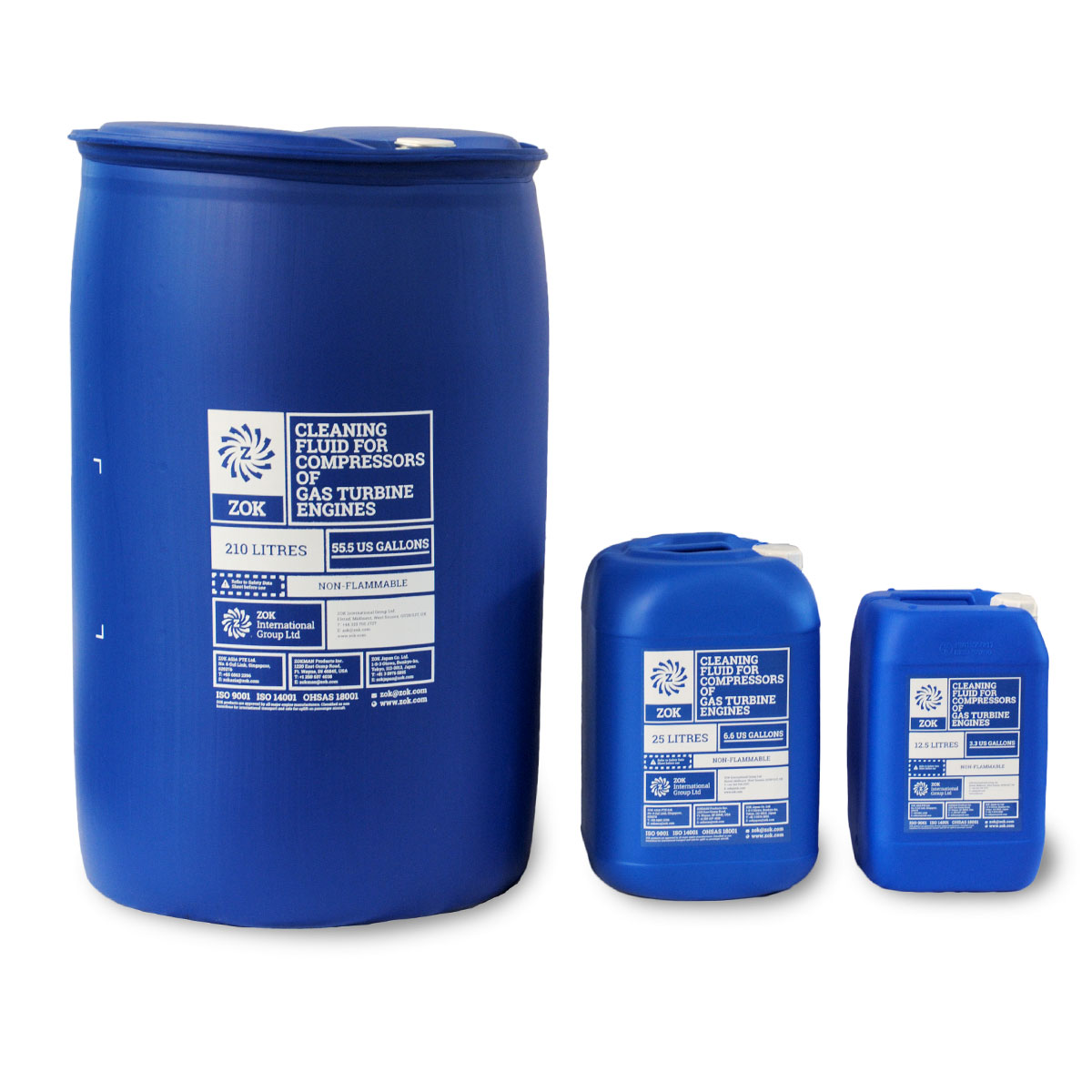
Pilot John International® (PJi®) offers a broad range of aircraft consumables from top brands in the industry, including ACF-50, AeroShell, Biobor, Castrol, Phillips 66, RealClean, Royco, Skydrol, StrutWipe, and ZOK. We Keep You Flying® with an extensive selection of premium-quality products designed to meet the demands of your aircraft maintenance operations. Contact us today to learn more about how our products can keep your processes running smoothly and efficiently.