Gearing Up for Success: Choosing the Right Aircraft Tires for Your Needs
Key Takeaways
- Aircraft tires operate under extreme conditions – high speeds, heavy loads, and rapid temperature and pressure changes – making tire quality a direct factor in takeoff and landing safety, ground handling, and overall operating costs.
- Premium tires offer measurable advantages over budget options: better tread wear, superior wet traction, improved burst resistance, and longer service life that reduces replacement frequency and total cost of ownership.
- Goodyear has been a supplier to the aviation industry since the early 20th century, offering a broad tire lineup – from the bias-ply Flight Leader and Flight Special II for general aviation to the radial Flight Radial and Flight Eagle LT for light and very light jets.
- Michelin brings a similarly deep aviation heritage, with options ranging from the bias-ply Aviator and Condor to the radial Air X, which runs cooler and weighs less than comparable bias tires – translating to fuel savings and longer tread life.
- PJi stocks a wide selection of Goodyear and Michelin aircraft tires for everything from light sport aircraft to commercial jets, with aviation specialists on hand to help match the right tire to your aircraft.
Aircraft tires might not be the most glamorous part of a plane, but they play a vital role in ensuring safe takeoffs, landings, and ground maneuvers.
While automotive tires are built to handle the daily grind of city streets and country roads, aircraft tires must withstand a variety of extreme conditions, including high speeds, heavy loads, and rapid changes in temperature and pressure.
In this article, we’ll highlight the importance of choosing high-quality aircraft tires, delve into the rich history of Goodyear and Michelin’s pioneering efforts in this field, and explore the diverse lineup of aviation tires offered by these industry leaders.
Why Invest in Top-Tier Aircraft Tires?
While it may be tempting to prioritize cost-cutting measures, skimping on aircraft tires can be a false economy. Here's why investing in high-quality tires is essential:
Enhanced Safety
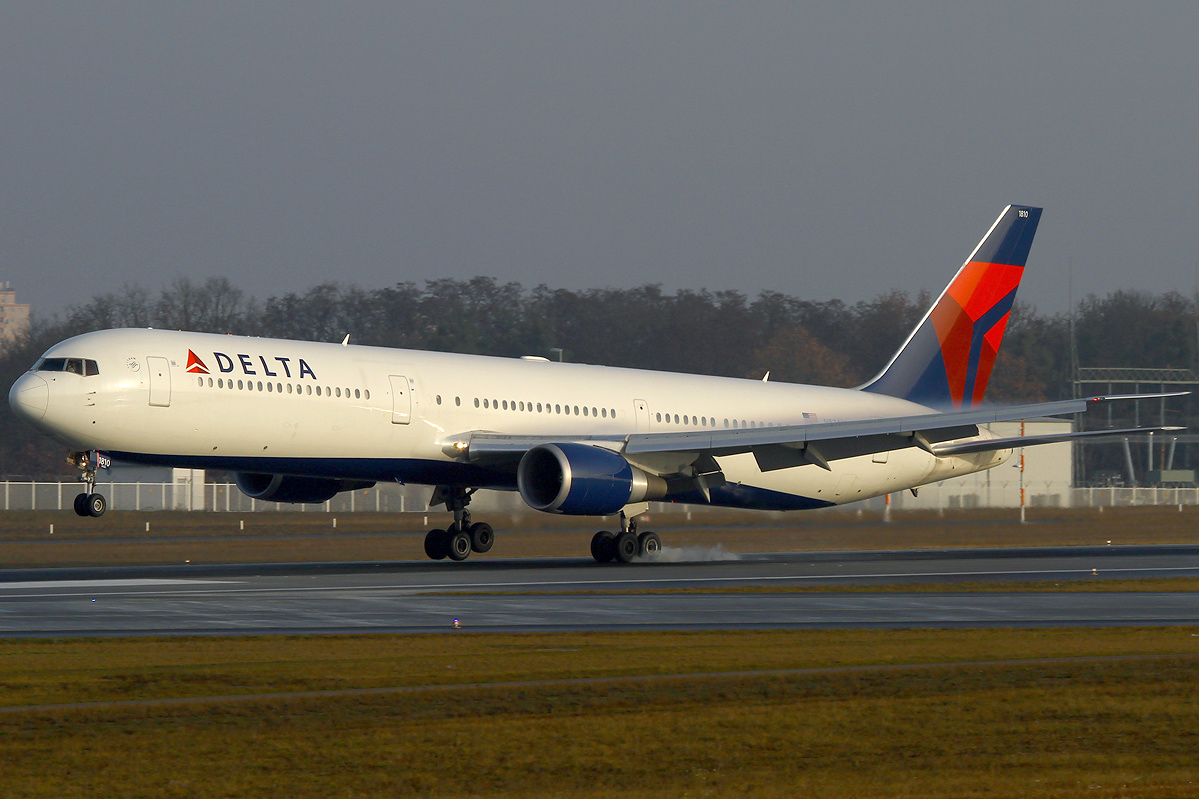
Premium aircraft tires prioritize safety by offering superior tread wear, improved traction control, and exceptional burst resistance. These features help minimize tire failure during critical maneuvers and improve grip in adverse weather conditions, preventing skids and hydroplaning.
Durability and Cost-Effectiveness
High-quality tires are designed to endure the rigors of aviation, including repeated high-speed takeoffs and landings and exposure to varying temperatures and pressure changes. This translates into a longer lifespan, fewer replacements, and lower overall operating costs than budget options.
Improved Performance and Fuel Efficiency
Lighter-weight, aerodynamically designed tires minimize rolling resistance, improving fuel efficiency. Additionally, superior load-bearing capacity and shock absorption ensure smoother landings for passengers, cargo, and the aircraft itself.
Smoother Operations
Well-balanced and precisely constructed tires contribute to a smoother taxiing experience and improved ground handling, reducing wear and tear on the aircraft's landing gear and other components.
Environmental Benefits
Modern high-quality tires are designed with sustainability in mind, often using materials and manufacturing processes that reduce their environmental impact. Furthermore, their longer lifespan results in fewer tires being produced and disposed of over time.
A Legacy of Innovation: The History of Goodyear Aviation Tires

Goodyear has been a pioneer in tire manufacturing since its founding in 1898. The company entered the aviation industry in the early 20th century, leveraging its expertise in rubber and tire technology. Goodyear's commitment to innovation and quality quickly established the company as a leading supplier of aviation tires. Throughout the years, Goodyear has been at the forefront of tire technology, continuously improving its products to meet the evolving demands of the aviation industry.
A Look at Goodyear's Aircraft Tire Lineup
Goodyear aircraft tires are available in a wide range of options to meet the unique requirements of different aircraft types:
Flight Custom III
A popular choice for general aviation aircraft, the Flight Custom III boasts a deeper tread depth for up to 20% more landings, extra-wide Aquachannel Grooves for superior wet traction, a belt package with Kevlar® for dimensional stability, and a dual-polymer tread compound for enhanced traction and tread wear.
Flight Eagle
Computer-aided design and wear-resistant tread compounds support more landings per tire. The unique compound inner liners promote air retention, while enhanced bead compounds and construction offer great serviceability and resistance to wheel damage. Sidewalls with antioxidants resist the weathering effects of sunlight and ozone.
Flight Eagle LT
Ideal for today’s light and very light jet applications, the Flight Eagle LT features a two-groove tread design for optimized wear and wet performance. Its robust bead area and tough tire casing provide exceptional durability and a secure fit. Sidewalls with antioxidants offer excellent resistance to the weathering effects of sunlight and ozone, while special wear-resistant tread compounds promote more landings per tire.
Flight Leader
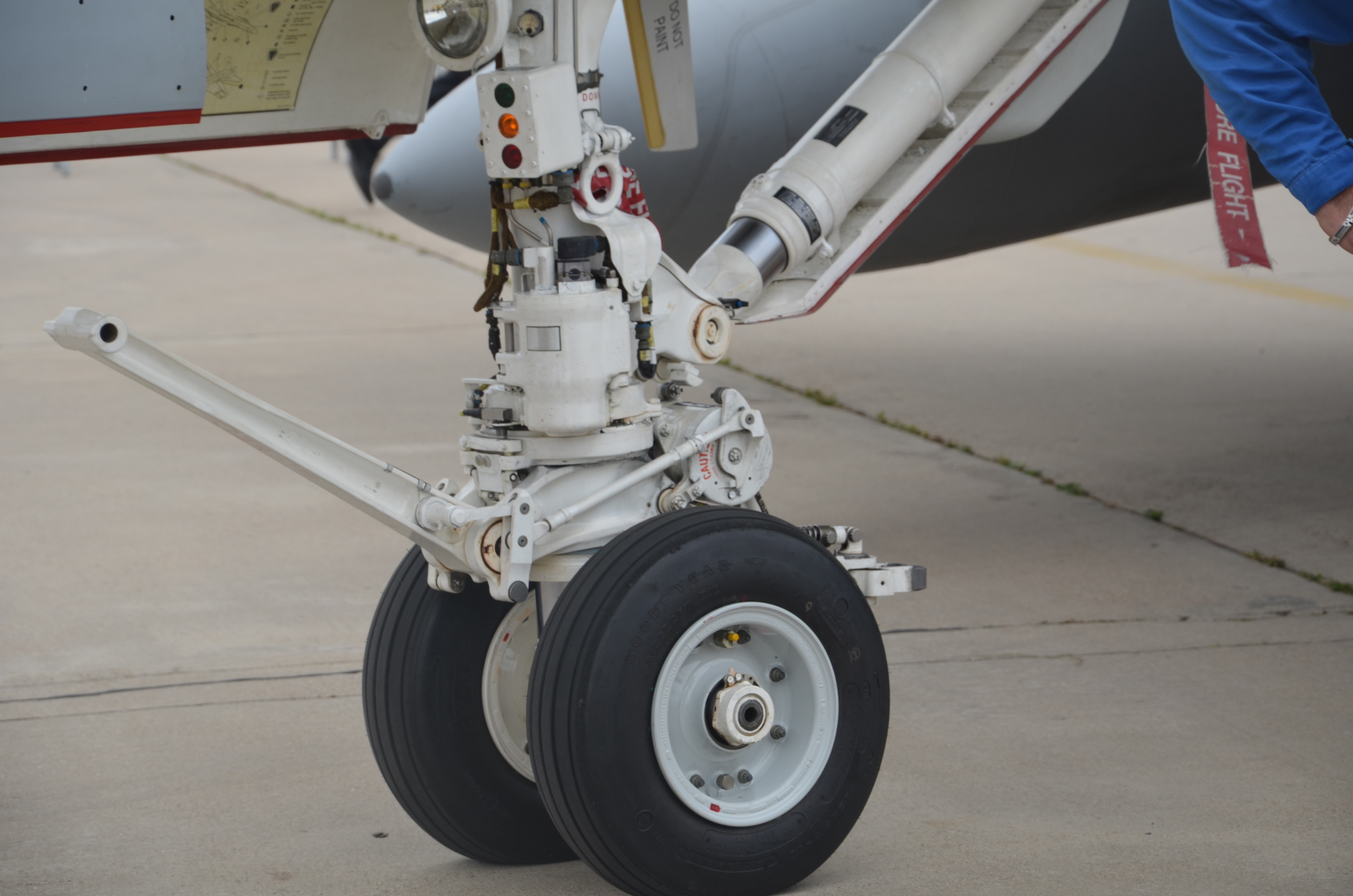
Bias-ply construction ensures high-speed performance and greater load capacity. The specialized cord body shape reduces stress as the tire cycles from tension to compression. The specially compounded tread design and large contact area perform well in a wide range of operating conditions.
Flight Mate
Made from a proprietary butyl rubber compound, the Flight Mate inner tube offers excellent resistance to inflation loss and remains flexible and functional even in frigid temperatures as low as -50°C. Continuous extruded construction ensures uniform thickness and better balance, and eliminates potential weak spots due to overlaps. The premium aircraft valve provides reliable air retention and easy pressure monitoring.
Flight Radial
Strong, rigid tread belts with enhanced rubber offer dimensional stability for longer life and increased cut resistance. Radial construction provides more landings per tire, while the optimized bead design reduces weight.
Flight Special II
Ideal for general aviation aircraft, the Flight Special II features a wide-rib tread design and a large footprint for enhanced traction. The tough-wearing tread rubber with triple-tempered nylon casing cord promotes uniform wear and extended service life.
Rib
The unique cord body shape helps reduce stress as the tire cycles from tension to compression. Its tough casing design performs well in a wide range of operating conditions. The specially compounded tread design and large contact area offer added versatility for multiple runway types.
Michelin Soars High: A Long History of Aviation Tires
Founded in 1889, Michelin is another titan in the tire manufacturing industry. Known for its innovation and quality, Michelin entered the aviation market in the early 20th century, applying its extensive tire-technology expertise to the challenges of aviation. Michelin's aviation tires have earned a reputation for reliability, performance, and advanced engineering, making them a trusted choice for aviators worldwide.
Exploring Michelin’s Aircraft Tire Offerings
With a diverse range of options, Michelin aircraft tires are engineered to meet the requirements of many different aircraft types:
Air
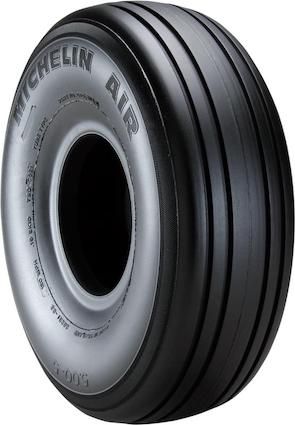
The thick rubber tread provides a long tire life and lower costs due to fewer replacements. Optimized sidewalls resist cracking, while the unique bead design and contoured shoulder offer improved stability and impact absorption. Strong, lightweight cords ensure smooth handling, even wear, and heat resistance.
Air X
Compared to bias tires, this radial weighs considerably less and runs cooler, leading to fuel savings, longer tread life, and fewer replacements. Its strong carcass design and cut-resistant tread deliver better stability and cut resistance, less heat buildup, and lower maintenance costs.
Airstop
Made from Michelin’s exclusive butyl rubber compound, the Airstop inner tube provides excellent air retention. An outstanding fit between the tube and the tire casing ensures easy installation, while the unique tube design enhances overall wheel assembly balance for long-lasting reliability.
Aviator
A protective air cushion lining prevents inner tube chafing for extended life, while “Posi-Fit” bead construction offers improved lateral stability. Specialized rubber compounds and a UV-protected sidewall provide excellent wear and crack resistance. Strong, lightweight nylon cords reduce heat buildup for long life and even wear.
Pilot
Highly durable rubber compounds and a deeper skid depth provide extended tire life. An optimized tread design promotes precise handling during taxiing, takeoffs, and landings. The tubeless design reduces overall weight and helps eliminate tire creep on the wheel. The Pilot boasts long-lasting protection against ozone, UV rays, and even hydroplaning.
Condor
Flight schools and private pilots have long trusted this tire for its unbeatable durability and value. Strong sidewalls handle even hard landings with ease, while the tough tread resists wear and minimizes heat buildup. The Condor offers the new tire peace of mind that a retread simply can’t match.
The Bottom Line
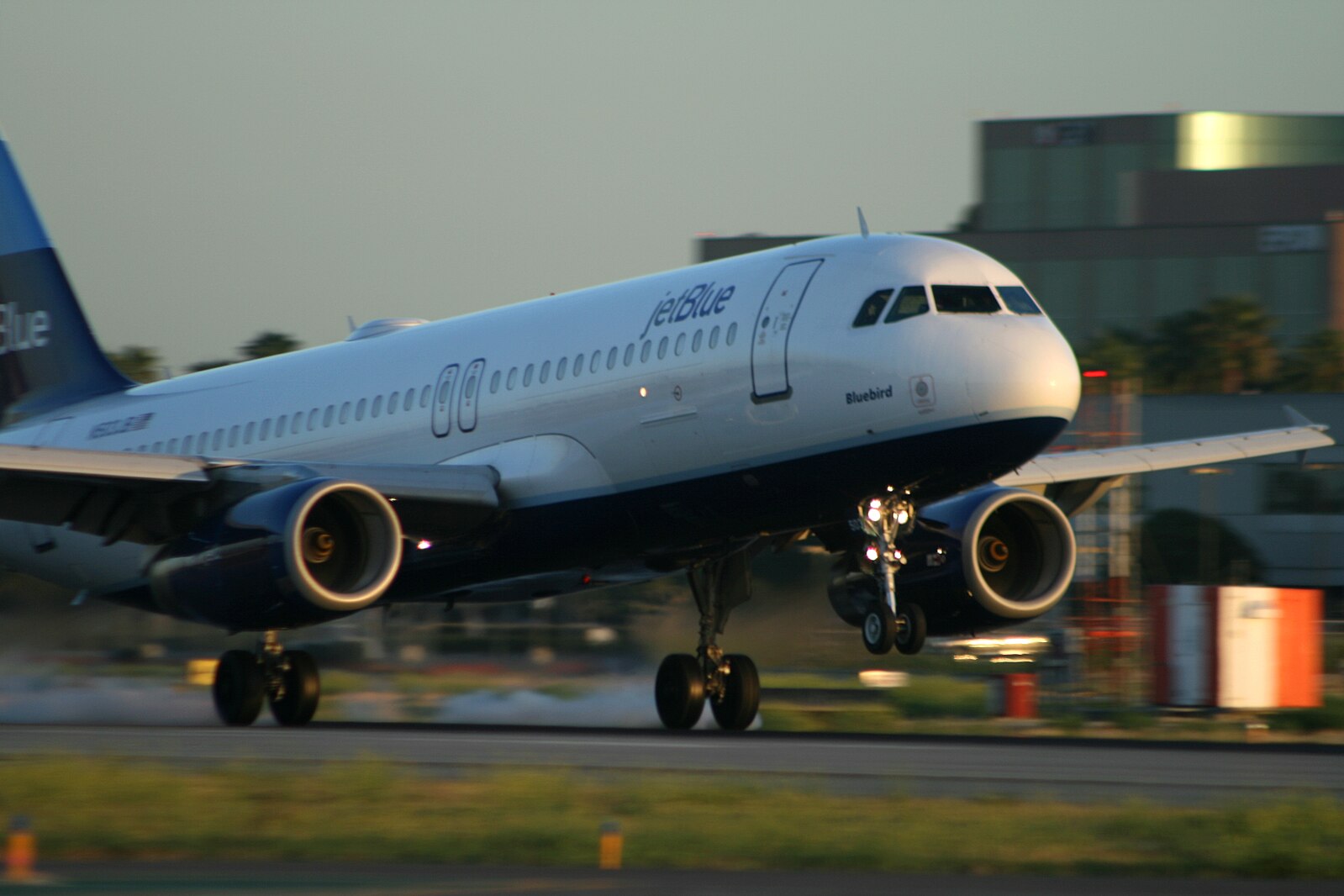
In the demanding world of aviation, the quality of your aircraft tires can significantly impact safety, performance, and operational costs. Both Goodyear and Michelin have established themselves as industry leaders, offering a broad range of high-quality aircraft tires designed to meet the rigorous demands of aviation.
Pilot John International® (PJi®) is a trusted provider of Goodyear and Michelin aviation tires. Our expansive inventory caters to a wide range of aircraft, from light-sport aircraft to commercial jets.
Our aviation specialists have in-depth knowledge of both brands’ offerings and can help you select the perfect tires to meet your specific needs and aircraft requirements. Call, email, or chat with us today!