




How Do Jet Engines Work?
Key Takeaways
- Jet engines generate thrust by drawing in air, compressing it, mixing it with fuel, igniting the mixture, and expelling the resulting high-speed exhaust gases – a thermodynamic process known as the Brayton Cycle that converts fuel energy into forward propulsion.
- The four primary jet engine types – turbojet, turbofan, turboprop, and ramjet – each suit different aircraft and mission profiles. Turbofans dominate commercial aviation for their fuel efficiency and quieter operation, while turboprops excel at lower speeds and altitudes, and ramjets are reserved for supersonic military applications.
- Commercial jet engines typically produce between 20,000 and 100,000 pounds of thrust, reach noise levels up to 140 decibels at takeoff, weigh between 3,000 and 7,000 lbs, and are designed for service lives of roughly 20,000 to 30,000 flight hours – all dependent on engine type, application, and maintenance history.
- Regular maintenance – including borescope inspections, component replacements, and performance monitoring via onboard sensors – is essential to preventing power loss, excessive fuel consumption, and premature engine failure.
- PJi stocks a comprehensive range of jet engine maintenance tools, equipment, and replacement parts from trusted brands including USA Borescopes, NextGen, Barfield, Tronair, Barry Mounts, Champion Aerospace, and Kell-Strom.
Jet engines are a marvel of engineering, harnessing the power of rapidly moving air to propel aircraft at incredible speeds. These engines operate on the principle of jet propulsion: air is drawn into the engine, compressed, mixed with fuel, and ignited, producing a high-speed exhaust that generates thrust. This process propels the aircraft forward, enabling it to break through the air with efficiency. In this article, we’ll explore how jet engines work, their different types, and the importance of properly maintaining these powerful machines.
What Is a Jet Engine?
A jet engine is an internal combustion engine that powers aircraft by converting fuel into thrust. The process begins when air enters the engine through an intake and is compressed by a series of rotating blades. The compressed air is then mixed with fuel in a combustion chamber and ignited, creating high-temperature, high-pressure gases.
These gases are expelled through a nozzle at the back of the engine, creating thrust and propelling the aircraft forward. Jet engines come in various types, but they all operate on the basic principle of converting air pressure into kinetic energy to generate thrust.

When Was the Jet Engine Invented?
The jet engine was invented during World War II, with significant contributions from British engineer Frank Whittle and German engineer Hans von Ohain. Frank Whittle is widely regarded as the inventor of the turbojet engine, patenting the idea in 1930. His design became a reality in the early 1940s with the development of the Gloster Meteor, the first jet-powered aircraft.
Similarly, von Ohain developed a jet engine in Germany, leading to the creation of the Heinkel He 178, the first jet-powered aircraft to fly in 1939. Since its inception, jet technology has evolved rapidly, with modern engines becoming far more efficient, quieter, and environmentally friendly.
How Does a Jet Engine Work?
Jet engines work by converting the energy in fuel into mechanical energy through a series of steps. The air enters the engine and is compressed by the compressor blades, raising its pressure. This high-pressure air is then mixed with fuel and ignited in the combustion chamber.
The resulting hot gases rapidly expand and pass through turbines, which extract energy to power the compressors. Finally, the gases are expelled through the exhaust, creating thrust. This entire process is a part of the Brayton Cycle, a thermodynamic cycle used by jet engines to efficiently convert fuel into thrust.

What Are the Different Types of Jet Engines?
Jet engines come in several different types, each designed to meet specific flight requirements and aircraft needs. The most common types include turbojets, turbofans, turboprops, and ramjets.
Each of these engine types serves a unique purpose, whether for high-speed travel, fuel efficiency, or low-altitude operations. Understanding the differences between them is essential to appreciating their roles in modern aviation, as each type is tailored to specific aircraft designs and performance criteria.
Turbojet Engines
Turbojet engines are the earliest form of jet engine and are known for their simple design. They operate by drawing in air, compressing it, mixing it with fuel, and igniting the mixture to produce exhaust gases that drive a turbine. Turbojets are highly efficient at higher speeds and altitudes, making them ideal for supersonic flight. These engines are typically found in military aircraft such as the McDonnell Douglas F-4 Phantom and in older commercial jets designed for high-speed flight.

Turbofan Engines
Turbofan engines are the most common type of jet engine used in commercial aviation. They work similarly to turbojets but include an additional fan at the front of the engine, which helps to bypass a large portion of the air around the engine core. This design offers greater fuel efficiency, quieter operation, and a more balanced performance across a range of speeds, especially for subsonic commercial flights. Most modern airliners, such as the Boeing 737 MAX and Airbus A320, use turbofan engines for their efficiency and quieter operation.
Turboprop Engines
Turboprop engines combine elements of jet engines and propellers. In these engines, the turbine powers a propeller instead of a fan, providing thrust through the spinning blades. Turboprops are more efficient at lower speeds and are commonly used for regional aircraft that operate over shorter distances. Aircraft like the ATR 72 or the Bombardier Dash 8-100 are powered by turboprop engines, which offer excellent fuel efficiency for smaller aircraft operating at lower altitudes.
Ramjet Engines
Ramjet engines are designed for high-speed, supersonic aircraft. Unlike turbojets or turbofans, ramjets do not have moving parts such as compressors or turbines. Instead, they rely on the aircraft's high speed to compress incoming air, which is then mixed with fuel and ignited. This makes them highly efficient at supersonic speeds but less effective at lower speeds. Ramjets are typically used in military supersonic aircraft or missiles, such as the Lockheed Martin SR-71 Blackbird or the Boeing X-51 Waverider.

How Are Jet Engines Serviced and Maintained?
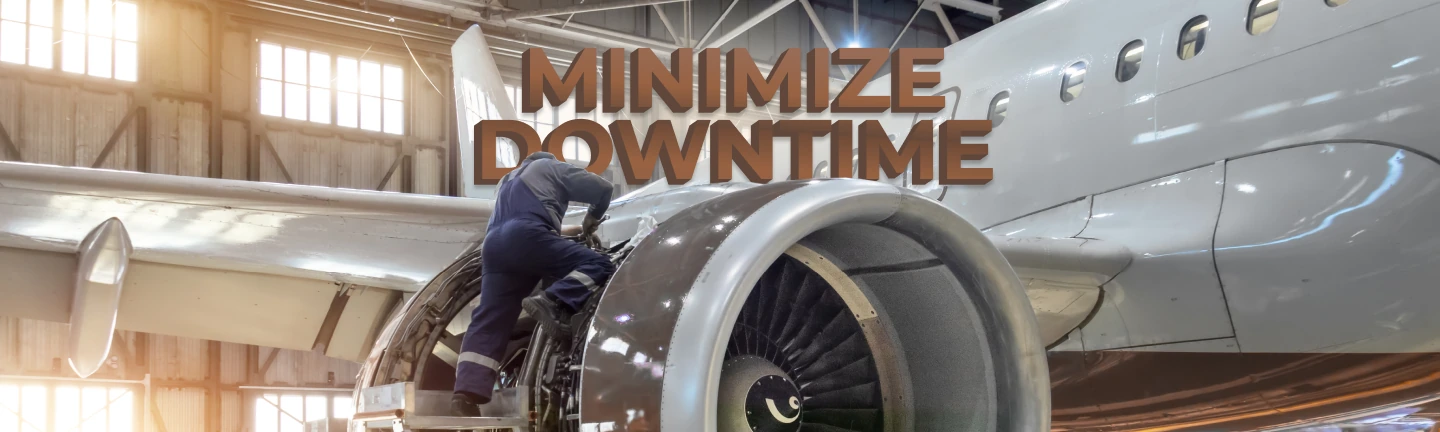
Jet engines require routine maintenance to ensure optimal performance and reliability. Servicing and maintenance tasks include checking and replacing components like filters, fuel lines, and igniters, and inspecting for wear and tear. Engine maintenance is crucial for preventing issues such as power loss, excessive fuel consumption, and catastrophic failures.
Technicians often use specialized equipment, such as borescopes, for internal inspections, and the engine's performance is monitored by various sensors to identify issues early. Regular maintenance not only extends the engine's lifespan but also ensures the aircraft's safety and efficiency.
Frequently Asked Questions About Jet Engines
Now that we’ve taken a closer look at how jet engines work, let’s address some commonly asked questions about their performance, capabilities, and applications.
How Do Jet Engines Differ from Traditional Piston Engines?
Jet engines differ from traditional piston engines in how they generate power. Piston engines use internal combustion to drive pistons, which then turn the crankshaft to produce mechanical power, typically to drive a propeller.
In contrast, jet engines operate on the principle of air compression, combustion, and thrust, utilizing high-speed exhaust gases to propel the aircraft. Jet engines are more efficient at high speeds and altitudes compared to piston engines, which are often used in smaller aircraft.
How Loud Is a Jet Engine?
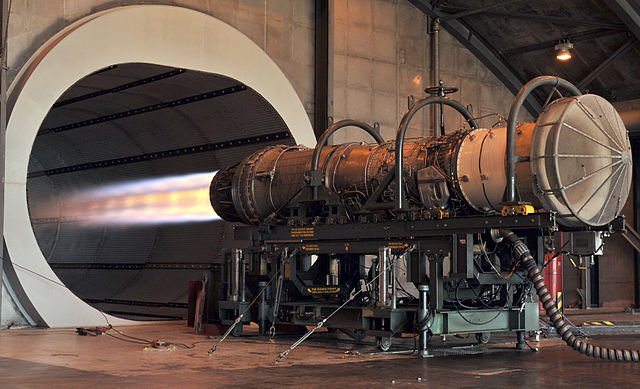
Jet engines can be quite loud, reaching up to 140 decibels during takeoff. The noise comes from the combination of the high-speed exhaust gases and the mechanical movement of the engine components, including fans and turbines.
Efforts have been made to reduce jet engine noise through designs such as quieter turbofan engines and noise-reducing technologies in aircraft, making modern jets considerably quieter than their predecessors.
How Much Horsepower Does a Jet Engine Have?
Jet engines are incredibly powerful, with most commercial jet engines producing between 20,000 and 100,000 pounds of thrust. This translates to significant horsepower, with larger engines capable of generating up to 110,000 horsepower.
However, jet engines are rated in terms of thrust rather than horsepower, which measures force rather than rotational power. The power output varies depending on the engine's design, application, and purpose.

How Much Does a Jet Engine Weigh?
The weight of a jet engine depends on its size and design. Commercial jet engines typically weigh between 3,000 and 7,000 pounds (1,360 to 3,175 kg). Larger engines used in wide-body aircraft can weigh even more. Despite their weight, jet engines are designed to provide high thrust-to-weight ratios, allowing them to propel large aircraft efficiently.
How Long Can a Jet Engine Run Continuously?
A jet engine can run continuously for several hours during flight, with the average flight lasting between 1 and 16 hours. However, the actual continuous operation time depends on factors such as the engine type, fuel consumption rate, and maintenance schedule. While modern jet engines are built to withstand prolonged operation, regular inspections and servicing are required to ensure their continued safety and performance.
What Is the Life Expectancy of a Jet Engine?
The life expectancy of a jet engine varies, with many commercial engines lasting for about 20,000 to 30,000 flight hours. However, the actual lifespan depends on the engine's use, maintenance, and operating conditions. Regular inspections, repairs, and overhauls are essential to extending the life of a jet engine and keeping it in good working condition.
Who Makes Jet Engines?
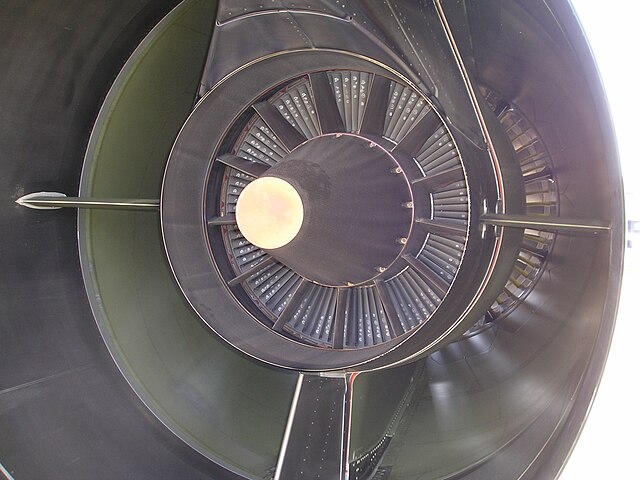
Several major manufacturers design and produce jet engines, including Pratt & Whitney, General Electric, Rolls-Royce, and CFM International. These manufacturers produce engines for a wide range of aircraft, from commercial airliners to military jets, each designed to meet specific performance goals.
What Are Some Non-Aircraft Uses for Jet Engines?
Jet engines have applications beyond aircraft, including industrial gas turbines, power plants, and even land-based vehicles such as jet-powered cars. Jet engines are also used for propulsion in ships and locomotives, and older military jet engines have been repurposed for power generation. In the automotive industry, jet engines have been used in drag racing cars to achieve incredible speeds.

The Bottom Line
Understanding how jet engines work is crucial for anyone involved in the aviation industry, from maintenance technicians to pilots. Proper maintenance and regular inspections are essential to ensuring the safety, efficiency, and reliability of aircraft, helping prevent failures and extend the engine's operational life.
Pilot John International® (PJi®) is your trusted source for premium tools and equipment used to maintain aircraft jet engines of all types and sizes. We offer a wide range of products, including borescopes and videoscopes from USA Borescopes, engine stands from NextGen, and turbine temperature test units from Barfield.
Additionally, we carry essential maintenance equipment, including engine slings and compressor washers from Tronair, engine shields and exhaust barriers from Sesame Technologies, and specialized tooling for Pratt & Whitney engines from Kell-Strom.
We also provide a comprehensive selection of aircraft engine replacement parts, including engine mounts and vibration isolators from Barry Mounts, turbine engine igniters and exciters from Champion Aerospace, engine gaskets and seals from Real Gaskets, and engine magnetos from Bogert Aviation.
Our knowledgeable aviation specialists are ready to help you find the right tools, equipment, and parts for maintaining aircraft jet engines in your fleet. Call, email, or chat with us today!