How to Choose the Right Engine and Propeller Stands for Your Fleet
Key Takeaways
- Aircraft engine stands are purpose-built GSE that stabilize, position, and support jet and turboprop engines during removal, installation, overhaul, and transportation – preventing misalignment, structural stress, and component damage that can cost millions to replace or repair.
- Engine stands fall into several categories – mobile work stands, portable turbine stands, positioning-wheel stands, gear-driven stands, and APU stands – each suited to different engine types, tasks, and facility configurations.
- Compatibility is a critical selection factor. Some stands are designed for specific engine models, while others use modular adapters to accommodate multiple platforms such as the IAE V2500A, Rolls-Royce Trent 700, or GE90. Heavier engines require stands with correspondingly higher load ratings and reinforced construction.
- Propeller stands protect turboprop and general aviation propellers from warping, blade stress, and misalignment during storage, transport, and inspection – preserving the structural integrity of components that are easily damaged by improper handling.
- Key selection criteria for both engine and propeller stands include weight capacity, aircraft and engine compatibility, mobility requirements, and construction quality – with high-strength steel or aluminum frames being standard for demanding MRO and flight-line environments.
- PJi stocks engine stands, propeller stands, and APU stands from Tronair, NextGen, and Bogert Aviation, with specialists available to help match the right solution to specific engine models and maintenance requirements.
Aircraft maintenance requires precision, safety, and efficiency. Whether your team is performing an engine removal, installation, or a full overhaul, selecting the right aircraft engine stand or propeller stand is critical. These essential pieces of ground support equipment (GSE) provide stability, accessibility, and security during inspections, repairs, and transportation. By supporting delicate and costly components, they help technicians complete tasks more safely and efficiently.
Choosing the wrong solution can lead to delays, inefficiencies, or even costly damage to aircraft engines and propellers. With a variety of options available – from mobile engine work stands and portable turbine engine stands to propeller restraint kits and APU stands – it’s essential to match the right equipment to your operational needs.
In this article, we’ll explore the different types of aircraft engine and propeller stands, their role in aviation maintenance, and the key factors to consider when selecting the best options for your fleet.

Why Is an Aircraft Engine Stand Essential for Maintenance?
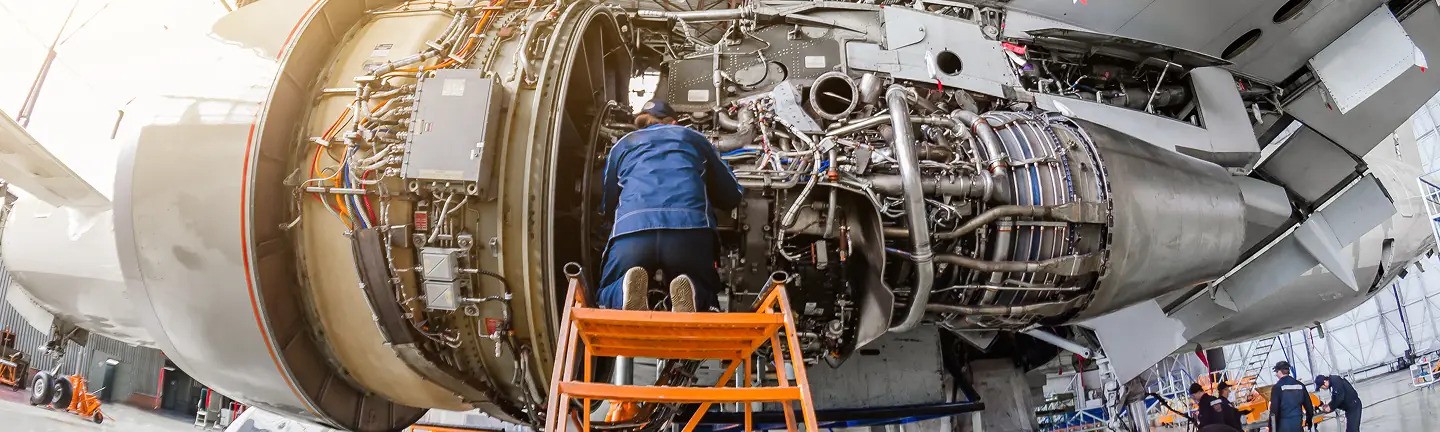
An aircraft engine stand is a specialized GSE solution designed to secure, transport, and position aircraft engines during maintenance. These stands provide a stable work platform, enabling technicians to perform inspections, repairs, and overhauls safely and efficiently.
Because jet and turboprop engines are heavy, delicate, and expensive, the right stand prevents misalignment or structural stress during servicing and storage. A high-quality stand also reduces strain on maintenance crews by offering ergonomic access to critical components, ultimately minimizing downtime and improving workflow.
What Types of Engine Stands Are Commonly Used in Aircraft Maintenance?
There are several types of aircraft engine stands, each suited to specific models and tasks:
- Mobile Engine Work Stands – Designed for flexibility, with casters or wheels for maneuverability and adjustable-height platforms for improved access.
- Portable Turbine Engine Stands – Compact and lightweight, these allow for quick transport and field maintenance.
- Positioning-Wheel Turbine Engine Stands – Provide controlled rotation for precise alignment, easing engine installation and removal.
- Gear-Driven Turbine Work Stands – Mechanized systems that allow exact positioning for additional safety and control.
- APU Stands – Built for auxiliary power units (APUs), offering secure support and stability during removal, transport, or storage.

How Do Engine Stands Support Engine Removal, Installation, and Transportation?
Aircraft engine removal and installation require precise positioning to prevent damage. Stands provide adjustable support at the correct height and angle, ensuring engines can be detached and reattached smoothly.
During aircraft engine transportation, advanced stands use shock-absorbing mounts to reduce vibration and locking mechanisms to stabilize the engine. Whether moving a turbofan like the General Electric GE90 across the hangar or securing a turboprop APU for shipping, the right stand keeps components safe and reduces risk.
How Do Engine Stands Improve Safety and Efficiency in Aviation Maintenance?
Using the proper engine stand minimizes the risk of accidents and improves efficiency by stabilizing engines throughout servicing, transport, and storage. Ergonomic access also eliminates the need for unsafe lifting and reduces fatigue for aviation maintenance crews.
Features like reinforced frames, locking casters, and balanced weight distribution ensure consistent safety standards. By streamlining engine handling, stands reduce turnaround times, protect costly aircraft engines, and keep fleets mission-ready.

How Are Aircraft Engine Stands Designed to Accommodate Different Engine Models?
Some aircraft engine stands are tailored to specific engines, while others feature adjustable or modular designs. Facilities often rely on interchangeable adapters to maximize versatility, allowing one stand to accommodate multiple engines such as the IAE V2500A or the Rolls-Royce Trent 700.
Key considerations include mounting systems, weight capacity, and engine size. For heavier models like the GE90, reinforced construction and higher load ratings are mandatory to ensure safe operation. Selecting the proper configuration guarantees secure support and efficient maintenance.
What Are the Benefits of Using Mobile Engine Work Stands?
Mobile engine stands offer maneuverability in hangars and MRO bays. Equipped with wheels or casters, they allow engines to be moved efficiently between work areas without requiring additional lifting equipment.
Adjustable platforms improve technician ergonomics, while locking systems ensure stability during servicing. For operators managing multiple aircraft engines, mobile work stands enhance workflow efficiency and reduce downtime.

What Factors Should Be Considered When Choosing an Aircraft Engine Stand?
When selecting the best engine stand, keep these factors in mind:
- Weight Capacity – Must be able to safely support the full weight of the engine.
- Aircraft Compatibility – Ensure the stand matches your engine type or offers modular adaptability.
- Mobility – Decide between stationary stands for long-term use or mobile engine stands for flexibility.
- Durability – Look for high-strength steel or aluminum construction to withstand demanding aviation maintenance environments.
What Role Do Propeller Stands Play in Aircraft Maintenance Procedures?
Aircraft propeller stands are designed to safely store, transport, and service propellers for turboprops and general aviation aircraft. Improper handling can warp or damage blades, but dedicated stands like the Bogi Lift & Sling from Bogert Aviation prevent misalignment and stress.
By securing the propeller for inspections, refinishing, or repairs, these stands streamline workflows and extend component life. They are indispensable for protecting high-value aircraft propellers during both storage and transportation.
How Do Propeller Stands Support Safe Handling and Inspections?
A propeller stand provides stability with padded supports and locking brackets that prevent bending or shifting. This ensures the structural integrity of aircraft propellers while reducing risk to maintenance crews.
Adjustable designs allow technicians to rotate blades during inspections for thorough examination. By keeping propellers secure and accessible, stands enable precise work while reducing the chance of costly damage.
The Bottom Line

Investing in the right aircraft engine and propeller stands is vital to efficient, safe, and cost-effective maintenance operations. From engine removal and installation to long-term storage and transportation, these tools protect critical components, reduce downtime, and keep fleets flying.
At Pilot John International® (PJi®), we carry a wide selection of engine stands, propeller stands, and APU stands from trusted manufacturers such as Tronair, NextGen, and Bogert Aviation. Whether you’re servicing a General Electric CF6-80C2, CFM International CFM56-7, or Pratt & Whitney PW4000-100 aircraft engine, we offer solutions designed for your exact maintenance needs.
If you need help selecting the best aviation ground support equipment, our specialists are here to assist. Contact us today by phone, email, or live chat to find premium GSE solutions for your aircraft engine and propeller maintenance operations.