Ultimate Guide to Aircraft Turbine Temperature Testing
Key Takeaways
- Turbine temperature testing verifies the accuracy of the entire EGT indicating system – from thermocouples through harness wiring to cockpit displays. Inaccurate readings can mask dangerous operating conditions or drive unnecessary maintenance.
- Test units simulate thermocouple outputs to calibrate cockpit instruments against known reference values without live engine heat, enabling safe, controlled testing anywhere maintenance is performed.
- The Barfield TT1000A supports multiple thermocouple types (K, J, E, T) in an analog/digital hybrid format ideal for troubleshooting. The TT1200A adds higher precision, insulation resistance testing up to 200 MΩ, and automatic temperature compensation.
- Both Barfield units require annual calibration with a resulting compliance certificate – and PJi offers calibration services to keep test equipment current and ready for use.
- PJi offers the full Barfield turbine temperature lineup – TT1000A, TT1200A, and engine-specific adapter cables for GE CF6 series engines – backed by specialists who can help match the right unit to your operation.
Accurate monitoring of turbine engines is one of the most critical aspects of aviation maintenance. Modern turbine engines operate under extreme conditions, and even slight deviations in temperature readings can affect safety, efficiency, and overall performance. This is why turbine temperature testing plays such a central role in ensuring reliability for both commercial and general aviation operators.
Turbine temperature testing isn’t just about numbers – it’s about protecting the heart of the aircraft. Exhaust gas temperature (EGT) data helps technicians and pilots determine whether the engine is operating within safe parameters, while also supporting efficiency targets that directly impact fuel burn and cost. Proper testing ensures that turbine engines run smoothly, safely, and within design tolerances.
Barfield, a proven leader in aircraft ground support test equipment (GSTE), has built a reputation for producing some of the most dependable turbine temperature test units available. With models such as the Barfield TT1000A and Barfield TT1200A, aviation maintenance teams have access to high-accuracy, field-proven equipment designed for today’s demanding turbine engines. In this article, we’ll break down what turbine temperature testing is, how it works, the equipment involved, and why Barfield test units like the TT1000A and TT1200A are trusted across aviation.
What Is Aircraft Turbine Temperature Testing?
Aircraft turbine temperature testing refers to the process of verifying the accuracy and functionality of an aircraft’s thermocouple-based temperature monitoring system. These systems monitor the high temperatures in a turbine engine’s exhaust gas stream, typically using Type K (Chromel-Alumel) thermocouples. Accurate readings are critical because they allow pilots and maintenance crews to ensure engines operate within safe thermal limits.
Without turbine temperature testing, operators risk relying on inaccurate or faulty readings, which can lead to engine inefficiency, overheating, or even catastrophic failure. By conducting turbine temperature testing during scheduled inspections or troubleshooting, technicians confirm that the indicating system provides trustworthy data for both performance and safety.
What Equipment Is Used to Perform Turbine Temperature Testing?

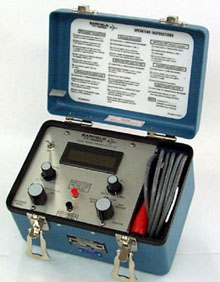
The primary tools used are aircraft turbine temperature test units, such as the Barfield TT1000A and Barfield TT1200A. These self-contained, battery-powered devices simulate thermocouple outputs, measure resistance, and check insulation within turbine temperature indicating systems. By replicating operational conditions, these units allow technicians to test aircraft turbine engines without relying on live engine heat.
Barfield test units are considered essential ground support test equipment because they provide a controlled, accurate means of evaluating EGT systems. Whether in a hangar, on the flight line, or during heavy maintenance checks, these devices give maintenance crews confidence that their turbine temperature monitoring systems are calibrated and fully operational.
How Do Aircraft Turbine Temperature Test Units Work?
Turbine temperature test units connect directly to an aircraft’s thermocouple leads or adapter cables. Once connected, they simulate the resistance and voltage output of a working thermocouple, allowing cockpit indicators or digital displays to be calibrated against known reference values. For example, a technician can simulate temperatures ranging from startup conditions to maximum operational limits to confirm the accuracy of cockpit instruments.
In addition to simulation, these test units measure thermocouple resistance and lead integrity, which helps identify wiring issues or sensor degradation. Units such as the Barfield TT1200A also feature insulation resistance testing, helping prevent faults caused by short circuits or poor insulation. With features such as automatic cold-junction compensation and clear digital displays, Barfield’s units simplify complex testing while reducing the potential for error.
Why Is Turbine Temperature Monitoring Essential in Aircraft Maintenance?

Turbine engines operate at extreme temperatures, and exceeding safe limits can quickly damage critical components. Aircraft turbine temperature monitoring helps ensure engines do not run hotter than their design tolerances, protecting turbine blades, combustion chambers, and other high-stress components.
In terms of performance, accurate temperature data enables operators to run engines at the highest possible efficiency without risking damage. This translates into improved fuel efficiency, longer component life, and reduced maintenance costs. Regular testing also serves as a troubleshooting tool, enabling technicians to pinpoint faulty sensors, wiring issues, or miscalibrated cockpit indicators before they cause costly downtime or unsafe conditions.
What Aircraft Components Are Tested Using Turbine Temperature Test Equipment?
When using aircraft turbine temperature test equipment, technicians assess the entire indicating system, from the sensor to the cockpit display. This includes:
- Thermocouples – the sensors that convert heat energy into electrical signals.
- Harness Wiring and Connectors – which transmit those signals to cockpit indicators.
Insulation Systems – to prevent electrical faults and ensure signal integrity. - Cockpit Indicators or Displays – which must be calibrated against simulated inputs for accuracy.
By testing each link in the chain, turbine temperature test units confirm that the system delivers reliable, safe data during actual engine operation.
When Should Turbine Temperature Testing Be Performed?
Turbine temperature testing should be incorporated into routine aviation maintenance programs. Common intervals include scheduled maintenance checks, post-overhaul testing, and any time a fault is suspected in the temperature indicating system.
For instance, if a pilot reports fluctuating or abnormal EGT readings, maintenance crews can use a turbine temperature test unit to quickly verify whether the issue lies in the thermocouples, wiring, or indicators. Likewise, before releasing an aircraft back into service after major engine work, technicians confirm that all turbine temperature monitoring systems are accurate and functional.
How Often Does Turbine Temperature Test Equipment Need Calibration or Recertification?
Like all precision aircraft ground support test equipment, turbine temperature test units must be regularly calibrated to maintain accuracy. Both the Barfield TT1000A and TT1200A require annual calibration by qualified technicians using certified reference standards.
During calibration, the unit’s output is compared against known values, and adjustments are made to ensure it delivers precise simulations and measurements. Afterward, a calibration certificate is issued, documenting compliance with aviation maintenance standards. This process guarantees that maintenance crews can trust the readings from their test equipment.
Why Choose Barfield for Aircraft Turbine Temperature Test Equipment?

Barfield has been a trusted name in ground support test equipment (GSTE) for decades, serving airlines, MROs, military operators, and general aviation alike. Known for rugged construction and reliable performance, Barfield test sets are designed to withstand the harsh conditions of hangars and flight lines.
The Barfield TT1000A is an analog/digital hybrid test unit with a broad simulation range and compatibility with multiple thermocouple types, including K, J, E, and T. Its versatility makes it ideal for troubleshooting both analog and digital indicators. The Barfield TT1200A, by contrast, is a digital turbine temperature test unit that offers higher precision, enhanced resistance simulation, insulation testing up to 200 MΩ, and automatic ambient temperature compensation.
Together, the TT1000A and TT1200A provide comprehensive solutions for aircraft turbine temperature testing, covering everything from general aviation to large commercial aircraft. Barfield also supplies specialized adapter cables for engine families like the GE CF6-80, CF6-50, and CF6-6, ensuring compatibility across a wide range of aircraft turbine engines.
The Bottom Line
Turbine temperature testing is a vital component of aircraft maintenance, ensuring turbine engines operate safely, efficiently, and reliably. By verifying thermocouples, wiring, and indicators, test units help operators avoid costly engine damage while supporting optimal performance.
Barfield remains the benchmark in this area, with trusted test units that deliver durability, precision, and ease of use. Their widespread adoption across airlines, MROs, and flight departments underscores their reputation as some of the best turbine temperature test units available.
At Pilot John International® (PJi®), we’re proud to provide a full range of Barfield turbine temperature test equipment, including the TT1000A, TT1200A, and adapter cables tailored to specific turbine engines. We also offer expert calibration services to keep your aircraft turbine temperature test units compliant and ready for service.
Contact PJi today by phone, email, or live chat for expert guidance on choosing the right turbine temperature test unit for your maintenance operations.