




Meeting EU Safety Standards with Halon-Free Fire Extinguishers
Key Takeaways
- Halon 1211 became the aviation fire extinguisher standard because it suppresses Class A, B, and C fires quickly, leaves no residue, doesn't obscure visibility, and is safe for occupants in confined cabins – but it's an ozone-depleting substance that can no longer be ignored.
- EU Regulation 2024/590 mandates the phase-out of Halon across aviation applications, closing the loophole that allowed continued use of recycled supplies since Halon production was banned in 1994.
- Key compliance deadlines: portable extinguishers on flight decks, cabins, and lavatories must be Halon-free by December 31, 2025; cargo-compartment fixed systems by December 31, 2028; and engine/APU suppression systems by December 31, 2040.
- Compliance applies to any operator flying in EU airspace – not just EU-based carriers. Non-compliance risks penalties, grounding, or loss of certification under EASA oversight.
- H3R Aviation's Halotron BrX (zero ODP, suited for portable cabin units) and Novec 1230 (zero ODP, low GWP, designed for larger applications) are the approved Halon-free alternatives available through PJi.
For decades, Halon fire extinguishers have been the gold standard in aviation safety. Known for their unmatched ability to suppress Class A, B, and C fires without leaving residue or damaging avionics, Halon agents have become a staple in cockpits, cabins, lavatories, and cargo compartments. Pilots and operators trust them because they provide reliable fire protection in the most confined and demanding environments.
But Halon is also an ozone-depleting substance (ODS) with high ozone-depleting potential (ODP). As environmental regulations tighten, the harmful effects of Halon can no longer be ignored. In response, the European Union introduced EU Regulation 2024/590, which phases out Halon in aviation and requires operators to adopt Halon-free fire extinguishers.
At Pilot John International® (PJi®), we support this transition by offering Halotron BrX and Novec 1230 fire extinguishers from H3R Aviation. Available for purchase and shipping worldwide, these trusted solutions help operators meet EU compliance standards without compromising performance or safety.
In this article, we’ll explore what Halon is, why it has been widely used in aircraft fire extinguishers, what the new EU regulation requires, and which Halon-free alternatives operators can rely on going forward.
What Is Halon, and Why Has It Been Widely Used in Aircraft Fire Extinguishers?

Halon 1211 and Halon 1301 are clean agents long prized for their ability to stop combustion by disrupting the chemical reaction of a fire. Unlike water or dry chemical extinguishers, they leave no residue, don’t obscure visibility, and are safe for occupants in confined cabins.
Halon 1211 fire extinguishers became the aviation standard because they worked quickly on Class A (ordinary combustibles), Class B (flammable liquids), and Class C (electrical equipment) fires, all while preserving sensitive avionics. This unique combination of speed, safety, and effectiveness made them indispensable for pilots and operators worldwide.
Why Have Halon Fire Extinguishers Been So Important in Aviation?
In aviation, every second counts. A fire in flight can escalate in seconds, and Halon proved to be the most effective aircraft fire extinguisher available. Compared to dry chemical extinguishers, which the FAA advises against due to risks of corrosion, reduced visibility, and residue, Halon provided a lightweight, clean, and reliable solution.
Halon extinguishers became a global standard because they offered safety without introducing secondary hazards. This reputation lasted for decades – until growing concerns over Halon’s production and use made its impacts impossible to overlook.
What Is EU Regulation 2024/590, and Why Was It Enacted?
To support worldwide ozone protection efforts, the European Union enacted Regulation (EU) 2024/590 requiring the phase-out of Halon in aviation. While production of Halon has been banned since 1994, recycled supplies have remained in use. The new regulation closes this loophole by setting mandatory replacement deadlines.
The European Union Aviation Safety Agency (EASA) and other regulatory authorities are implementing this rule to ensure the aviation industry aligns with global efforts to address climate change and ozone depletion. Protecting the ozone layer while maintaining flight safety is at the core of this legislative change.
What Are the Key Deadlines for Compliance with EU Regulations?
The EU regulation sets clear deadlines for replacing Halon fire extinguishers, with specific dates based on the application. Staying on schedule not only ensures compliance but also supports continued certification and safe, uninterrupted operations under EASA oversight.
To help operators plan effectively, the following table outlines the specific replacement deadlines for Halon fire extinguishers under EU Regulation 2024/590.
| Application | Halon Type | Deadline for Replacement | Notes |
| Portable Fire Extinguishers – Flight Deck | Halon 1211 | December 31, 2025 | Replace with approved Halon-free alternatives, such as Halotron BrX or Novec 1230. |
| Portable Fire Extinguishers – Passenger Cabin | Halon 1211 | December 31, 2025 | Applies to all cabin-installed aviation fire extinguishers. |
| Portable Fire Extinguishers – Lavatory | Halon 1211 | December 31, 2025 | All lavatory extinguishers must be Halon-free by this date. |
| Cargo Compartment Fixed Systems | Halon 1301 | December 31, 2028 | Extended timeline due to technical integration requirements. |
| Engine and APU Fire Suppression Systems | Halon 1301 | December 31, 2040 | Longest grace period; requires certified Halon-free systems. |
What ICAO and EASA Standards Apply to Aircraft Fire Extinguisher Placement?
The International Civil Aviation Organization (ICAO) sets global standards for aviation fire protection, including the required number and placement of aircraft fire extinguishers in cabins, cockpits, lavatories, and cargo compartments. EASA and other regulatory authorities align with these standards, ensuring consistent safety across international operations.
This means compliance isn’t just about replacing Halon – it’s also about making sure the right type and number of aviation fire extinguishers are in place for each aircraft configuration.
Why Must Aircraft Operators Comply with EU Regulation 2024/590?
Compliance with EU regulations is mandatory for any operator flying in EU airspace. Non-compliance could result in penalties, grounding, or loss of certification. For operators based outside the EU, the regulation still applies if flights enter European airspace governed by EASA.
Beyond regulatory pressure, compliance ensures operators contribute to reducing environmental damage from ozone-depleting substances while maintaining safety with approved Halon alternatives. It’s both a legal requirement and a commitment to sustainable aviation.
What Halon-Free Aircraft Fire Extinguisher Alternatives Are Available?
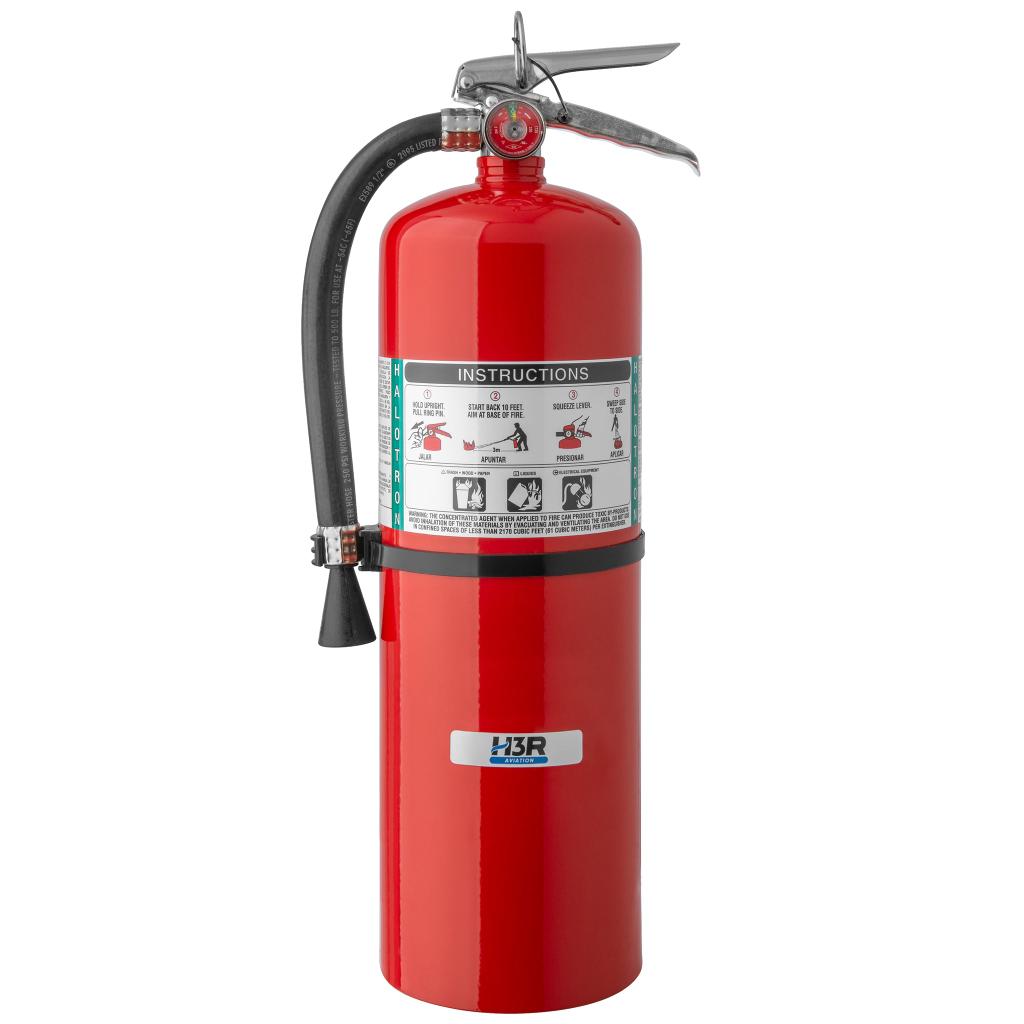
The transition away from Halon doesn’t mean compromising on safety. H3R Aviation offers a full range of Halon alternatives available through PJi:
- Halotron BrX Fire Extinguisher – Compact and effective, designed for smaller portable units in confined aircraft spaces. It offers zero ODP and is well-suited for general aviation and commercial aircraft.
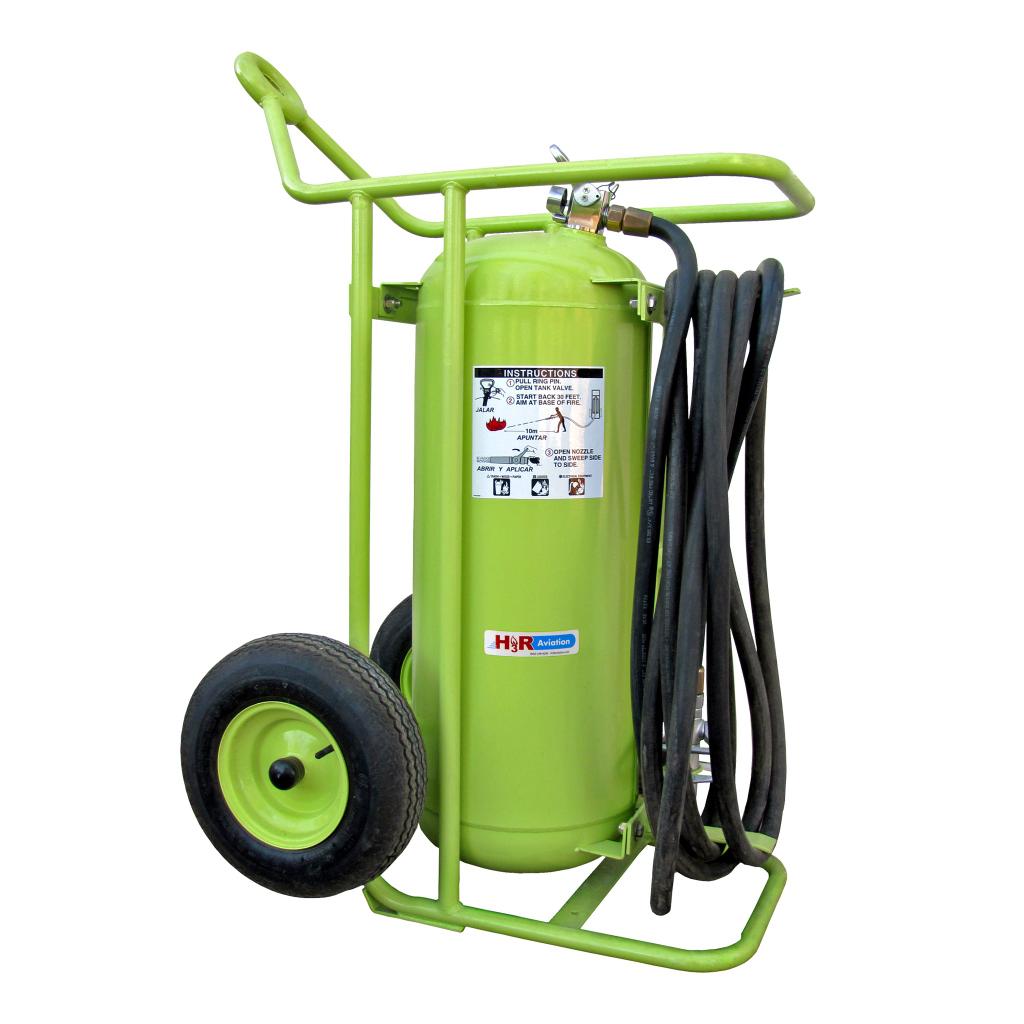
- Novec 1230 Fire Extinguisher – With zero ODP and a low global warming potential, this is the long-term replacement for larger applications such as cargo compartments. It provides powerful fire suppression and excellent safety margins.
These two options provide flexible, compliant, and environmentally responsible solutions for aviation fire extinguishers of every size.
The Bottom Line
The era of Halon fire extinguishers may be coming to an end, but the future of aviation fire safety is bright. With proven Halon-free alternatives like Halotron BrX and Novec 1230, operators can meet EU regulations while maintaining safety, reliability, and performance.
PJi is proud to offer the complete line of H3R Aviation fire extinguishers. Our aviation specialists provide expert guidance to help you select the right airplane fire extinguisher for your fleet, with fast delivery, dependable support, and international shipping available to customers worldwide.
Contact us today by phone, email, or live chat to find the right Halon replacement solution and keep your aircraft compliant, safe, and ready for the skies.