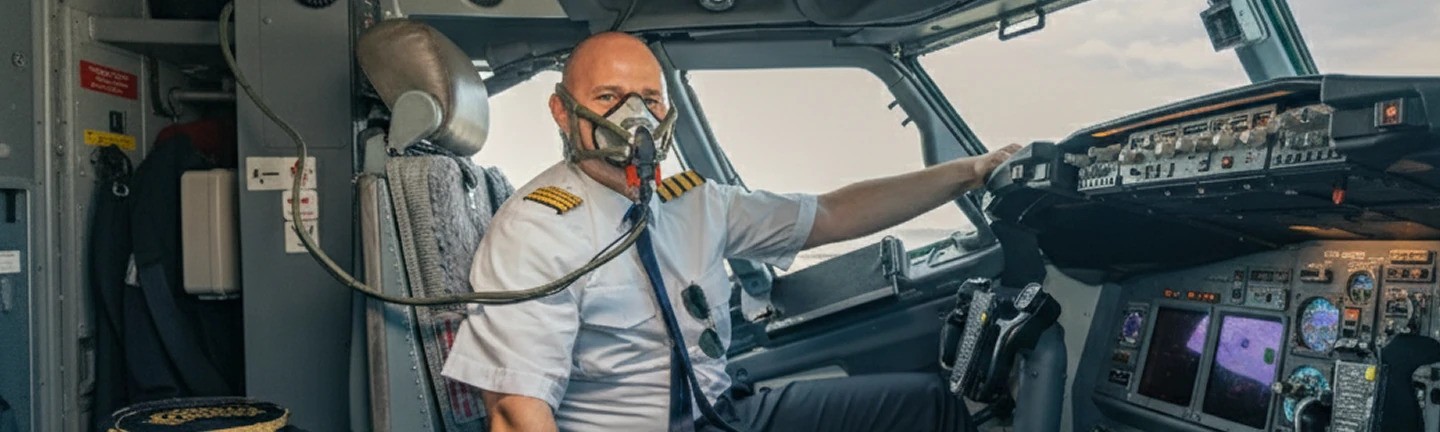
Portable Oxygen for Pilots: When You Need It and Why
Key Takeaways
- FAA regulations require flight crew to use supplemental oxygen above 12,500 feet MSL for more than 30 minutes, continuously above 14,000 feet, and mandate oxygen for all occupants above 15,000 feet – but best practice recommends use above 8,000–10,000 feet and above 5,000 feet at night.
- Hypoxia can impair judgment and reaction time before pilots notice symptoms. A fingertip pulse oximeter provides real-time blood oxygen saturation readings, helping pilots decide when to start oxygen use rather than waiting until effects are felt.
- Aviation oxygen must meet MIL-PRF-27210 standards for Gaseous Aviators Breathing Oxygen – not medical oxygen. The critical difference is moisture content: moisture in an oxygen system can freeze at altitude, restricting or blocking flow.
- Portable aviation oxygen cylinders are typically DOT 3AL aluminum and rated to 2,000 PSI. They require hydrostatic testing every five years and should be kept above 50 PSI when not in use to prevent moisture intrusion.
- PMA approval ensures oxygen cylinders and components meet FAA design and performance standards for aviation use – an important distinction when sourcing replacement parts or complete systems.
- Aerox portable oxygen systems are configurable for 1 to 6 users and include quick-disconnect fittings, built-in pressure gauges, and unlimited-life DOT 3AL cylinders – available through PJi, along with masks, spare parts, and specialist guidance.
Portable oxygen is both a regulatory requirement and a powerful safety tool for pilots operating at altitude. As an aircraft climbs higher, atmospheric pressure drops, reducing the amount of oxygen available to the body. Understanding aviation oxygen requirements and using supplemental oxygen appropriately can help prevent hypoxia, protect cognitive performance, and maintain clear decision-making in the cockpit.
Today, many aviators also carry a pulse oximeter to monitor their oxygen levels in real time, making portable aviation oxygen an essential part of flying unpressurized aircraft. In this article, we’ll explain when you need portable oxygen, why it matters, and how to choose the right system for your aircraft and mission.
What Are the FAA Oxygen Requirements for Pilots?
FAA oxygen requirements are based on cabin pressure altitude and duration of exposure. Under current regulations, flight crew must use supplemental oxygen when cabin pressure altitude exceeds 12,500 feet MSL for more than 30 minutes. At 14,000 feet MSL and above, pilots are required to use supplemental oxygen continuously. When operating above 15,000 feet MSL, oxygen must be provided to each aircraft occupant.
Many pilots ask, “At what altitude do pilots need oxygen?” Legally, the answer depends on time and altitude thresholds. However, aviation supplemental oxygen requirements represent minimum standards, not necessarily best practices. Oxygen is recommended for night flying above 5,000 feet and for extended operations above 8,000 to 10,000 feet to reduce fatigue and maintain optimal alertness.
In short, FAA supplemental oxygen requirements define compliance. Smart pilots often go beyond compliance by using portable oxygen at high altitude before hypoxia symptoms begin.
Why Is Supplemental Oxygen Essential at High Altitude?
Hypoxia occurs when the body does not receive enough oxygen to support normal physiological function. At altitude, reduced atmospheric pressure lowers blood oxygen saturation, even if you feel fine initially. The effects can include impaired judgment, slowed reaction time, reduced coordination, headaches, and fatigue.
What Is Supplemental Oxygen?
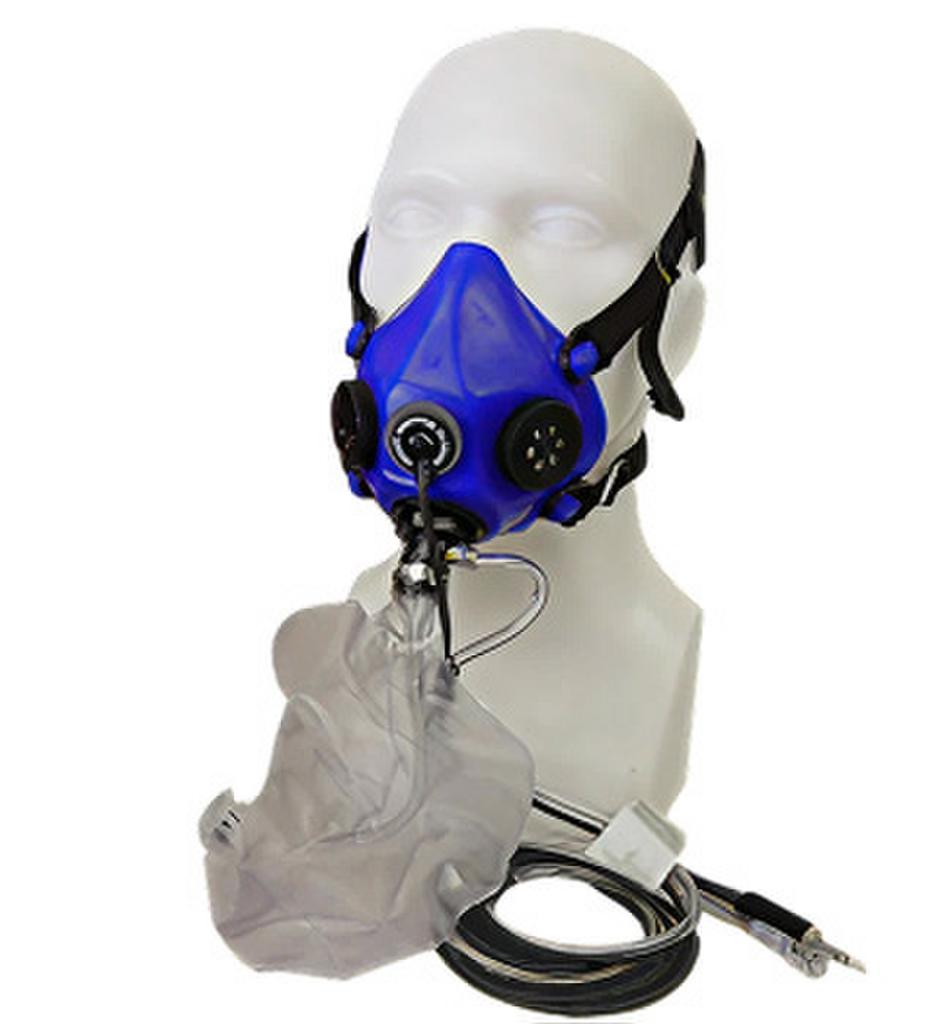
Supplemental oxygen is an enriched oxygen supply delivered through a cannula or aviation oxygen mask to maintain safe blood oxygen levels while flying. By preserving oxygen saturation, supplemental oxygen for pilots supports sharper thinking, quicker responses, and better situational awareness.
What Are the Benefits of Supplemental Oxygen?
The benefits of supplemental oxygen extend beyond regulatory compliance. On long cross-country flights, portable supplemental oxygen helps reduce fatigue and keeps you mentally sharp. Above 5,000 feet, oxygen significantly improves night vision. In complex airspace or high-workload situations, aviators breathing oxygen are better equipped to make sound decisions and manage cockpit tasks safely.
What Does a Pulse Oximeter Measure – and Should You Use One While Flying?
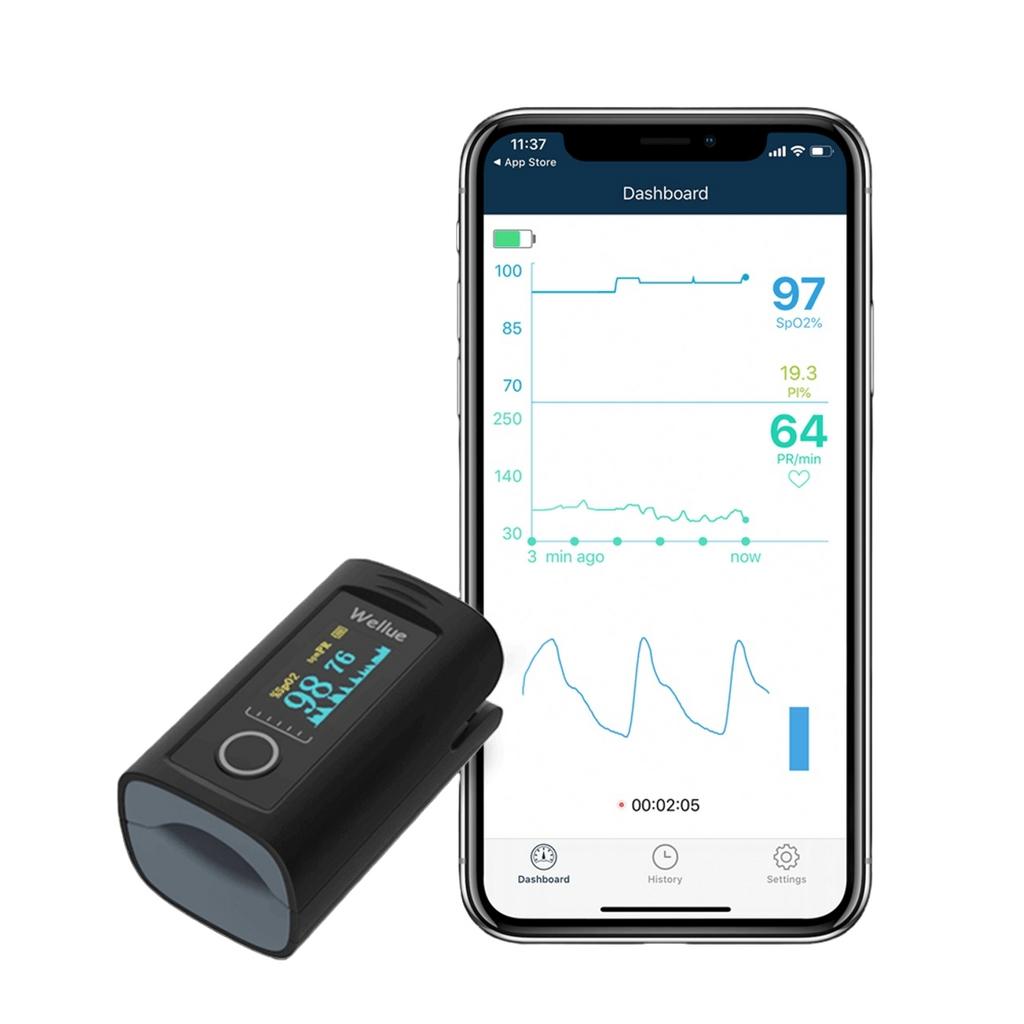
A pulse oximeter is a small device that measures blood oxygen saturation (SpO2) and pulse rate. Many pilots carry a fingertip pulse oximeter or portable pulse oximeter in their flight bag to monitor oxygen levels in real time.
What Does a Pulse Oximeter Measure?
A pulse oximeter calculates the percentage of hemoglobin in the blood that is saturated with oxygen. A normal pulse oximeter reading at sea level is typically between 95% and 100%. As altitude increases, pulse oximeter readings often decrease, especially without supplemental oxygen.
How Does a Pulse Oximeter Work?
The device shines light through the fingertip and analyzes how much light is absorbed by oxygenated versus deoxygenated blood. While pulse oximeters are generally accurate, readings can vary due to cold fingers, poor circulation, or movement. For pilots flying with oxygen, a pulse oximeter for oxygen level monitoring provides valuable feedback and helps determine when to increase flow or initiate oxygen use earlier in the climb.
What Components Are Included in a Portable Oxygen System?
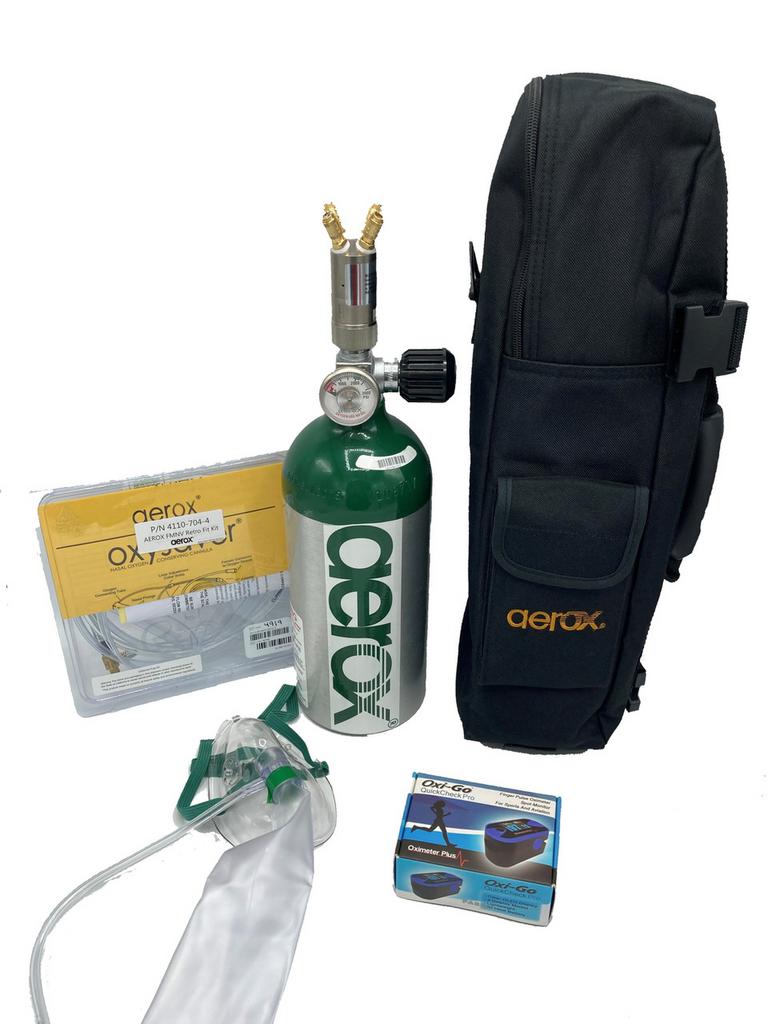
A portable oxygen system typically includes several critical components. Aerox portable oxygen systems, for example, are engineered specifically for aviation use and include:
- An oxygen cylinder (commonly aluminum DOT 3AL)
- An on/off valve
- A built-in cylinder pressure gauge
- A regulator to control the flow
- Quick-disconnect ports
- A flowmeter
- A cannula or aviation oxygen mask
The oxygen cylinder stores compressed oxygen, often up to 2,000 PSI. The regulator and flowmeter ensure the correct delivery rate based on altitude and user count. Quick-disconnect fittings allow easy configuration for a single user or multiple users.
Some systems operate in continuous flow mode, delivering a steady stream of oxygen. Others use devices such as Oxysaver® cannulas, which conserve oxygen by delivering it only during inhalation. These systems can typically be used up to 18,000 feet, increasing efficiency and extending cylinder duration.
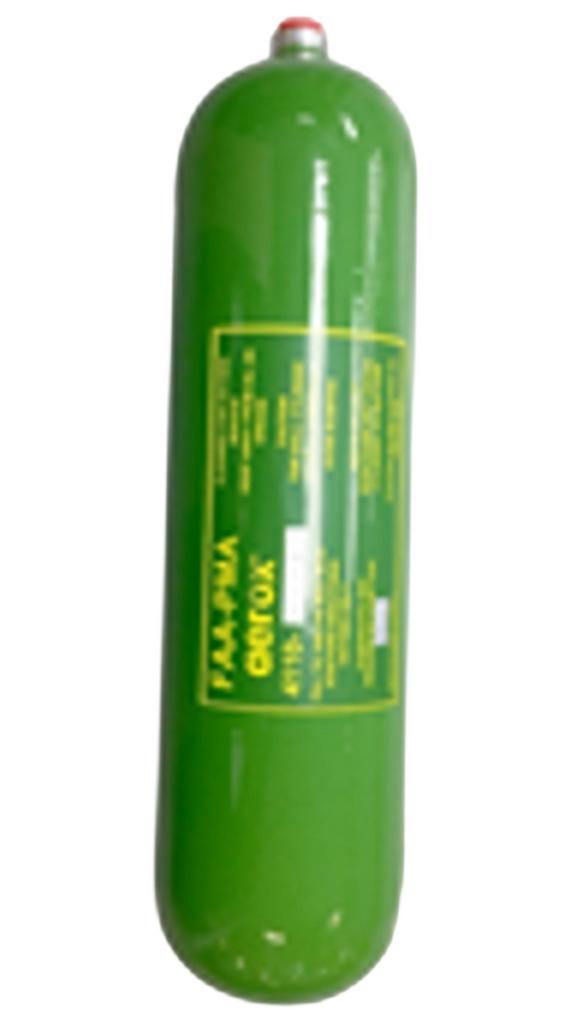
How Long Will a Portable Oxygen Cylinder Last at Altitude?
One of the most common questions pilots ask is, “How long does an oxygen cylinder last?” The answer depends on cylinder size, altitude, flow rate, and number of users.
According to Aerox duration charts, a portable oxygen tank used at 10,000 feet will last significantly longer than one used at 15,000 or 18,000 feet. As altitude increases, required flow rates rise, reducing overall duration. If multiple outlets are in use, the available oxygen is divided among users, further affecting endurance.
When choosing a portable oxygen cylinder or aviation oxygen tank, consider your typical cruise altitude, passenger count, and flight duration. A small portable oxygen tank may be ideal for short flights at moderate altitude, while longer cross-country operations may require a larger aviation oxygen cylinder for extended endurance.
Is Medical-Grade Oxygen Safe for Aviation Use?
Medical oxygen and aviation oxygen are not always interchangeable. Aerox and other aviation specialists recommend filling cylinders only with Gaseous Aviators Breathing Oxygen (ABO) that meets MIL-PRF-27210 standards.
Why does this matter? Moisture content is the key concern. At altitude, moisture in oxygen systems can freeze, leading to regulator malfunction or flow restriction. Aviation oxygen is dry and specifically prepared to meet the demands of high-altitude flight.
Using improper oxygen sources introduces risks to both equipment and occupants. For safety and reliability, aviation oxygen equipment should be filled by qualified suppliers who understand aviation standards and cylinder specifications.
How Do I Refill a Portable Aviation Oxygen Cylinder?
Refilling a portable aviation oxygen cylinder requires attention to detail and adherence to safety guidelines. Most aviation oxygen bottles use CGA-540 standard oxygen fittings, and connections should be hand-tightened only to prevent damage.
Aluminum DOT 3AL cylinders require hydrostatic testing every five years to ensure structural integrity. This testing verifies that the cylinder can safely contain high-pressure oxygen. Additionally, pilots are advised to keep cylinders above 50 PSI when not in use to prevent moisture intrusion.
DOT and regulatory requirements govern the refilling and transportation of oxygen cylinders. Always confirm your cylinder is within its hydrostatic test date and filled with appropriate aviator’s breathing oxygen.
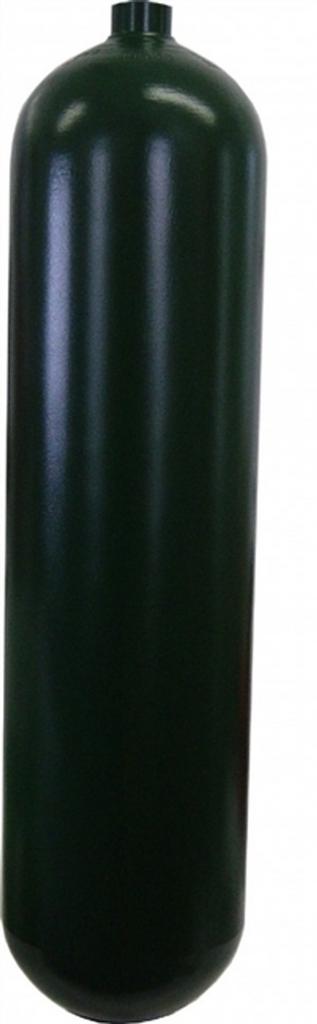
What Does DOT Certification Mean for Oxygen Cylinders?
DOT certification indicates that an oxygen cylinder meets U.S. Department of Transportation standards for pressure vessels. For example, DOT 3AL aluminum cylinders are commonly used in portable aviation oxygen systems.
These classifications define material composition, pressure rating, and required inspection intervals. Hydrostatic testing every five years ensures the cylinder maintains its structural integrity under high pressure.
For pilots, DOT certification translates to confidence. It ensures your portable oxygen cylinder is approved for transport, safe under pressure, and compliant with regulatory standards.
Why Is PMA Approval Important for Aircraft Oxygen Equipment?
PMA (Parts Manufacturer Approval) is an FAA approval process for replacement aircraft parts. PMA-approved oxygen cylinders and components meet strict design and performance criteria for aviation environments.
Using PMA-approved aircraft oxygen systems helps ensure compatibility with aircraft installations and supports regulatory compliance. Non-certified alternatives may not meet the same standards for materials, pressure tolerances, or durability. When investing in aircraft oxygen equipment, choosing PMA-approved components protects both your aircraft and your operation.
Where Is the Safest Place to Mount a Portable Oxygen Cylinder in the Cockpit?
An oxygen cylinder can contain up to 2,000 PSI, so secure mounting is essential. The system should be restrained to prevent movement during turbulence or abrupt maneuvers. Many pilots secure portable oxygen tanks with seat belts or dedicated mounting brackets.
Cylinders may be positioned upright or horizontally, depending on the manufacturer's recommendations and the aircraft's configuration. Avoid exposure to extreme temperatures above 130°F or below -25°F, as temperature extremes can affect pressure and system integrity.
Padded carrying bags and secure restraints help protect both the oxygen cylinder and surrounding cockpit components. Proper mounting ensures safe, reliable operation throughout the flight.
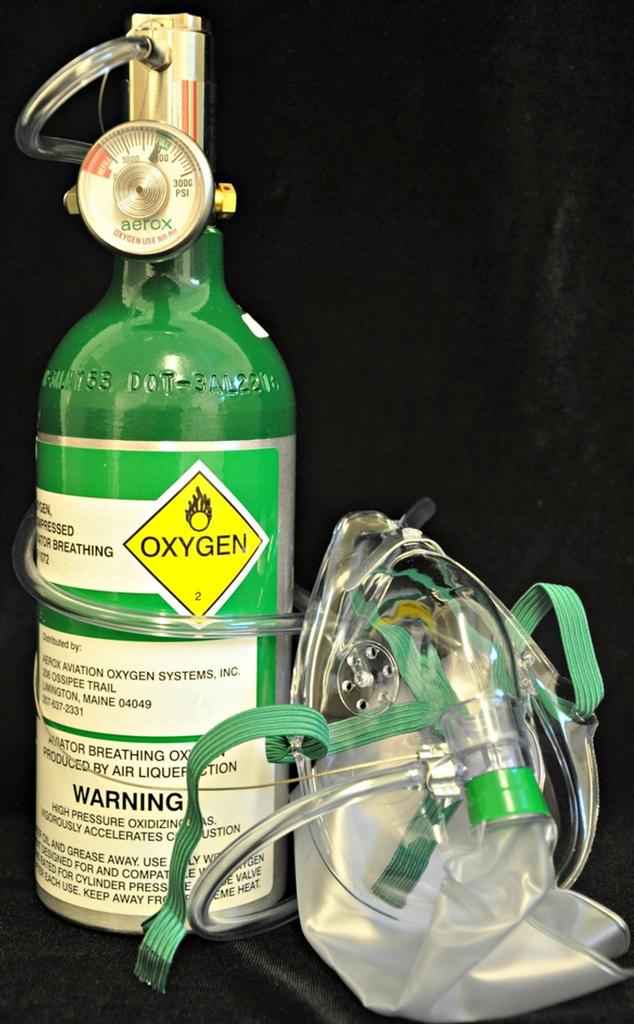
Why Are Aerox Portable Oxygen Systems Trusted by Aviation Professionals?
Aerox aviation oxygen systems are widely recognized for quality and configurability. These portable aviation oxygen systems can be configured for one to six users and include quick-disconnect fittings for flexibility.
Aerox systems feature built-in pressure gauges, high-pressure brass components, and unlimited-life DOT 3AL/TC cylinders with five-year hydrostatic testing requirements. Their durable design and aviation-specific engineering make them a trusted choice among pilots.
From portable oxygen systems to oxygen masks, cylinders, and spare parts, Aerox oxygen products are built specifically to meet the demands of aviation.
The Bottom Line
Portable oxygen is more than a regulatory checkbox. It is a proactive safety measure that protects cognitive performance, prevents hypoxia, and enhances decision-making at altitude. Whether you are flying a high-performance single or operating extended cross-country missions, a reliable portable supplemental oxygen system can make a measurable difference.
Pilot John International® (PJi®) is your trusted source for Aerox portable oxygen systems, aviation oxygen masks, PMA and DOT-approved cylinders, and a full range of aircraft oxygen equipment. Our aviation specialists are ready to help you select the right portable oxygen solution for your aircraft, altitude profile, and operational needs. Contact PJi by phone, email, or live chat today and equip your cockpit with dependable aviation oxygen to keep you safe at altitude.