Should Pilots Wear Polarized Sunglasses?
Key Takeaways
- Polarized lenses filter horizontally polarized light to reduce glare from reflective surfaces – a useful feature on water or snow, but a significant disadvantage in the cockpit where consistent visibility of instruments and the outside environment is critical.
- Most modern avionics use LCD displays with built-in polarization filters. When a pilot wearing polarized sunglasses looks at an LCD at certain angles, the two filters can interfere – causing the screen to appear dim, distorted, or completely black.
- Polarization can also reduce the light reflections pilots rely on to visually detect other aircraft, runway markings, and traffic. Some aircraft windshields interact with polarized lenses, producing rainbow patterns or dark patches that further impair outside visibility.
- Non-polarized sunglasses with neutral tints – particularly gray, which preserves natural color perception – are generally the preferred choice for aviation, maintaining consistent instrument readability and accurate visual awareness across varying conditions.
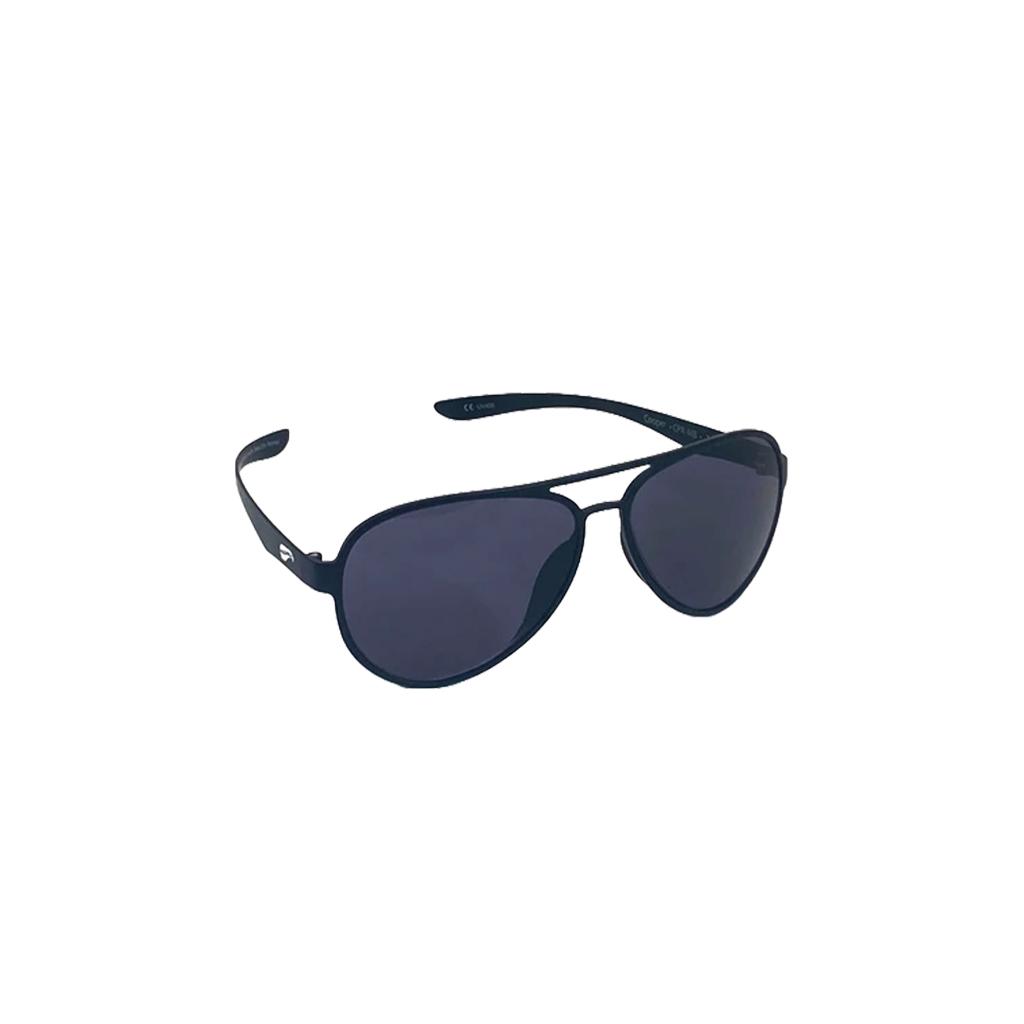
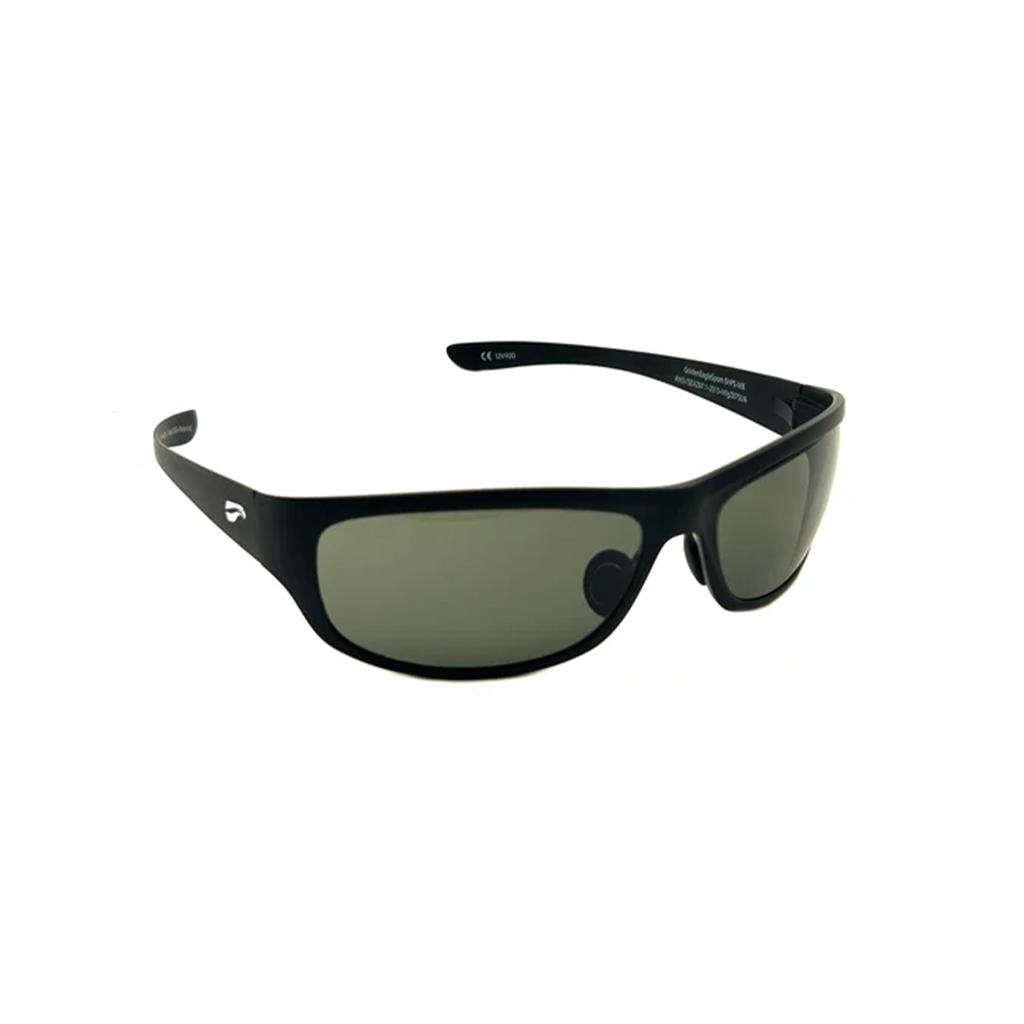
- Flying Eyes sunglasses are designed specifically for cockpit use, with lightweight frames built to fit comfortably under aviation headsets during extended flights. PJi carries the Flying Eyes lineup, including the Cooper Aviator, Golden Eagle Sport, Osprey, Kestrel Aviator, and Kingfisher models.
Pilots rely on clear vision to safely monitor cockpit instruments and maintain situational awareness outside the aircraft. While sunglasses help reduce glare and improve comfort in bright conditions, not all lenses perform the same in the cockpit.
For most cockpit environments, polarized lenses create more problems than they solve – and understanding the differences between polarized and non-polarized sunglasses helps explain why. In this article, we’ll compare polarized and non-polarized sunglasses, explore how polarization affects cockpit visibility, and cover what pilots should look for when choosing the best sunglasses for flying.
What Do Polarized Sunglasses Do?
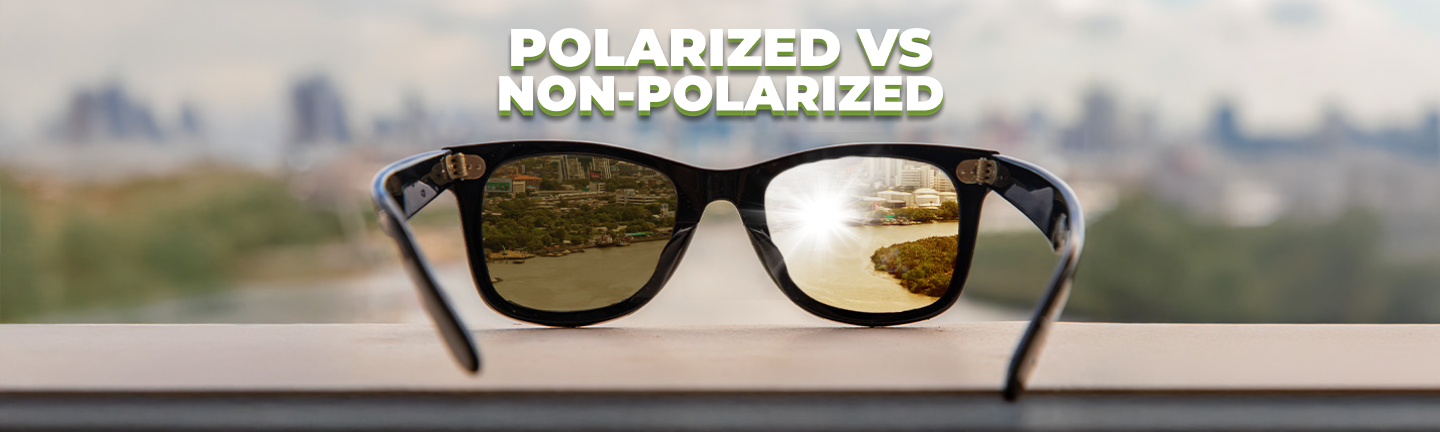
Polarized sunglasses are designed to reduce glare from light reflecting off flat surfaces, such as water, snow, or pavement. These lenses contain a special filter that blocks horizontally polarized light, which is responsible for most reflected glare. By filtering this light, sunglasses with polarized lenses can improve visual comfort and contrast in bright environments.
This technology makes polarized lenses especially popular for outdoor activities such as fishing, boating, skiing, and driving. The benefits of polarized sunglasses include reduced eye strain, improved clarity, and better visibility in reflective environments. However, in aviation settings, the cockpit environment introduces unique considerations that pilots must take into account.
How Do Non-Polarized Sunglasses Differ from Polarized Sunglasses?
Non-polarized sunglasses reduce brightness using tinted lenses rather than polarization filters. Instead of selectively blocking horizontal light waves, these lenses simply decrease the amount of light entering the eyes. This helps reduce glare and eye fatigue while maintaining consistent visibility across different viewing angles.
When comparing polarized and non-polarized lenses, the key difference is how light is filtered. Polarized lenses remove certain reflections, while non-polarized sunglasses maintain a more uniform view of both reflected and direct light. In aviation, this difference becomes important when looking at reflective surfaces, digital displays, or aircraft windshields.
Because non-polarized sunglasses do not interfere with display technologies or polarized materials, they generally provide more consistent cockpit visibility. As a result, many aviation professionals prefer non-polarized sunglasses over polarized sunglasses for flight operations.
Why Can Polarized Sunglasses Be Problematic for Pilots?
While polarized sunglasses offer advantages in many outdoor environments, they can create challenges inside an aircraft cockpit. The same glare-reducing technology that makes polarized lenses useful on water or snow can interfere with important visual cues during flight.
One of the primary disadvantages of polarized sunglasses in aviation involves their interaction with aircraft materials and instruments. Modern cockpits contain digital displays, laminated windshields, and reflective surfaces that can react differently when viewed through polarized lenses. These interactions may create dark spots, rainbow patterns, or other visual artifacts.
Another concern is hazard detection outside the aircraft. Pilots rely on the ability to visually identify other aircraft, runway markings, and environmental cues. Polarization can reduce certain light reflections that help pilots spot these hazards, potentially decreasing valuable “see-and-avoid” reaction time.
How Do Polarized Lenses Affect Cockpit Instrument Visibility?
One of the most significant reasons pilots and polarized sunglasses don’t always mix well is the way polarized lenses interact with cockpit displays. Many modern avionics systems use liquid crystal display (LCD) technology, which already includes a built-in polarization filter.
When a pilot wearing polarized sunglasses looks at an LCD screen, the two polarization filters can interfere with each other. Depending on the viewing angle, this interaction can cause the screen to appear dim, distorted, or completely black. Important flight information, such as navigation data, engine parameters, and attitude indicators, may become difficult or impossible to read.
This issue becomes especially important in modern glass cockpits, where display readability is critical. With non-polarized sunglasses, cockpit screens remain clearly visible regardless of head position or viewing angle. For pilots flying aircraft equipped with advanced avionics, this difference in visibility is a critical safety consideration.
Can Polarized Sunglasses Affect Visibility Outside the Aircraft?
Polarized lenses can also affect how pilots perceive the environment outside the cockpit. While polarization is excellent for removing glare from water or road surfaces, it can also eliminate subtle reflections that provide important visual information during flight.
For example, sunlight reflecting off another aircraft’s windshield or wing can help pilots detect nearby traffic. When wearing polarized sunglasses, this reflection may be reduced or completely eliminated. As a result, pilots may have less time to visually identify potential traffic conflicts.
Aircraft windshields can also interact with polarized lenses. Some heated or laminated windshields contain layers that polarize light in specific directions. When viewed through polarized sunglasses, this interaction can produce rainbow patterns, dark patches, or unusual distortions that distract from outside visibility.
Why Do Many Aviation Experts Recommend Non-Polarized Sunglasses?
Many aviation safety organizations and experts recommend non-polarized sunglasses for pilots because they provide consistent visibility in both the cockpit and the outside environment. By avoiding polarization filters, these lenses allow pilots to read instruments clearly while maintaining accurate visual awareness.
Guidance from aviation authorities and industry professionals often emphasizes that safety and situational awareness take priority over glare reduction. While polarized lenses can be helpful in everyday activities, the potential interference with cockpit displays and visual detection can outweigh those advantages during flight.
As a result, non-polarized sunglasses are generally preferred in aviation, with many pilots choosing options specifically designed for cockpit use.
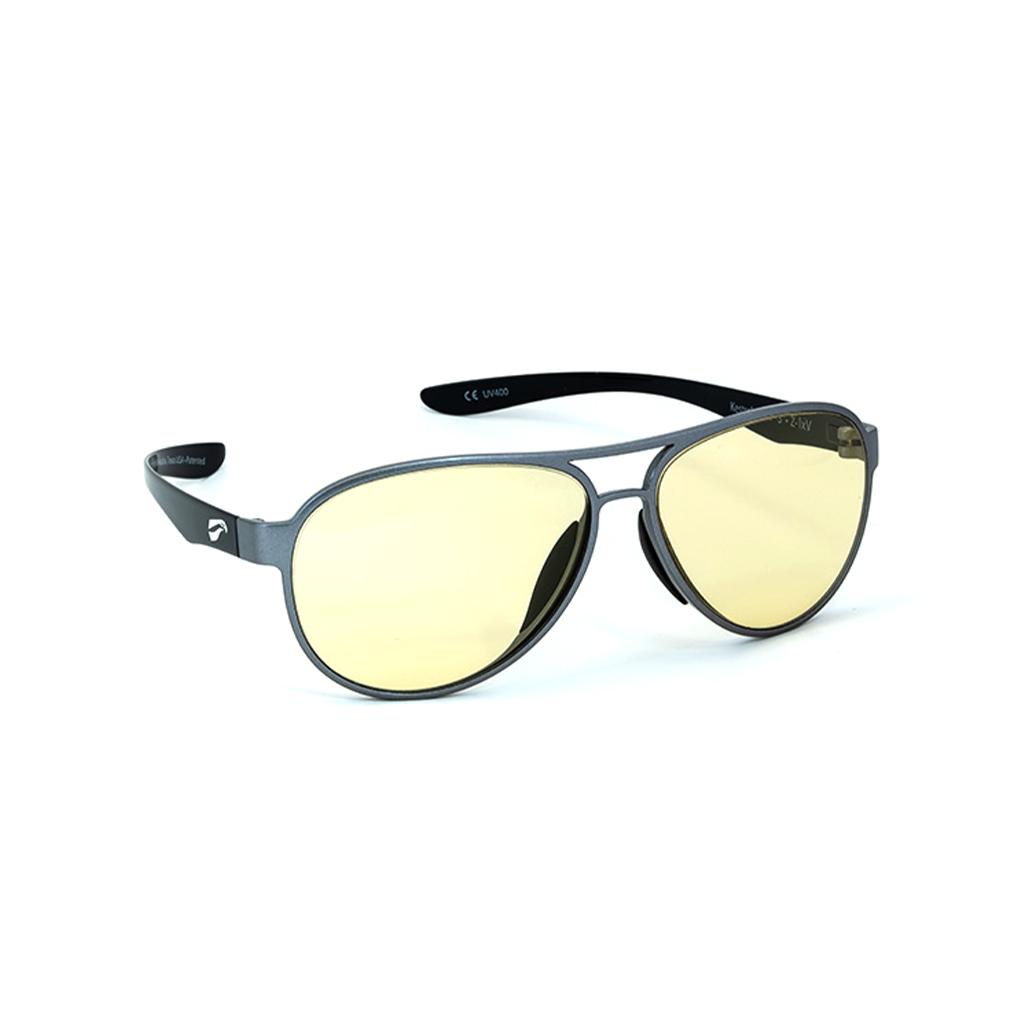
What Lens Colors Work Best for Pilots?
Lens tint plays an important role in aviation sunglasses. The best sunglasses for pilots typically use neutral colors that preserve natural color perception while reducing brightness. Gray lenses are widely recommended because they provide balanced light reduction without altering color recognition.
Green and brown lens tints are also common choices. These colors can enhance contrast and depth perception while still maintaining accurate color representation. Maintaining proper color perception is important when reading cockpit indicators, runway lighting, and signal systems.
Regardless of the tint, pilot sunglasses should provide consistent visibility in both bright sunlight and varying atmospheric conditions. When combined with non-polarized lenses, these neutral tints help pilots maintain clear and comfortable vision throughout a flight.
What Should Pilots Look for When Choosing Aviation Sunglasses?
Choosing the best pilot sunglasses involves more than just selecting a lens tint. Pilots should look for eyewear designed specifically for aviation environments, where comfort and compatibility with headsets are essential.
Lightweight frames are particularly important because pilots often wear sunglasses for extended periods. Frames designed to fit comfortably under aviation headsets help prevent pressure points and fatigue during long flights. Optical clarity and high-quality lenses are also critical for maintaining accurate visual perception.
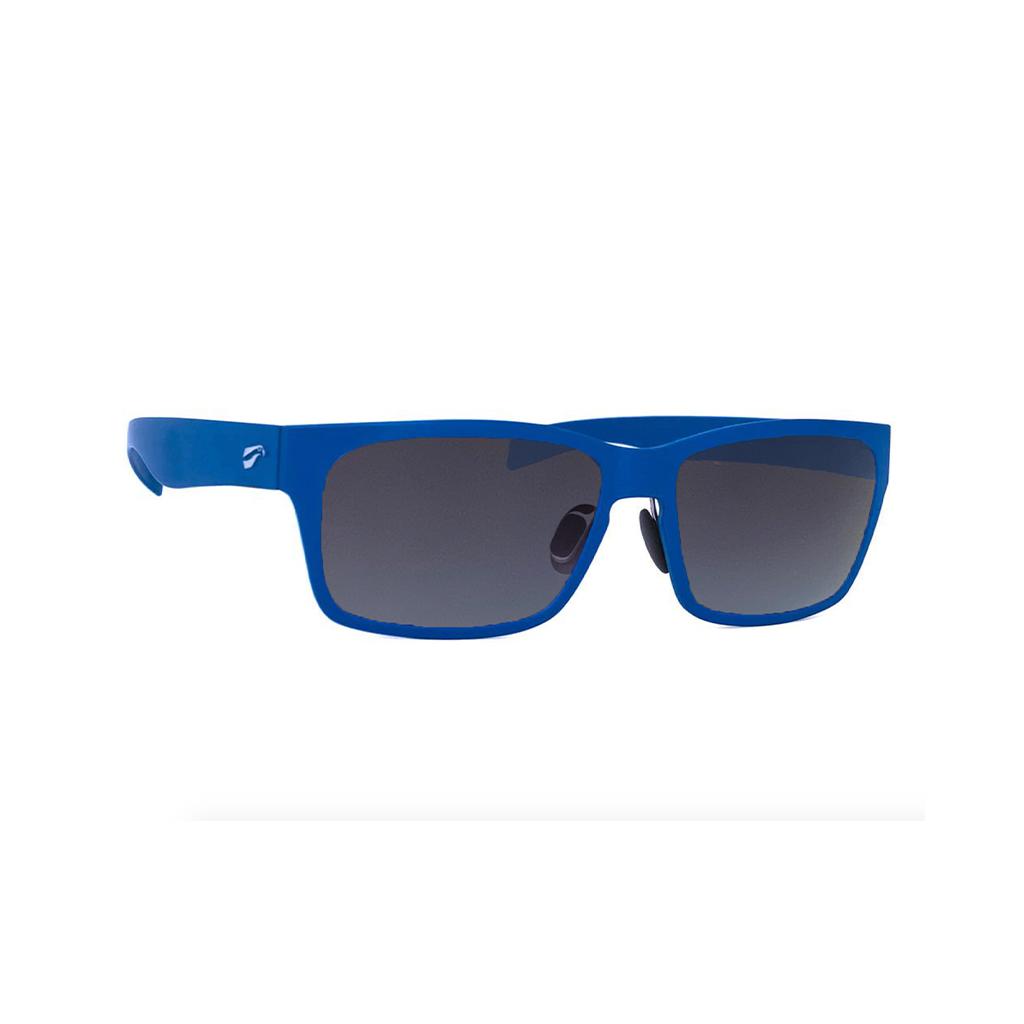
Many aviation professionals choose Flying Eyes sunglasses because they are designed with pilots in mind. Models such as the Flying Eyes Cooper Aviator, Golden Eagle Sport, Osprey, Kestrel Aviator, and Kingfisher sunglasses feature lightweight frames that work comfortably with headsets. These aviation-specific designs make Flying Eyes sunglasses a popular option for pilots seeking reliable non-polarized sunglasses.
The Bottom Line
Choosing the right sunglasses is an important part of maintaining clear vision and situational awareness in the cockpit. While polarized sunglasses are useful in many environments, non-polarized sunglasses are generally the safer choice for pilots because they preserve instrument visibility and reduce cockpit visual distortion.
Pilot John International® (PJi®) offers a wide selection of pilot sunglasses from Flying Eyes designed specifically for aviation use. Our aviation specialists are ready to help you find the right fit – reach out today by phone, email, or live chat.