




Ultimate Guide to Aircraft Nitrogen Servicing Equipment
Key Takeaways
- Nitrogen's inert, nonflammable, and moisture-free properties make it the preferred gas for aviation maintenance – it won't support combustion, introduce corrosion, or create pressure variability the way humid compressed air can.
- Common aviation nitrogen applications include tire inflation, shock strut servicing, hydraulic accumulator charging, and fuel tank and oxygen system purging – anywhere stable, dry pressure is required in a sealed system.
- Nitrogen outperforms compressed air in aircraft tires because it reduces oxidation of the inner liner and wheel assembly, maintains more consistent pressure across temperature and altitude changes, and extends tire and wheel service life.
- Aircraft shock struts combine hydraulic fluid with nitrogen gas to absorb landing loads – precise nitrogen regulation is required to prevent strut bottoming or overextension, making calibrated nitrogen gauges and regulators essential for this service.
- Nitrogen servicing equipment includes mobile cylinder carts (available in one- to four-bottle configurations), pressure regulators, boosters for high-pressure delivery, gauges, hoses, valve adapters, filters, and pressure relief valves – all working together to deliver correct pressure safely to aircraft components.
- PJi stocks a complete aircraft nitrogen servicing lineup from Tronair, Malabar, IDI, and Alberth Aviation, with specialists available to help configure the right cart, booster, and accessory combination for your aircraft and maintenance environment.
Nitrogen plays a vital role in modern aircraft maintenance, supporting a range of critical applications from tire inflation and strut service to pressurizing hydraulic systems. Its inert properties and resistance to moisture make it a safer, more stable alternative to compressed air, especially in environments where temperature and pressure extremes are the norm. In these systems, consistent and safe nitrogen delivery is paramount to both performance and operational safety.
Aircraft technicians rely on specialized nitrogen servicing equipment to safely store, regulate, and apply nitrogen gas. From nitrogen carts and regulators to strut service tools and booster systems, this equipment is built to handle high-pressure demands with precision and ease.
In this article, we’ll explore the function, importance, and types of aircraft nitrogen servicing equipment, answer common questions about nitrogen in aviation, and explain how PJi can help you source the best equipment for your operational needs.
What Is Nitrogen, and Why Is It Important in Aviation Maintenance?
Nitrogen is a dry, colorless, and nonreactive gas that makes up about 78% of the Earth’s atmosphere. In aviation maintenance, its chemical stability is one of its greatest advantages. Unlike oxygen, nitrogen doesn’t support combustion, and unlike humid air, it doesn’t introduce moisture into sensitive components.
Aircraft systems such as tires, hydraulic accumulators, and struts must operate reliably under varying pressure and temperature conditions. Nitrogen helps prevent internal corrosion, moisture buildup, and pressure fluctuation, making it a dependable choice for maintaining optimal system performance. Its predictable behavior in sealed systems is why aircraft OEMs and maintenance technicians specify nitrogen for many servicing tasks.
Is Nitrogen a Gas?

Yes, nitrogen is used in its gaseous form for nearly all aircraft maintenance operations. While liquid nitrogen has industrial uses, aviation servicing relies on high-pressure nitrogen gas stored in cylinders or bottles. These are typically mounted on mobile nitrogen carts or aircraft nitrogen service carts for transport across hangars and ramps.
The gas is extracted through a nitrogen pressure regulator, which ensures the correct output pressure for the specific task – whether inflating a tire, topping off a strut, or charging an accumulator. Using the correct nitrogen hose, nitrogen filter, and fittings, such as valve adapters or air chucks, is essential to ensure compatibility and safety during transfer.
Is Nitrogen Flammable?
One of the most important safety characteristics of nitrogen gas is its nonflammability. It does not burn or support combustion, making it ideal for use in pressurized aircraft systems where safety is critical. Unlike oxygen or compressed air, nitrogen won’t contribute to fire risk in the event of a leak.
This inert nature makes nitrogen especially valuable in aviation applications involving flammable materials, high temperatures, or electrical systems. Nitrogen's ability to reduce oxidation is another reason why it is the preferred gas for tire inflation and hydraulic support.
What Is Nitrogen Used for in Aircraft Maintenance?
Nitrogen is widely used in aviation maintenance. Common applications include tire inflation, strut servicing, accumulator charging, and nitrogen purging of fuel tanks and oxygen systems. It ensures stable pressure without the moisture and oxidation risks associated with compressed air.
Tire inflation is perhaps the most visible use, but nitrogen also plays a key role in shock absorption via oleo struts and in stabilizing hydraulic systems. Its consistent expansion and contraction properties across varying altitudes and temperatures help aircraft systems perform reliably in flight.
Why Use Nitrogen in Aircraft Tires Instead of Compressed Air?
Aircraft tires endure extreme conditions, from heavy takeoff loads to drastic altitude shifts. Nitrogen provides better pressure retention over time than compressed air, which contains oxygen and moisture that can lead to corrosion or pressure variability.
Using nitrogen in tires helps reduce oxidation of the tire's inner liner and wheel assembly, extending their lifespan and enhancing safety. It also minimizes the impact of temperature-related pressure changes, contributing to more predictable performance during takeoff, flight, and landing. This is why aviation standards call for nitrogen in tires and why aircraft tire inflation tools must be rated for nitrogen compatibility.

How Is Nitrogen Used in Aircraft Shock Struts and Hydraulic Systems?
Aircraft landing gear shock struts and some hydraulic accumulators use nitrogen to maintain internal pressure and absorb impact loads. The strut’s design combines hydraulic fluid with nitrogen gas to cushion landings and support weight. As the aircraft lands, the fluid compresses, and the nitrogen gas absorbs energy.
Properly servicing these components requires precise nitrogen regulation, often achieved with nitrogen gauges and a nitrogen regulator to monitor and control the output. This ensures safe operation and helps avoid strut bottoming or overextension. Nitrogen is ideal in these systems because it doesn't degrade over time and won’t promote corrosion or fluid contamination.
What Are Nitrogen Servicing Equipment and Tools?
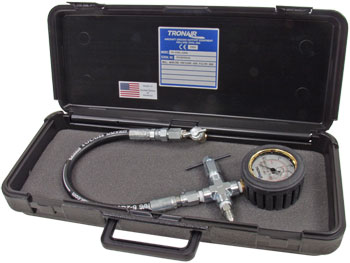
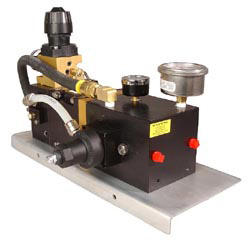
Aircraft nitrogen servicing equipment includes a wide variety of tools designed to safely store, transport, and apply nitrogen gas. Common tools include nitrogen carts (also called nitrogen bottle carts or cylinder carts), nitrogen boosters, nitrogen pressure regulators, and nitrogen gauges. These tools are critical for proper tire inflation, strut service, and accumulator maintenance.
A nitrogen cart may be configured with one, two, three, or four nitrogen bottles, depending on operational requirements. Additional accessories include nitrogen hoses, valve adapters, air chuck adapters, nitrogen filters, and pressure relief valves. Brands like Tronair, Malabar, IDI, and Alberth Aviation manufacture high-quality nitrogen equipment trusted by MROs and operators worldwide.
What Does Nitrogen Servicing Equipment Do, and How Does It Work?
Nitrogen servicing equipment safely regulates and delivers nitrogen gas to aircraft components. Systems typically include a nitrogen cylinder mounted to a mobile cart, connected to a nitrogen pressure regulator and gauge system. This setup allows technicians to deliver precise amounts of nitrogen for specific maintenance tasks.
The nitrogen regulator reduces the cylinder's high pressure to a safe and usable level, while the hose and adapters connect to tire valves, strut fill ports, or hydraulic reservoirs. Many systems also incorporate safety relief valves to prevent overpressurization and filters to trap contaminants before they reach sensitive systems. Nitrogen boosters may also be used when higher delivery pressures are required.
Where Can I Buy Nitrogen Servicing Equipment for Aircraft?
Pilot John International® (PJi®) offers a complete selection of aircraft nitrogen servicing equipment and accessories from top-tier manufacturers. Whether you're looking for a compact nitrogen bottle cart, a complete nitrogen cart system, a high-pressure nitrogen booster, or a set of nitrogen regulators, we have you covered. We stock nitrogen carts in multiple configurations, including one-, two-, three-, and four-bottle options for various aircraft types.
PJi also carries tire inflation and strut service tools, valve adapters, nitrogen hoses, aircraft nitrogen regulators, and nitrogen gauges. With trusted brands like Tronair, Malabar, Alberth, and IDI in our catalog, we help operators maintain safety, precision, and efficiency. Our GSE experts are available to guide you in choosing the right solution for your aircraft maintenance needs.

The Bottom Line
Nitrogen is essential for maintaining the performance and safety of critical aircraft systems, such as tires, struts, and hydraulic accumulators. Its nonflammable, inert nature makes it the ideal gas for minimizing corrosion, stabilizing pressure, and ensuring long-term reliability across a wide range of aviation environments.
Using the right nitrogen servicing equipment is key to proper maintenance. Whether you need a mobile nitrogen cart, a nitrogen booster system, or aircraft nitrogen service tools, PJi offers premium solutions backed by expert support. Reach out to our aviation specialists by phone, email, or live chat for personalized assistance in selecting the right equipment and accessories for your fleet.