




Ultimate Guide to Airport Tug Maintenance, Repair, and Service
Key Takeaways
- Airport tugs fall into four main categories – conventional heavy-duty, medium-duty, low-profile, and cargo – each with unique service requirements based on engine type, towing capacity, and operational demands. Identifying the correct category is the starting point for any maintenance program.
- Preventative maintenance is the most cost-effective way to keep tugs operational. Key scheduled inspection tasks include fluid changes, tire and brake checks, hydraulic system inspection, electrical system verification, and confirmation of towbar attachment integrity.
- Common repairs include engine servicing (from spark plug replacement to full overhaul), transmission repair for slipping or fluid leaks, hydraulic system servicing for leaks or reduced power, steering adjustments for handling issues, and electrical fault diagnosis.
Towbar attachment wear or damage requires immediate attention – any loose connection or structural compromise creates a direct safety risk during aircraft towing operations. - Complex repairs involving the engine, hydraulic system, electrical system, or towbar should always be handled by qualified service technicians. Attempting these without proper training and specialized tools risks further damage, safety hazards, and potential warranty voiding.
- PJi supports airport tug maintenance through its state-of-the-art service center and a nationwide Mobile Service Team that performs on-site repairs – providing expert GSE service wherever your fleet operates.
Busy airports rely on a complex network of personnel and machinery. The unsung heroes of this always-on environment are airport tugs, the powerful workhorses that tirelessly maneuver aircraft on the ground.
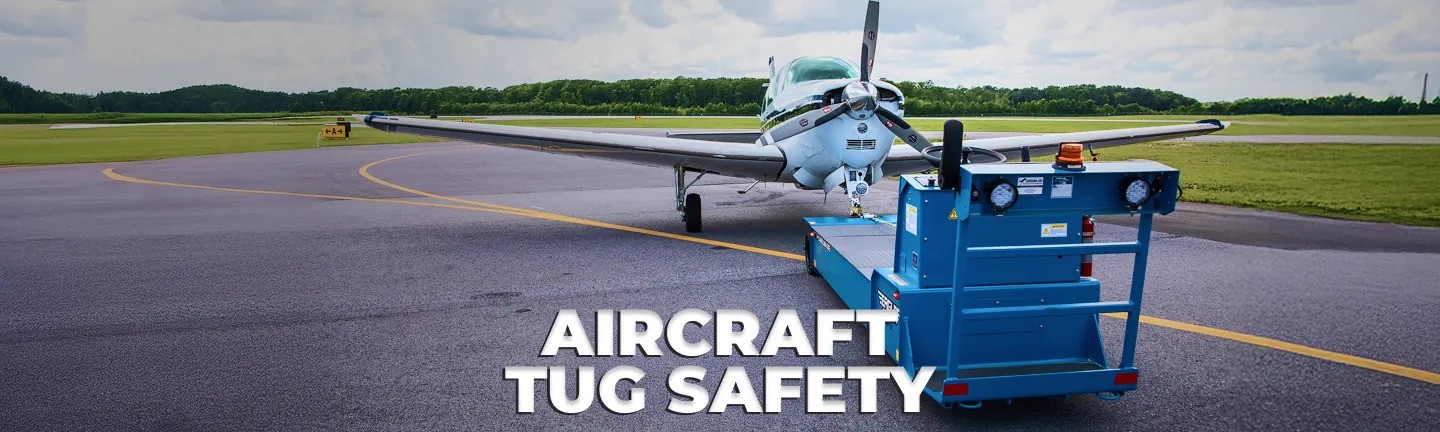
Aircraft tugs, also known as airport tugs, are essential for various tasks, from pushing planes back from the gate for departure to towing them to hangars for maintenance. Ensuring the smooth operation of these powerful machines requires a comprehensive maintenance, repair, and servicing program.

In this article, we’ll dive into airport tug maintenance, guiding you through the key practices that keep this critical equipment running safely and efficiently.
Understanding Airport Tugs
Airport tugs come in various sizes and configurations to accommodate a wide range of aircraft, from small private planes to large commercial jets. Some of the most common categories of airport tugs include:
- Conventional Tugs – The heavy-duty workhorses of the fleet, these specialized vehicles tow large commercial aircraft, such as the Boeing 747 and Airbus A380. Conventional airport tugs typically feature a tractor-style design with a powerful engine, robust chassis, and a towbar attachment point at the front.
- Medium-Duty Tugs – Balancing power and maneuverability, these tugs bridge the gap between conventional and low-profile tugs and can handle midsize commercial aircraft like the Boeing 737 and Airbus A320.
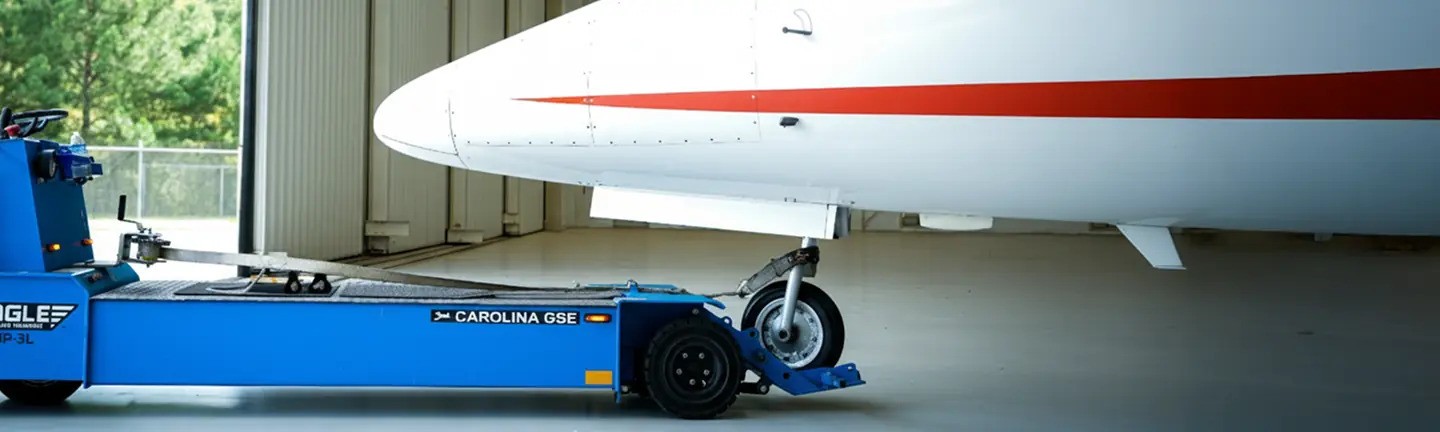
- Low-Profile Tugs – Designed for moving smaller aircraft such as regional jets, business jets, and turboprops, these compact tugs feature a lower profile that allows them to operate under the aircraft's wings for precise positioning during pushback and towing.
- Cargo Tugs – These specialized tugs are used for towing heavy cargo loaders and dollies that transport baggage and freight to and from aircraft. Cargo tugs typically feature additional towing capacity and platform attachments for efficient cargo handling.

Identifying the specific type of airport tug you’re dealing with is critical for developing an appropriate maintenance plan. Each tug might have unique service requirements based on engine type, towing capacity, and operational demands.
Preventative Maintenance for Airport Tugs
Like any complex machine, airport tugs require regular preventative maintenance to avoid costly breakdowns and ensure optimal performance and longevity. Here are some best practices for airport tug maintenance:
Scheduled Inspections
Routine inspections by qualified service technicians are vital for identifying minor issues before they snowball into major repairs. These inspections typically involve:
- Checking and changing fluids such as engine oil, transmission fluid, hydraulic fluid, and coolant
- Inspecting tires for wear, damage, and proper inflation, and replacing worn or damaged tires as necessary
- Examining brake pads, rotors, calipers, and hydraulic lines, and replacing worn or damaged parts as needed
- Conducting a visual inspection of hydraulic systems – checking for leaks, assuring proper pressure, and maintaining the smooth operation of hydraulic components
- Ensuring the integrity of the towbar attachment points
Engine Maintenance

The engine is the heart of the airport tug, and following the manufacturer’s recommended maintenance schedule is crucial. This includes oil changes, filter replacements, and regular checkups to ensure the engine operates efficiently and within safety parameters.
Electrical System Checks
The electrical system powers various components, such as lights, communication systems, and instruments. Regularly checking switches, gauges, and wiring is necessary to prevent electrical malfunctions that could disrupt operations.
Maintaining the battery – keeping terminals clean, checking fluid levels (if applicable), and testing the charging system regularly – is also paramount to ensuring the electrical system operates properly. Replacing old or faulty batteries can help avoid unexpected failures.
Repair Procedures for Airport Tugs
Despite the best preventative maintenance efforts, airport tugs will eventually require repairs due to wear and tear or unforeseen issues. Here are some common repair procedures for airport tugs:
Engine Issues
Engine problems range from minor issues such as spark plug replacements to more complex repairs, such as injector cleaning or an engine overhaul. If an engine demonstrates reduced performance, excessive smoke, or unusual noises, it may require an overhaul.
Transmission Repair
Transmission problems such as slipping, grinding, or fluid leaks should be addressed promptly. Repairing or replacing damaged transmission components restores smooth shifting and power delivery.
Hydraulic System Service

Leaks, malfunctions, or reduced hydraulic power can affect the tug’s ability to operate effectively. Hydraulic system servicing includes inspecting hoses, seals, pumps, and valves, and replacing or repairing faulty components.
Steering System Adjustment
If the airport tug’s steering feels loose, unresponsive, or erratic, it may require an adjustment or alignment of the steering system. This ensures precise steering control and better maneuverability.
Electrical System Faults
Electrical problems can manifest in various ways, from flickering lights to a complete power loss. A qualified technician can diagnose the electrical fault and perform the necessary repairs to restore functionality.
Towbar Attachment Issues
The towbar attachment is a critical component for connecting the tug to the aircraft. Any signs of wear, damage, or loose connections require immediate attention to prevent potential safety hazards during towing operations.
When to Call a Professional for Airport Tug Repairs
It’s important to remember that not all airport tug repairs are created equal. For minor issues such as replacing a light bulb or topping off fluids, in-house maintenance personnel with the proper training may be able to handle the task. However, for any repairs involving the engine, hydraulic system, electrical system, or towbar attachment, it’s crucial to seek the expertise of a qualified airport tug service technician.
These technicians possess specialized knowledge and experience in working with the unique components and systems of airport tugs. They have access to specialized tools and diagnostic equipment necessary to pinpoint problems accurately and perform repairs that meet stringent safety standards. Attempting complex repairs without proper qualifications could lead to further damage, safety hazards, and even void the equipment's warranty.
The Bottom Line

Aircraft tugs play a vital role in the smooth, efficient operation of airports worldwide. By implementing a comprehensive preventative maintenance program and promptly addressing repairs with qualified service technicians, airport operators can ensure the reliability, safety, and longevity of their airport tug fleets.
This, in turn, contributes to a well-functioning airport ecosystem, where aircraft move seamlessly, passengers board and deplane efficiently, and the global flow of air travel continues uninterrupted.
Are you ready to give your airport tugs the attention they deserve? From preventative maintenance at our state-of-the-art service center to on-site repairs nationwide by our Mobile Service Team, Pilot John International’s highly trained technicians have the expertise and resources to ensure your airport tugs remain in peak condition.
Don’t wait until problems arise – contact our Service Team today so we can keep your tugs moving!