





Ultimate Guide to Aviation Headset Plugs
Key Takeaways
- Aviation headset plugs are not universal – four main types serve different aircraft categories: Dual GA (general aviation), U174/U (helicopters), XLR-5/Airbus plug (commercial airliners), and LEMO 6-pin (newer GA and business jets).
- Dual GA and U174/U plugs do not supply aircraft power, meaning ANR and Bluetooth features on these headsets must be battery-powered. XLR-5 and LEMO plugs support panel power, eliminating the need for battery packs in the headset's control module.
- To choose the correct plug, identify your aircraft type and check the audio panel or POH for the required connector. If your headset also requires aircraft power for ANR, confirm whether your aircraft has a panel-power-compatible port.
- If your headset doesn't match your aircraft's plug type, an aviation-grade adapter is a simple, cost-effective solution. Common adapter configurations include U174/U to GA, GA to U174/U, GA to LEMO, and GA to XLR.
- PJi stocks pilot and GSE headsets from David Clark and Kore Aviation across all plug types, along with plug adapters, replacement cables, and accessories – with specialists available to match the right gear to your aircraft and mission.
In the world of aviation, clear communication is everything. From routine tower exchanges to high-pressure in-flight decisions, the quality of your aviation headset connection can directly impact flight safety and mission success. While most pilots understand the importance of noise reduction and audio clarity, many overlook the critical role that headset plugs play in ensuring compatibility and performance with cockpit systems.
Aviation headset plugs are not universal. They vary by aircraft type, manufacturer, and use case – from general aviation to commercial jets and helicopters. Selecting the correct plug type for your aircraft is key to ensuring reliable two-way communication, avoiding adapter hassles, and optimizing features like Active Noise Reduction (ANR). In this article, we’ll explore the most common types of aviation headset plugs, how to choose the right one, and what to do if you need to adapt your current headset.
What Are the Different Types of Aviation Headset Plugs?
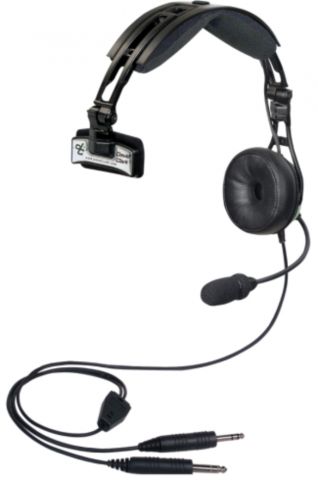
While aviation headsets serve a common purpose, the plugs that connect them to aircraft systems come in different formats. These plug types reflect the diverse range of aircraft categories, from light trainers to airliners and helicopters. Most aviation headset plugs fall into four major types, each offering specific electrical configurations, durability, and compatibility with certain aircraft platforms.
Below is a closer look at the most commonly used aviation headset plug types and their typical applications.
Dual GA Plug (PJ-055 and PJ-068)
The dual GA (General Aviation) plug is the most common headset connector in the industry. It consists of two separate plugs: a 0.25” PJ-068 plug for headphone audio and a smaller 0.206” PJ-055 plug for the microphone. This setup is commonly found in general aviation aircraft such as Cessna, Piper, and Beechcraft models. It’s a long-standing industry standard for fixed-wing aircraft and remains widely supported across general aviation fleets.
Despite its simplicity and widespread use, the dual GA plug configuration doesn’t supply power to the headset. This means that any ANR functionality must be powered by batteries in the headset’s control module.
U174/U (Helicopter Plug)
The U174/U plug is the go-to option for rotary-wing aircraft, including both military and civilian helicopters. It uses a single, ruggedized plug that carries both microphone and audio signals, specifically designed to handle high-vibration environments. This plug is shorter and thicker than dual GA plugs and is engineered for durability and dependable performance in extreme conditions.
It’s worth noting that the U174/U plug doesn’t supply power to the headset, so ANR and Bluetooth capabilities (if available) must also be battery-powered. This connector is often used in military operations and tactical aviation where communication reliability is critical.
XLR-5 (Panel-Powered Plug)
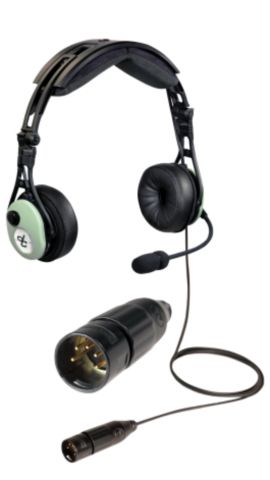
Also known as the "Airbus plug," the XLR-5 is a balanced five-pin connector typically used on Airbus aircraft and on select Boeing and ATR platforms. It allows for microphone input, headphone audio, and aircraft-powered functionality – ideal for panel-powered ANR headsets. This single-plug solution simplifies the cockpit setup and eliminates the need for battery-powered control modules.
The XLR connector resembles those found in professional audio equipment but is aviation-specific in function. It provides a reliable, all-in-one connection for pilots flying modern commercial aircraft.
LEMO Plug (6-Pin)
The 6-pin LEMO plug, also known as a “Bose-style connector,” is another popular panel-powered option. It supplies power for ANR and Bluetooth capabilities in addition to carrying microphone and audio signals. This plug type is frequently used in newer general aviation aircraft, such as Cirrus and Beechcraft models, and is also found in high-end business jets.
LEMO plugs offer a compact, single-connector solution that eliminates the need for battery packs, reducing weight and simplifying headset use. For pilots seeking a sleek, integrated option with aircraft-powered ANR, LEMO is a top choice.
Which Aviation Headsets Use a 3.5 mm Jack?
While the 3.5 mm jack is not a standard connection for aircraft systems, it is increasingly used in aviation communication tools. This auxiliary plug is commonly used for connecting headsets to mobile devices, tablets, and intercom systems – particularly in training or ground support environments. Some Bluetooth-enabled aviation headsets include a 3.5 mm audio input jack for connecting to external devices such as smartphones, MP3 players, or electronic flight bags (EFBs).
For student pilots, flight instructors, or maintenance crews, the 3.5 mm jack offers a convenient way to integrate personal electronics with aviation operations. Some headset adapters can also convert a 3.5 mm plug to a dual GA configuration, bridging the gap between consumer-grade and aviation-specific gear. Additionally, commercial airline passengers may use 3.5 mm jacks to access in-flight entertainment systems using their own headphones.
How Do I Choose the Right Headset Plug for My Aircraft?
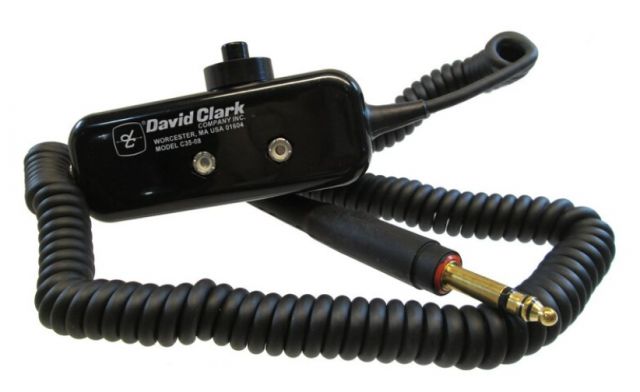
To determine which plug type your headset should have, start by identifying the aircraft you’ll be flying. Most general aviation planes use dual GA plugs, while helicopters typically use U174/U. High-end aircraft or newer GA models may have LEMO or XLR panel ports installed. The aircraft’s POH (Pilot’s Operating Handbook), audio panel, or plug receptacle should indicate the required connection.
Another key factor is whether your headset requires aircraft power for features like ANR or Bluetooth. LEMO and XLR plugs support panel power, while GA and U174 configurations require battery-powered headsets. Matching your headset plug to the aircraft’s available ports ensures full compatibility and optimal performance in the cockpit.
What If My Headset Doesn’t Match My Aircraft’s Plug Type?
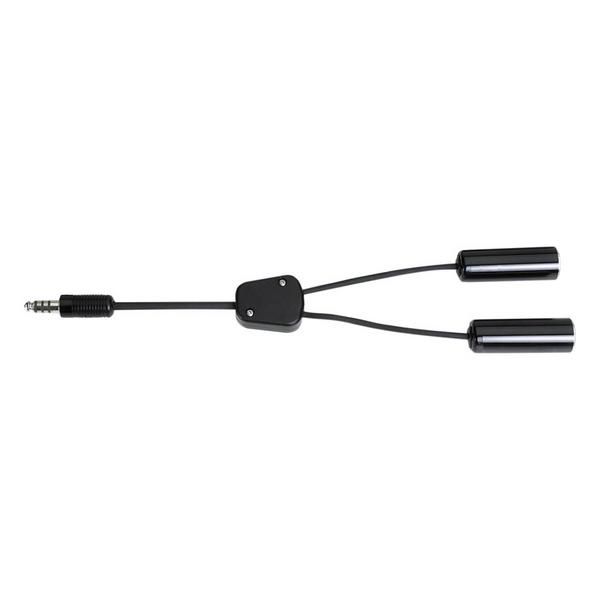
If your current headset doesn’t match your aircraft’s plug configuration, you don’t necessarily need to buy a new headset. A headset plug adapter is a simple, cost-effective solution that bridges compatibility between different plug types without sacrificing audio performance. Two of the most commonly used – and most widely available – adapters include those that convert a U-174/U helicopter plug to PJ-068 and PJ-055 plugs and those that convert PJ-068 and PJ-055 plugs to a U-174/U plug. These adapters let you use your preferred headset on both rotary-wing and fixed-wing aircraft with ease.
Other common headset adapters include GA-to-LEMO, LEMO-to-GA, and GA-to-XLR, which are especially useful for pilots flying different aircraft types with varying avionics configurations. No matter which configuration you need, a reliable adapter allows you to extend your headset’s versatility without compromising safety or communication clarity. For best results, choose high-quality aviation-grade adapters that provide a secure fit and consistent audio performance.
Where Can I Buy Aviation Headsets and Plug Adapters?
When it comes to aviation headsets and plug adapters, Pilot John International® (PJi®) is your trusted source. We offer a wide selection of aviation communication solutions, from pilot headsets to ground support headsets, and everything in between. Whether you need dual GA, LEMO, U174, or XLR-compatible headsets, PJi has the right options in stock and ready to ship.
We carry leading brands like David Clark and Kore Aviation, known for their rugged reliability, exceptional audio quality, and cost-effectiveness. In addition to headsets, we offer a full inventory of plug adapters, replacement cables, microphone protectors, and other essential accessories. Our knowledgeable aviation specialists are here to help you choose the right gear for your aircraft, and most in-stock items ship the same day.
The Bottom Line

Choosing the right aviation headset plug is essential for clear, reliable communication and proper integration with your aircraft’s systems. Whether you’re flying solo in a Piper Cherokee or serving as first officer on an Airbus A320, the correct plug type ensures safety and performance in the cockpit. With multiple plug types and headset configurations available, it’s important to match your gear to your aircraft – or have the right adapters on hand.
At PJi, we offer a complete range of pilot and GSE headsets for every aviation role – from student pilots and business jet aviators to airline crews and military personnel. Our selection also includes headsets for ground support operations like pushback, deicing, and ramp communication.
Explore our inventory of headset plug adapters, accessories, and replacement parts, and contact our aviation specialists by phone, email, or live chat for expert guidance. We’re here to help you find the right aviation headset solution for your mission.